
Bloodlines are shrinking faster than anyone admits.
Around the world, rare horse breeds appear to be holding steady, yet their genetic foundations are eroding. Registries still print numbers, foals are still born, and heritage labels remain intact. What those surface signals hide is how few unique bloodlines are actually left. Choices made during wars, economic shifts, and modernization now shape what is biologically possible. For many breeds, the margin for error is already gone, and the consequences are only beginning to surface.
1. Przewalski’s horses carry the weight of too few ancestors.
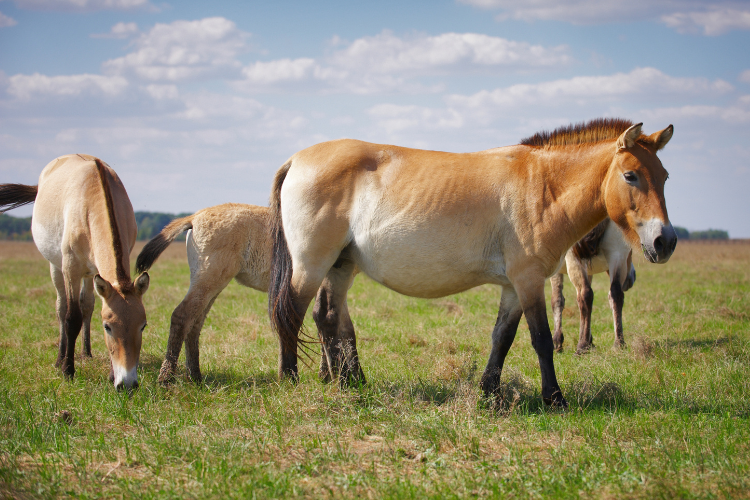
Every living Przewalski’s horse traces back to a remarkably small group rescued from extinction in the mid twentieth century. While populations have grown, the underlying genetic deck was permanently thinned. Reintroduction programs face constant pressure as limited variation increases vulnerability to disease and environmental stress. Survival alone no longer guarantees long term stability.
Managers carefully plan pairings to avoid worsening the problem, yet options remain narrow. Certain traits appear repeatedly because alternatives vanished decades ago. The species returned to the wild, but it did so with boundaries already drawn around what it can become.
2. Cleveland Bays depend on a dwindling circle of mares.
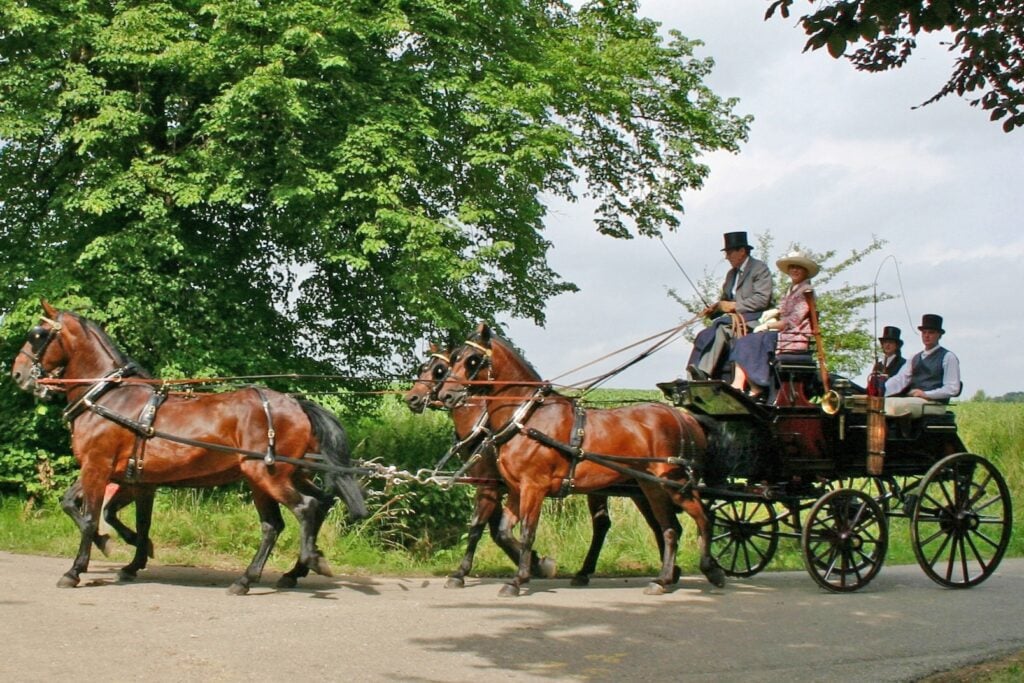
Britain’s Cleveland Bay horse survives largely through a handful of female lines that escaped disappearance during agricultural mechanization. Many stallions exist, but the maternal foundation remains alarmingly thin. Each breeding season raises the stakes as older mares retire without clear replacements.
This creates pressure that careful planning cannot fully offset. Mitochondrial diversity cannot be recreated once lost. Breeders face the reality that preserving identity now conflicts with preserving resilience, and every foal born quietly reshapes the future pool.
3. Marwari horses were divided by modern borders.

Once shaped by desert warfare and royal patronage, the Marwari horse became fragmented after Indian independence. Regional isolation limited movement between breeding populations, leaving clusters of closely related horses across Rajasthan. Exchange slowed, then stopped entirely in some areas.
Over time, separation hardened into genetic sameness. Traits that once varied between regions began repeating. Efforts to reconnect breeding networks face logistical and cultural challenges. The breed still exists widely, but its internal diversity has narrowed in ways that are difficult to reverse.
4. Sorraia horses reflect survival built from scarcity.
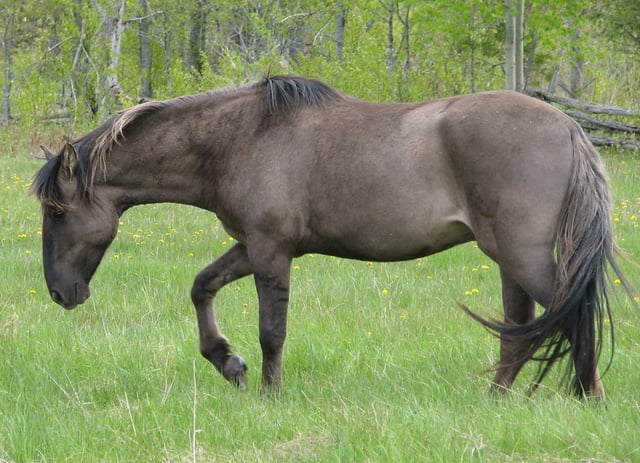
The Sorraia horse was reconstructed in Portugal from an extremely small remnant population during the twentieth century. That rescue prevented extinction but locked the breed into a narrow genetic corridor. Uniformity now defines much of the population.
Breeding programs emphasize preservation over expansion, yet biological limits remain. Fertility challenges and sensitivity to illness surface more often than expected. The breed survives through vigilance, but the genetic space available for adaptation is tightly confined.
5. Akhal Teke bloodlines trace back to selective favoritism.
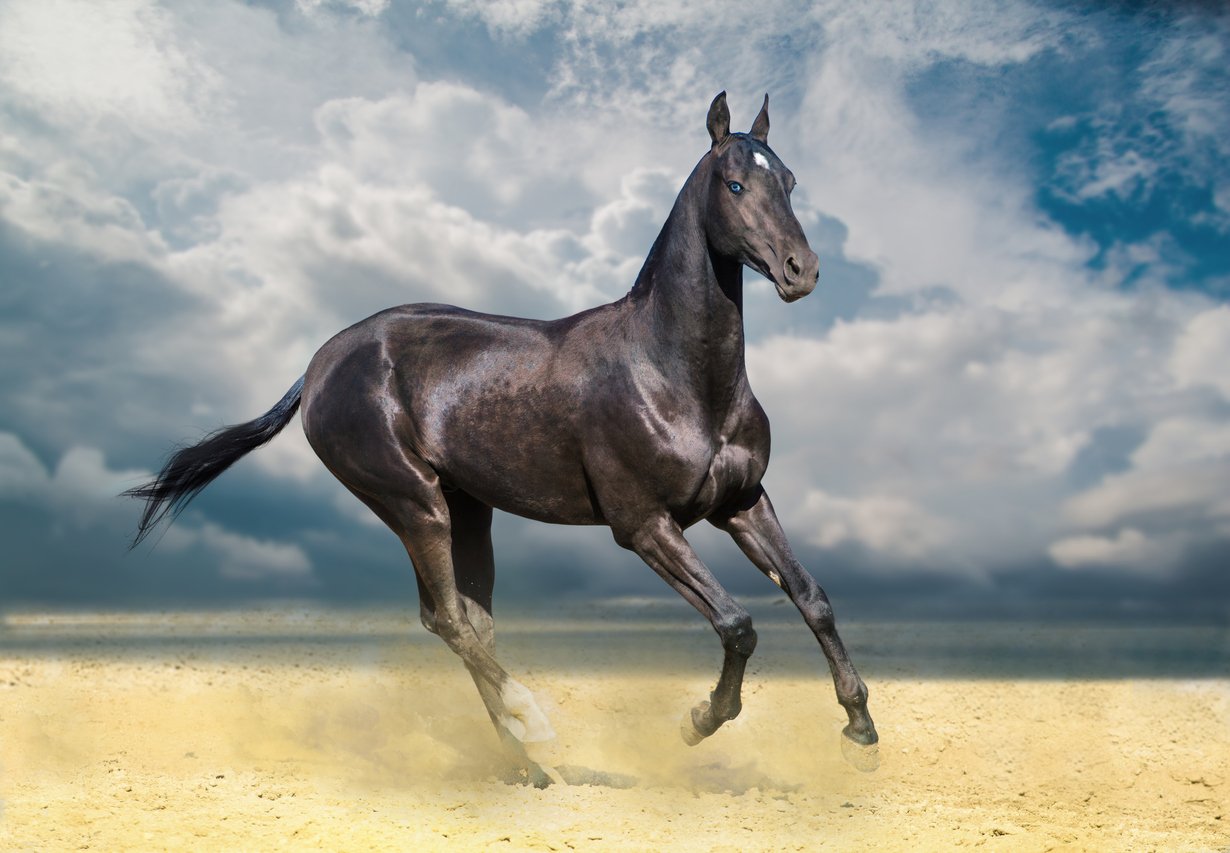
During the Soviet era, Akhal Teke breeding centered on a small number of celebrated stallions. Performance and prestige guided decisions, narrowing diversity while maintaining outward vitality. The result was a population that looked strong but quietly lost variation.
As global interest grows, those same lines dominate international breeding. Rare alternatives struggle to persist. The breed’s elegance remains unmistakable, but its genetic options have become increasingly repetitive across continents.
6. Caspian horses were rebuilt through convenience.
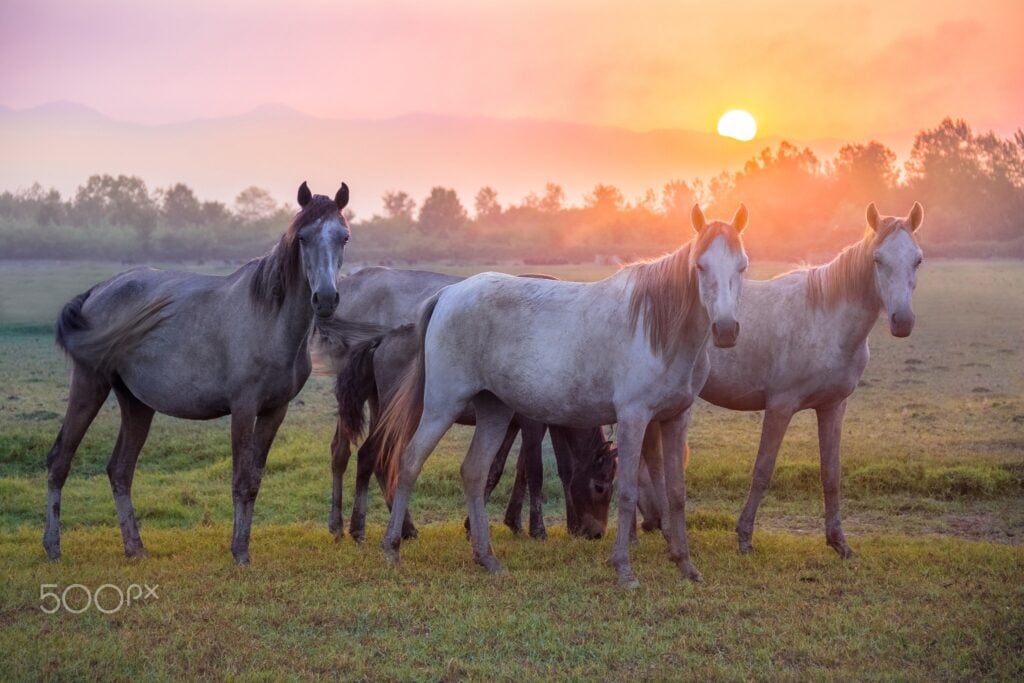
After rediscovery in northern Iran, Caspian horses entered conservation through rapid export and limited founder choices. Early breeding emphasized availability rather than genetic breadth. That decision still shapes populations worldwide.
Many modern Caspians share close ancestry despite being geographically dispersed. The illusion of global security masks a shared constraint. Breeders now recognize the challenge, but expanding diversity without compromising authenticity remains unresolved.
7. Eriskay ponies were shaped by island isolation.
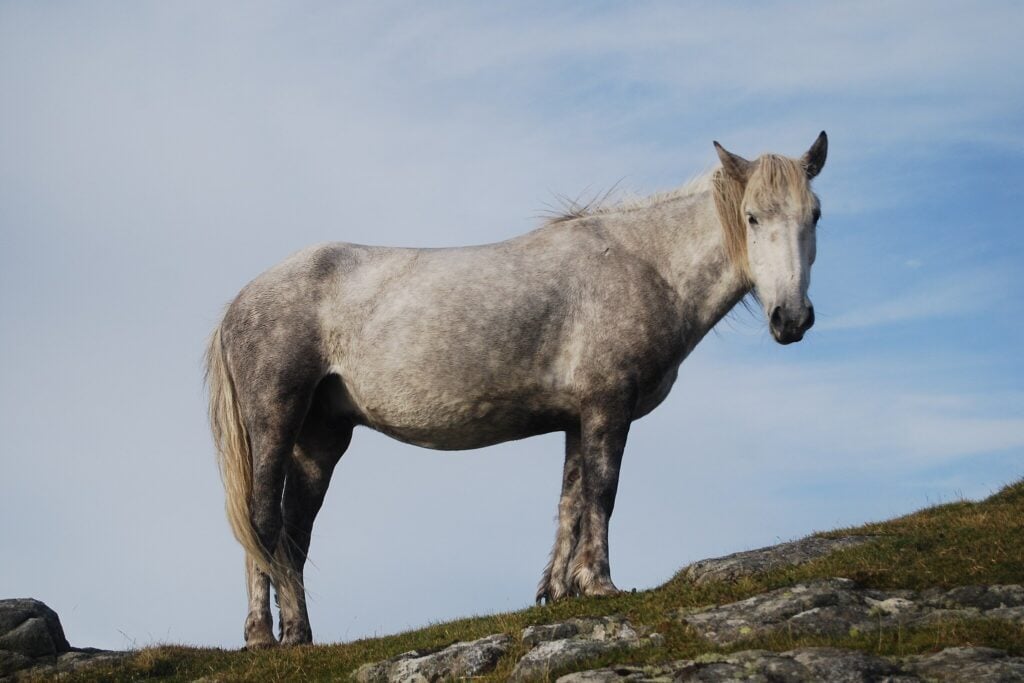
Confined to the Scottish islands, Eriskay ponies experienced long periods of unmanaged breeding. Economic decline reduced numbers before conservation efforts began. By the time protection arrived, inbreeding patterns were already embedded.
Modern programs work carefully to avoid further loss, yet the starting point remains narrow. The ponies endure harsh environments well, but their genetic foundation reflects generations of limited choice rather than intentional balance.
8. Knabstruppers were rebuilt around visual identity.
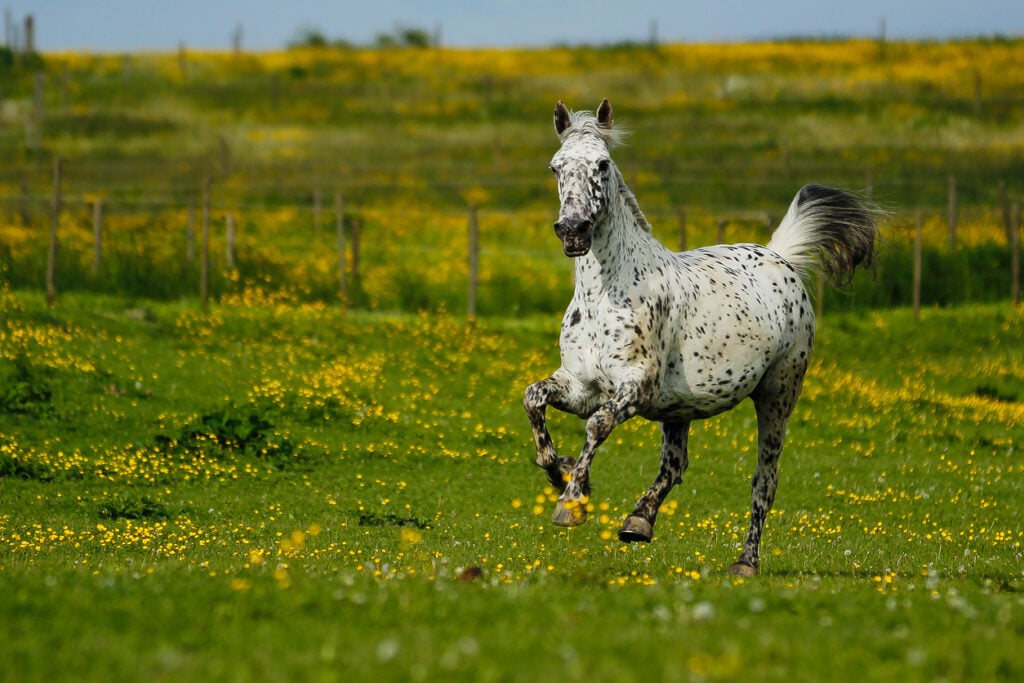
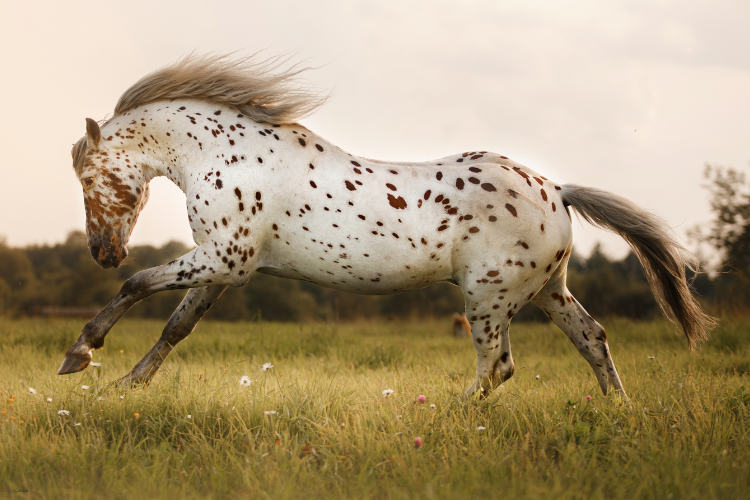
After near extinction during wartime Europe, Knabstrupper horses were reconstructed from very few spotted individuals. Coat pattern became the anchor for revival, unintentionally sidelining genetic diversity.
As breeding focused on appearance, underlying variation contracted. Health issues occasionally surface that trace back to concentrated ancestry. The breed regained visibility, but its rebuilding favored recognition over resilience.
9. Skyros horses remain confined by geography.
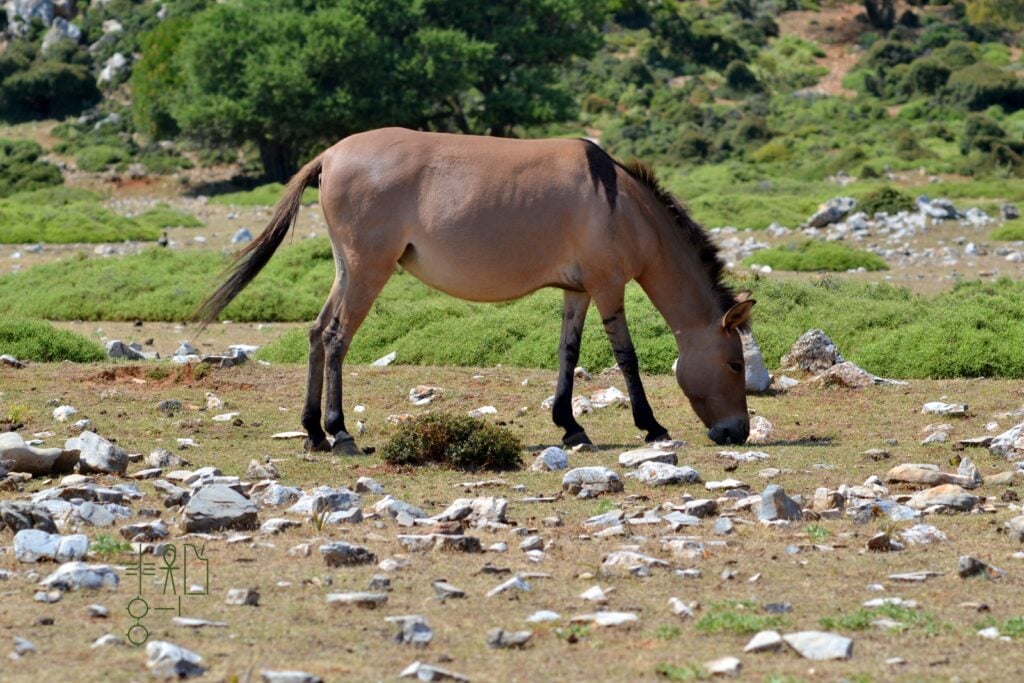
The Skyros horse exists almost entirely on a small Greek island. Limited land and unmanaged pairings shaped generations long before registries existed. Close relationships became unavoidable rather than accidental.
Conservation efforts now face a population that cannot expand outward. Every breeding choice circles back on itself. The horses survive through care and protection, yet genetic flexibility remains tightly constrained by location alone.
10. Noma horses persist through cultural preservation.
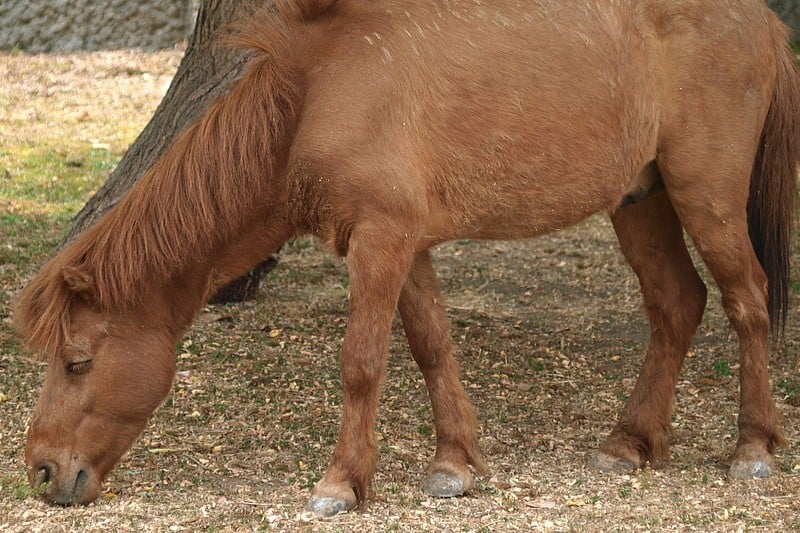
Japan’s Noma horses survived not through growth, but through reverence. Small ceremonial herds continued while genetic exchange remained minimal. Protection ensured existence, but not diversity.
Over generations, uniformity deepened. Breeders now balance tradition with biological reality. The horses remain culturally significant, yet their future depends on decisions that challenge long standing practices rather than celebrate them unquestioned.