
Ancient genomes are forcing scientists to rethink origins.
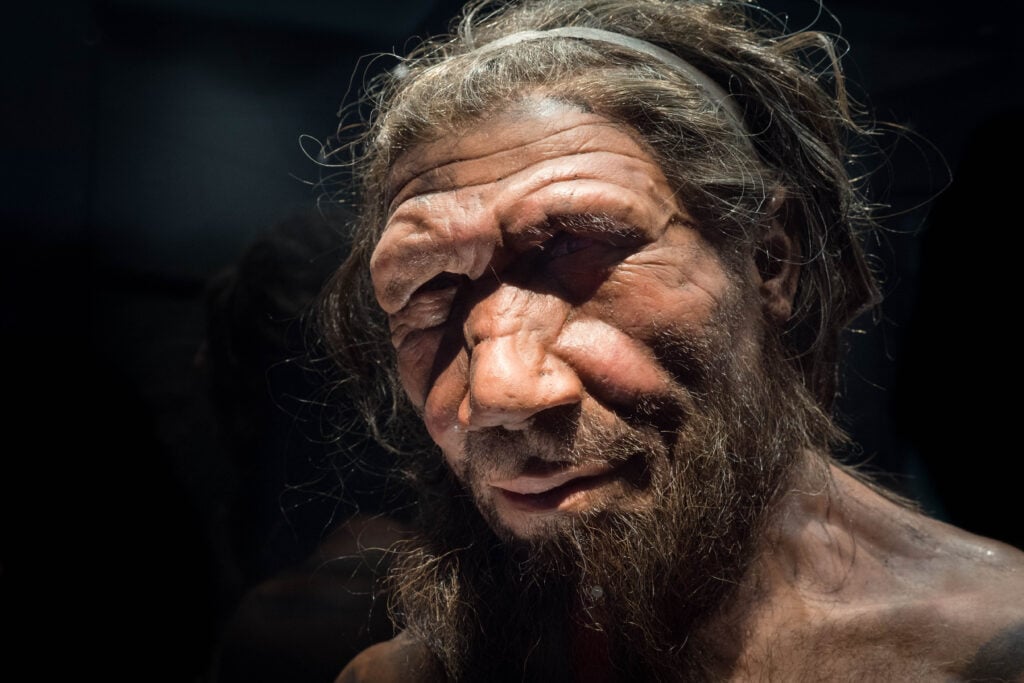
Fragments of ancient DNA have been pulled from bones tens of thousands of years old, but something about this latest sequencing unsettled researchers. It did not arrive from a new cave or a dramatic fossil discovery. Instead, it emerged from improved techniques applied to remains already studied. The results introduced inconsistencies, timelines that no longer aligned, and genetic signals that refused to stay neatly separated. Who modern humans are, where we came from, and how isolated our ancestors truly were now feels less certain than it did just months ago.
1. Scientists finally sequenced complete Neanderthal nuclear genomes.
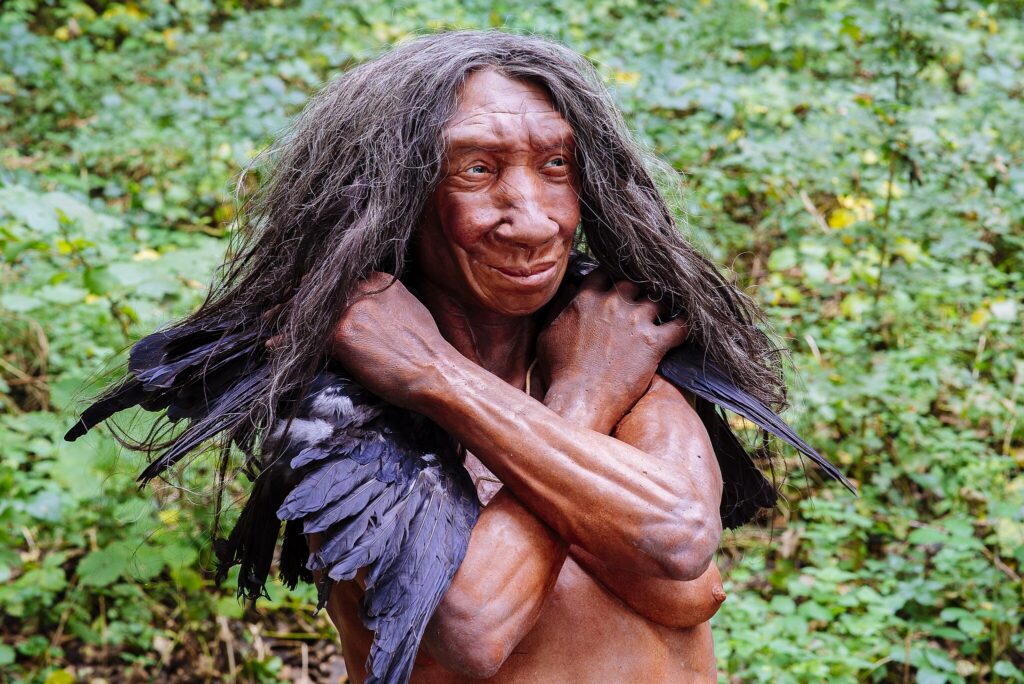
For decades, Neanderthal genetics existed as fragments, partial reads that hinted at relationships without fully revealing them. That limitation shaped how human evolution was explained, tidy and linear. The newest sequencing effort disrupted that calm, because entire nuclear genomes suddenly exposed patterns no one expected to see at this scale.
Using remains from Vindija Cave in Croatia and the Altai Mountains in Siberia, researchers reconstructed high coverage genomes with unprecedented accuracy. According to Nature, these sequences revealed population bottlenecks, regional isolation, and surprising genetic diversity among Neanderthals. The data showed they were neither uniform nor stagnant, forcing scientists to reconsider long held assumptions about their decline and their contact with Homo sapiens.
2. Unexpected interbreeding timelines no longer match prior models.
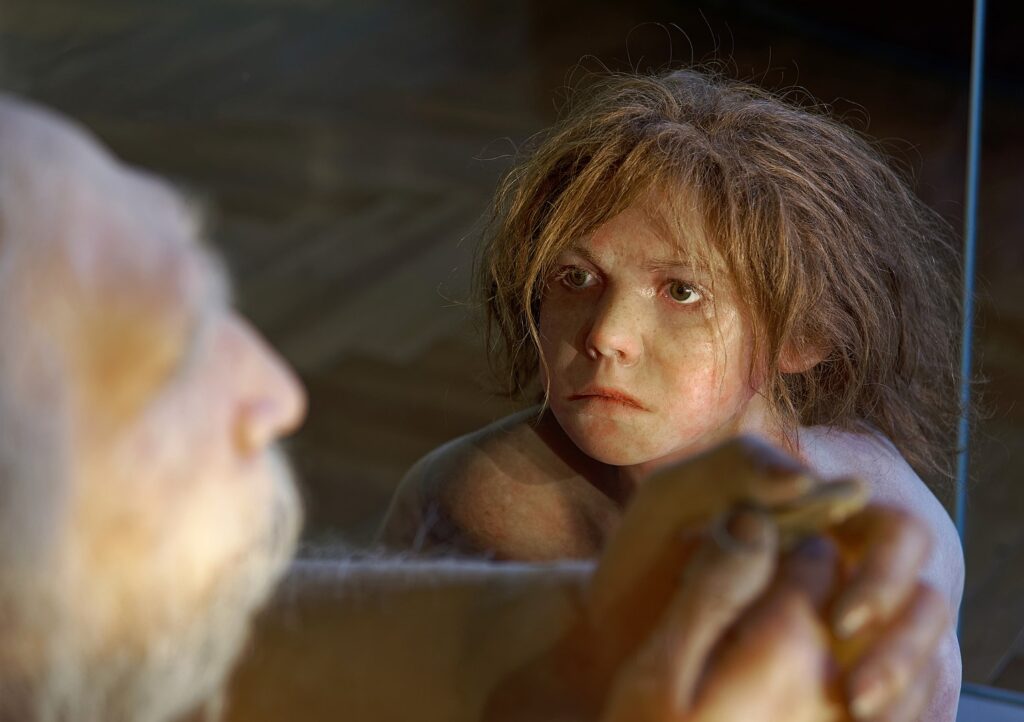
Older genetic models suggested brief, limited contact between Neanderthals and early modern humans. Those encounters were thought to be rare and geographically constrained. The new DNA evidence complicated that narrative, introducing overlapping timelines that challenge when and where these populations actually met.
By comparing newly sequenced genomes with early Homo sapiens DNA, researchers found signs of repeated gene flow across thousands of years. As reported by Science, some Neanderthal groups received genetic material from modern humans earlier than previously believed, while others contributed DNA much later. This back and forth exchange blurs species boundaries and raises uncomfortable questions about how evolution textbooks have simplified a far messier reality.
3. Genetic diversity among Neanderthals proved far higher than assumed.
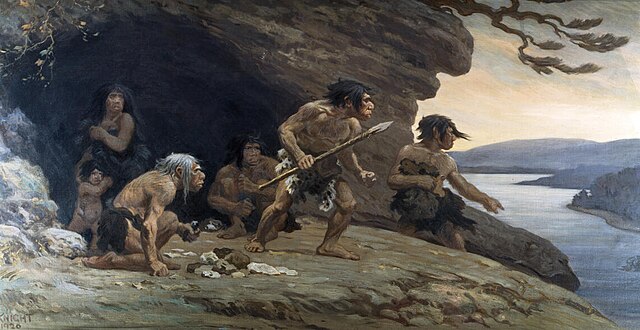
Neanderthals were long portrayed as a small, genetically fragile population slowly fading toward extinction. That idea rested on limited samples. The expanded genomic record now paints a different picture, one that suggests resilience alongside vulnerability.
Analysis of the new sequences revealed regional variation comparable to that seen in early modern humans. According to the Max Planck Institute for Evolutionary Anthropology, Neanderthals living in western Europe differed genetically from eastern populations more than expected. This diversity implies long term regional stability rather than a single doomed lineage. It also complicates explanations that rely solely on genetic weakness to explain their disappearance.
4. Ancient population crashes left visible scars in the DNA.
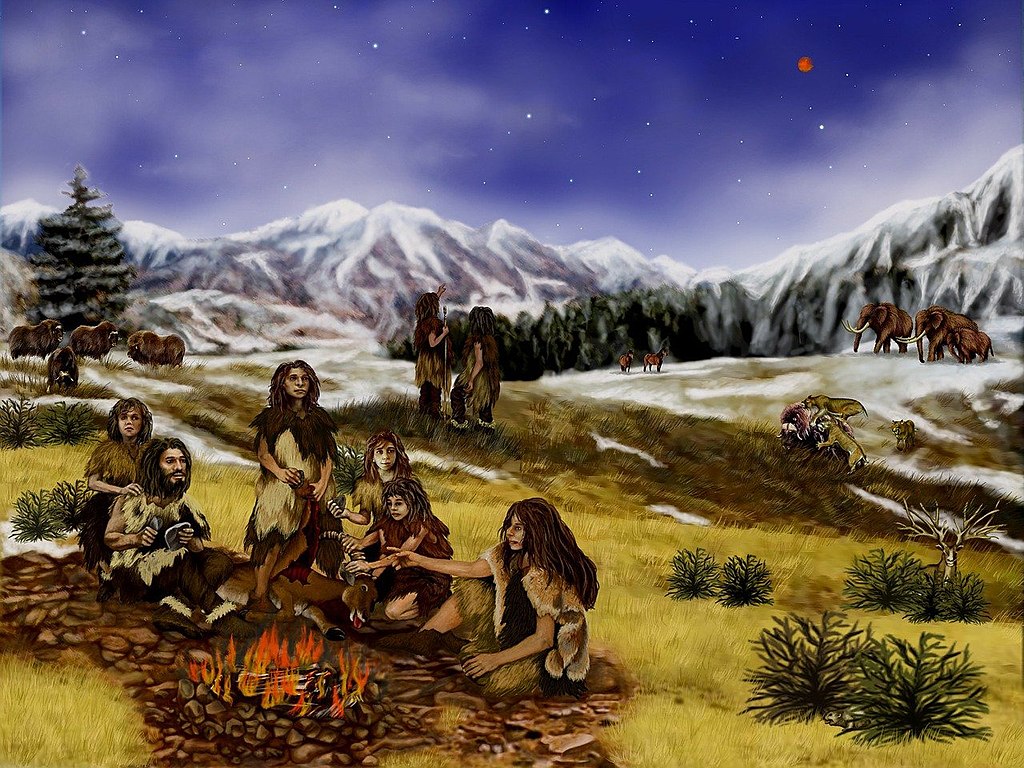
The new genomes did not only reveal diversity, they also exposed moments of severe stress. Long stretches of identical genetic material point to population crashes that nearly erased entire groups. These bottlenecks appear repeatedly across Neanderthal history.
Such events likely followed climate swings, habitat loss, or competition for resources. Yet the DNA suggests recovery occurred more than once. Neanderthals rebounded, adapted, and spread again after dramatic declines. This pattern undermines the idea of a slow, inevitable fade out and instead hints at repeated survival against difficult odds.
5. Modern humans carry more Neanderthal legacy than realized.

It has been known for years that many people outside Africa carry Neanderthal DNA. What changed is how that DNA is interpreted. The new sequences allowed researchers to trace specific traits to particular Neanderthal populations rather than treating all introgression as equal.
Some inherited genes appear linked to immune response, metabolism, and skin adaptation to colder climates. Others may influence neurological development. The clearer mapping suggests Neanderthal contributions were not accidental leftovers, but traits that offered advantages. Their genetic legacy looks less like noise and more like a meaningful part of human adaptation.
6. Eastern Neanderthals followed a different evolutionary path.
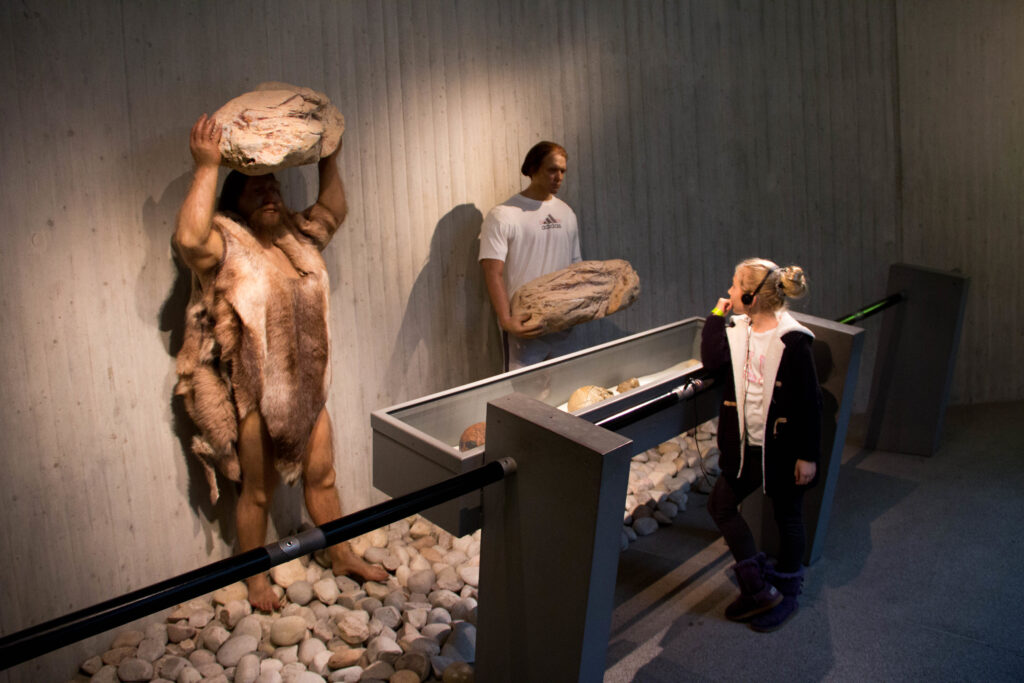
The genomes from Siberia revealed a lineage that diverged earlier and evolved separately for longer than western groups. This separation created genetic signatures unlike those seen in Europe. It also indicates limited contact between eastern and western Neanderthals themselves.
These findings imply Neanderthals were not a single cohesive population. Instead, they were structured, regional, and sometimes isolated. Such fragmentation could explain why some groups vanished earlier while others persisted. It also mirrors patterns seen in modern human populations, further narrowing the perceived gap between the two species.
7. Climate instability shaped genetic survival more than competition.

For years, Neanderthal extinction was framed as a failure to compete with Homo sapiens. The new DNA suggests climate may have played a larger role. Periods of extreme cold align closely with genetic bottlenecks in the sequences.
These environmental pressures would have reduced prey, fragmented habitats, and isolated small groups. While competition mattered, the genomes show Neanderthals were already under strain before widespread contact with modern humans. Their disappearance now appears driven by overlapping pressures rather than a single decisive replacement event.
8. Migration patterns were far more complex than assumed.
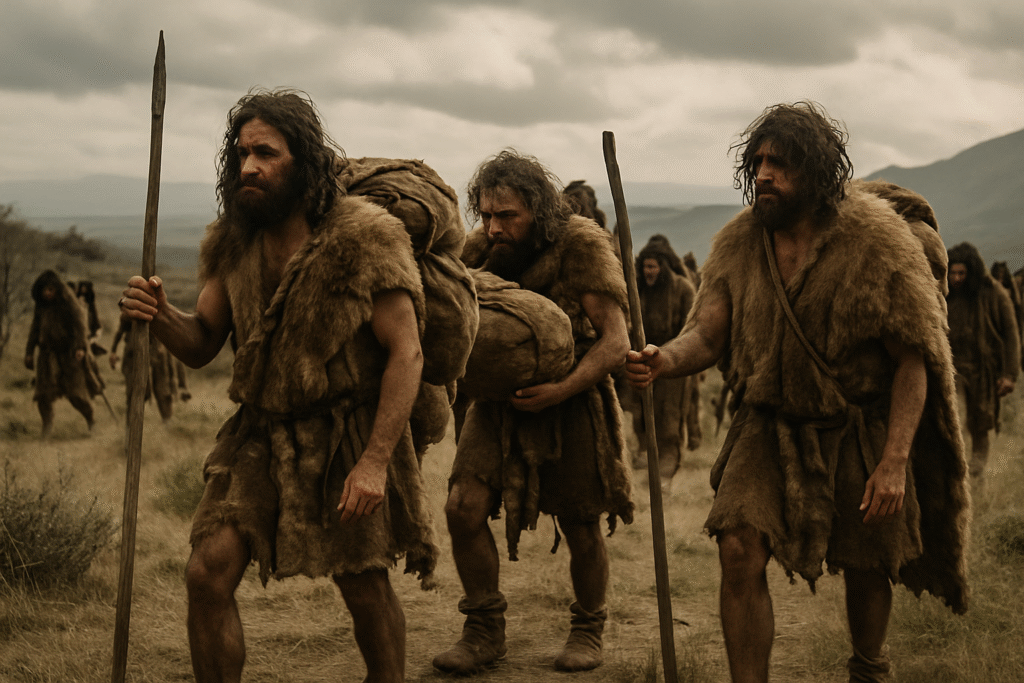
The sequencing revealed movement across Eurasia that contradicts earlier models. Genetic similarities appear between groups separated by thousands of miles, suggesting episodic migration rather than permanent settlement.
These movements likely followed shifting ecosystems and animal herds. The DNA preserves traces of these journeys, even when archaeological evidence is sparse. Such mobility challenges the idea of Neanderthals as static cave dwellers and instead presents them as adaptable travelers responding dynamically to changing environments.
9. Neanderthal social structures may have been smaller and tighter.
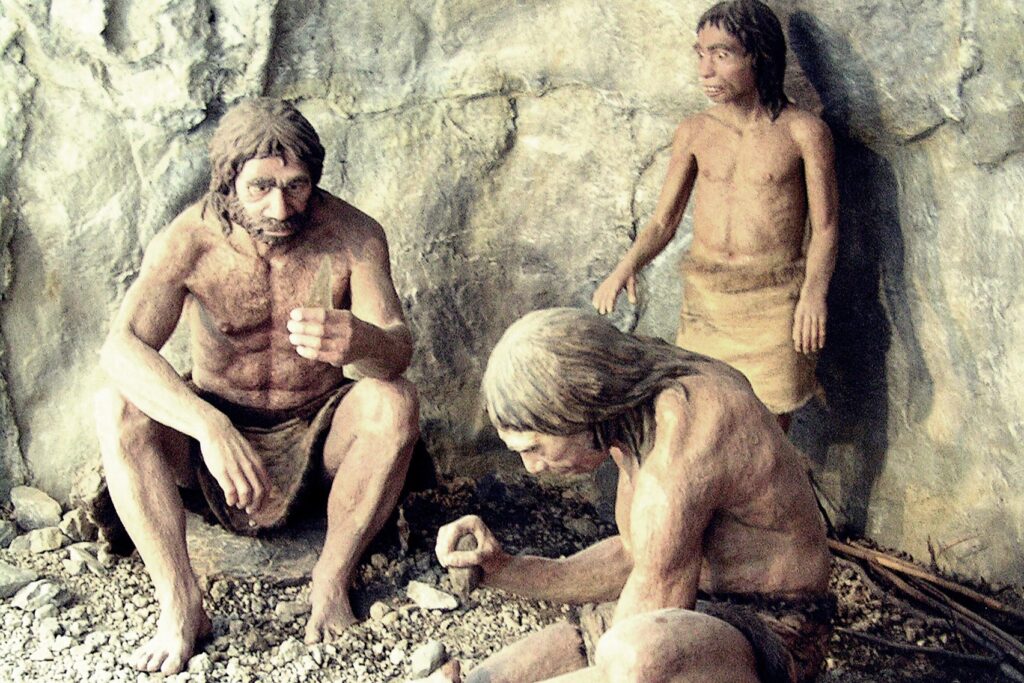
Long runs of shared DNA indicate close kin relationships within groups. This suggests Neanderthal communities were small, with frequent interbreeding among relatives. While that increased vulnerability, it may also have strengthened social cohesion.
These intimate structures could explain both their resilience and their fragility. Tight groups survive well in stable conditions but suffer greatly when disrupted. The genomes capture this tension, showing survival through cooperation alongside genetic risks that accumulated over generations.
10. Human evolution now looks less like replacement, more like entanglement.
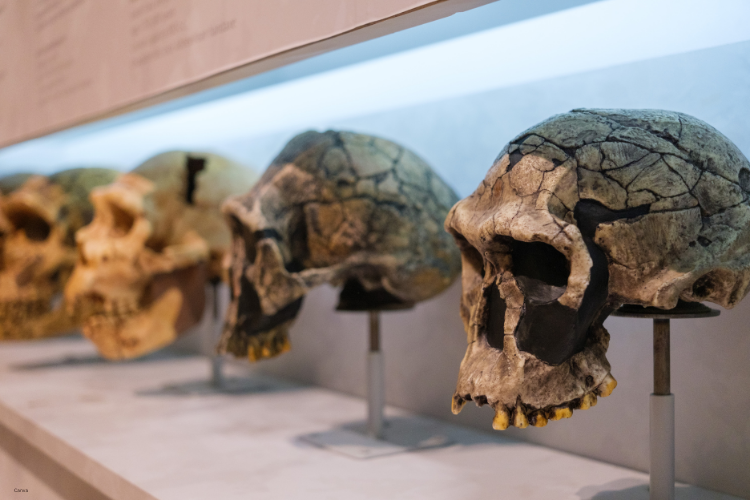
Taken together, the new sequences dissolve clean boundaries between species. Neanderthals were not simply replaced, nor were they evolutionary dead ends. Their DNA persists, their adaptations live on, and their history intertwines with ours at multiple points.
The emerging picture is not a straight line but a braided one, shaped by movement, mixing, separation, and survival. As more ancient genomes are decoded, the story of humanity continues to shift, reminding researchers that origins are rarely simple and never singular.