
The feeds that shaped adulthood are losing grip.
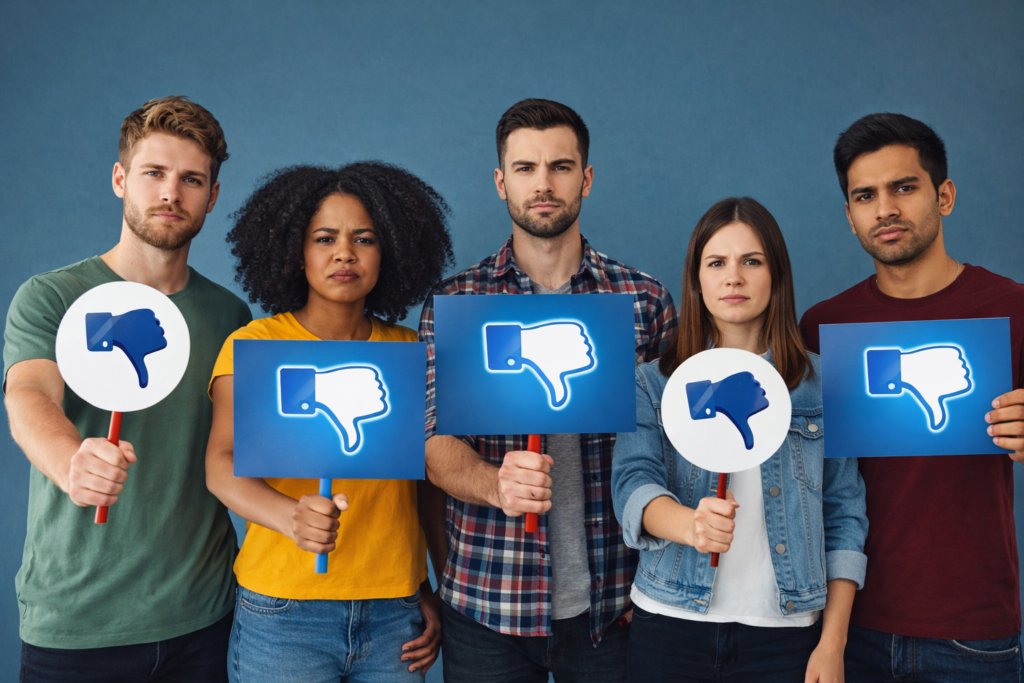
For more than a decade, social media framed how millennials dated, protested, worked, and stayed connected. Now usage is slipping in ways that surprise the companies built on their attention. Accounts remain open, but activity fades. What looks like boredom masks deeper fractures tied to aging, trust, and changing priorities. This shift is happening unevenly across cities, careers, and life stages. The platforms have not vanished, yet something essential is breaking, and no one agrees what replaces it.
1. Algorithms began reshaping identity instead of reflecting it.

For years, platforms promised connection, then slowly rewrote what users saw. Feeds shifted from friends to optimized content, nudging behavior rather than mirroring it. Many millennials sensed a loss of control over how they were represented and perceived. Identity started feeling managed, not expressed, creating discomfort that lingered.
Algorithmic curation rewarded extremes and visibility over authenticity. Posts that once felt personal now felt performative. Millennials who grew up alongside these platforms noticed the change acutely. The tools that once amplified voices began flattening them, raising doubts about whether participation still felt voluntary or quietly coerced by unseen systems shaping attention daily.
2. Life milestones changed what online validation meant.

As millennials entered their thirties and forties, priorities shifted toward stability, privacy, and long term goals. Online validation that once felt exciting began to feel hollow or intrusive. Announcements about careers, relationships, and children carried heavier consequences than carefree posts of earlier years.
With more at stake, sharing became complicated. Comments could affect professional standing or family dynamics. The cost of misinterpretation rose. Many users responded by posting less or leaving entirely, choosing smaller circles over broadcast spaces where context collapses and permanence replaces the casual ephemerality that defined early social networking experiences.
3. Platform cultures stopped aging alongside their users.

Social media spaces often froze culturally, chasing younger demographics while longtime users matured. Memes, trends, and norms began catering to audiences with different references and tolerances. Millennials increasingly felt out of place in environments they once shaped.
This mismatch created quiet exits. Rather than complain, users disengaged. The sense of belonging eroded as platforms prioritized growth over continuity. What felt like home became unfamiliar, not hostile but unwelcoming. For a generation sensitive to authenticity, staying where one no longer recognizes oneself felt unnecessary, even counterproductive to personal well being and identity maintenance.
4. Misinformation eroded trust built over early years.

During political and public health crises, many millennials watched platforms struggle to manage false information. Conflicting claims spread faster than corrections, testing confidence in spaces once trusted for news and connection. The confusion felt personal, not abstract.
Repeated exposure bred fatigue and skepticism. Users questioned not just content but the motives behind its amplification. Trust once granted automatically now required effort platforms failed to earn. For millennials balancing families and careers, the cognitive load of constant verification outweighed perceived benefits, encouraging withdrawal rather than continued engagement in unreliable digital public squares.
5. Mental health costs became harder to ignore.

Early warnings about social media effects were easy to dismiss in youth. Over time, patterns emerged. Anxiety, comparison, and burnout accumulated alongside constant connectivity. Millennials began recognizing correlations between heavy use and declining well being.
Therapists, employers, and peers reinforced these observations. Stepping back became an act of self preservation rather than rebellion. Unlike younger users experimenting with boundaries, millennials felt urgency. With responsibilities mounting, tolerating environments that exacerbated stress felt irresponsible. Leaving or limiting use became a practical response to cumulative psychological strain rather than a dramatic statement.
6. Work blurred into feeds that never rested.

For many millennials, social media became inseparable from work. Networking, branding, and visibility demanded constant presence. The boundary between professional and personal eroded, turning leisure spaces into extensions of labor.
This convergence exhausted users. Logging on meant potential obligation rather than escape. Messages carried career implications. Over time, avoidance became easier than managing perpetual availability. By stepping away, millennials reclaimed mental separation essential for recovery. The platforms did not force departure outright, but their integration into work life made absence feel like relief rather than loss.
7. Parenting reframed concerns about digital footprints.
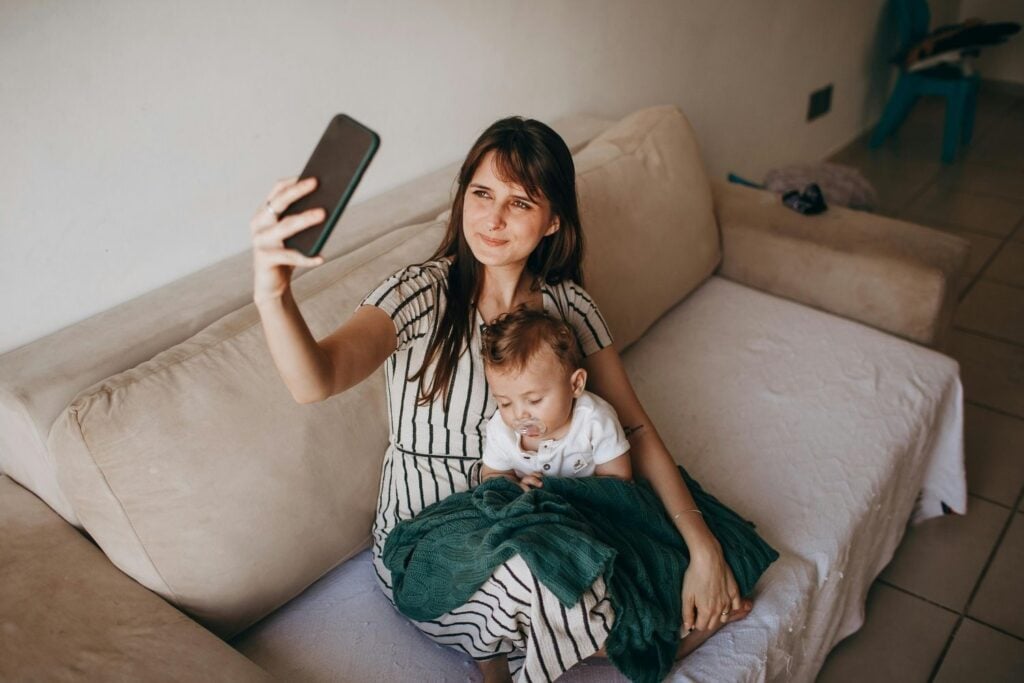
Millennial parents confronted new questions about privacy and permanence. Posting no longer affected only themselves. Images, opinions, and histories could shape their children’s futures without consent. This awareness shifted behavior quickly.
Many reduced sharing or abandoned platforms entirely. The risk of misinterpretation or misuse outweighed social benefits. Parenting amplified long term thinking, making ephemeral validation seem trivial against permanent records. For this cohort, protecting family boundaries mattered more than maintaining online presence, prompting quiet exits motivated by caution rather than disengagement.
8. Platform economics clashed with user expectations.

As companies pursued profitability, user experience shifted. Ads multiplied, subscriptions emerged, and data practices grew opaque. Millennials noticed these changes sharply, remembering earlier promises of openness and community.
Feeling commodified altered relationships with platforms. Participation began to resemble unpaid labor feeding advertising systems. Transparency gaps fueled resentment. While younger users entered with different expectations, millennials felt a contract had been broken. Leaving became a way to withdraw consent from systems perceived as prioritizing extraction over mutual value.
9. Smaller digital spaces offered deeper connection.

Private group chats, niche forums, and encrypted messaging gained appeal. These spaces offered control, context, and intimacy absent from mass platforms. Millennials gravitated toward environments mirroring offline relationships.
The shift was not anti technology but selective. Users sought fewer voices with stronger ties. This migration diluted time spent on large networks. The appeal lay in relevance rather than reach. As attention consolidated elsewhere, mainstream platforms felt increasingly redundant, accelerating disengagement without dramatic announcements or coordinated movements.
10. Time itself became the most guarded resource.

With careers, caregiving, and aging parents competing for attention, millennials reassessed how time was spent. Endless scrolling offered diminishing returns. Opportunity cost became clearer with age.
Leaving platforms freed hours previously fragmented by notifications. The benefit felt immediate. While accounts often remained, habitual checking faded. This quiet reprioritization marked a turning point. Social media did not fail outright, but it lost its claim on daily life as millennials chose intentional presence over constant connection in an economy where attention remains the scarcest currency.