
The pedigree papers leave something out.
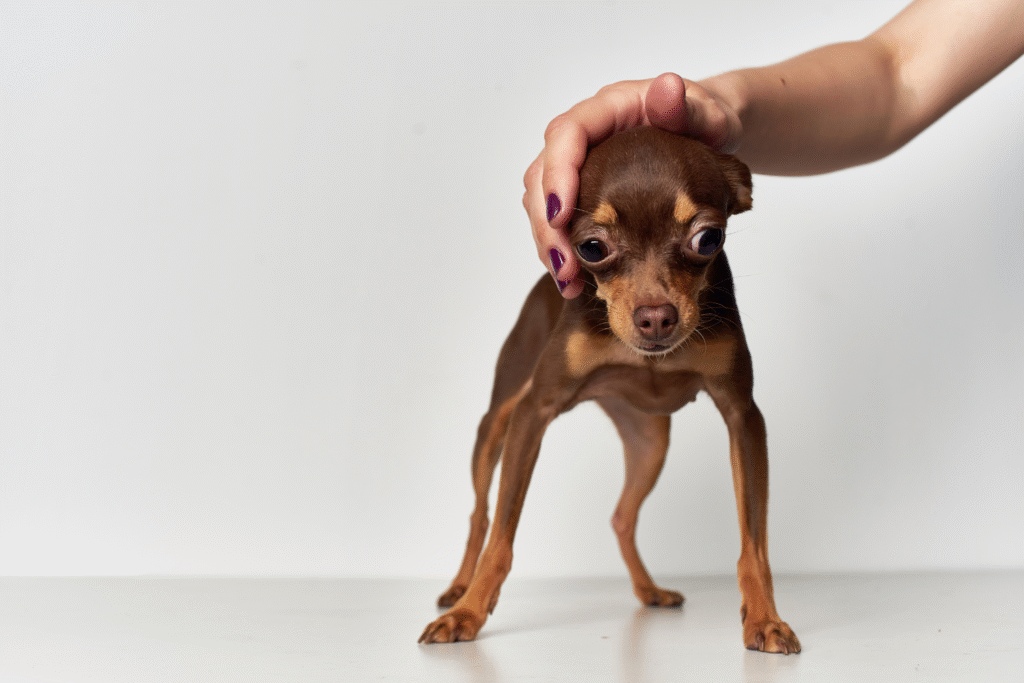
For generations, breed histories were told as tidy origin stories. A noble hunter needed a faster hound. A shepherd refined a working partner. But modern DNA analysis is peeling back those romantic versions. Genetic bottlenecks, extreme inbreeding, and deliberate physical exaggerations show up clearly in the data. What looks elegant in a show ring often traces back to selective decisions made under very different standards. The science does not accuse. It reveals.
1. Closed stud books locked genes tightly.

In the late nineteenth century, kennel clubs in Britain and later the United States began formalizing breed standards and closing stud books. Once closed, only registered dogs within that breed could reproduce officially. DNA studies now show that many popular breeds lost significant genetic diversity within just a few generations after closure.
When small founding populations were repeatedly bred among themselves, harmful mutations accumulated. Modern genomic sequencing demonstrates that breeds such as the Cavalier King Charles Spaniel and Doberman Pinscher carry elevated inherited disease risk linked to those historic breeding restrictions.
2. Bulldogs were reshaped beyond function.

The English Bulldog was originally bred in medieval England for bull baiting, a violent blood sport outlawed in 1835. After the sport ended, breeders selected for exaggerated facial structure and compact bodies to maintain a distinctive look.
Genomic comparisons reveal dramatic divergence from ancestral mastiff type dogs. Today many Bulldogs suffer from brachycephalic airway syndrome, hip dysplasia, and reproductive difficulties. DNA evidence shows how rapid selection for extreme skull shape narrowed genetic variation within the breed.
3. German Shepherds were refined for extremes.
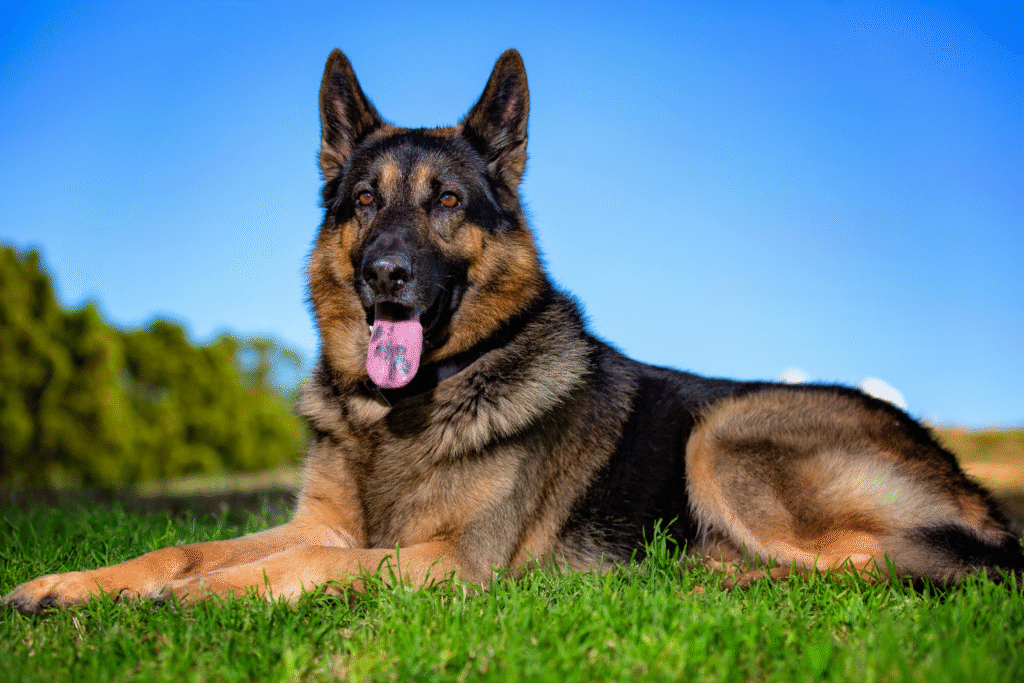
Developed in Germany in the late nineteenth century by Captain Max von Stephanitz, the German Shepherd was intended as a versatile herding and working dog. Over time, show line breeding emphasized sloped backs and specific gait aesthetics.
Genetic data reveals separation between working lines and show lines, with some populations displaying increased prevalence of degenerative myelopathy and hip dysplasia. The divergence traces back to selective breeding decisions prioritizing appearance over structural durability in certain bloodlines.
4. Pugs inherited severe facial compression.

Originating in China and refined in Europe, Pugs were bred for shortened muzzles and large round eyes. Modern DNA research confirms that extreme brachycephaly arose through intense selective pressure in relatively small breeding pools.
The result includes narrowed airways and increased ocular injury risk. Genetic studies show reduced diversity around skull development genes, indicating how tightly controlled breeding amplified specific traits at the cost of broader health resilience.
5. Cavalier Spaniels show inherited heart disease.

Cavalier King Charles Spaniels were revived in the early twentieth century to resemble earlier toy spaniels depicted in European art. The breed was reconstructed from limited foundation dogs.
DNA analysis now links high rates of mitral valve disease to inherited mutations spread widely within the breed. Restricted gene pools and strong selection for appearance contributed to the concentration of cardiac vulnerabilities.
6. Dalmatians carry fixed uric acid mutation.

Most Dalmatians share a mutation affecting uric acid metabolism, leading to higher risk of urinary stones. Genetic tracing reveals that this mutation became fixed due to repeated inbreeding within a narrow lineage.
Attempts to reintroduce genetic diversity through outcrossing were initially rejected by registry standards. The case illustrates how strict pedigree enforcement historically prioritized purity over genetic health.
7. Shar Pei wrinkling intensified health risks.

The Shar Pei was nearly extinct in the mid twentieth century and later rebuilt from a small number of surviving dogs. Breeders favored exaggerated skin folds to meet aesthetic expectations.
Genomic studies identify duplication of genes associated with excessive skin production. This mutation correlates with Shar Pei fever and chronic inflammation disorders. The dramatic wrinkling reflects deliberate selection amplified through a limited genetic base.
8. Dobermans narrowed immune diversity rapidly.

Developed in Germany in the late 1800s, Dobermans were created through crosses of several breeds for protection work. Once standardized, selective breeding reduced genetic variability quickly.
Modern DNA profiling shows reduced diversity in immune related gene regions. This narrowing correlates with higher prevalence of dilated cardiomyopathy in certain populations. The shift is measurable in genomic patterns tied to breed consolidation.
9. Great Danes grew beyond skeletal limits.

Originally bred from mastiff type dogs in Europe for boar hunting, Great Danes were selectively enlarged for impressive stature. Over generations, size became a defining trait.
Genetic data indicates rapid growth rate genes were emphasized within relatively small breeding pools. The consequence includes higher risk of osteosarcoma and joint disorders. The impressive height reflects human preference encoded tightly into DNA.
10. Many toy breeds stem from miniaturization pressure.
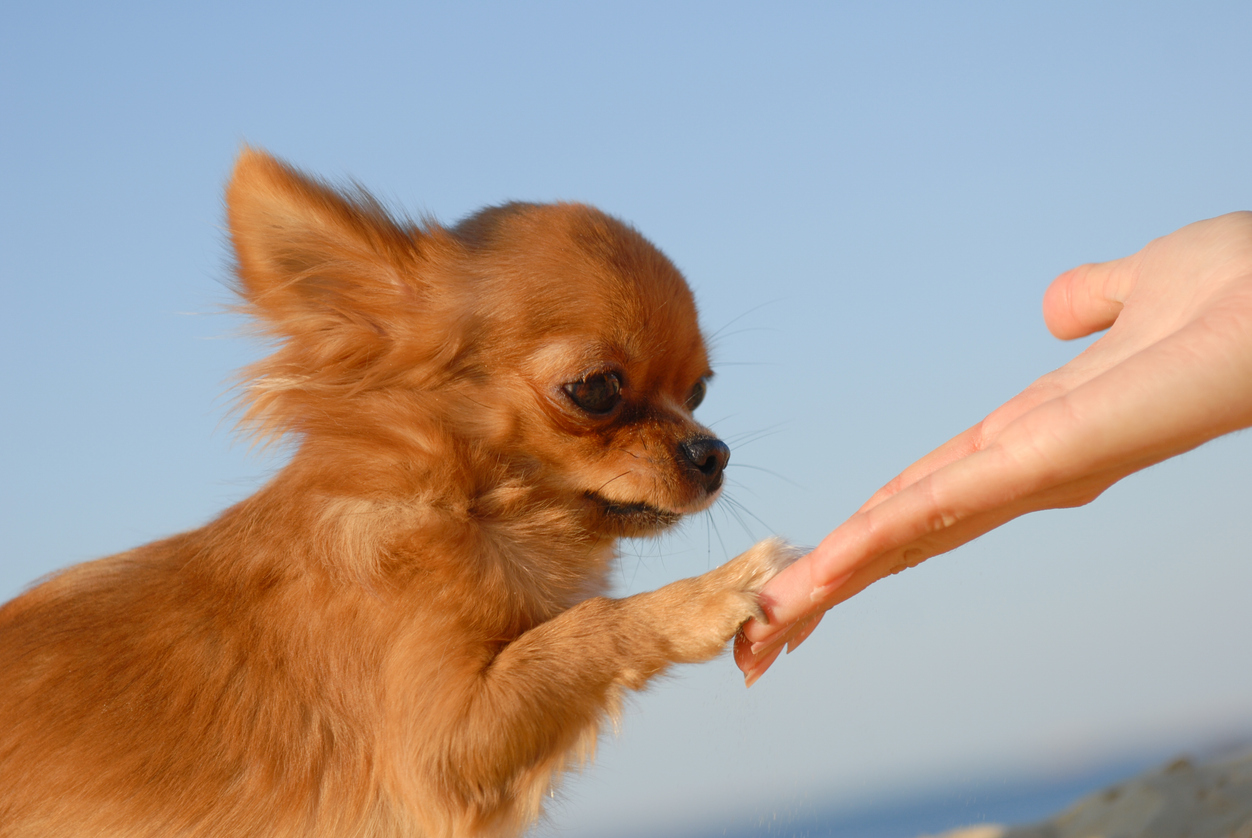
Across Europe and Asia, miniaturization became fashionable among companion breeds in the eighteenth and nineteenth centuries. Dogs such as the Chihuahua and Yorkshire Terrier were bred for increasingly small size.
Genomic research reveals strong selection in growth hormone pathways. Shrinking body size often involved repeated inbreeding to maintain diminutive traits. The resulting dogs carry heightened risk of dental crowding, fragile bones, and metabolic sensitivity linked to those historical breeding decisions.