
It is rarely random.
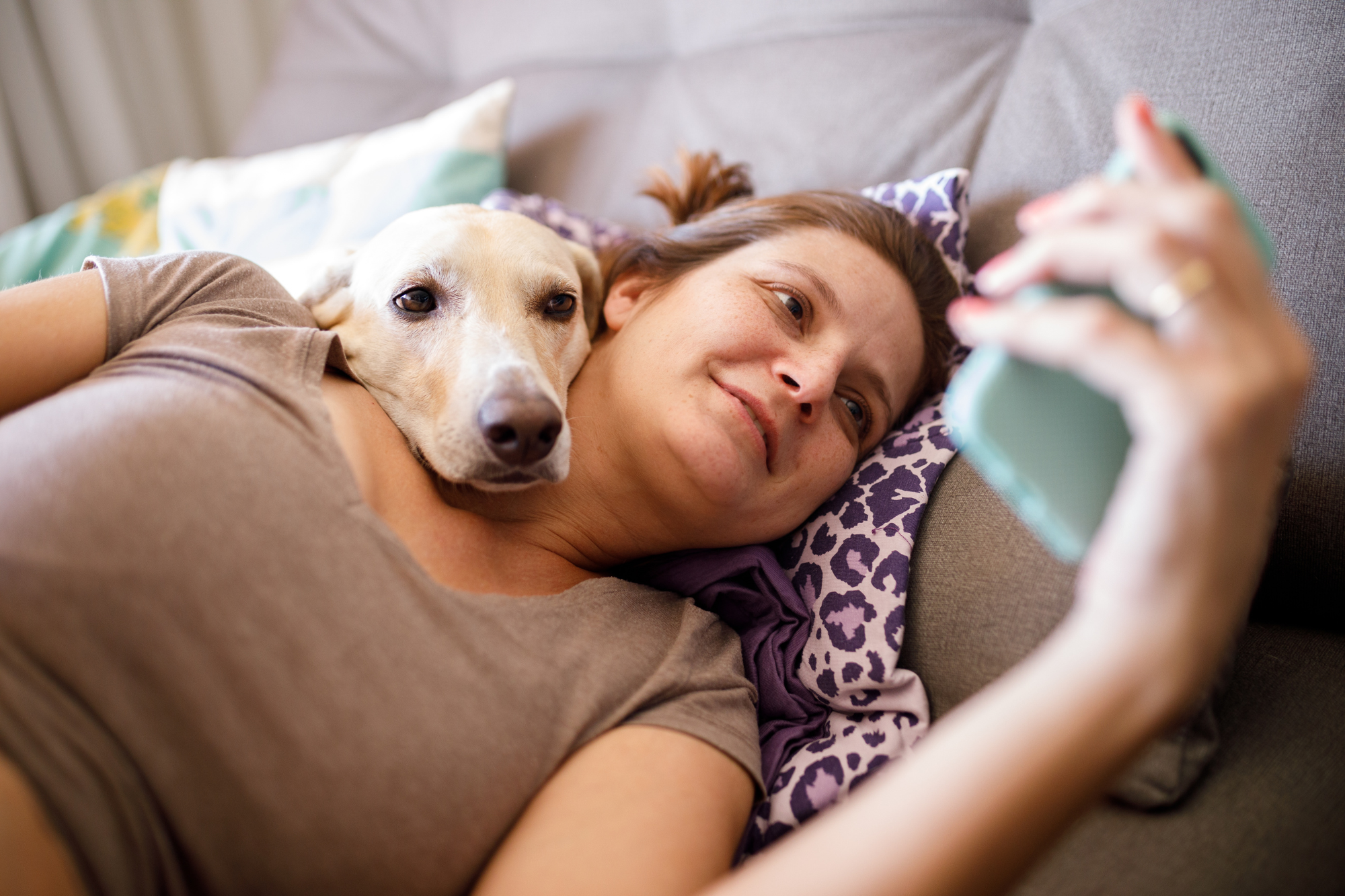
n a busy household, one pair of footsteps always has an audience. One voice triggers instant attention. One person cannot cross a room without a shadow trailing behind. It looks sweet, sometimes obsessive, sometimes unfair to everyone else. Families joke about favorites. But the behavior often runs deeper than preference. Bonding, scent, timing, early experiences, and subtle reinforcement all shape who becomes the chosen human, and why the dog seems uninterested in anyone else.
1. Early bonding shapes lifelong attachment patterns.
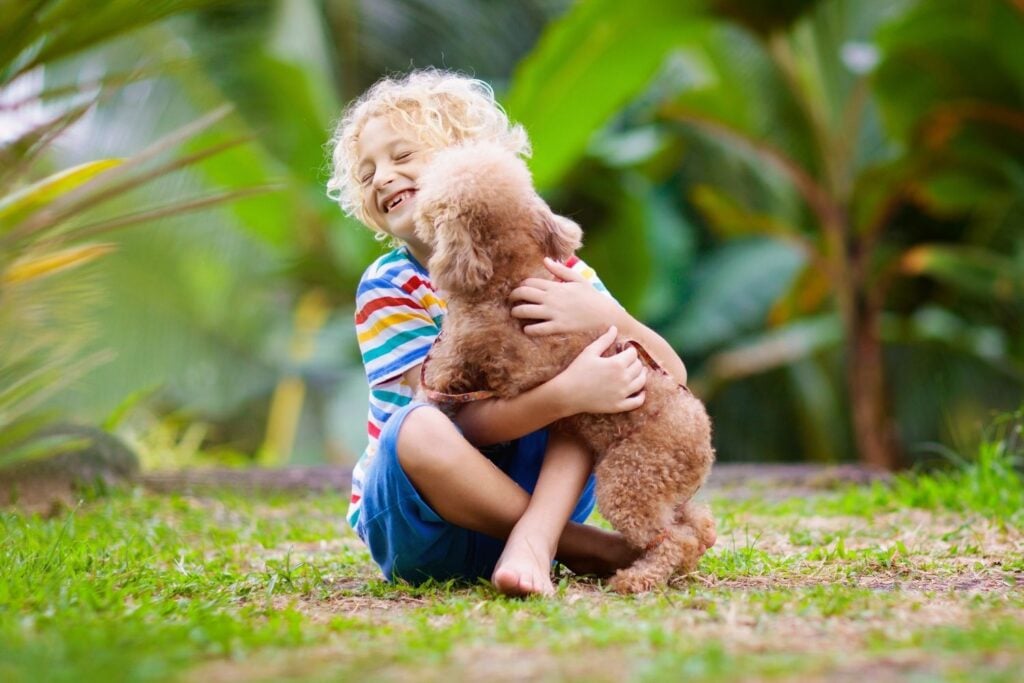
The first consistent caregiver during puppyhood often becomes the emotional anchor. During critical socialization windows, roughly three to fourteen weeks of age, puppies form strong associations between safety and specific individuals. Repeated exposure during feeding, gentle handling, and early training builds neurological pathways tied to that person’s presence. If early stress occurs, the puppy also learns who provides comfort during uncertainty. These early patterns can be remarkably durable.
If one person handles most caregiving during that stage, the puppy’s brain encodes that human as a secure base. Later relationships can form, but the imprint created early tends to remain dominant in adult behavior. That foundation often explains why one bond feels stronger than all others.
2. Scent recognition drives powerful preference.

Dogs process scent information through an olfactory system far more advanced than human perception. Every person carries a distinct chemical signature influenced by hormones, diet, and microbiome. Dogs can detect subtle variations in body chemistry that humans never notice. Familiar scent becomes a cue for safety, predictability, and reward. Repeated exposure strengthens that association over time.
If one individual’s scent becomes closely linked with comfort and positive experiences, the dog may seek proximity instinctively. Even subtle hormonal differences can influence perceived familiarity and emotional security. The pull toward that scent can feel automatic.
3. Reinforcement history quietly builds loyalty.

Attachment often grows through small repeated reinforcements. The person who consistently provides treats, play sessions, or relaxed attention creates a pattern of reward. Dogs learn through timing and repetition more than intention. Even casual interactions can strengthen behavioral loops. When one person regularly responds to the dog’s signals, the connection deepens through predictability.
If following one person leads to positive outcomes more frequently, that path becomes reinforced behavior. Over time, the pattern solidifies into what appears to be exclusive devotion. The dog simply gravitates toward the source of consistent reward.
4. Breed tendencies influence selective bonding.
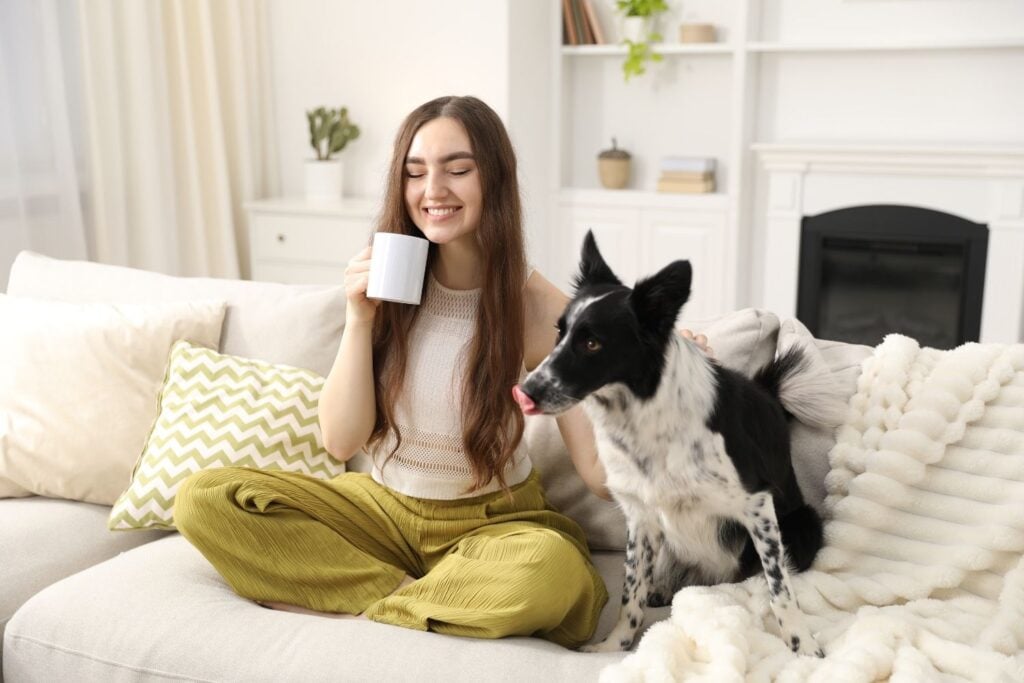
Certain breeds were historically developed to work closely with a single handler. Herding breeds, livestock guardians, and protection dogs often exhibit strong handler orientation. Selective breeding emphasized focus, responsiveness, and loyalty to one leader. These traits persist even in family homes. The instinct to monitor one primary person can run deep.
Border Collies, German Shepherds, and Akitas frequently display preference for one individual. Their genetic background favors intense attachment to a chosen partner. That inclination can look like favoritism but often reflects inherited working patterns.
5. Emotional attunement strengthens singular focus.
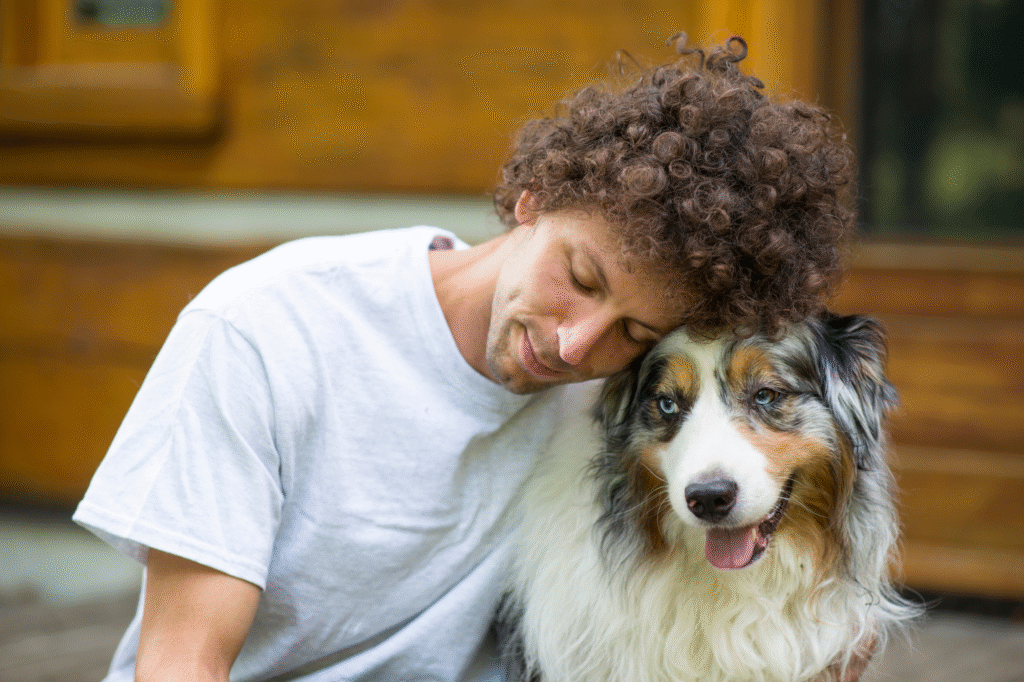
Dogs read human facial expressions, posture, and tone with remarkable sensitivity. Research in canine cognition demonstrates their ability to distinguish emotional cues. They notice subtle changes in breathing and muscle tension. Some individuals express emotions more consistently and clearly than others. Predictable emotional feedback creates stability.
If one person displays steady emotional regulation, the dog may gravitate toward that reliability. Emotional consistency can translate into perceived safety. That steady exchange strengthens attachment over time.
6. Anxiety can narrow attachment circles.

In some cases, strong preference reflects insecurity rather than simple affection. Dogs experiencing separation anxiety often attach tightly to one predictable figure. The presence of that person reduces physiological stress responses. Heart rate and cortisol levels can shift noticeably when the preferred human leaves. Clinging behavior may intensify in unfamiliar environments.
This attachment may appear as loyalty but can stem from fear of unpredictability. The dog shadows the chosen individual because that person represents environmental stability. The behavior often signals underlying stress rather than rejection of others.
7. Activity patterns create shared rhythm.
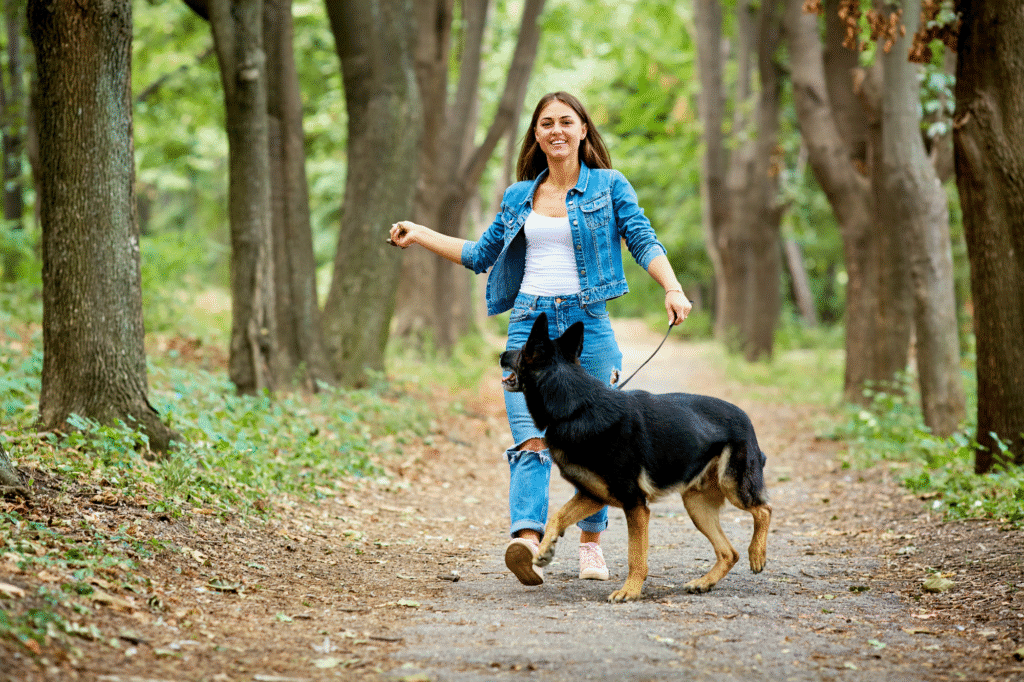
Dogs synchronize with human routines. The person who walks them at the same time daily, trains consistently, or relaxes in predictable ways becomes part of the dog’s internal schedule. Routine builds anticipation and comfort. Repeated daily interactions form strong temporal associations. Shared rhythm strengthens relational bonding.
Over time, the dog anticipates movement and activity cues tied specifically to that individual. The predictability reinforces proximity seeking. Following becomes part of a synchronized pattern.
8. Voice tone influences comfort response.
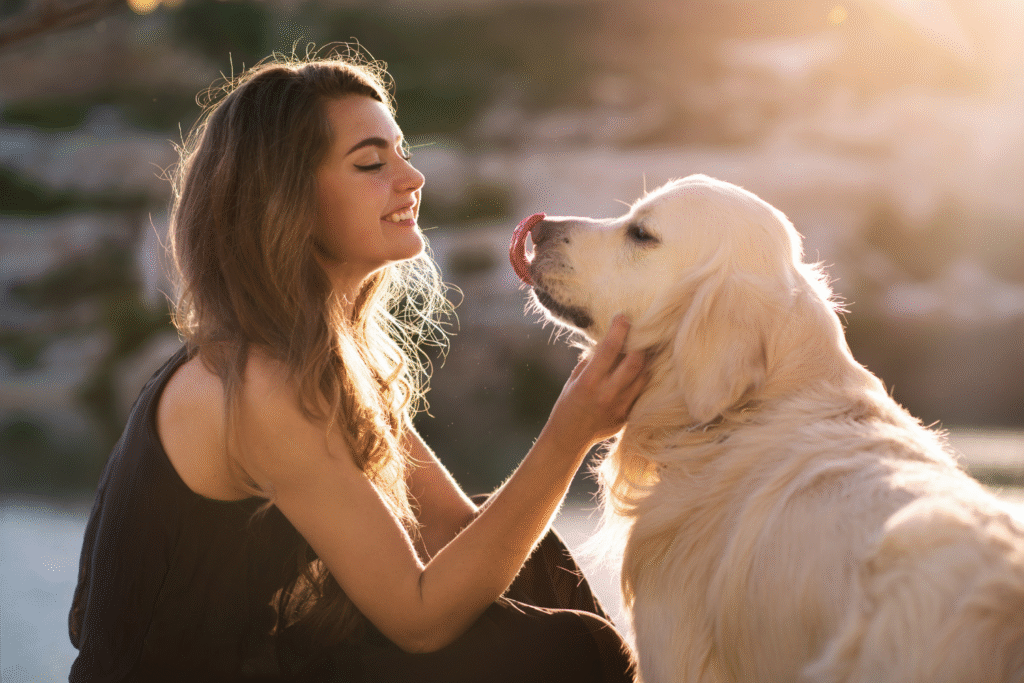
Dogs respond not just to words but to pitch and cadence. Studies show they can differentiate between encouraging tones and neutral commands. Higher pitched or animated speech often triggers increased engagement. Vocal warmth can function as social reward. Subtle tone differences shape emotional reactions.
If one person consistently uses a softer or more engaging tone, the dog may respond with greater enthusiasm. Vocal patterns become emotionally charged signals. That connection can deepen preference.
9. Body language communicates safety signals.
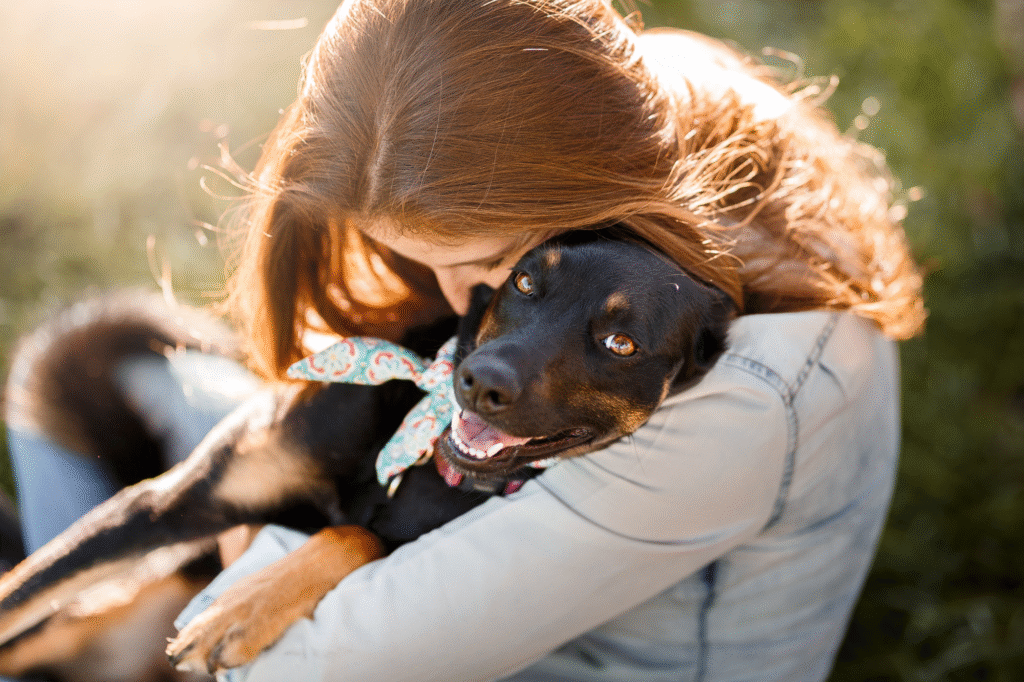
Subtle posture differences matter. Some individuals move more slowly, bend down frequently, or maintain softer eye contact. Dogs interpret these cues instinctively. Relaxed shoulders and loose movement reduce perceived threat. Even micro movements influence comfort.
When one person consistently presents non threatening body language, the dog may feel more secure nearby. That comfort encourages proximity. The attachment grows through repeated safe interactions.
10. Stress responses vary among household members.

Dogs detect cortisol changes and shifts in breathing patterns. They are adept at sensing physiological stress in humans. Heightened tension can alter scent and posture. Some individuals project urgency more than others. Dogs often respond by adjusting distance.
If one person remains calmer under daily pressures, the dog may align with that steadiness. Chronic tension elsewhere can discourage closeness. The preference reflects perceived stability rather than simple favoritism.
11. Individual personality compatibility plays a role.

Just as humans form selective friendships, dogs possess distinct temperaments. A high energy dog may prefer the household member who matches that enthusiasm. Temperament alignment influences play style and engagement. Similar energy levels create smoother interaction patterns. Mutual responsiveness deepens connection.
Compatibility between personality types can strengthen attachment naturally. The result appears exclusive, but often reflects behavioral harmony. The dog simply bonds where the fit feels easiest.