
Beneath the ice, something long buried is beginning to surface.
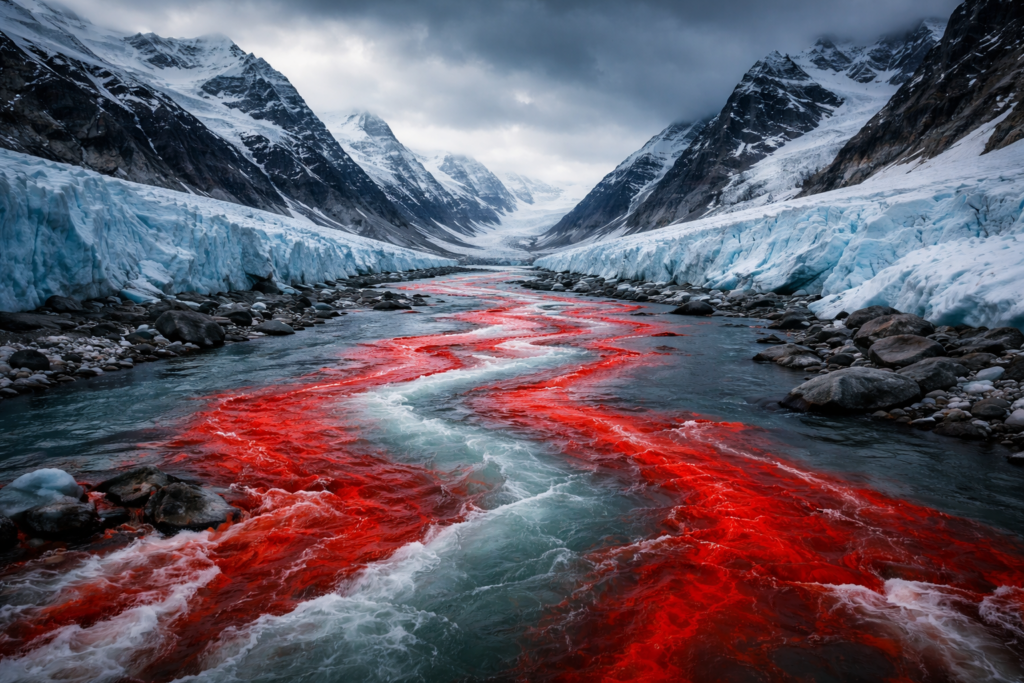
For generations, Arctic rivers carried a reputation for purity, flowing through landscapes locked in cold and time. But in recent years, observers have begun noticing subtle changes that do not fit the old narrative. Water that once ran clear now carries unfamiliar hues. Chemistry that remained stable for millennia is starting to shift. Scientists are tracing these disturbances back to forces hidden below the thawing ground, where frozen soils are surrendering what they have held for thousands of years. What is emerging is not loud or explosive. It is gradual, unsettling, and far more complex than it first appears.
1. Permafrost thaw is unleashing acid rock drainage in rivers.
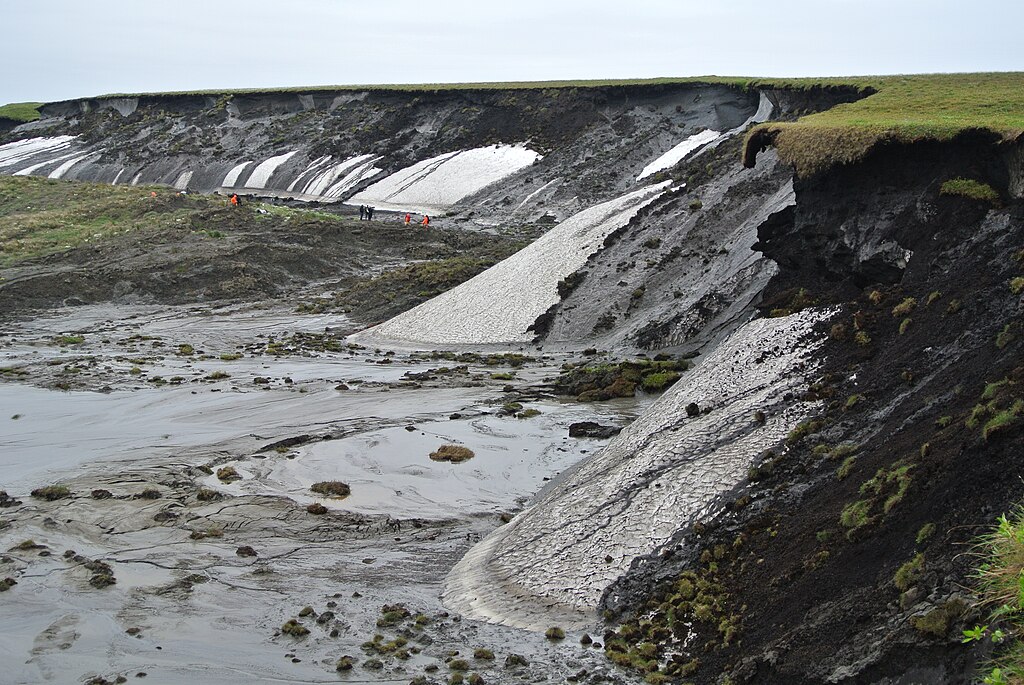
According to the U.S. Geological Survey, melting permafrost is exposing sulfide-rich bedrock to oxygen and water, producing acid rock drainage that’s spreading through Arctic river systems. This chemical reaction is releasing iron, sulfate, and trace metals into rivers that were once some of the cleanest on Earth. In Alaska’s Brooks Range, researchers have already found formerly clear streams turning rusty orange as acidification reshapes aquatic life.
What makes this particularly concerning is how fast it happens. A landscape that remained frozen for millennia can, in just a few years, shift to one with water chemistry hostile to fish, vegetation, and even microbes that once thrived there.
2. Entire rivers are changing color from clear to orange.
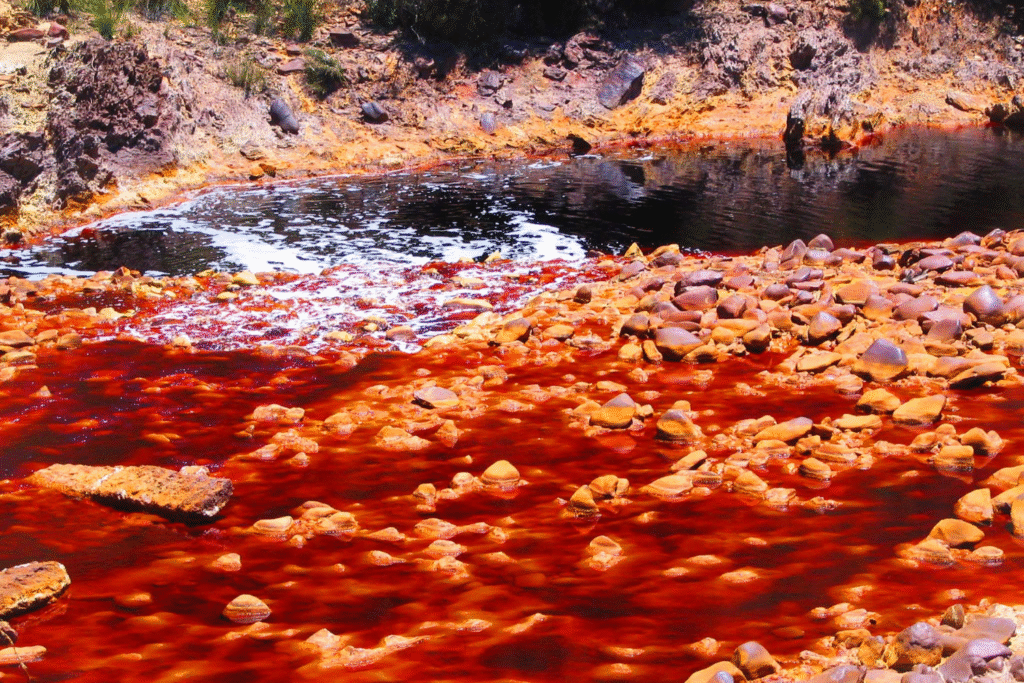
The National Park Service has documented streams in Arctic Alaska turning orange due to oxidized iron and elevated metals released by thawing permafrost. These color changes coincide with dropping pH levels and plummeting oxygen, transforming river ecosystems into environments few species can tolerate. Many locals first notice the problem not through data, but through sight, the rivers look sick.
It’s a dramatic visual reminder that something deep below the surface is destabilizing, as stated by the National Park Service. This phenomenon is now being tracked in multiple watersheds, some spanning hundreds of miles across northern Alaska and Canada.
3. Heavy metals are poisoning habitats that once teemed with life.
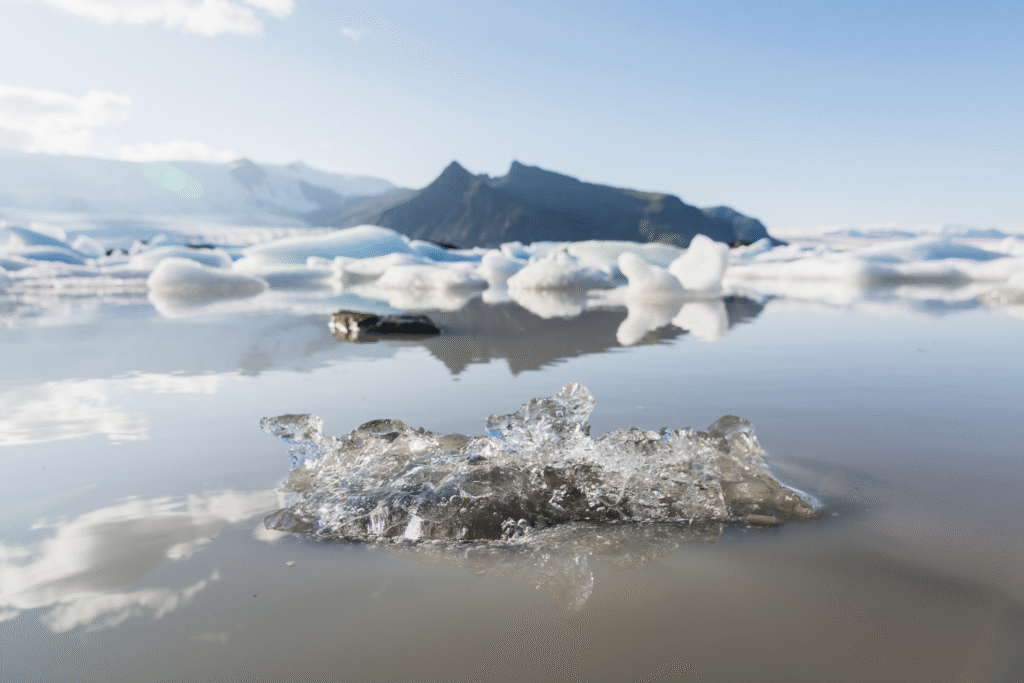
A recent study reported by Nature Communications found that thawing permafrost releases toxic metals such as zinc, copper, and nickel into Arctic streams. These contaminants are accumulating in sediment and disrupting the delicate web of aquatic life. In one Alaskan river, entire fish populations vanished within a year after metal concentrations surged past safe levels. The loss rippled through insect and bird species that depended on those fish for food.
This is not an isolated case, it’s a pattern. Scientists now believe thousands of small tributaries across the Arctic may already be chemically compromised in similar ways.
4. Changing flow patterns are accelerating chemical release.
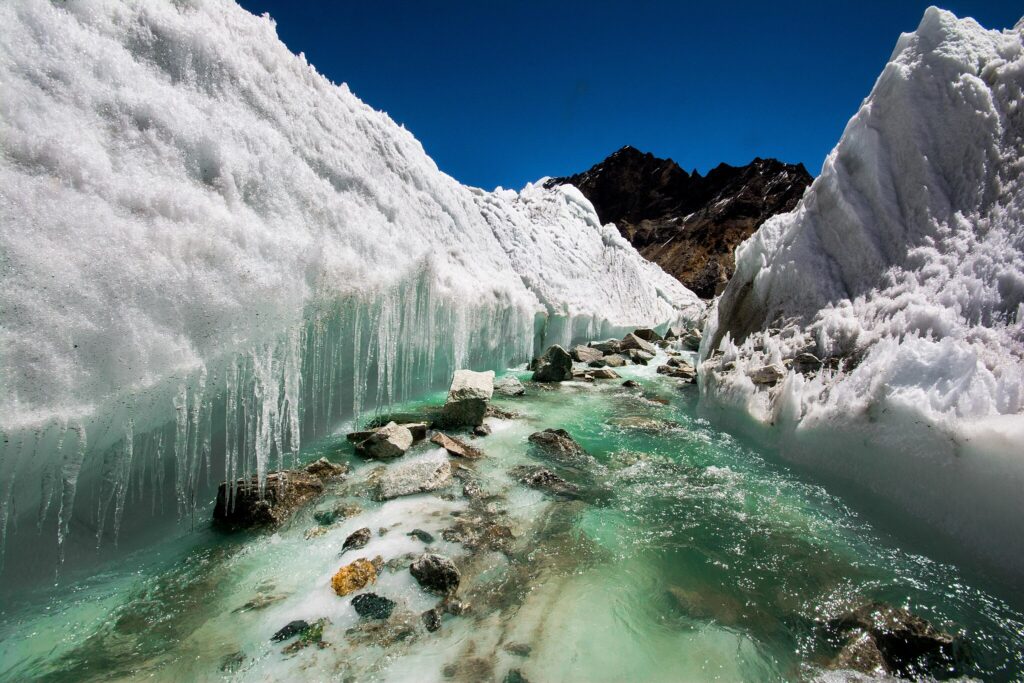
The Arctic’s hydrology is shifting along with its seasons. Rivers are thawing earlier, flowing longer, and carving deeper into soils that were once sealed by permafrost. As those flows cut into new terrain, they free trapped minerals and organic matter, altering river chemistry in unpredictable ways. Water that used to trickle in spring now gushes with chemical-laden runoff that can travel for hundreds of miles.
These earlier, faster flows are already changing the timing of nutrient availability, spawning cycles, and microbial blooms, an invisible chain reaction cascading through the entire food web.
5. Nutrient cycles are warping as soils destabilize.
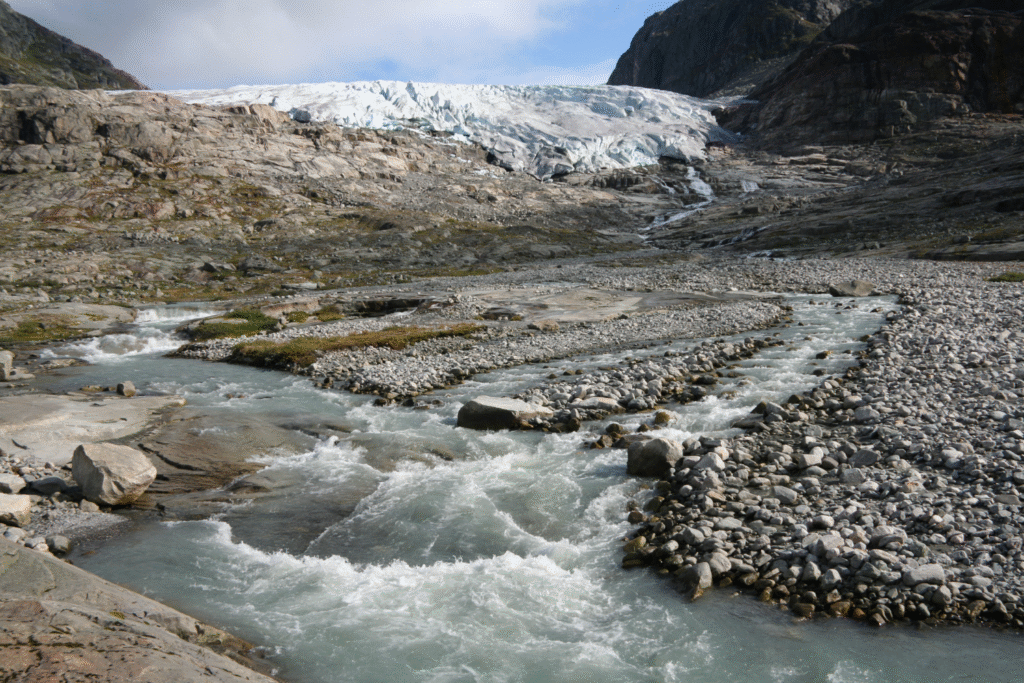
Thawing soils don’t just leak metals, they also leak nitrogen and carbon in new forms. With more organic matter decomposing in the warmth, Arctic rivers are receiving higher nutrient loads, fueling algal growth and altering oxygen levels. This shift creates a feedback loop, where more decomposition produces more greenhouse gases, which in turn accelerate warming.
In ecosystems built on stability and cold, that feedback is especially destructive. It means the very rivers once acting as carbon sinks could soon become carbon sources, quietly amplifying the problem they’re suffering from.
6. Fish species are disappearing as habitats collapse.
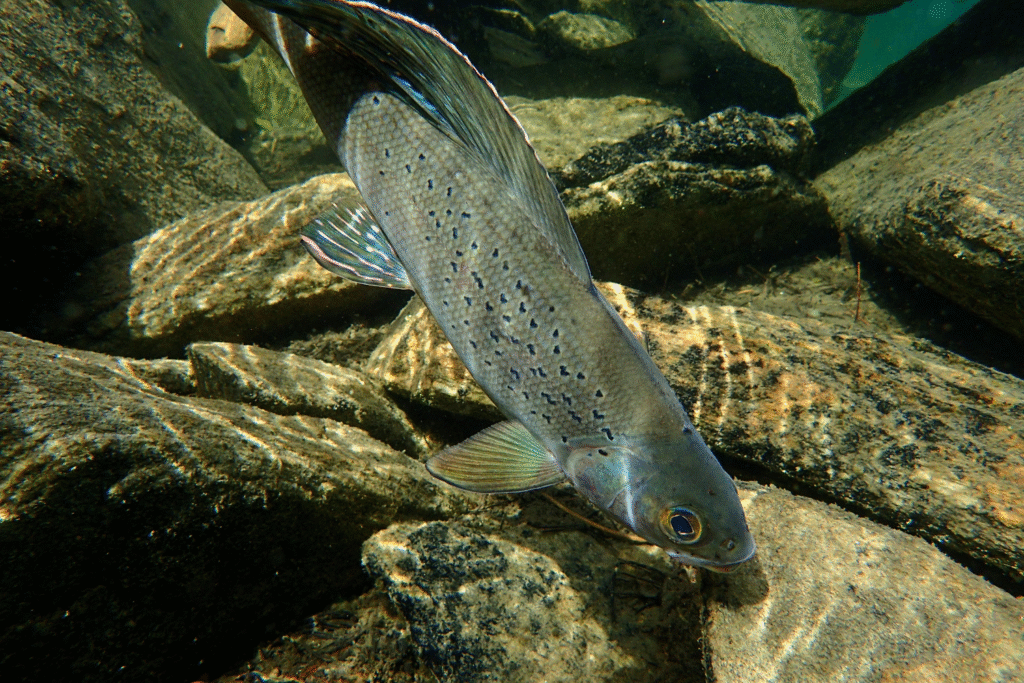
Cold, clear, oxygen-rich water is essential for Arctic fish like grayling and char. As acidity rises and oxygen drops, these species can’t survive. Entire spawning grounds are being lost, and new generations are failing to emerge. Some fish move downstream to escape, but they often encounter more polluted water along the way.
The sudden disappearance of fish sends a shock through everything that depends on them, birds, mammals, and people included. What began as a geological process ends up rewriting the food chain above it.
7. Indigenous communities face risks to food and drinking water.
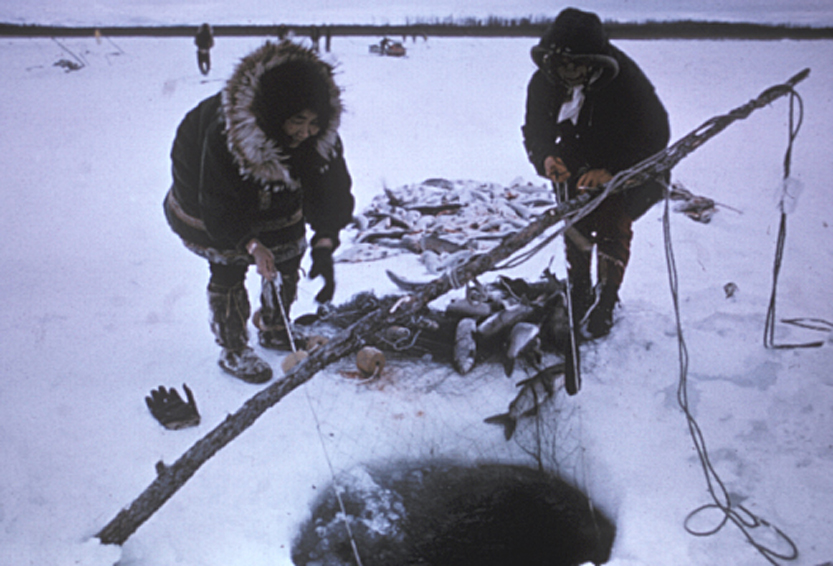
For Indigenous communities who rely on Arctic rivers for sustenance and cultural connection, the changes are deeply personal. Fish that once fed families year-round are becoming scarce or unsafe to eat. Metals accumulating in water and sediment can contaminate traditional food sources, while the shifting clarity of the water alters navigation and ice safety in winter.
Local observers have been among the first to report these transformations, sometimes years before research teams arrive. Their lived experience is now shaping how scientists monitor and understand the Arctic’s changing waterways.
8. The chemical shifts are spreading faster than expected.
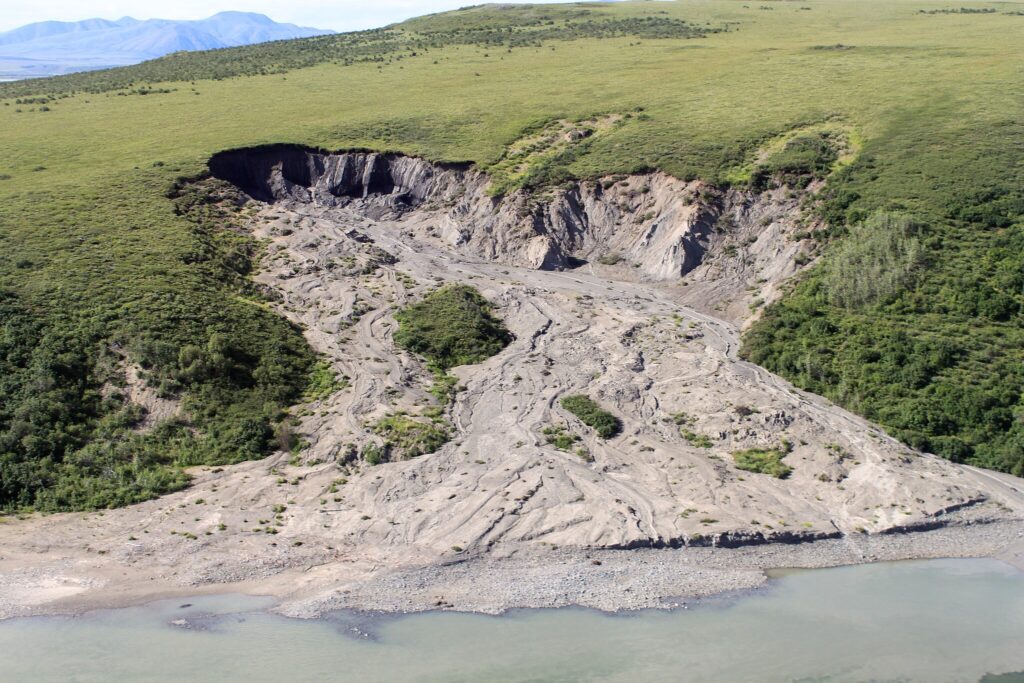
Because the Arctic is warming more than twice as fast as the global average, scientists say the scale of these toxic transformations may expand rapidly. What’s happening in northern Alaska could soon mirror in parts of Canada, Greenland, and Russia. More permafrost exposure means more sulfide-rich minerals oxidizing, more acid drainage, and more metals bleeding into rivers.
The changes are nonlinear, small increases in temperature can lead to sudden collapses in water chemistry stability. In short, the Arctic is tipping from frozen resilience to chemical volatility.
9. Monitoring networks are still years behind the crisis.
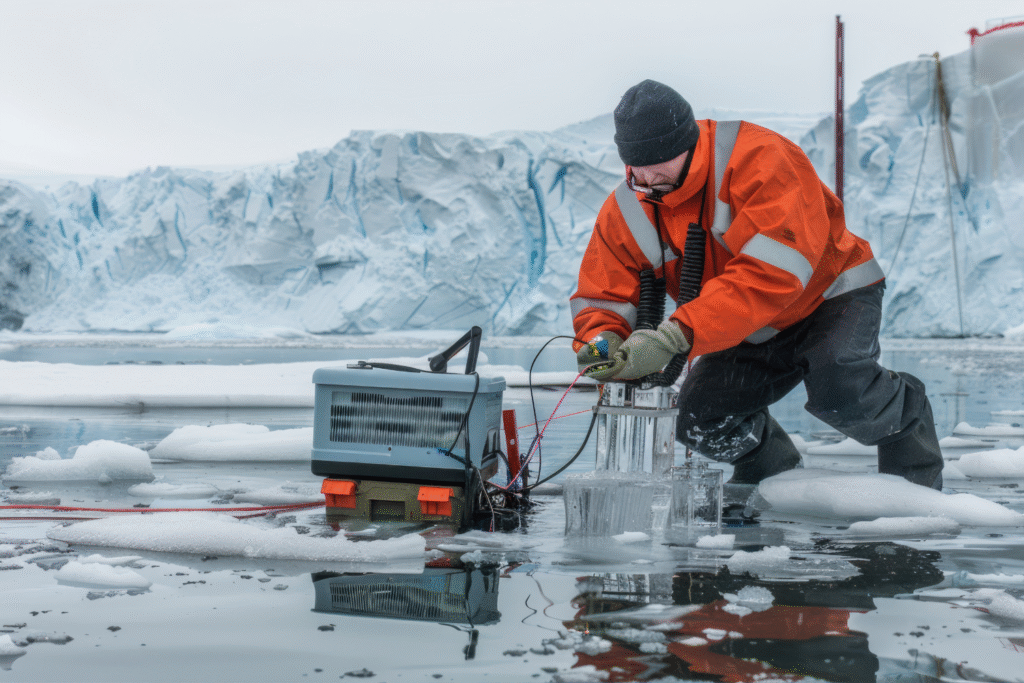
Despite growing alarm, much of the Arctic remains under-monitored. Many rivers are too remote to sample frequently, leaving vast data gaps. Without sustained monitoring, scientists can’t fully track how fast or far these toxic conditions are spreading. Even as new technologies like satellite imaging help detect color shifts, ground data remains crucial to confirm what’s happening chemically.
Bridging that gap means cooperation between researchers and northern communities who witness the rivers daily, a human-scientific partnership that could be the difference between reaction and prevention.
10. The world’s coldest rivers are sending a warning.
The Arctic’s rivers once symbolized purity and isolation. Now they tell a story of climate change reaching into the planet’s most remote veins. Toxic metals, acid runoff, and changing chemistry are not confined to the poles, they’re part of a larger planetary feedback loop that connects every watershed.
If the north’s coldest rivers can turn toxic in a single human lifetime, it’s a sign of how swiftly the planet is changing. Their warning isn’t just for scientists, it’s for all of us who still depend on clean water, whether we realize it or not.