
The coldest place on Earth is sending a warning few can ignore.
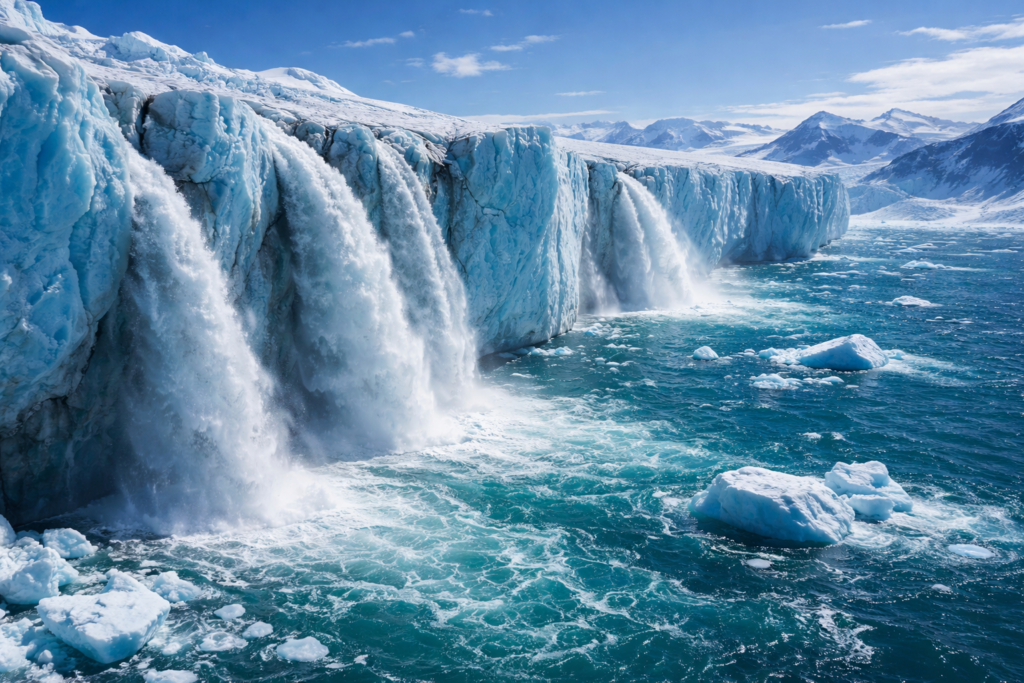
From orbit, Antarctica still looks eternal, a vast white shield wrapped around the bottom of the planet. But beneath that brightness, something measurable is shifting. Satellites have been watching quietly for years, tracking changes too subtle for the human eye. What they are detecting is not seasonal drift or minor fluctuation. It is movement on a scale that rewrites coastlines over time. The numbers feel abstract at first, almost impossible to picture. Yet each ton lost alters pressure, currents, and balance in ways that extend far beyond the polar horizon.
1. Satellite data reveals unprecedented melting rates.
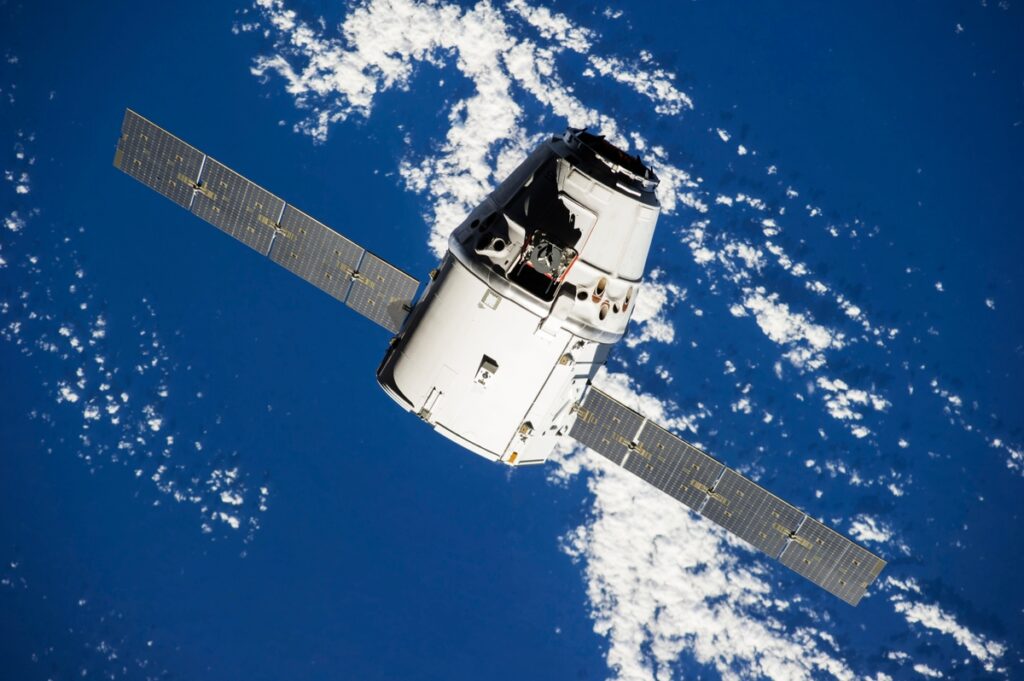
Space technology has cracked open one of Earth’s most guarded secrets through precision measurements that boggle the mind. According to NASA’s Gravity Recovery and Climate Experiment (GRACE) and GRACE Follow-On satellites, Antarctica is shedding approximately 150 billion tons of ice annually between 2002 and 2023. Picture twin satellites dancing around our planet, measuring tiny gravitational changes caused by shifting ice mass, technology so sensitive it can detect changes in ice thickness down to centimeters. The red and orange patches on NASA’s satellite maps tell a stark story of vanishing ice across the West Antarctic Ice Sheet.
2. West Antarctica hemorrhages ice faster than expected.
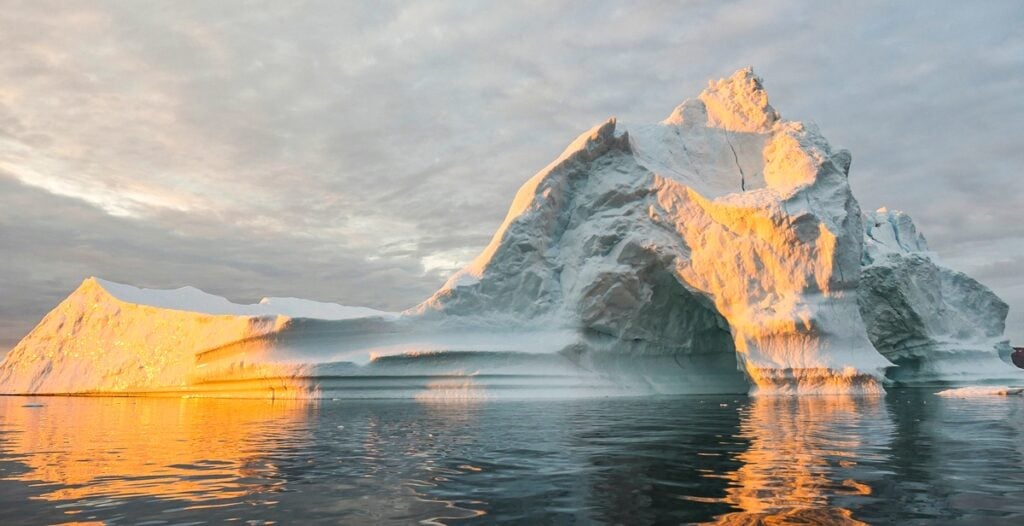
Most people don’t realize the real drama happens beneath the ice where nobody can see it. Warm ocean currents sneak underneath floating ice shelves, slowly eating away at their foundations like invisible blowtorches. Pine Island and Thwaites glaciers, dubbed the “Doomsday Glacier” by reporters who understand drama, sit at the heart of what scientists call the weak underbelly of West Antarctica, as stated by research from Nature Climate Change. These two glacial giants act like cork stoppers holding back an entire ice sheet that contains enough water to raise global sea levels by over five meters if it all melted.
3. Ocean temperatures commit Antarctica to centuries of melting.
Research published in Nature Climate Change reveals a chilling reality that most climate discussions miss, the damage is already locked in. Ocean temperatures around Antarctica will continue warming at triple the historical rate throughout the 21st century, regardless of whether humanity meets the ambitious targets of the Paris Agreement. When scientists modeled different emission scenarios, they found virtually no difference in ocean warming outcomes. The warm water that drives ice shelf melting appears committed to continue its destructive work for decades to come, making the collapse of major glaciers potentially unstoppable even under the most optimistic climate policies.
4. Ice shelves act as natural dams holding back glaciers.
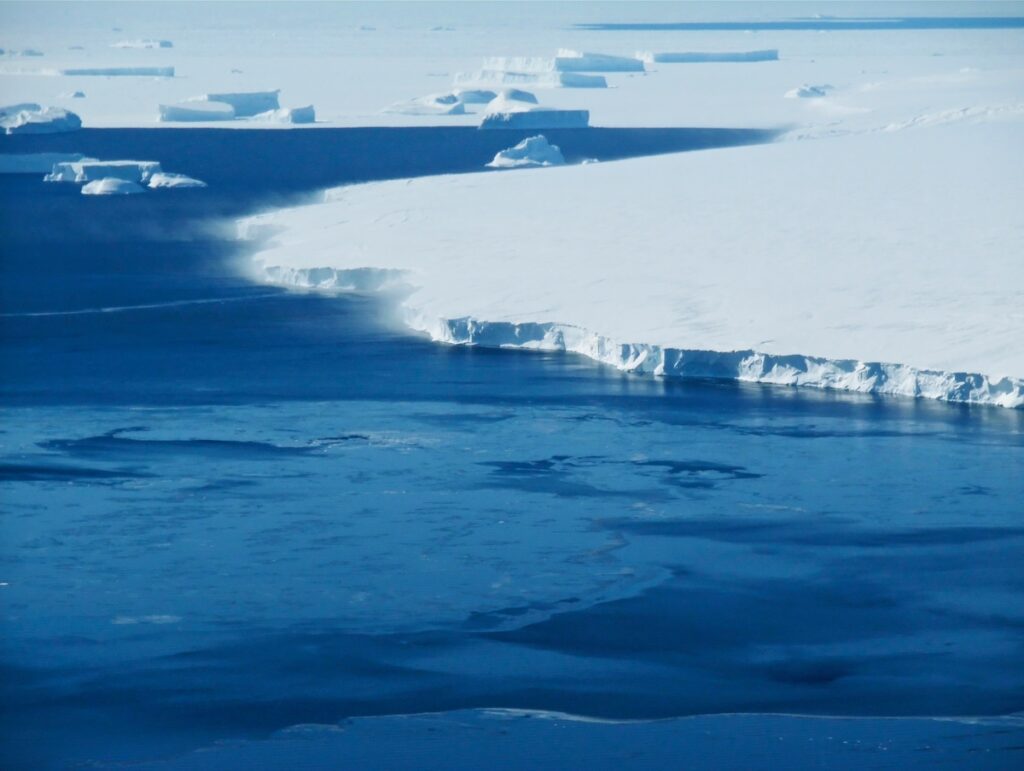
Floating ice shelves function like massive corks in a bathtub drain, holding back the tremendous weight of land-based ice behind them. When these floating platforms thin and weaken, the glaciers they restrain begin accelerating toward the ocean at alarming speeds. Think of it like removing a retaining wall from a steep hillside, everything behind it starts sliding downhill. The Thwaites Ice Shelf, roughly the size of Connecticut, has been steadily weakening as warm water melts it from below. Once this critical buttress collapses, scientists predict the glacier’s annual contribution to sea level rise could increase dramatically within decades.
5. Marine ice sheet instability creates runaway collapse.
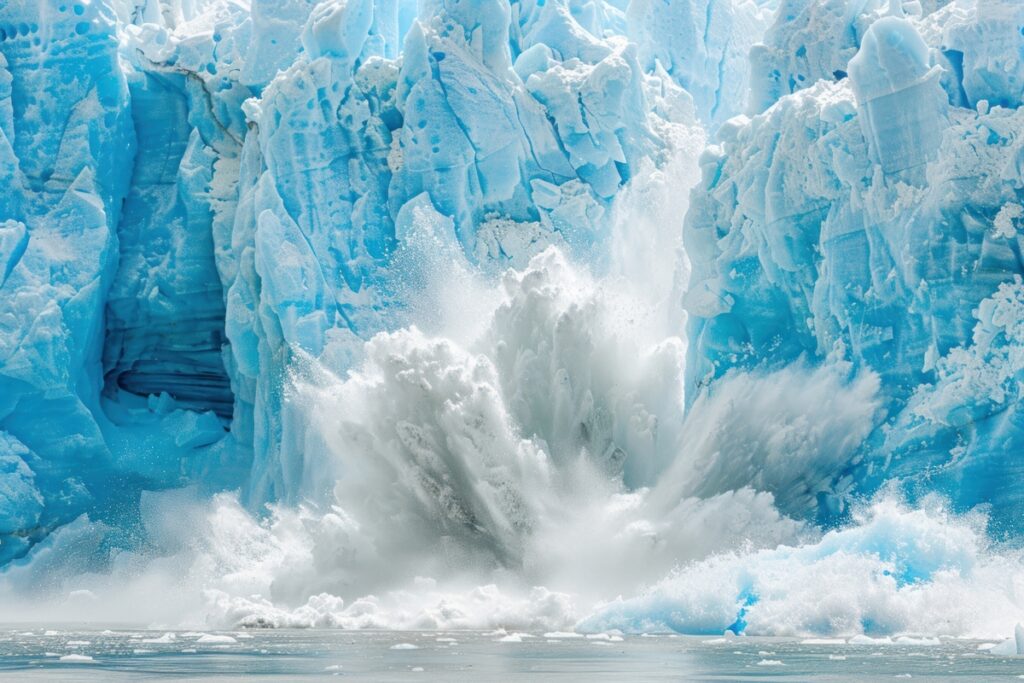
Most of West Antarctica’s ice sits on bedrock below sea level, creating a perfect storm for unstoppable retreat. When warm ocean water reaches the grounding line where ice meets rock, it triggers a self-reinforcing cycle of destruction. As the grounding line retreats inland, thicker ice sections become exposed to ocean melting, which accelerates the retreat even faster. This process, called marine ice sheet instability, explains why some glaciers show no signs of stopping once retreat begins. Thwaites Glacier already displays this runaway behavior, with its grounding line retreating at unprecedented speeds toward even thicker sections of ice.
6. Climate patterns amplify warming in polar regions.
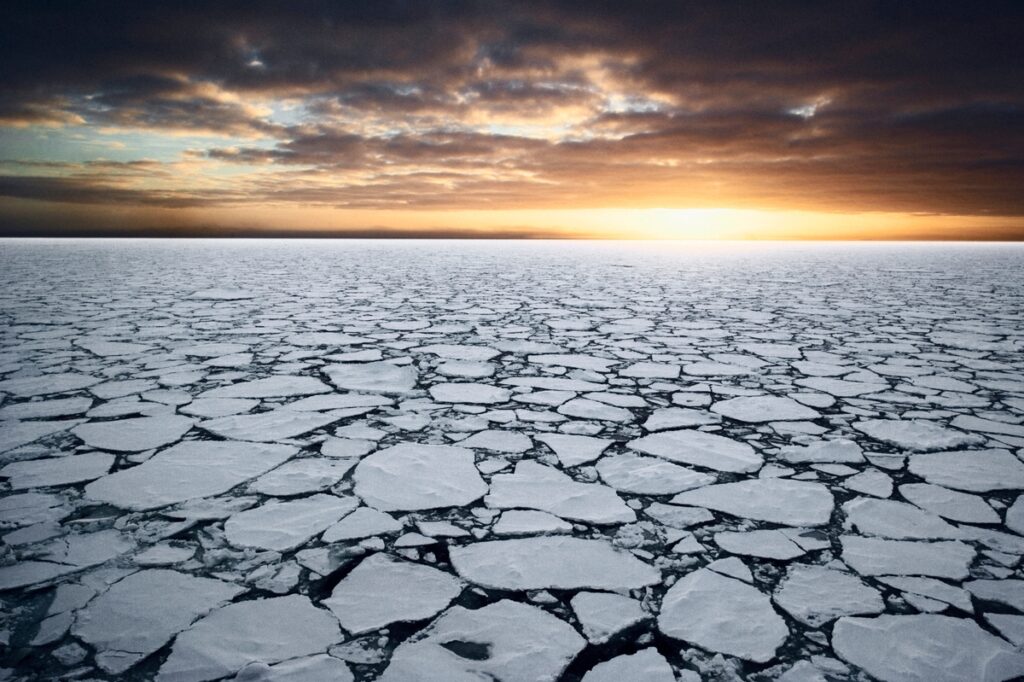
Antarctica experiences warming effects more intensely than most places on Earth due to a phenomenon called polar amplification. As bright white ice melts, it exposes darker land and ocean surfaces that absorb more heat instead of reflecting sunlight back to space. This creates a feedback loop where warming accelerates more warming. Additionally, changes in atmospheric circulation patterns bring more warm, moist air from lower latitudes toward Antarctica. The Southern Ocean has absorbed more heat than any other ocean basin, with temperatures around West Antarctica rising by 1°C since 1955, a massive change in geological terms.
7. Coastal communities worldwide face unprecedented challenges.
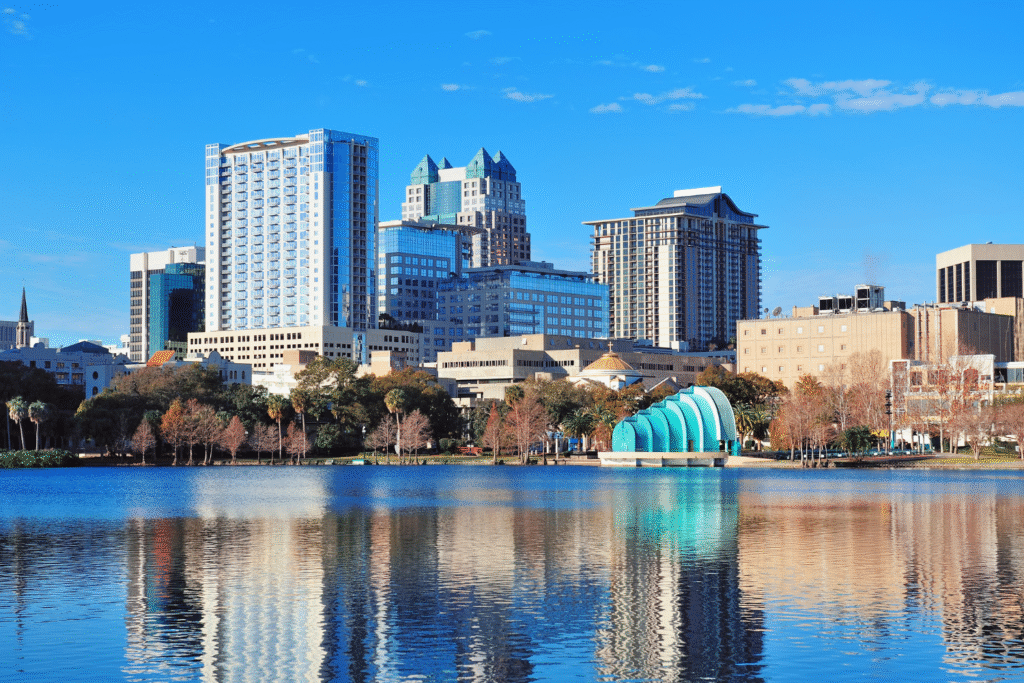
Rising seas won’t affect everyone equally, but no coastline remains immune to Antarctica’s melting ice. Major cities like Miami, New York, Bangkok, and Amsterdam already grapple with increasing flood risks during storms and high tides. Small island nations face potential submersion within decades if current trends continue. Beyond the obvious flooding concerns, saltwater intrusion threatens freshwater supplies, agricultural lands, and infrastructure not designed for higher water levels. Economic impacts ripple far inland as supply chains, insurance markets, and migration patterns adapt to a fundamentally altered geography.
8. Melting ice disrupts global ocean circulation patterns.
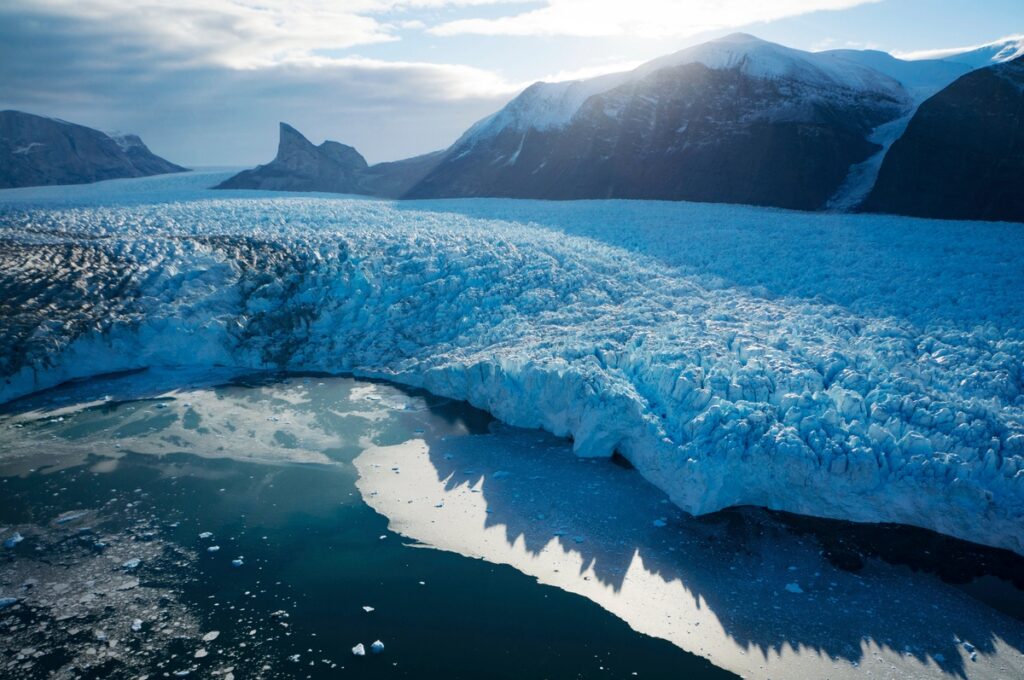
Fresh meltwater from Antarctica doesn’t just add volume to rising seas, it fundamentally alters how oceans move heat around the planet. Cold, fresh water from melting ice disrupts the dense, salty Antarctic Bottom Water that normally sinks and drives deep ocean circulation. Scientists worry this could weaken or collapse the Southern Ocean overturning circulation, which helps regulate global climate patterns. Such changes would redistribute precipitation patterns worldwide, potentially bringing drought to some regions while flooding others. The ripple effects could transform weather systems far from Antarctica, affecting agriculture, water resources, and storm patterns across multiple continents.
9. Tipping points may trigger irreversible changes.
Once certain thresholds get crossed, parts of the Antarctic ice system may become unstoppable regardless of future emissions reductions. Scientists believe West Antarctica may have already passed a critical tipping point, with some models suggesting complete collapse within 200-1,000 years. The concept resembles pushing a boulder off a cliff, once it starts rolling, no amount of effort can stop its descent. Early warning signals include accelerating ice loss, grounding line retreat, and ice shelf thinning, all of which Thwaites Glacier currently displays. Understanding these tipping points helps explain why some researchers advocate for dramatic emissions cuts now, even if ocean warming remains committed for decades.
10. Engineering solutions offer hope but face enormous challenges.

Desperate times inspire desperate measures, and scientists have proposed audacious engineering projects to slow Antarctica’s ice loss. One proposal involves installing massive underwater curtains to block warm water from reaching ice shelves, essentially creating artificial barriers 50 miles long and anchored 2,000 feet deep. Another concept suggests pumping seawater onto ice sheets and freezing it artificially, requiring the energy equivalent of 12,000 wind turbines just for one glacier. While technically possible with existing technology, such projects would represent the largest engineering undertakings in human history, costing hundreds of billions of dollars and requiring unprecedented international cooperation in one of Earth’s most hostile environments.Retry