
In Egypt, a simple animal became something far greater.
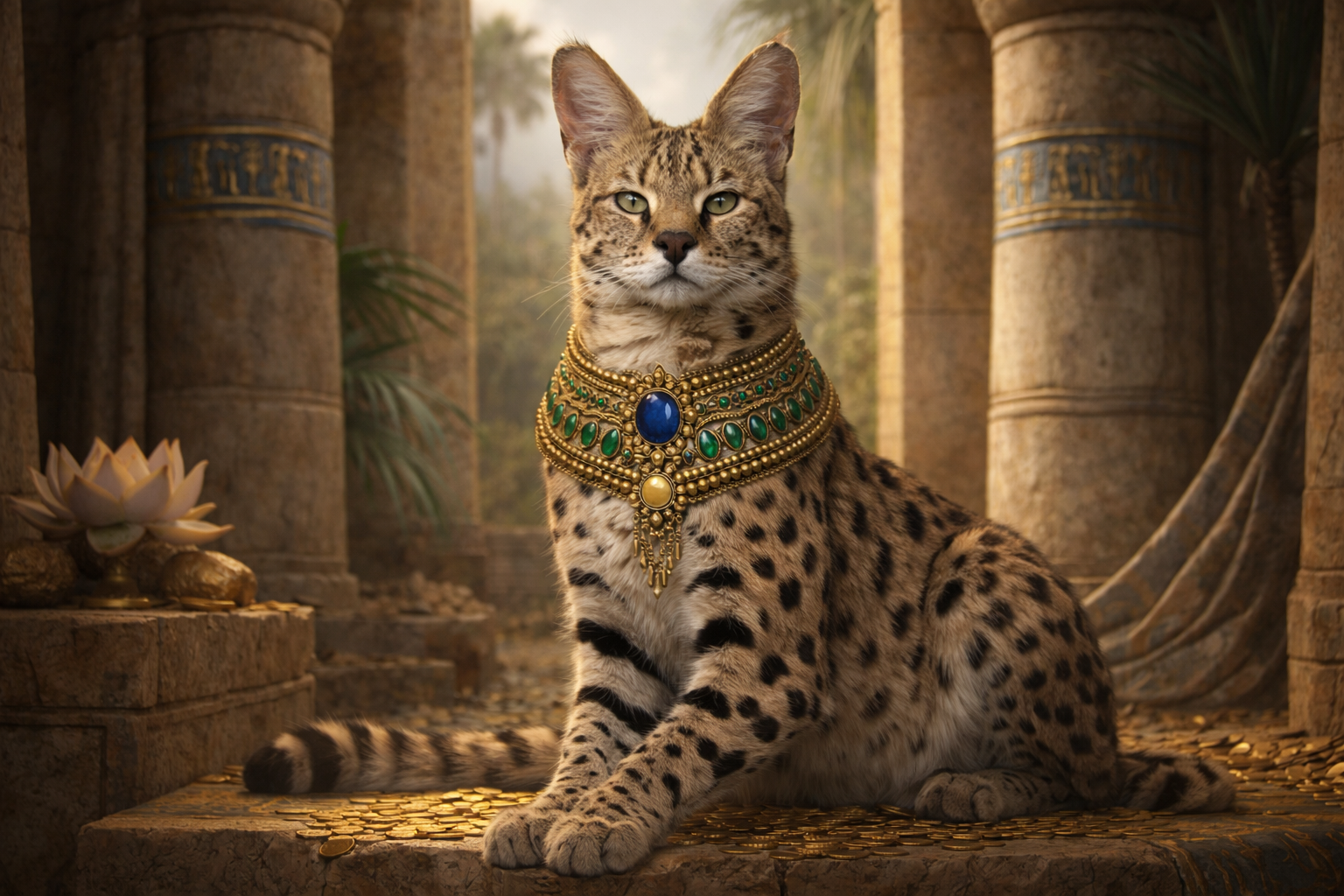
They were small enough to slip between doorways and silent enough to appear without warning. Yet in ancient Egypt, their presence carried weight far beyond fur and bone. Walls, tombs, and temples preserved their likeness in stone, as if their image alone held power. Families mourned them. Priests honored them. Rulers aligned themselves with their gaze. What began as a practical partnership slowly transformed into something layered with symbolism and authority. The deeper archaeologists dig, the clearer one truth becomes: this was not ordinary affection. It was a cultural force woven into belief, politics, and identity itself.
1. Cats began as protectors before becoming sacred.
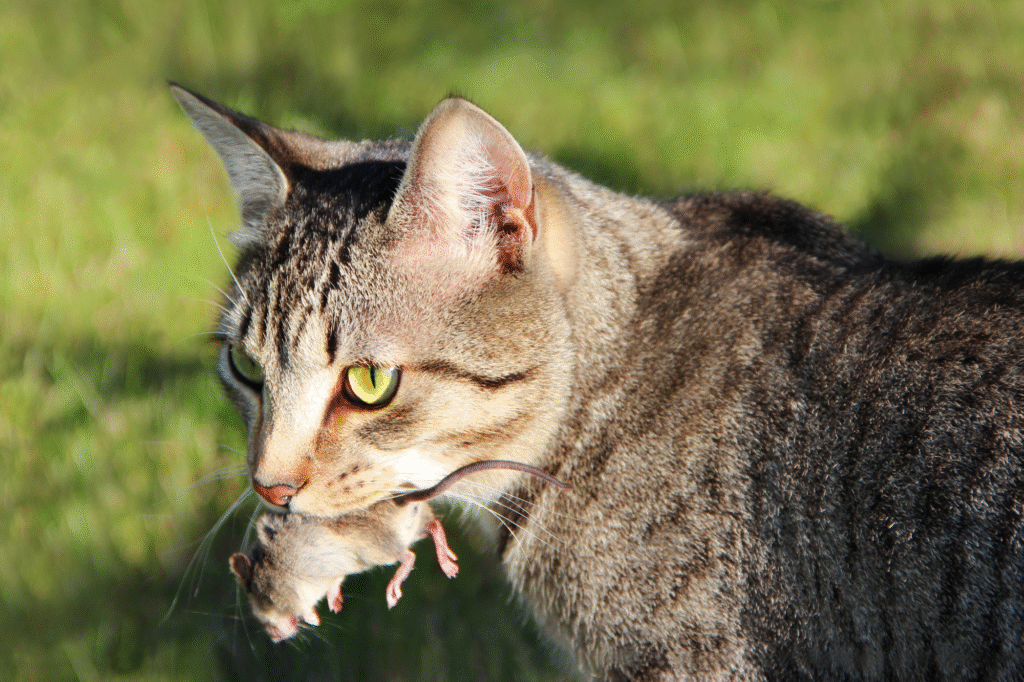
Long before temples and mummies, cats earned their place through practicality. As stated by the British Museum, wild African cats were first drawn to Egyptian grain stores, where they hunted mice and snakes. Farmers quickly realized their value and began encouraging them to stay. Over generations, this relationship shifted from convenience to companionship. Cats became symbols of order in a world obsessed with balance, creatures who literally defended food, life, and stability from chaos. That simple alliance between humans and predators became the foundation of a spiritual bond lasting millennia.
2. The goddess Bastet transformed cats into divine symbols.
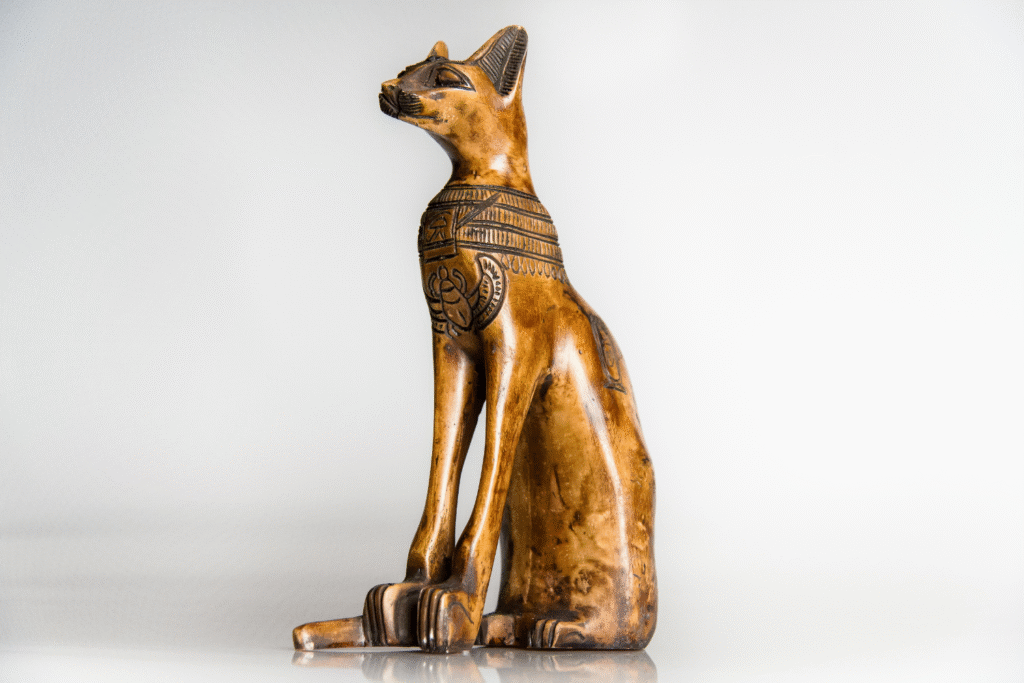
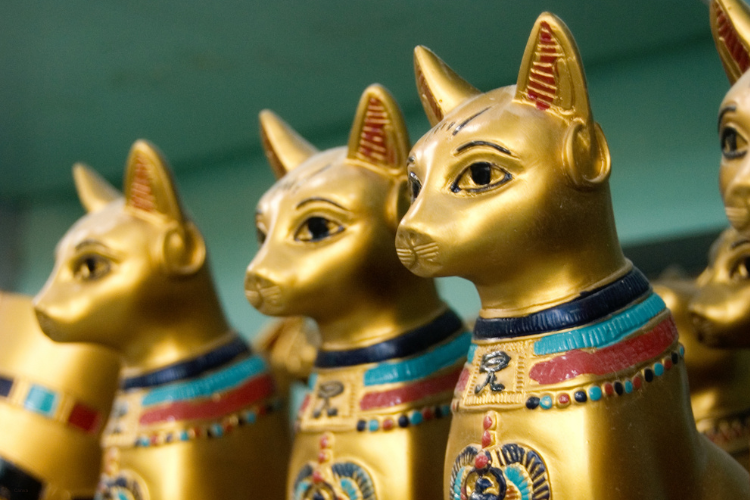
Bastet, the feline-headed goddess, embodied protection, fertility, and home life, as reported by the Metropolitan Museum of Art. She began as a fierce lioness deity, then softened into the domestic cat image we know today. Her temples were filled with statues and live cats considered extensions of her spirit. Worshipers left offerings and amulets in her honor, believing her presence guarded families from harm. The cult of Bastet became one of Egypt’s largest religious movements, merging daily devotion with national identity, where cats represented both tenderness and divine vigilance.
3. Cat mummification revealed their immense religious importance.
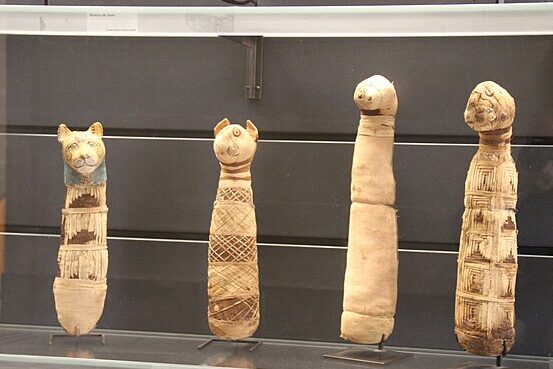
Archaeologists have unearthed millions of mummified cats buried in necropolises near Bubastis, Saqqara, and Beni Hasan. According to findings published by the Smithsonian Institution, these were not random sacrifices but offerings made to honor Bastet and other deities. The sheer number suggests a structured ritual economy centered on cats, priests breeding and preserving them as sacred intermediaries. Some mummies were carefully wrapped in linen, others placed in bronze sarcophagi. The scale of these burials shows how far Egyptians took reverence, turning devotion into a thriving spiritual industry.
4. Cats symbolized balance between gentleness and power.
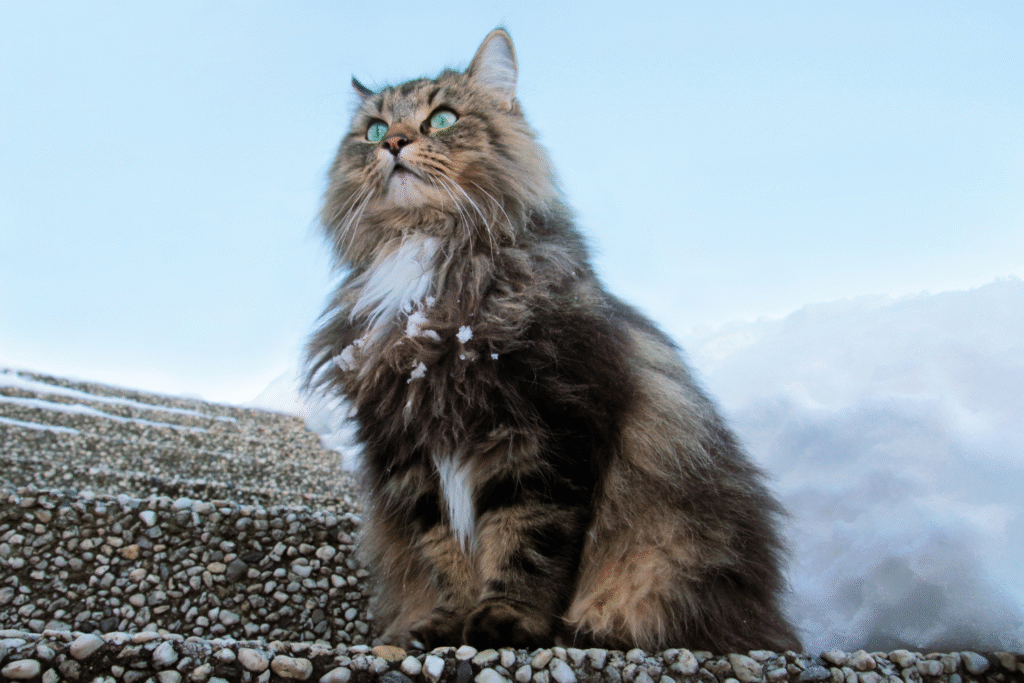
Egyptian mythology thrived on dualities, order and chaos, sun and shadow. Cats embodied this perfectly. They were affectionate yet predatory, docile yet deadly. This contrast made them living metaphors for the Egyptian worldview. When a cat purred in a home, it symbolized domestic peace; when it hunted, it echoed divine vengeance. The animal’s shifting moods mirrored the complexity of gods themselves, loving one moment, merciless the next. It wasn’t their beauty that made them sacred, but their unpredictable balance between serenity and strength.
5. Killing a cat was punishable by death.
Few laws in ancient Egypt were as severe as those protecting cats. Historical records describe riots erupting if someone harmed one, even accidentally. To the Egyptians, a cat’s life was tied to divine favor, and killing one disrupted spiritual harmony. When a household cat died naturally, families mourned by shaving their eyebrows in public grief. That ritual mourning wasn’t performative, it reflected the depth of emotional and religious connection people felt toward these animals, which they viewed as literal extensions of their gods.
6. Cats became symbols of royal power and divine right.
Pharaohs and queens often depicted themselves alongside feline imagery. Lions guarded palace gates, and smaller cats adorned jewelry and thrones. These symbols weren’t ornamental, they reinforced the ruler’s duality of compassion and authority. Queens like Cleopatra embraced feline elegance as part of their political image, associating themselves with Bastet’s energy. In a culture where animals reflected divine favor, cats became shorthand for legitimacy itself. To rule Egypt meant commanding both people and the sacred creatures who watched over them.
7. Feline amulets protected both living and dead.
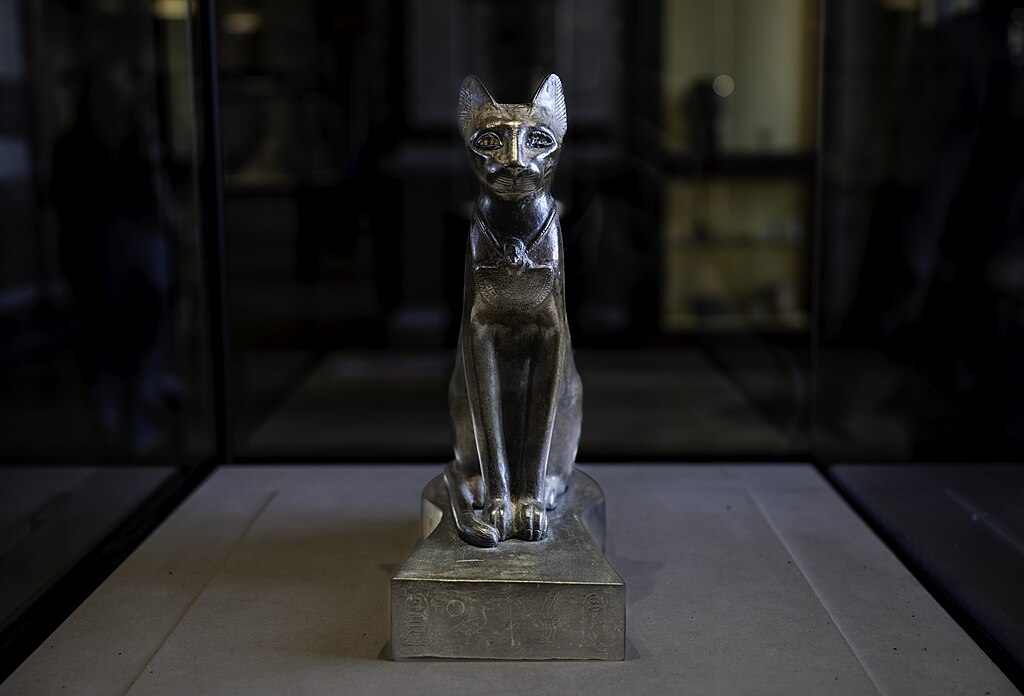
Miniature cat figurines carved from bronze or faience were among the most common artifacts found in Egyptian tombs. They served as talismans for health, fertility, and safe passage to the afterlife. Ordinary citizens wore them to invite Bastet’s protection; nobles were buried with them to ensure guidance beyond death. These charms demonstrate how deeply cats infiltrated all levels of society, not just temples and royalty, but everyday households seeking safety in their silent guardianship.
8. Cats bridged the line between wild and domestic worlds.
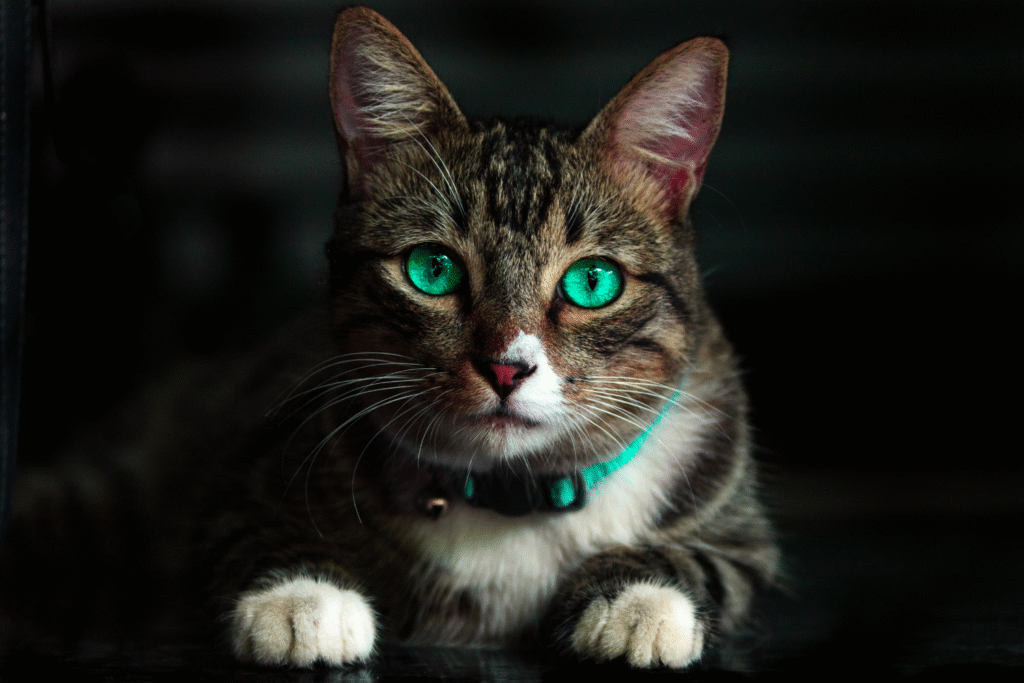
Unlike dogs, which were fully domesticated, Egyptian cats retained their independence. They roamed freely, hunting by instinct, returning to homes at will. This autonomy made them mysterious, almost magical. Egyptians saw in them a reflection of cosmic order, creatures who could walk between realms without losing themselves. That balance between domestication and freedom fascinated people and elevated cats beyond ordinary animals. They weren’t owned; they were partners in a shared, sacred existence.
9. Their image endured through centuries of art and ritual.
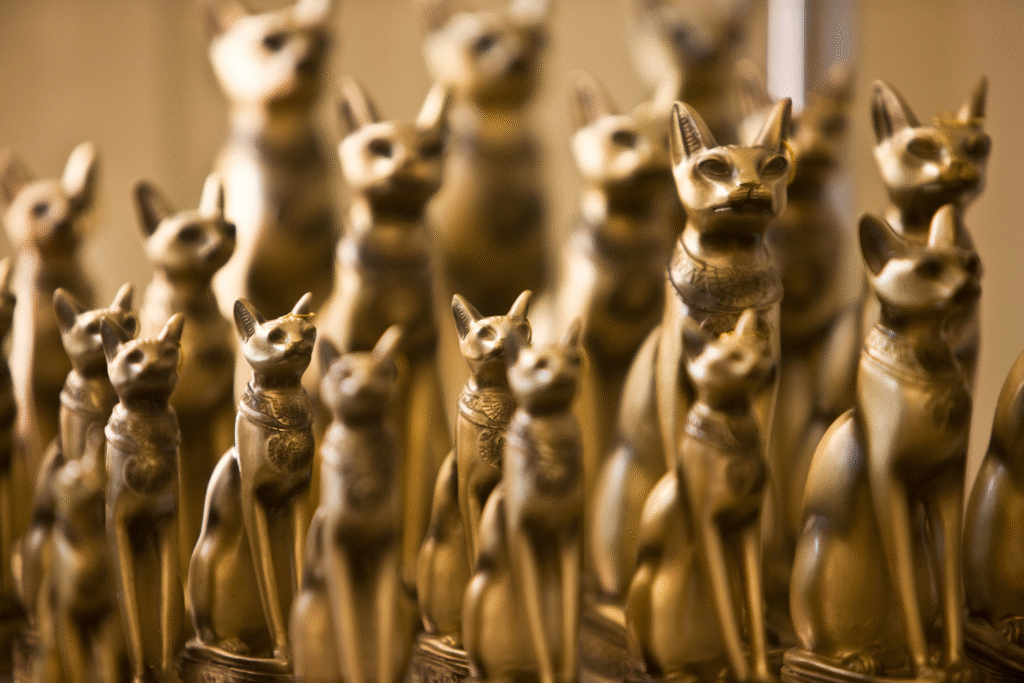
From tomb paintings to temple carvings, cats appear more frequently than any other animal except birds. They lounge beneath chairs, guard offerings, and even sit beside gods. Artists used their poised bodies and almond-shaped eyes to embody grace and eternity. The consistency of their portrayal across centuries shows that their symbolism never faded, it evolved with Egyptian society. Even when dynasties changed and empires fell, the cat’s role as divine companion remained untouched, an unbroken thread through thousands of years of human reverence.
10. Modern discoveries reveal just how wide their influence spread.
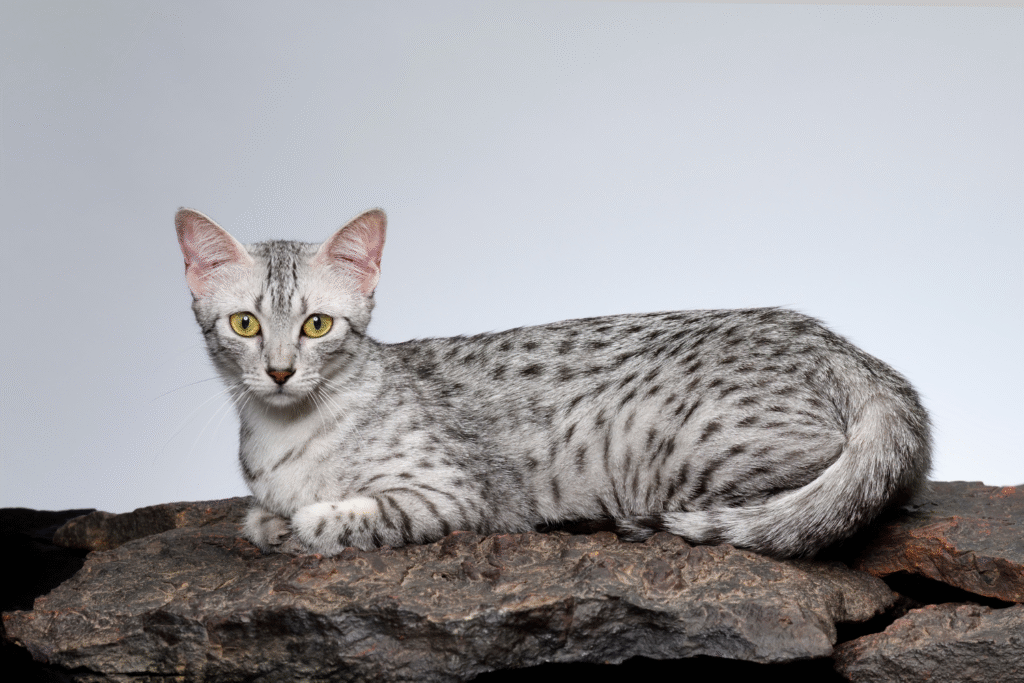
Recent DNA analysis has traced domestic cats worldwide back to ancient Egyptian lineages. As trade expanded along the Nile and Mediterranean, cats traveled with merchants, controlling pests on ships and spreading to Europe and Asia. Their global presence today is a living legacy of Egyptian civilization. What began as a local partnership turned into a species-wide migration shaped by faith, function, and fascination. The cats curled beside us today carry echoes of temples, goddesses, and the desert empire that first saw divinity in their eyes.