
The world looked different before evidence arrived.
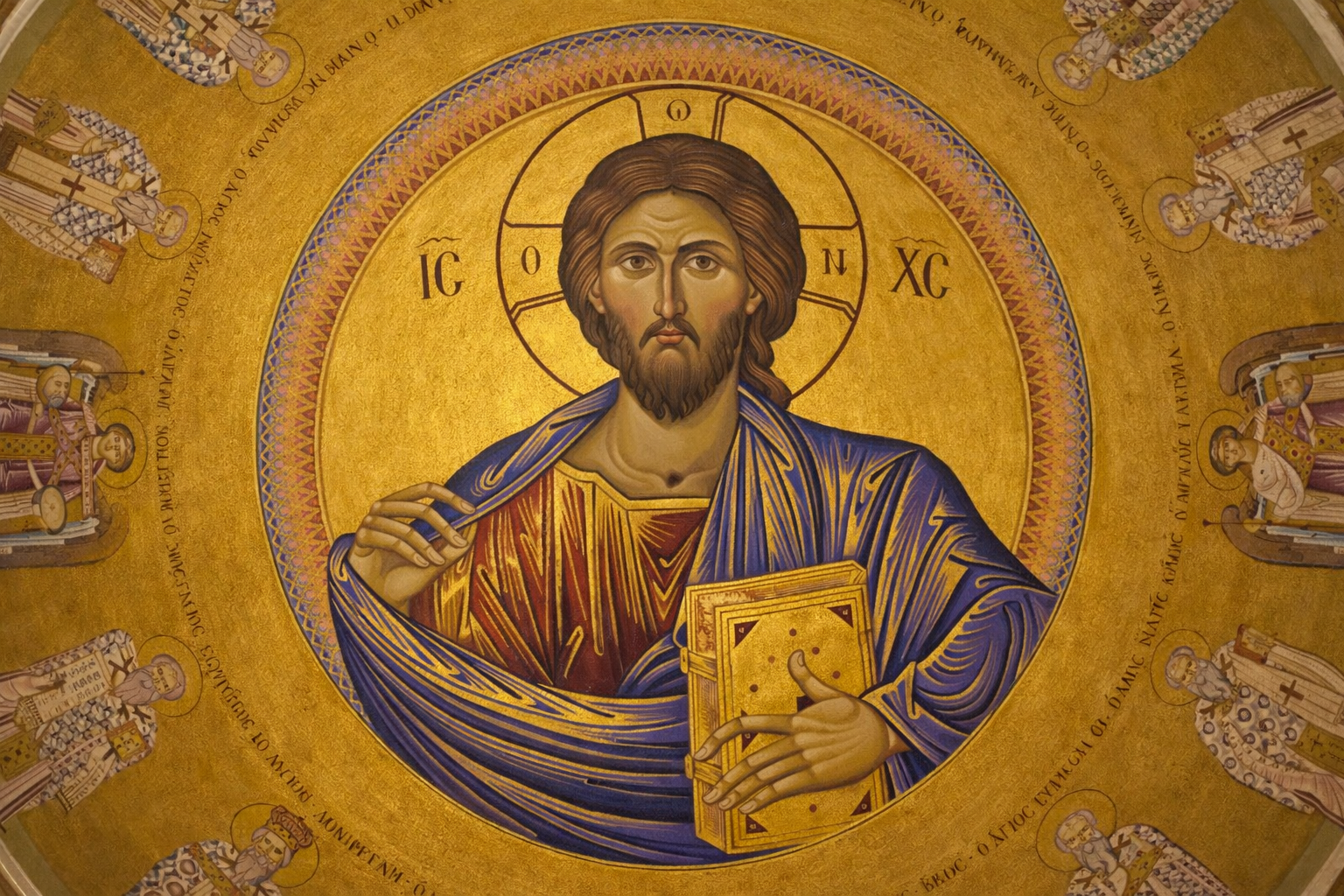
For most of human history religion offered the first framework for explaining the natural world. Sacred traditions tried to make sense of storms, illness, the stars, and even the origin of life itself. Those interpretations shaped cultures for centuries. Science later approached the same mysteries through observation, experiments, and evidence gathered across generations. The result did not erase every spiritual belief, but it did overturn many early explanations of how nature actually works.
1. The Earth is not a flat world.
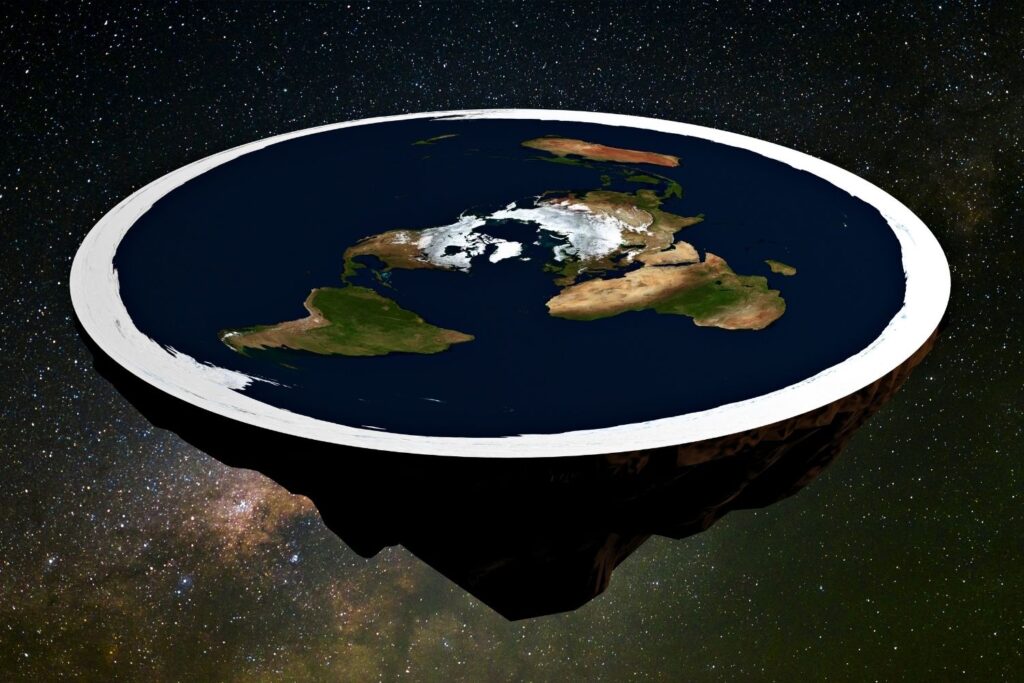
Many ancient cosmologies described Earth as a flat surface surrounded by cosmic waters. Early Mesopotamian and biblical traditions sometimes pictured the world as a disk beneath the heavens. Without global travel or advanced astronomy the idea made sense to observers standing on seemingly level land.
Navigation and astronomy gradually revealed a different picture. Sailors noticed ships disappear hull first beyond the horizon. Later measurements by Greek astronomer Eratosthenes estimated Earth’s circumference using shadows and geometry. Modern satellite imagery now confirms our planet is a rotating sphere about eight thousand miles across.
2. Earth does not sit at the center.
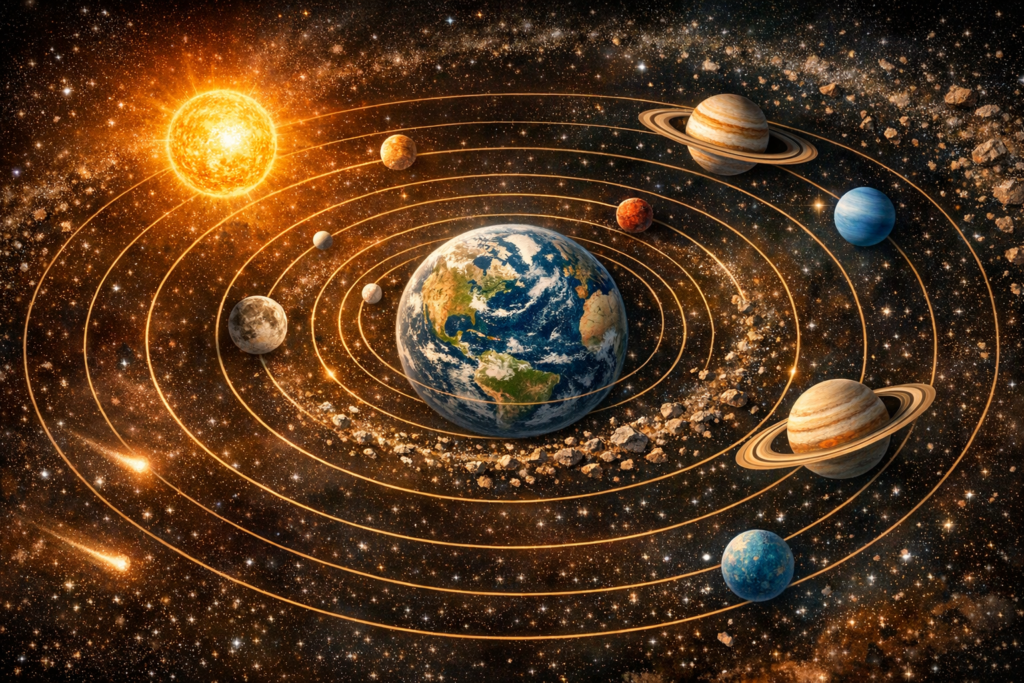
For centuries religious cosmology placed Earth at the center of the universe. In that view the sun, moon, planets, and stars revolved around a fixed world created specifically for humanity.
Astronomical observations slowly dismantled that model. Nicolaus Copernicus proposed that Earth orbits the sun, and Galileo later observed moons circling Jupiter through his telescope. Those discoveries revealed that our planet is one body moving through space among many others in a vast solar system.
3. Disease is not punishment from the divine.
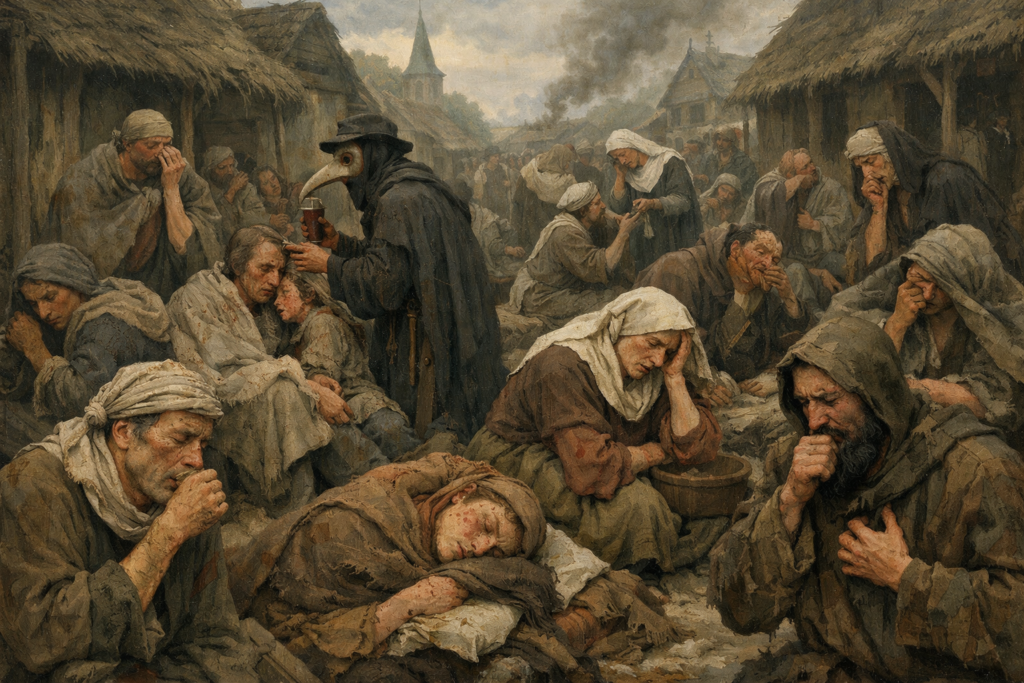
Ancient religious writings often connected illness with sin or divine judgment. Plagues and outbreaks were sometimes interpreted as moral warnings delivered through suffering.
Modern medicine discovered that disease usually comes from microorganisms such as bacteria, viruses, or parasites. Germ theory transformed public health through vaccines, sanitation systems, antibiotics, and clean water infrastructure. What once seemed like spiritual punishment now has biological explanations grounded in microbiology and epidemiology.
4. Thunder is not the voice of angry gods.
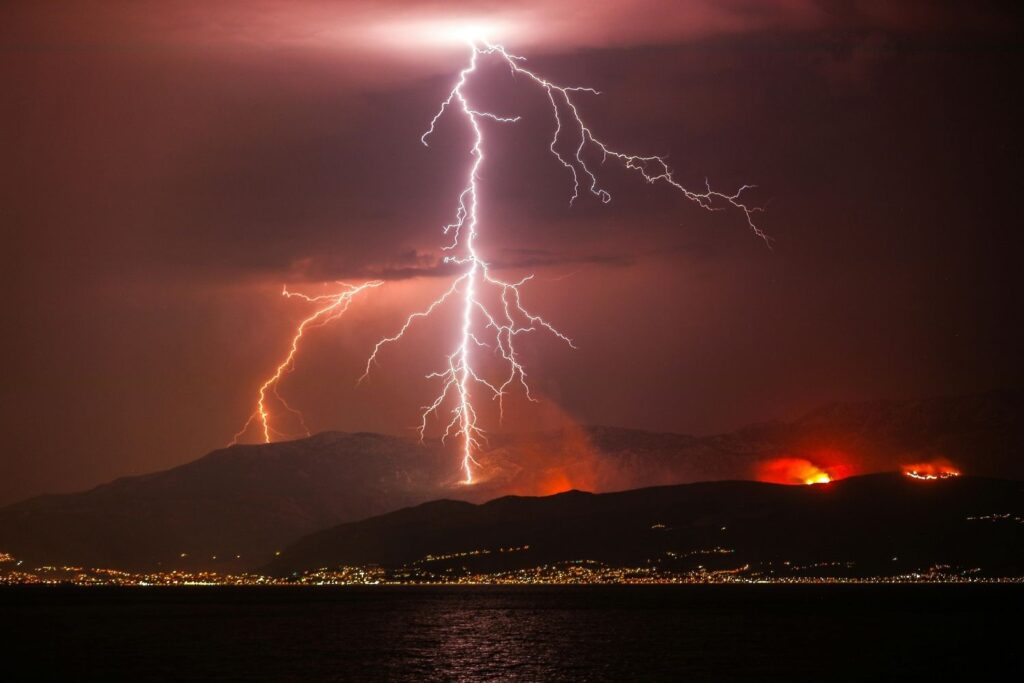
Storms once inspired powerful religious stories. Greek mythology linked lightning to Zeus, while Norse traditions associated thunder with the hammer of Thor.
Meteorology later revealed that thunderstorms form when warm rising air collides with cooler atmospheric layers. Electrical charges build inside towering clouds until they discharge as lightning. The explosive heating of air produces the shockwave we hear as thunder. What once sounded supernatural now reflects atmospheric physics.
5. Solar eclipses are not cosmic omens.
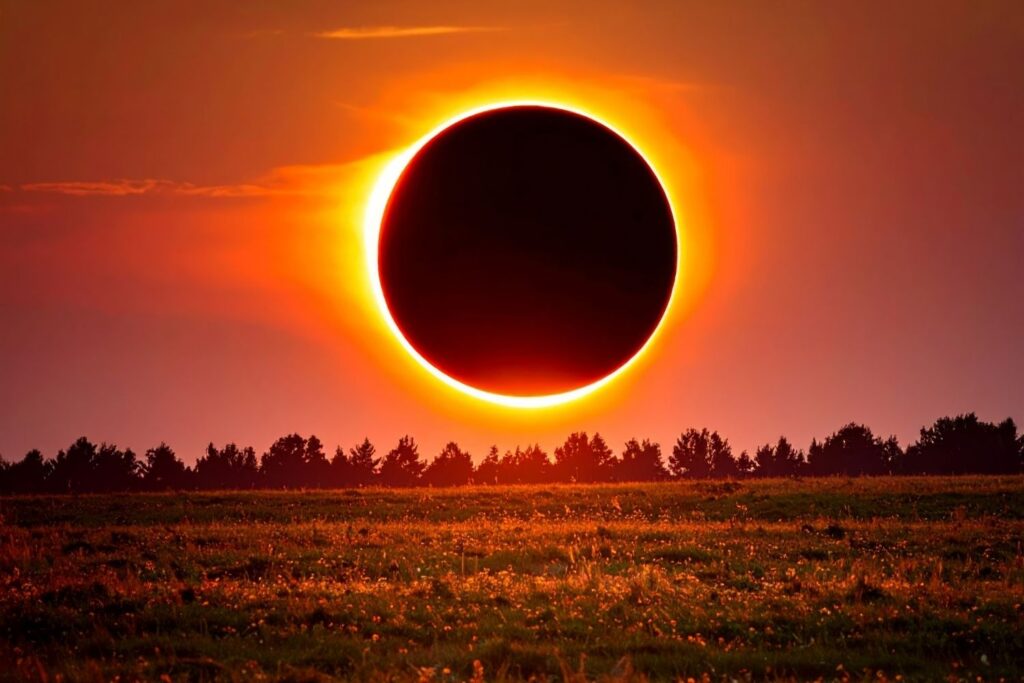
In many ancient cultures a darkened sun triggered fear. Some traditions imagined celestial creatures devouring the sun, while others believed eclipses warned of disaster.
Astronomers now understand eclipses as predictable alignments between the sun, moon, and Earth. When the moon passes between Earth and the sun it blocks sunlight for a short time before moving on. Modern calculations can predict these events centuries into the future with remarkable accuracy.
6. Earthquakes are not caused by hidden creatures.

Ancient myths often blamed earthquakes on giant animals or spirits beneath the ground. In Japan stories described a giant catfish thrashing beneath the islands. Greek tradition imagined underground gods stirring the earth.
Geology now shows earthquakes occur along boundaries where tectonic plates meet. These enormous sections of Earth’s crust slowly shift over time. When pressure builds and suddenly releases along faults the ground shakes, producing seismic waves that travel through the planet.
7. The Earth is far older than ancient timelines.
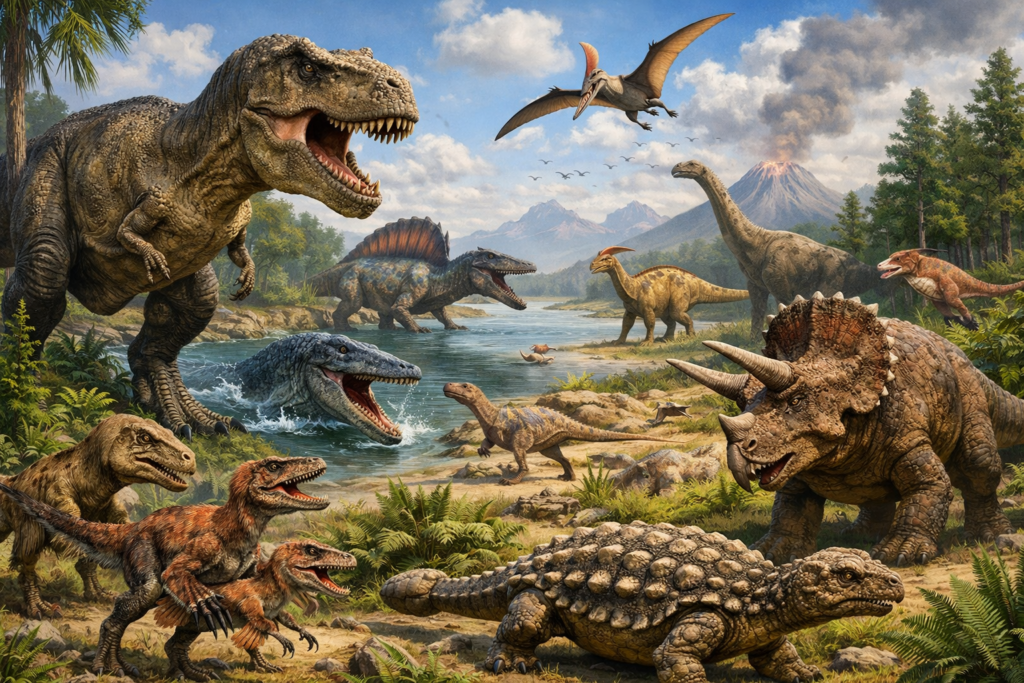
Some religious chronologies suggested the world was only a few thousand years old. These estimates often came from genealogies or symbolic interpretations of sacred texts.
Geological science paints a much older story. Radiometric dating measures the decay of unstable atoms within minerals. These measurements consistently show Earth formed about 4.54 billion years ago. Rock layers and fossils record that immense history across the planet.
8. Comets are not supernatural warnings.

Bright comets once terrified ancient observers. Many cultures believed these glowing objects signaled wars, plagues, or the death of rulers.
Astronomy now identifies comets as icy leftovers from the early solar system. They follow long elliptical paths around the sun. As sunlight warms their frozen surfaces gas and dust escape, forming the glowing tails visible from Earth.
9. The sky is not a solid dome or layered heaven.
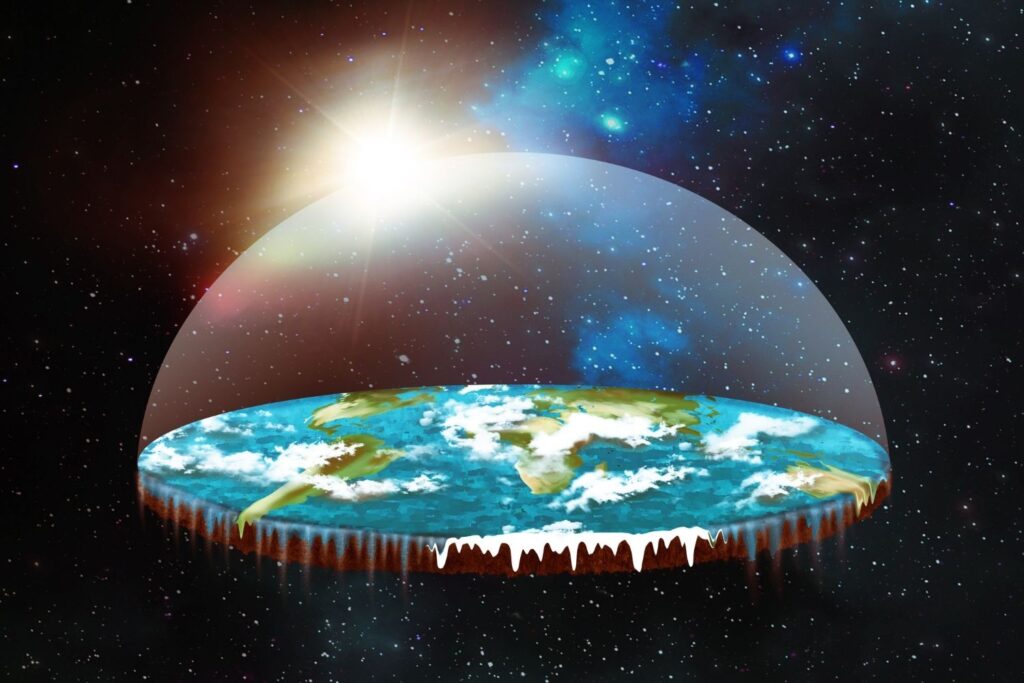
Ancient cosmologies often described the sky as a firm structure stretched above the Earth. Some traditions imagined layers of heaven stacked above that dome.
Astronomy gradually revealed that the sky is not a physical ceiling at all. Telescopes showed that stars are distant suns scattered across enormous distances. Beyond them lie entire galaxies containing billions of stars. The universe stretches far beyond anything ancient observers could have imagined.
10. Species did not appear exactly as they are.
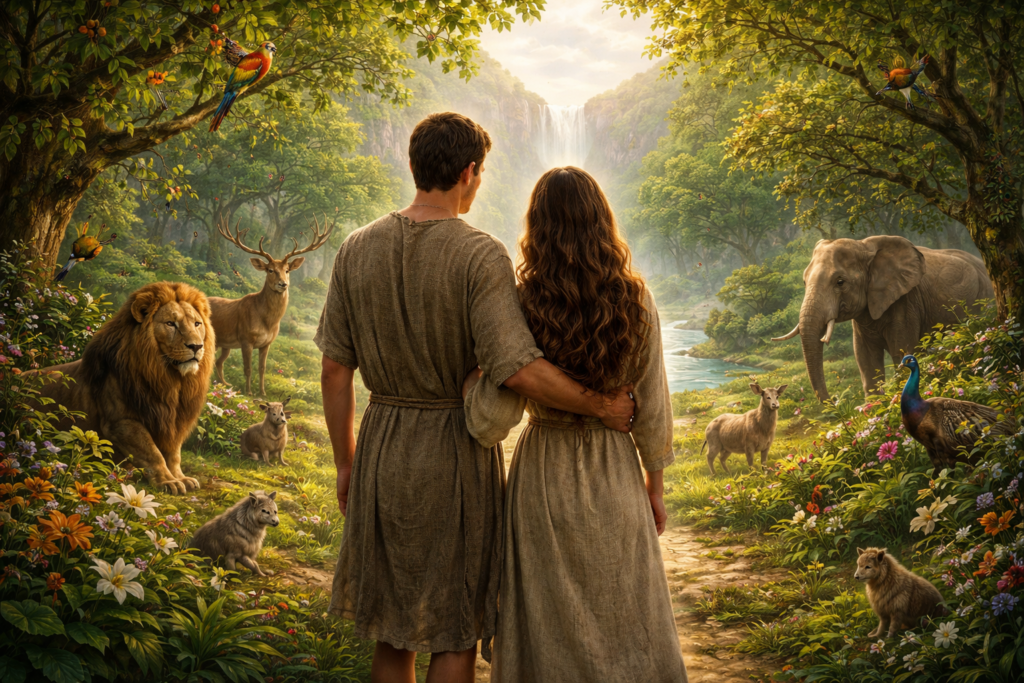
Many early religious traditions taught that every plant and animal species was created exactly as it exists today. This belief shaped how people understood the living world for centuries.
Biology later uncovered the process of evolution through natural selection. Fossils reveal species changing across millions of years, while modern genetics shows how life shares common ancestry. Evolution explains the diversity of organisms found across Earth today.
11. The universe has not existed forever unchanged.
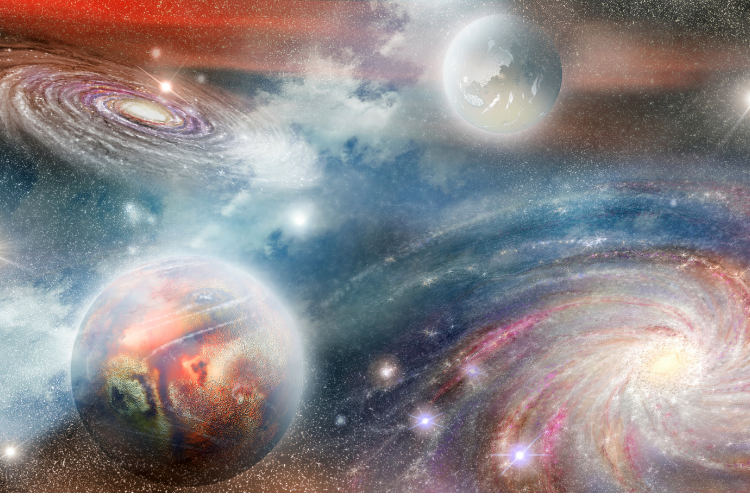
Some ancient philosophies imagined the universe as eternal and unchanging. The stars seemed fixed and permanent in the night sky.
Modern cosmology discovered that the universe is expanding. Observations of distant galaxies show space itself stretching outward. Evidence from cosmic background radiation suggests the universe began about 13.8 billion years ago in an event known as the Big Bang, a beginning that reshaped scientific understanding of cosmic history.
12. Ancient explanations filled gaps before evidence existed.
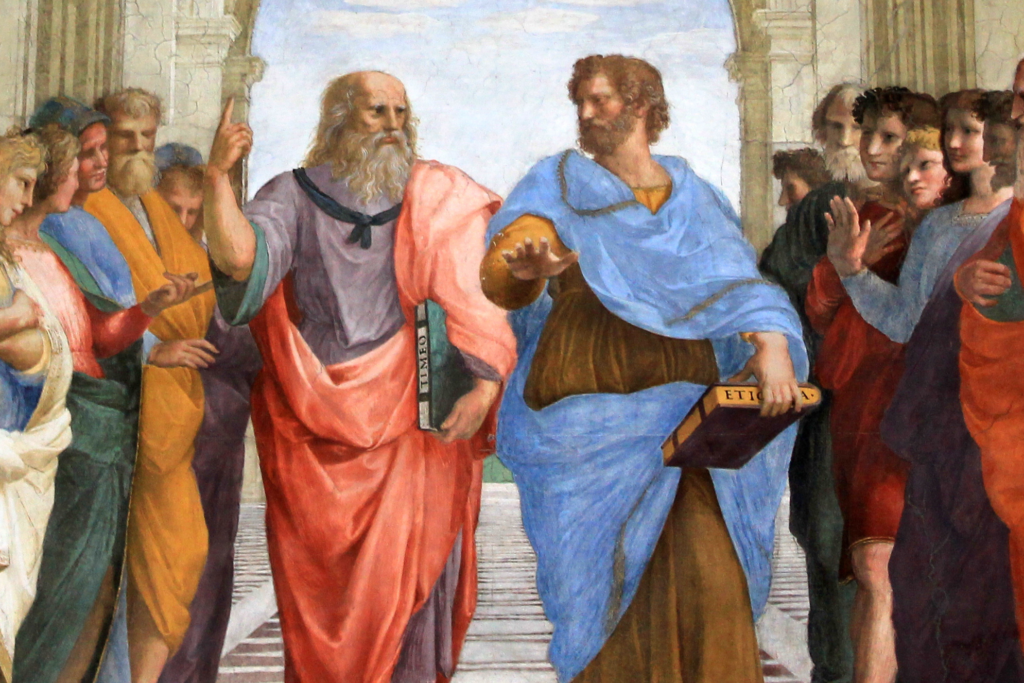
For most of human history people faced a world filled with mysteries but very few tools to investigate them. Thunder, illness, eclipses, and earthquakes appeared sudden and frightening. Religious teachings offered explanations that helped communities organize meaning, maintain order, and pass down knowledge. These ideas gave people a framework for understanding forces they could not yet measure or observe.
Science gradually replaced those explanations not by dismissing curiosity but by expanding it. Telescopes, microscopes, geological surveys, and experiments allowed people to test ideas instead of relying on tradition alone. As evidence accumulated, older interpretations of nature slowly gave way to models that could be measured, predicted, and verified.