
What these devices record is raising new concerns.
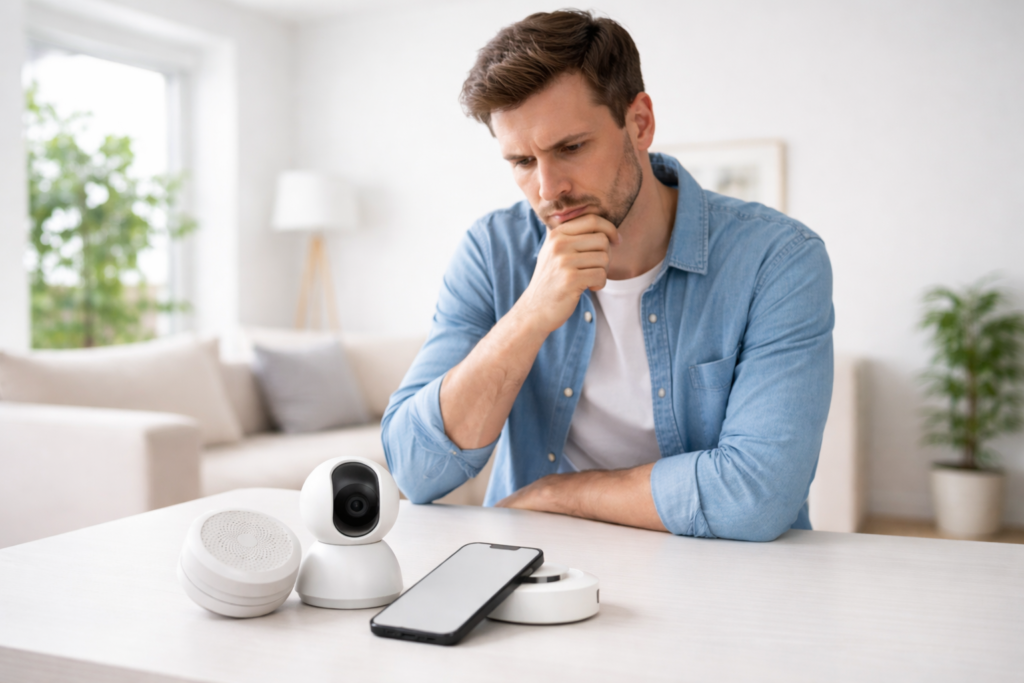
For years, smart cameras promised peace of mind, a way to watch over homes, deliveries, and daily life from anywhere. Now, a different pattern is emerging. Owners are reviewing footage they never expected to see, clips that raise questions about privacy, security, and who else might be watching. Reports are spreading across cities, suburbs, and online forums. The technology still works exactly as designed, but what it captures, and who can access it, is becoming harder to ignore.
1. Unexpected access has raised concerns about who is watching.
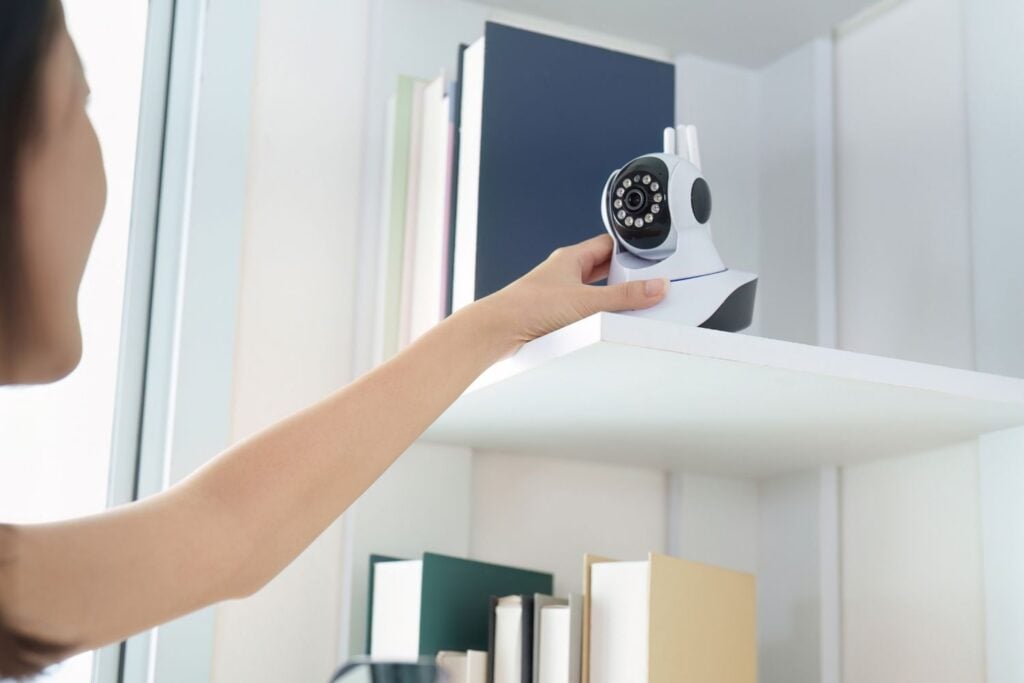
Some owners have reported moments where their cameras appeared to be accessed without their knowledge. In certain cases, voices were heard through built in speakers, or camera feeds seemed to activate unexpectedly, creating a sense that the device was no longer fully private.
These incidents are rare but documented. Weak passwords, reused credentials, and unsecured networks can allow unauthorized access. When these vulnerabilities are exploited, it blurs the line between a security device and a potential point of exposure, especially when the camera is placed inside the home. Some reports have surfaced in the United States and Europe. In a few cases, families described hearing unfamiliar voices addressing them directly. Even when traced back to compromised accounts, the experience leaves a lasting impact.
2. Stored footage may not stay as private as expected.
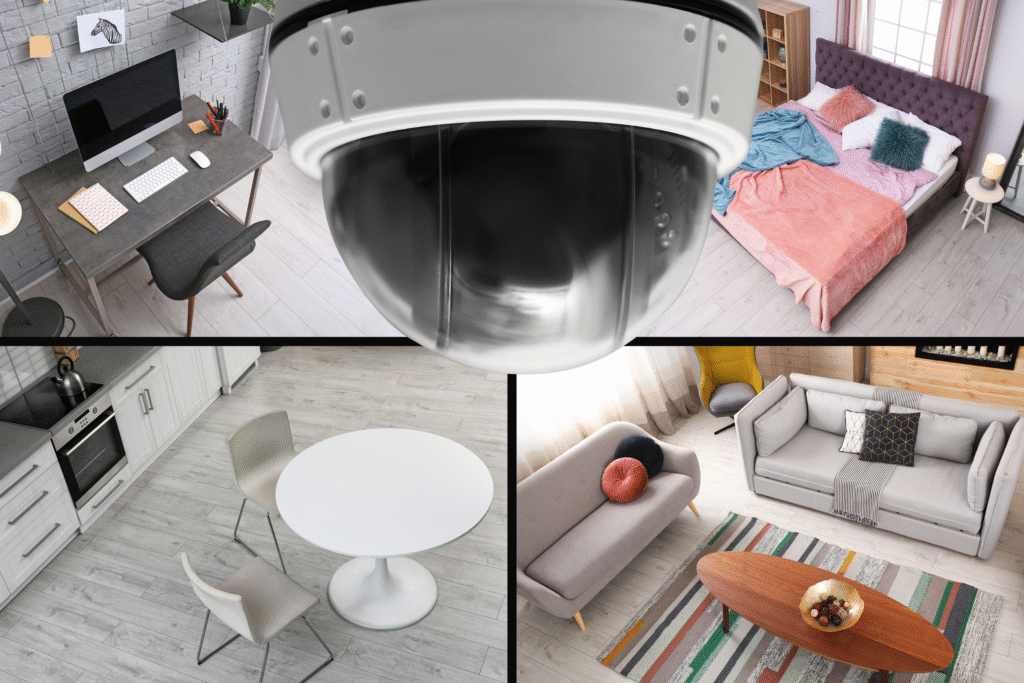
Many smart cameras automatically upload video to cloud storage systems for convenience. This allows owners to review footage at any time, but it also means that personal recordings are stored on remote servers.
While companies use encryption and security protocols, no system is completely immune to breaches or internal access concerns. Questions about who can view stored footage, how long it is kept, and how it may be used have led some users to reconsider how much they record. Some platforms retain clips longer than users realize. Others allow sharing features that can extend access beyond the original owner. The more layers involved, the harder it becomes to track where footage ultimately resides.
3. Motion detection is capturing more than intended.
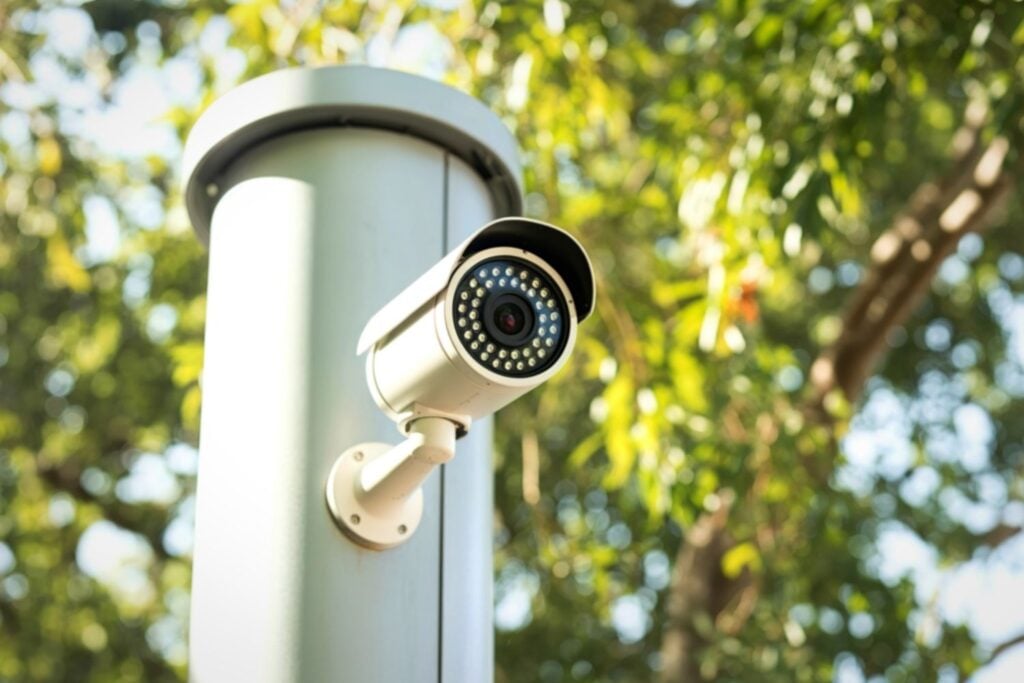
Smart cameras are designed to detect movement and begin recording automatically. In practice, that often includes neighbors, passing pedestrians, or activity beyond the intended property boundaries.
This has created tension in some communities. In certain areas, neighbors have raised concerns about being recorded without consent. The camera may be pointed at a front yard, but its field of view can extend further than expected, capturing moments that were never meant to be shared or stored. Some municipalities have begun reviewing local privacy guidelines. In dense neighborhoods, overlapping camera views are becoming common. What starts as home security can quickly become shared surveillance without clear boundaries.
4. Audio recording introduces additional privacy risks.
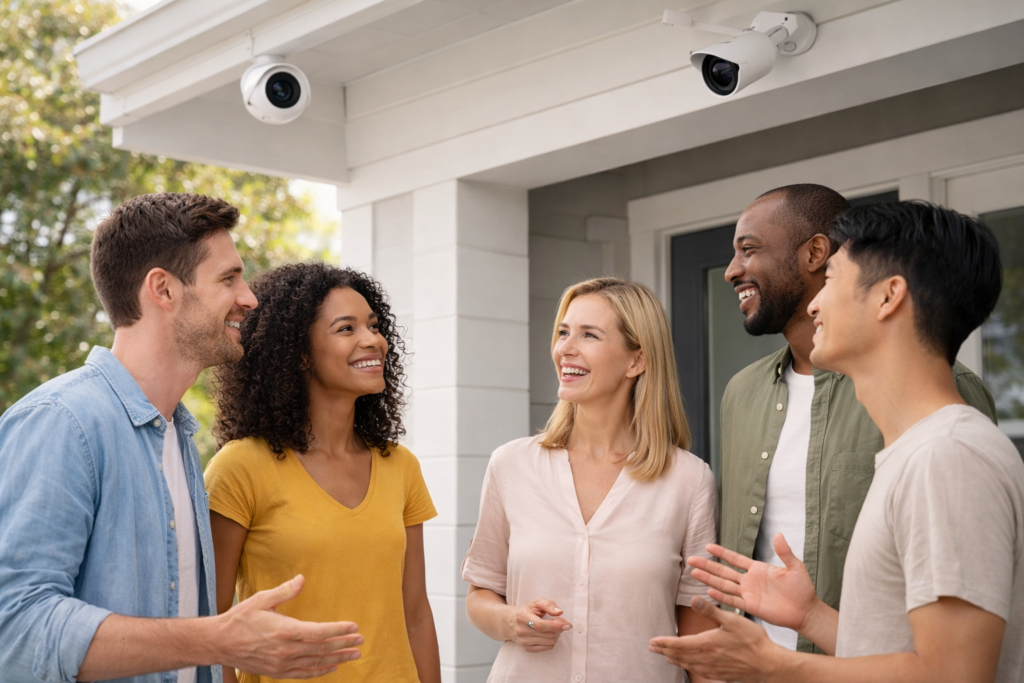
Many smart cameras include microphones that capture sound along with video. This feature can be useful for communication, but it also raises additional concerns about privacy.
In some regions, recording audio without consent may violate local laws. Even where it is legal, the idea that conversations could be captured unintentionally has made some users uneasy. Unlike video, audio can reveal details that are not visible on screen. Background conversations can include sensitive information. Voices can identify individuals even when faces are not visible. These layers make audio recording a more complex issue than many users initially expect.
5. Facial recognition features are becoming more advanced.
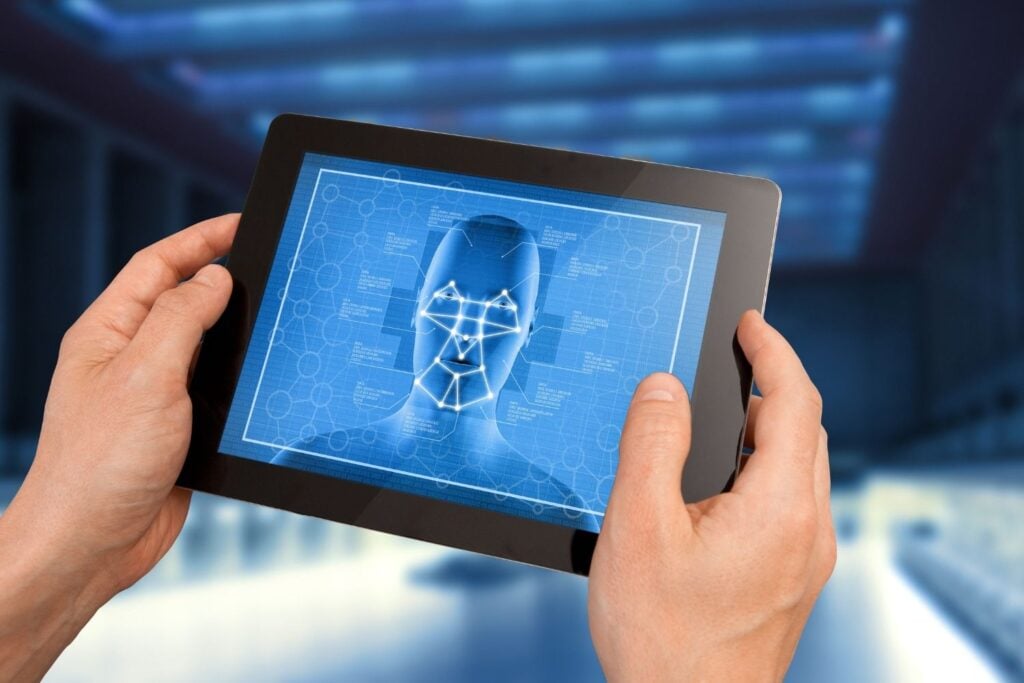
Some newer systems include facial recognition technology that can identify familiar faces and flag unknown visitors. While this feature is marketed as a security upgrade, it introduces new layers of complexity.
Storing biometric data creates additional risks. If that data is compromised, it cannot be changed like a password. The technology also raises broader questions about surveillance, especially when applied beyond the home in shared or public spaces. Some systems build databases over time. Others link identities across multiple devices. The expansion of this capability is happening faster than most regulations can keep up.
6. Law enforcement access has raised new questions.
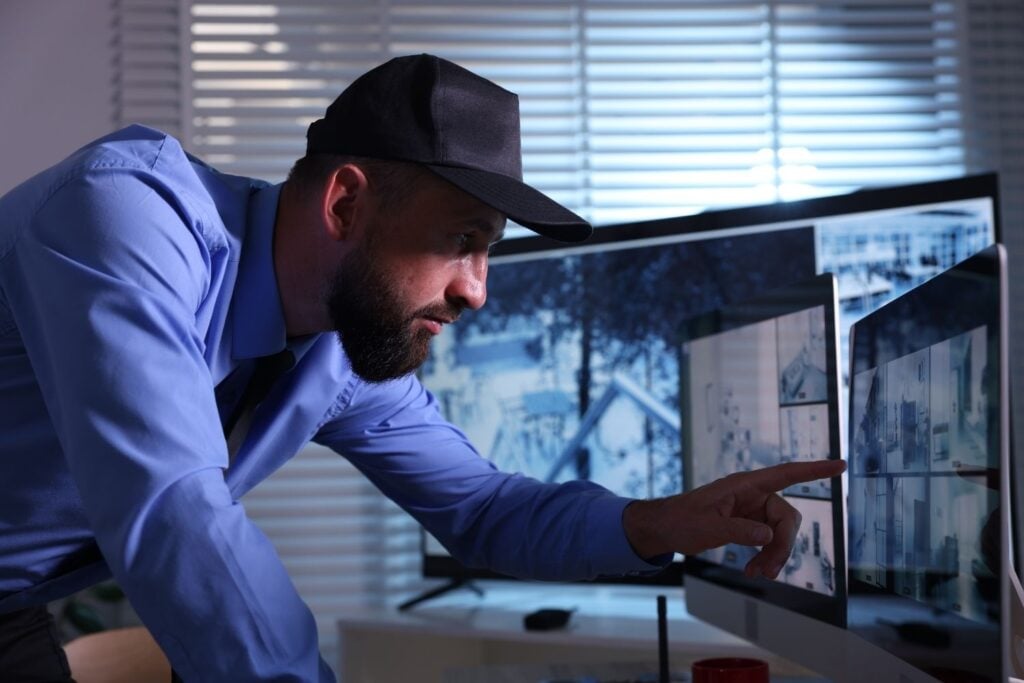
In certain areas, law enforcement agencies have partnered with smart camera companies or requested footage directly from users during investigations. This has expanded the role of private cameras in public safety.
While some homeowners support this use, others are concerned about how often footage is requested and under what circumstances. The idea that a personal device could become part of a broader surveillance network has prompted ongoing debate. Requests can vary by region. Some programs rely on voluntary sharing. Others involve formal legal processes that many users do not fully understand.
7. Software updates can change how devices behave.
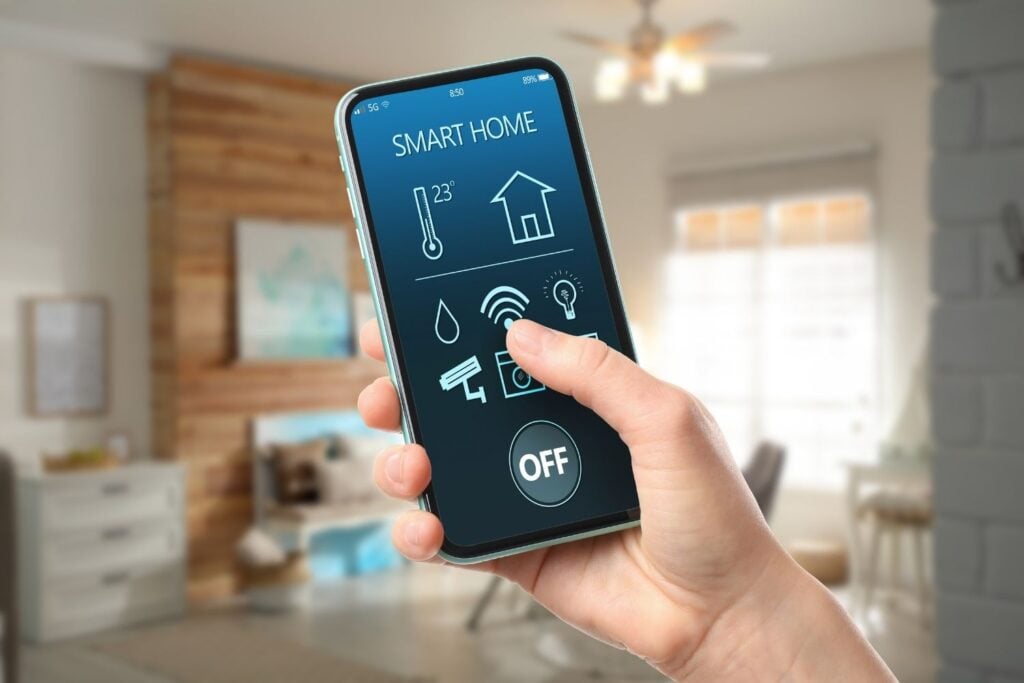
Smart cameras rely on software that is regularly updated by manufacturers. These updates can improve performance, but they can also introduce new features or change how data is handled.
For some users, these changes arrive with little notice. A device purchased for one purpose may gradually evolve into something more complex. Understanding what a camera is doing at any given moment becomes harder as updates accumulate over time. New settings may be enabled by default. Permissions can shift without clear alerts. Over time, the original expectations for the device may no longer match its current behavior.
8. Data sharing policies are often difficult to follow.

Privacy policies and terms of service documents outline how data is collected and used. However, these documents are often lengthy and difficult to interpret.
Many users agree to them without fully understanding the details. As concerns grow, more people are revisiting these policies and realizing how much information may be collected, stored, or shared. That realization can change how comfortable they feel using the device. Some policies allow data to be used for product improvement. Others mention partnerships that are not clearly explained. The complexity itself becomes part of the concern.
9. Cameras can reveal patterns about daily life.
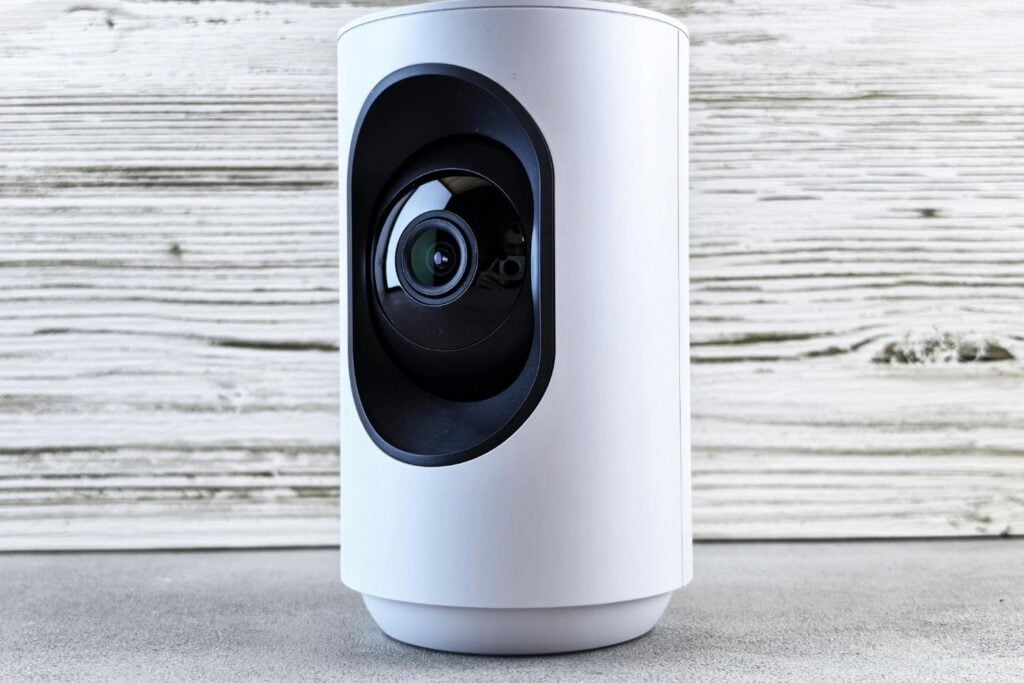
Over time, recorded footage can build a detailed picture of routines. When people leave home, when deliveries arrive, and how often a property is occupied can all be inferred from video data.
If accessed by the wrong party, this information could be used in unintended ways. The same data that helps a homeowner monitor activity could also expose patterns that were never meant to be visible to others. Repeated recordings create a timeline. That timeline can reveal habits with surprising accuracy. Even small details, when combined, can form a clear picture of daily life.
10. Some users are choosing to disconnect entirely.
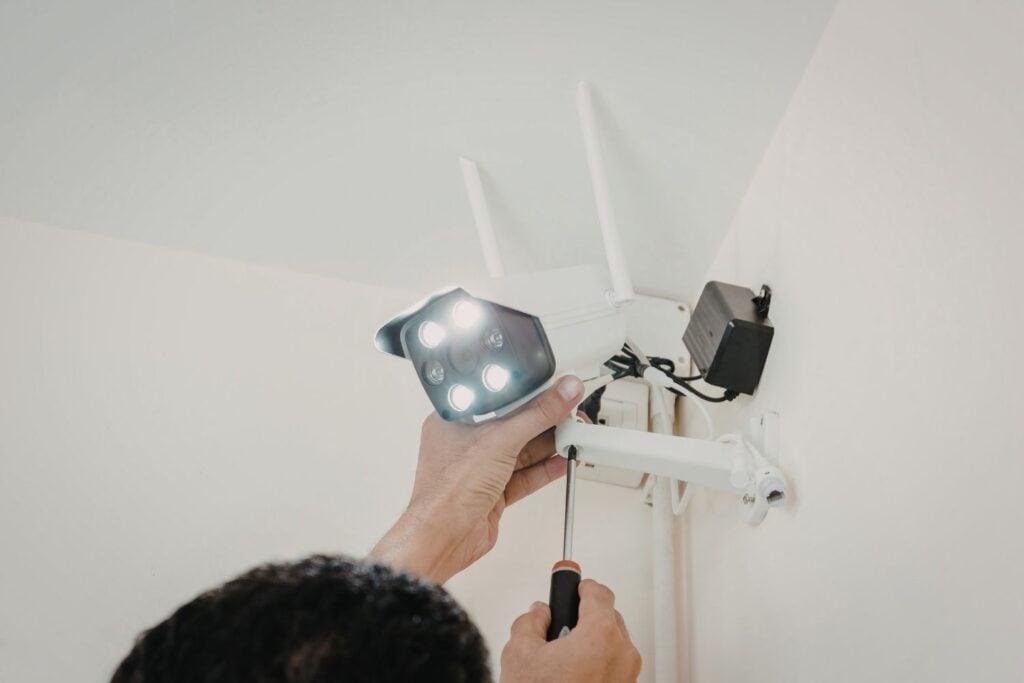
Faced with these concerns, a growing number of users are reconsidering whether the benefits outweigh the risks. In some cases, cameras are being repositioned, disabled, or removed altogether.
The decision is not always simple. Smart cameras still provide real advantages in security and convenience. Yet for some owners, the idea of constant recording, combined with unanswered questions about access and control, has been enough to prompt a second look. Some users switch to local storage options. Others limit camera placement to outdoor areas only. The shift reflects a broader reevaluation of how much visibility people are willing to accept.