
These phrases are more historically layered than they seem.

Many commonly used phrases have origins that are rarely considered in everyday conversation. These expressions have been repeated for generations, often without awareness of how they entered the language or what they originally meant. In many cases, the meanings have shifted over time, while the wording has remained unchanged. Linguists and historians have traced several of these phrases back to early interactions between Native communities and European settlers. Understanding where these expressions come from provides context for how language evolves and how cultural influences become embedded in daily speech, often long after their original significance has faded from common understanding.
1. Bury the hatchet still signals a final end.
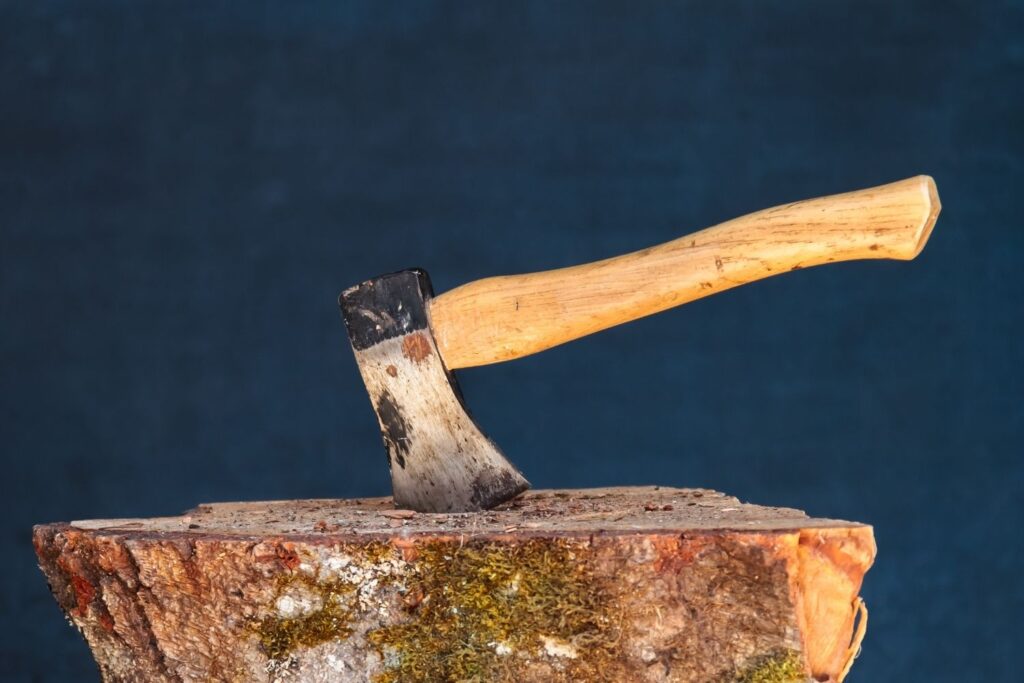
It shows up in arguments that have dragged on too long, when someone decides enough is enough. The phrase feels simple, but it carries a sense of closure that is stronger than most people notice. It suggests something permanent, not just a temporary pause in conflict.
The origin traces back to documented peace ceremonies among Eastern Woodland tribes in regions like present day New York and Pennsylvania. Weapons were physically buried to mark the end of hostility. That action created a visible, irreversible moment, and the phrase still echoes that finality.
2. Smoke the peace pipe still implies serious agreement.
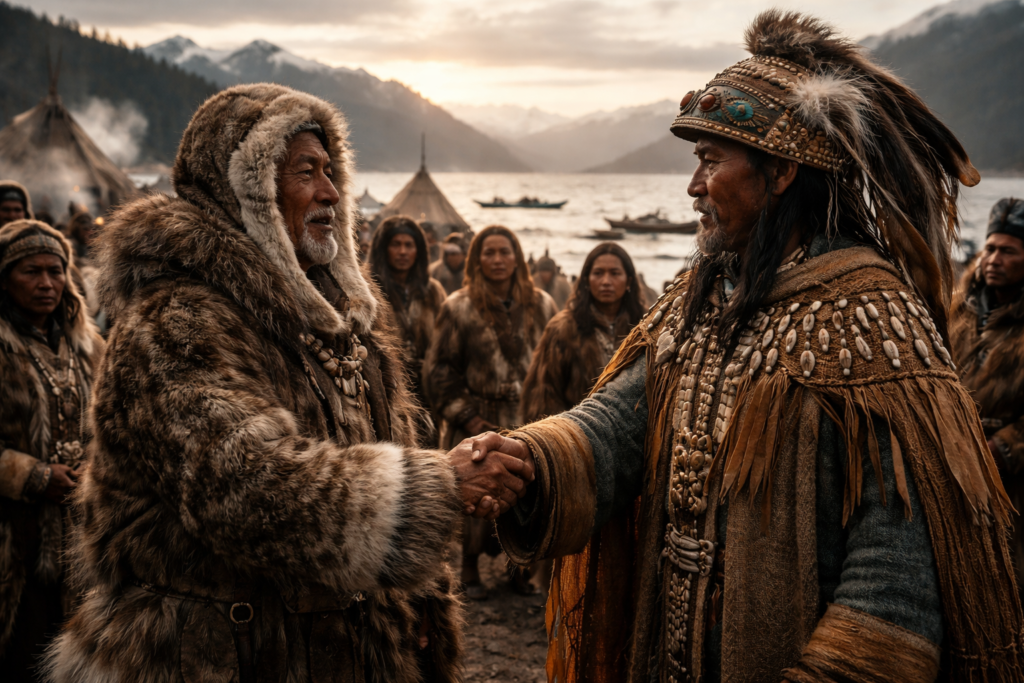
It often comes out casually after disagreements, sometimes even as a joke, but there is a deeper implication that something has been settled. The phrase carries an unspoken expectation that the conflict is not meant to resurface again.
Ceremonial pipes were used in diplomatic rituals among tribes such as the Lakota and other Plains nations. These gatherings involved formal agreements and shared responsibility. Over time, the phrase entered American English, keeping the idea of resolution while losing the gravity behind the act.
3. On the warpath suggests action not just anger.

When someone is described this way, it signals more than frustration. It implies movement, intention, and a readiness to confront. There is a sense that something is already in motion and cannot easily be stopped.
Historically, the phrase referred to preparation for battle among various tribes across North America. It described a state where decisions had been made and action was imminent. That intensity remains embedded in how the phrase is used today.
4. Circle the wagons reveals a defensive mindset.
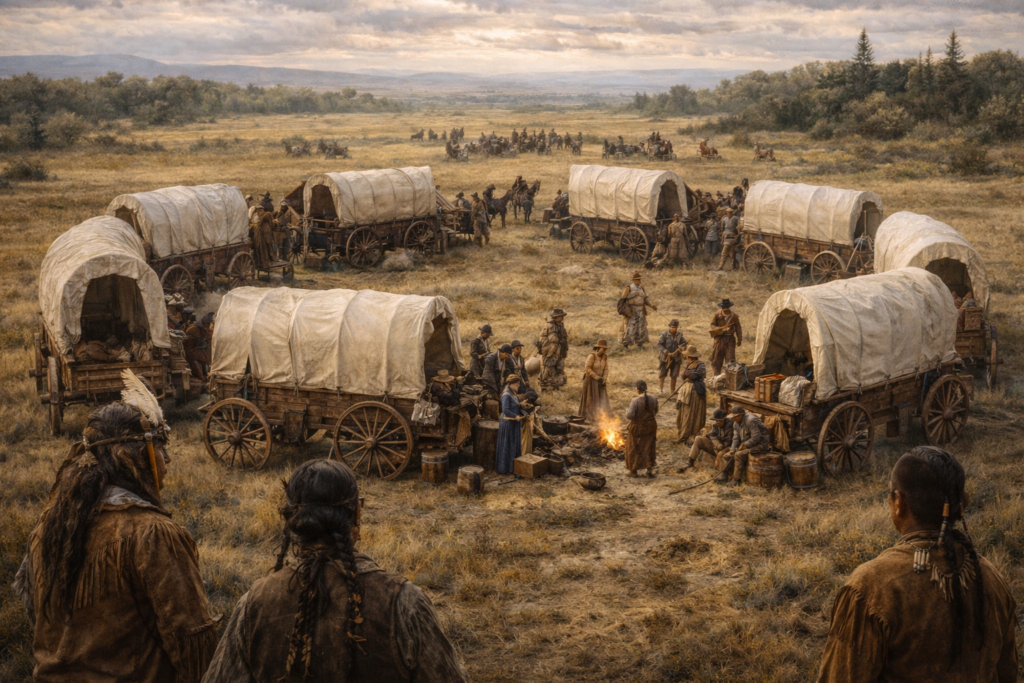
You hear it when groups pull inward, whether in families, companies, or public disputes. It signals protection, but also exclusion, drawing a boundary between those inside and those outside.
The phrase developed during westward expansion in the nineteenth century, when settlers traveling through Native territories used circular wagon formations for defense. The context of tension and perceived threat shaped how the phrase carries a sense of urgency and guarded behavior.
5. Have a quick powwow sounds casual today.
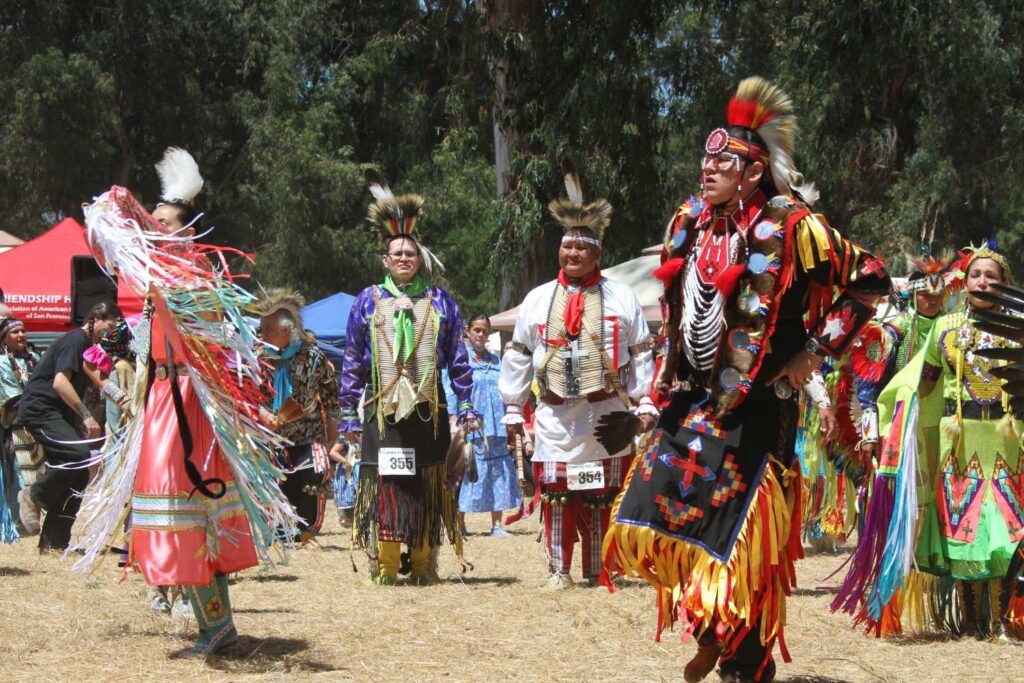
It appears in emails, meetings, and everyday conversation, often meaning nothing more than a brief discussion. Yet the word itself carries cultural weight that is rarely acknowledged in modern usage.
Powwows are structured gatherings central to many Native communities, involving ceremony, dance, and social connection. The term was adopted into American English during early contact periods, shifting from a significant cultural event to a shorthand for conversation.
6. Pass the talking stick enforces listening rules.
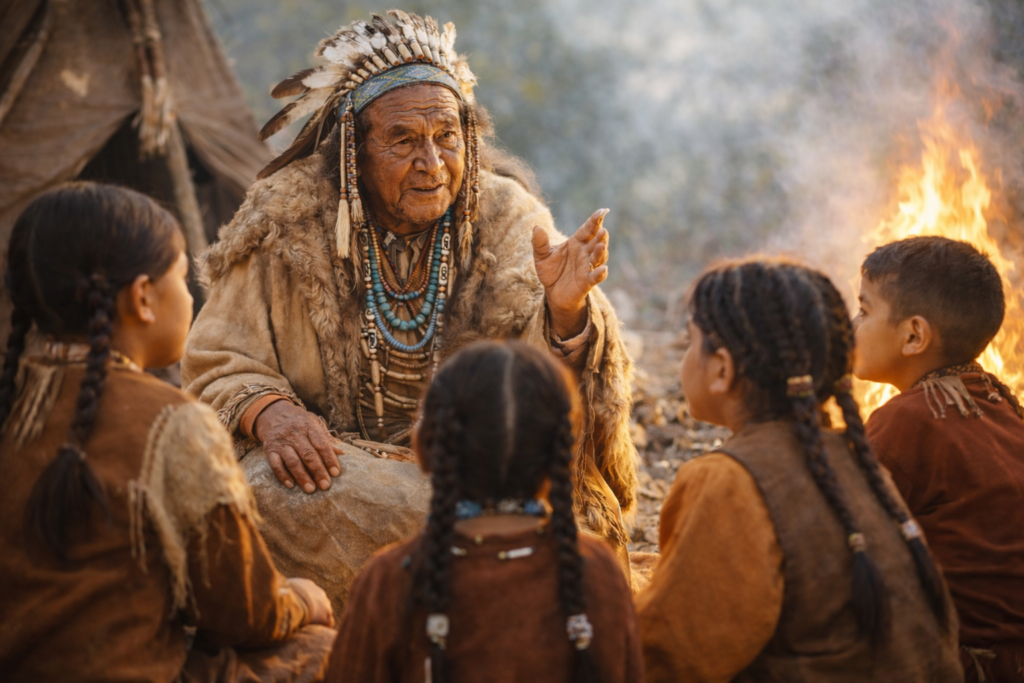
In group settings, the phrase signals that one person has the floor while others listen. It introduces order into conversation, especially where interruptions would otherwise dominate.
This concept reflects documented practices among tribes such as the Haudenosaunee, where a physical object designated who could speak. The system encouraged respect and balance. Even without the object, the phrase still carries that expectation of structured communication.
7. Blaze a trail carries weight beyond innovation.
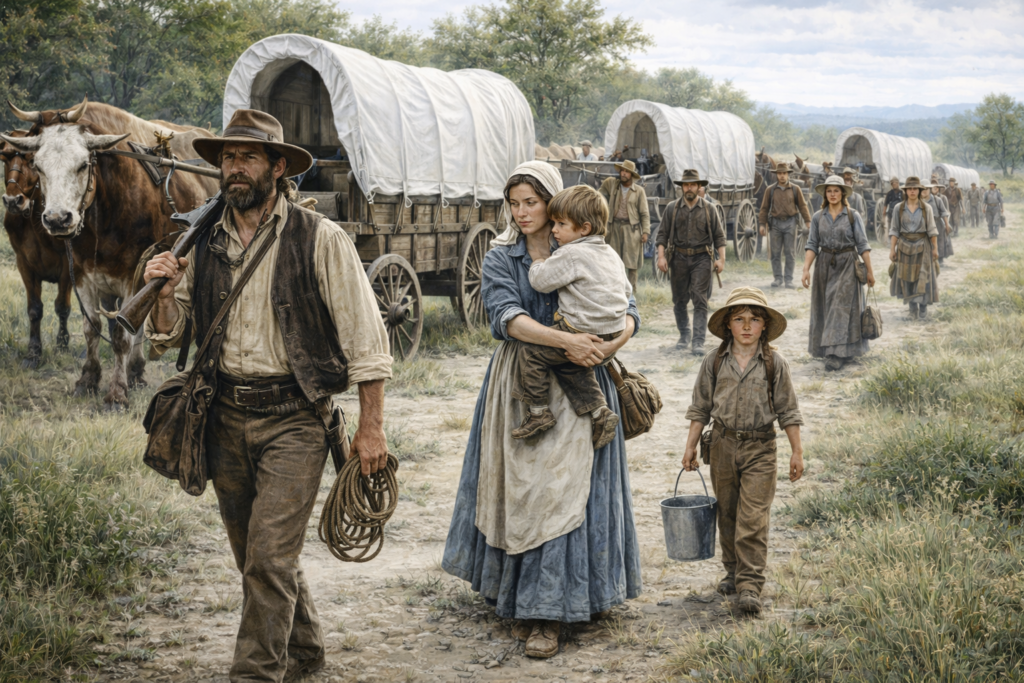
Today, it is used for pioneers in business, technology, or culture, suggesting bold movement into new territory. It implies risk, effort, and a path others can follow.
The phrase connects to early exploration across North America, where settlers relied heavily on trails originally established by Indigenous peoples. These routes shaped movement across the continent, and the language that emerged reflects that dependence and adaptation.
8. Go on a vision quest signals personal searching.

It is now used to describe moments of self reflection or major life decisions. The phrase suggests stepping away from routine in search of clarity or purpose.
Vision quests were specific spiritual practices among tribes such as the Lakota, involving isolation and ritual to seek guidance. The modern use borrows the idea of searching for meaning, but often without the cultural and spiritual depth of the original practice.
9. That is good medicine implies something deeper.

People use it to describe something that feels right, healing, or beneficial. It often appears in casual conversation without much thought, yet it carries a broader meaning than simple approval.
In many Native traditions, medicine refers not only to physical healing but also to spiritual power and balance. This expanded definition shaped how the word entered English, allowing it to describe emotional or symbolic forms of well being.
10. Run the gauntlet still suggests a difficult passage.

It is used when someone must face a series of challenges, often in sequence. The phrase carries a sense of inevitability, as if there is no way around the experience.
The term was recorded during colonial periods and reflects practices observed in both European and Native contexts. In North America, it became associated with endurance and survival, shaping how it is used in modern language to describe difficult trials.
11. Low on the totem pole signals perceived rank.

It appears frequently in workplaces and social hierarchies, describing someone with less authority or influence. The phrase feels straightforward, but its meaning is often misunderstood.
Totem poles, created by tribes of the Pacific Northwest, including the Tlingit and Haida, represent lineage, stories, and identity. The idea of rank is a later interpretation added through outside misunderstanding, yet the phrase remains embedded in everyday speech.
12. Pipe dream still hints at altered perception.
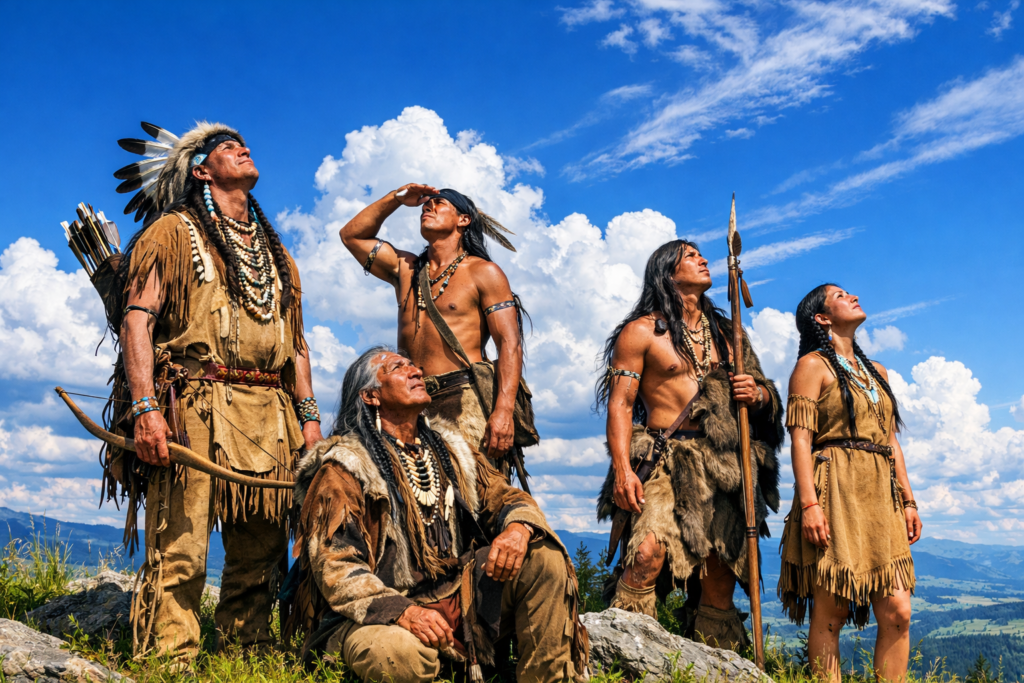
It is used to describe unrealistic plans or ideas that are unlikely to succeed. The phrase carries a tone of dismissal, suggesting something imagined rather than achievable.
The origin is debated, but many scholars link it to early observations of ceremonial or altered states involving pipes. Over time, the phrase shifted toward describing impractical thinking, retaining the sense of something detached from reality.
13. Scout it out reflects observation before action.
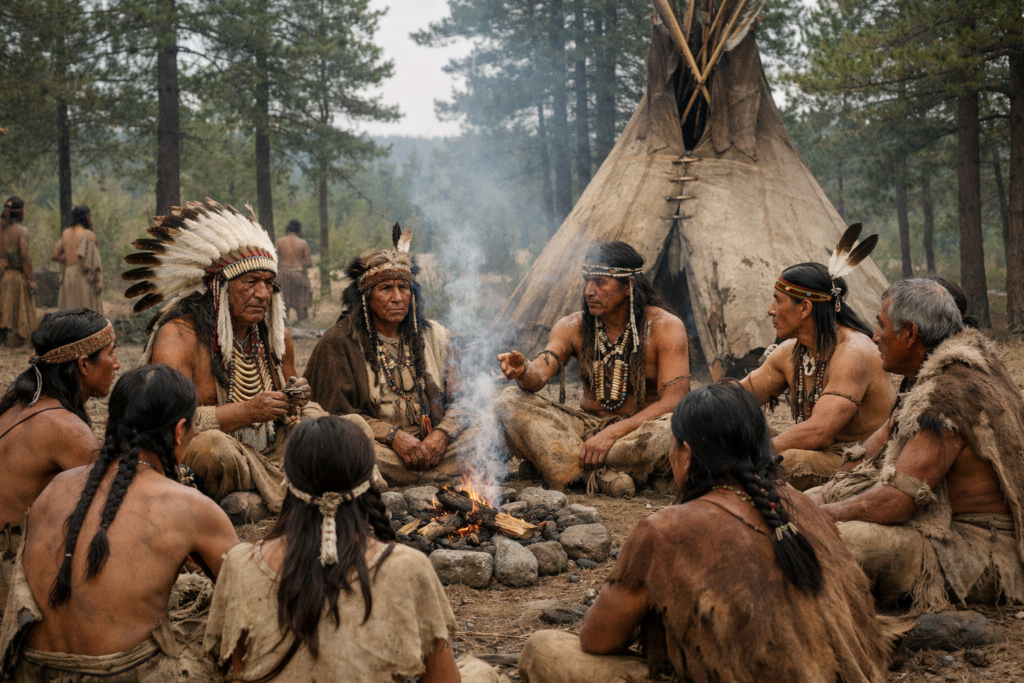
People use it when checking a place, situation, or plan before committing. It suggests caution and awareness, gathering information before moving forward.
The term scout gained prominence through interactions with Indigenous tracking and reconnaissance practices, especially during eighteenth and nineteenth century conflicts. Those skills influenced military and civilian language, shaping how the phrase is used to describe preparation and awareness today.