
Subtle ocean shifts are beginning to raise global concern.
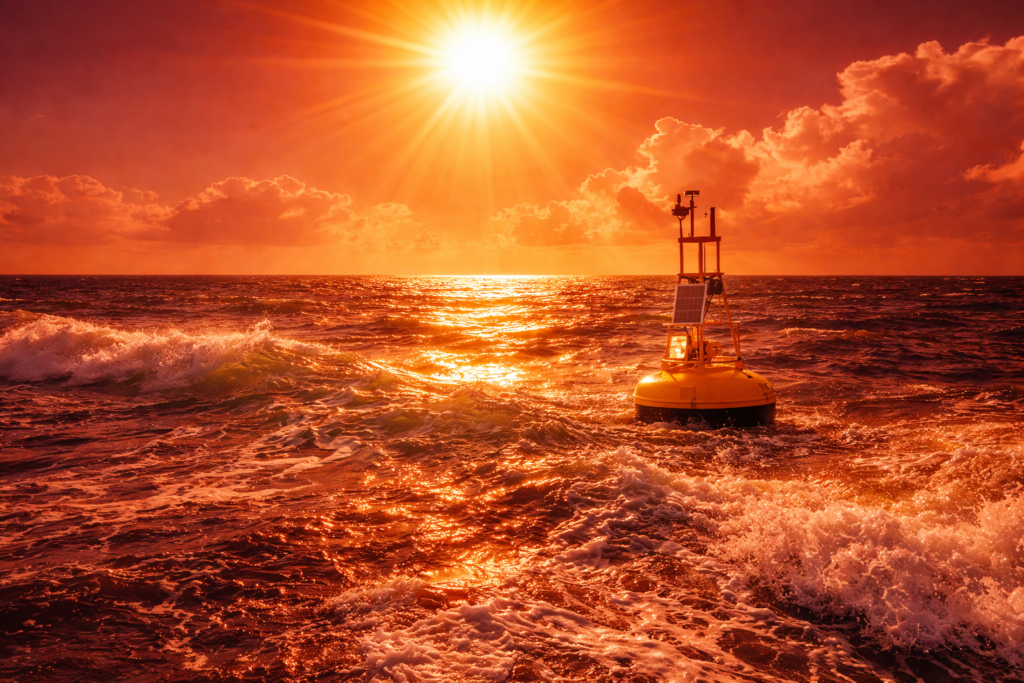
Something is building beneath the Pacific, and it is not staying contained. Satellites, buoys, and ocean readings are all hinting at a shift that tends to ripple far beyond where it begins. Weather patterns are starting to behave just slightly differently, enough for scientists to start watching more closely. The signals are early, but they are aligning in a way that has triggered concern before. What happens next rarely stays local, and the timing could matter more than anyone expected.
1. Ocean temperatures are rising faster than expected.
Across the central and eastern Pacific, surface waters are warming in uneven but persistent bands. The increase is not dramatic day to day, yet the consistency is what has experts watching closely. These shifts can look harmless at first, but they tend to build into something much larger when conditions align.
That warming pattern has already crossed thresholds linked to El Niño formation, according to NOAA. Once these temperature anomalies lock into place, they begin influencing wind patterns and pressure systems in ways that are difficult to reverse. The early pace suggests this event may not follow a slow or predictable path.
2. Trade winds are weakening in key regions now.
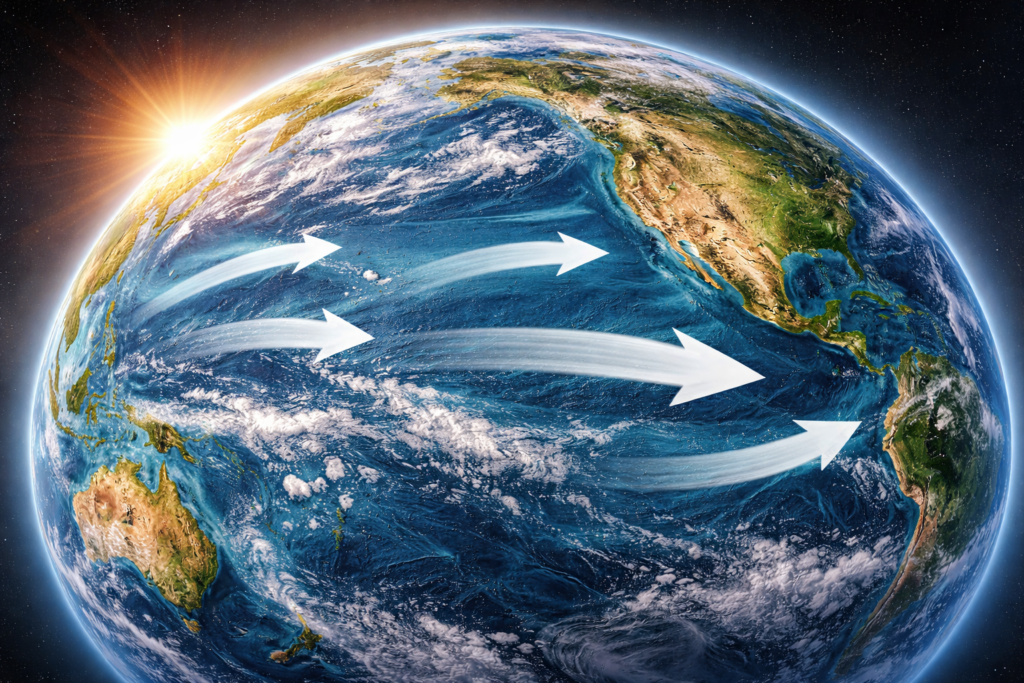
Winds that normally push warm water westward across the Pacific are beginning to lose strength. That subtle slowdown allows heat to linger and spread eastward, creating a feedback loop that reinforces itself. It is not a dramatic collapse, but enough to shift how the ocean behaves beneath the surface.
This weakening has been detected across multiple monitoring zones, signaling a broader change rather than an isolated fluctuation, as reported by the World Meteorological Organization. When these winds falter, the ocean’s balance tilts, and the atmosphere tends to follow, often with consequences that unfold over months rather than days.
3. Atmospheric pressure patterns are starting to shift.
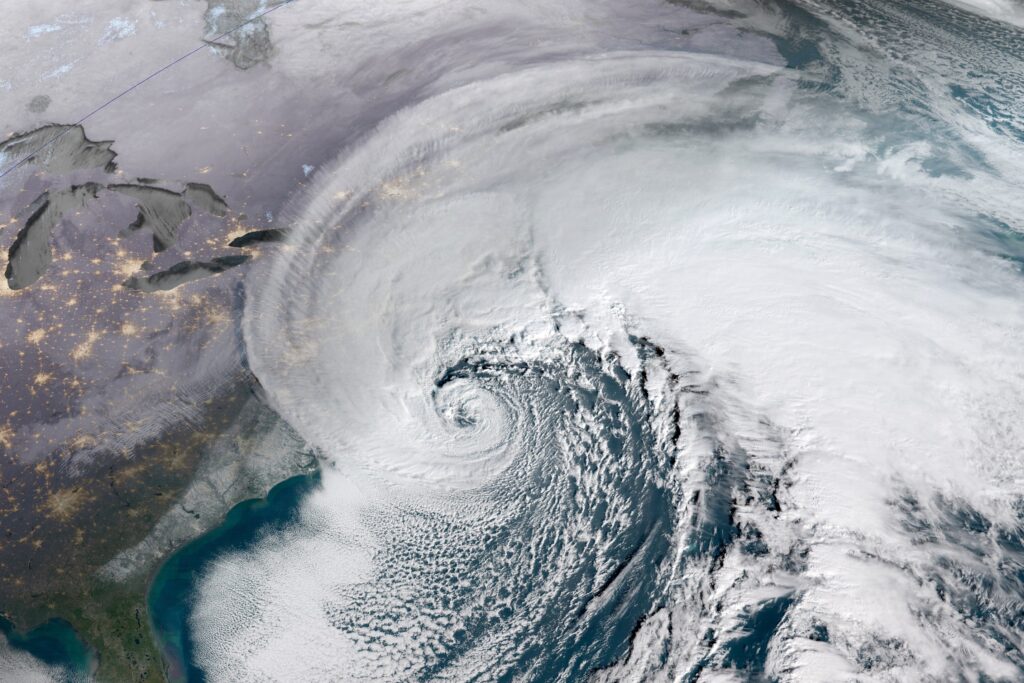
Pressure differences between the western and eastern Pacific are beginning to flatten. This change, known to scientists as part of a larger oscillation system, often marks a turning point when ocean changes begin influencing the air above. It is subtle, but the pattern is recognizable.
The shift has already been measured through standardized indices used to track El Niño development, as discovered by NASA climate researchers. When pressure gradients weaken, it alters storm tracks and rainfall distribution across continents, setting the stage for broader disruptions that are rarely evenly distributed.
4. Rainfall patterns could flip across continents soon.
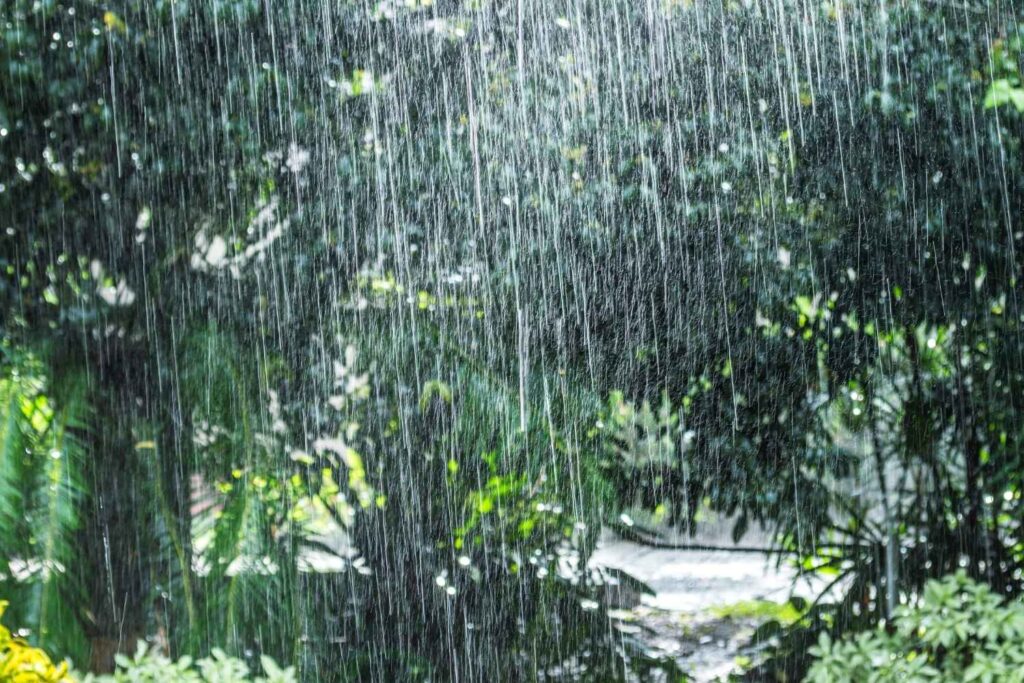
Regions that depend on seasonal rains may find those patterns arriving late, early, or not at all. In places like Southeast Asia and northern Australia, even a slight shift can disrupt planting cycles and water availability. Meanwhile, areas that are typically dry may see unexpected bursts of rain.
These reversals do not happen instantly, but they tend to build with momentum. Once the atmospheric circulation adjusts, the effects cascade through entire weather systems. What begins as a shift over open ocean can quickly become a matter of food security and infrastructure stress on land.
5. Drought risk is quietly increasing in some regions.

While some areas brace for flooding, others face the opposite threat. Parts of southern Africa, Indonesia, and Central America often experience reduced rainfall during El Niño conditions. The absence of water does not arrive with spectacle, but its impact can be just as severe.
Soil moisture begins to decline gradually, and reservoirs follow. Crops struggle long before headlines catch up. By the time drought is officially declared, the damage is often already underway, leaving communities to respond to a slow moving crisis that was set in motion months earlier.
6. Storm intensity may rise in unexpected places.
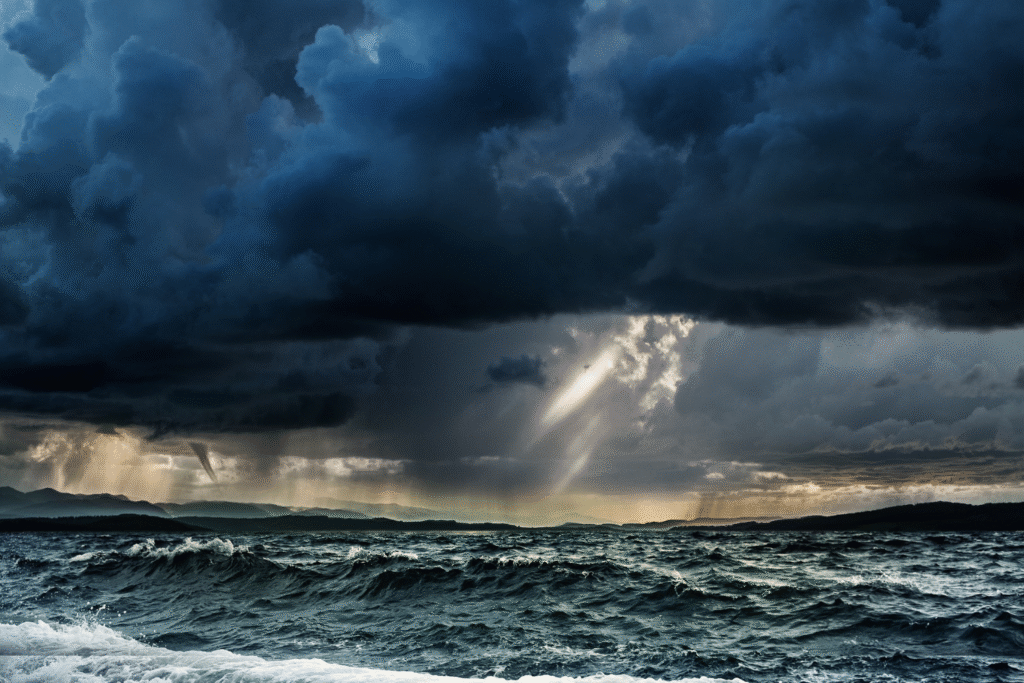
El Niño does not simply increase or decrease storms, it redistributes them. Certain ocean basins may see fewer hurricanes, while others experience stronger or more frequent systems. The shift is uneven, which makes preparation difficult.
For example, the eastern Pacific often becomes more active, while the Atlantic can see suppressed activity. That imbalance can create a false sense of security in some regions, even as others face heightened risk. The unpredictability is part of what makes these events so challenging to manage.
7. Fisheries could face sudden and sharp declines.

Marine ecosystems respond quickly to temperature changes. Warmer waters can push fish populations away from their usual habitats, disrupting local fisheries that depend on predictable migration patterns. In some cases, entire food chains begin to shift.
Off the coasts of Peru and Ecuador, anchovy populations have historically declined during strong El Niño events. That change ripples through economies and food systems. What starts as a temperature anomaly becomes a direct challenge to livelihoods that rely on stability beneath the surface.
8. Heat records may be pushed even higher globally.

Global temperatures often rise during El Niño years, not because of a single cause, but due to the combined effect of ocean heat being released into the atmosphere. That added warmth can amplify existing trends.
Cities already dealing with heat waves may find those events becoming more intense or longer lasting. The difference might seem incremental at first, but when layered onto existing warming, it can push conditions into ranges that strain infrastructure, health systems, and energy demand in ways that are difficult to anticipate.
9. Wildfire conditions could worsen in vulnerable areas.

Dry conditions paired with higher temperatures create an environment where fires ignite more easily and spread faster. Regions like western North America and parts of Australia have seen this pattern before during El Niño influenced periods.
Vegetation dries out, and even small ignition sources can escalate quickly. The challenge is not just the fires themselves, but the timing. Fire seasons can begin earlier or extend longer, catching communities in a prolonged cycle of preparation and response that tests resources and resilience.
10. The global economy may feel ripple effects soon.
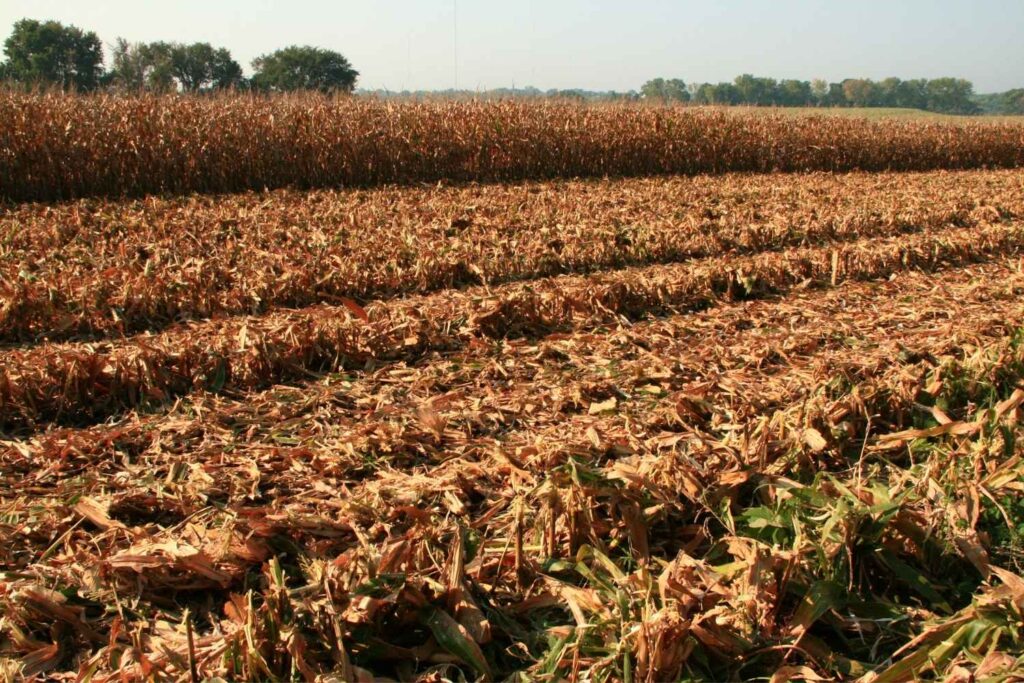
Weather disruptions rarely stay contained within environmental boundaries. Crop yields, shipping routes, and energy demand can all shift under El Niño conditions. These changes tend to surface gradually, then all at once.
Agricultural markets may react to reduced output, while transportation networks adjust to altered weather risks. Even insurance systems begin to recalibrate. What starts as an ocean temperature anomaly eventually threads its way into everyday costs, shaping decisions far removed from the Pacific where it began.