
What she kept encountering was never supposed to surface.
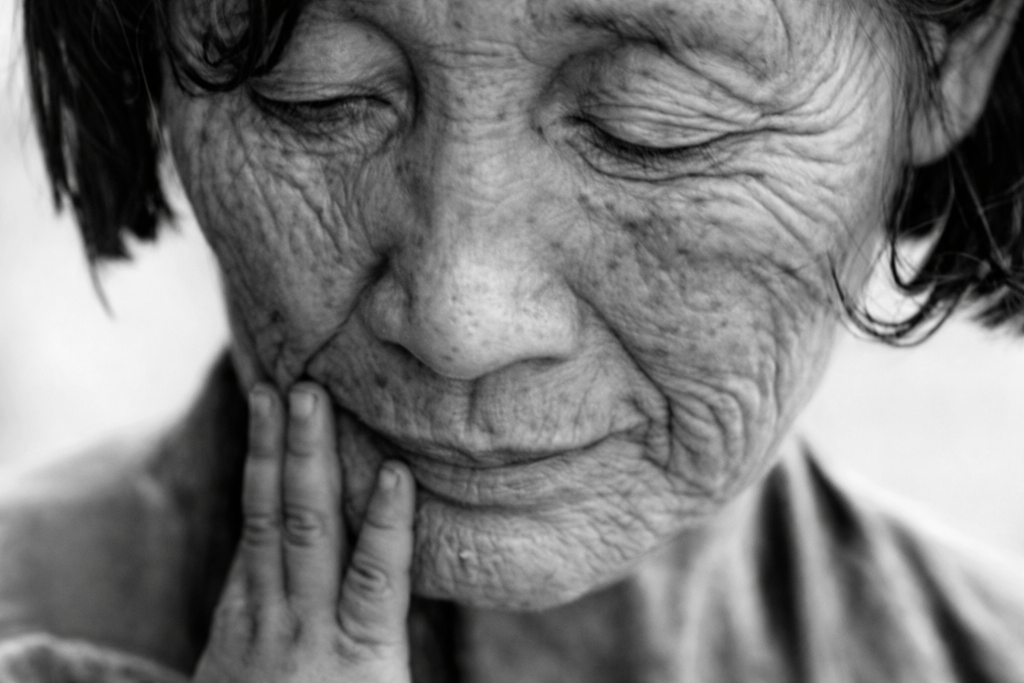
Each morning began the same way, with bags, bottles, and silence. Then a sound would break routine, faint, human, impossible to place. Lou Xiaoying did not set out to become part of a national reckoning. She was trying to survive. But across decades, her daily route intersected with choices others felt forced to make in secret. What she found again and again was not meant to be seen, only discovered. The reasons unfolded slowly, shaped by fear, policy, and the hope that someone, somewhere, would stop and listen.
1. Who made the discovery that changed everything.
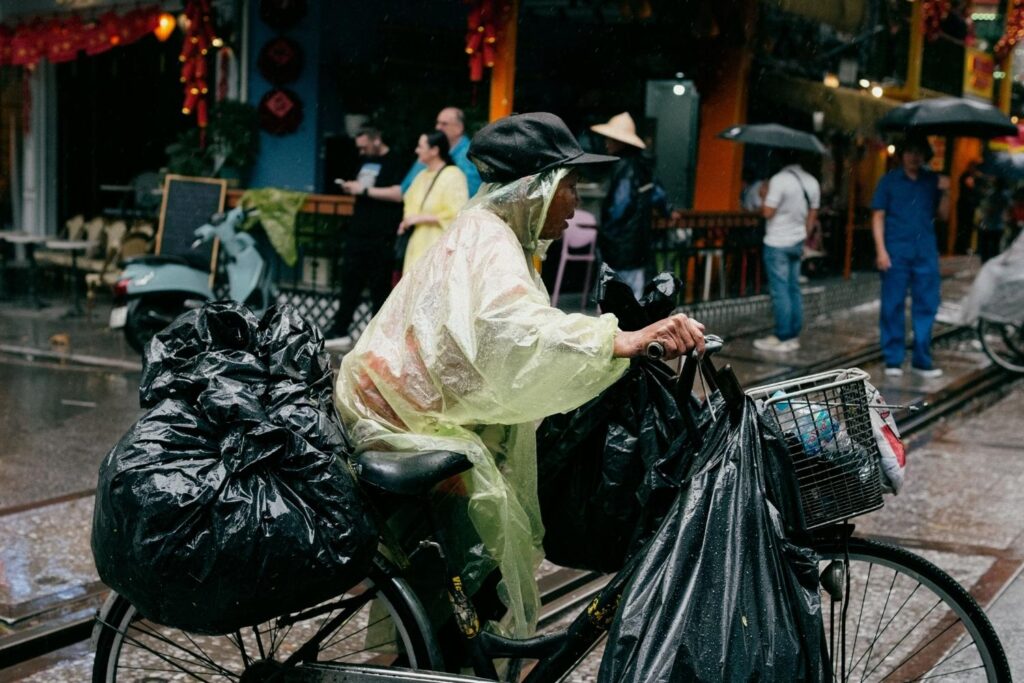
She was a rural recycler in Jinhua, Zhejiang Province, long before anyone knew her name. Lou Xiaoying walked the same paths daily, sorting discarded items by hand, selling what little could earn money. Her work was invisible, rarely acknowledged, and physically demanding.
That invisibility placed her in forgotten spaces. Dumping sites, roadside piles, and early morning quiet became her workplace. It also meant she was often alone when something unexpected appeared. No cameras, no crowds, just decisions made in seconds that carried consequences she never sought.
2. Where the discoveries kept taking place.
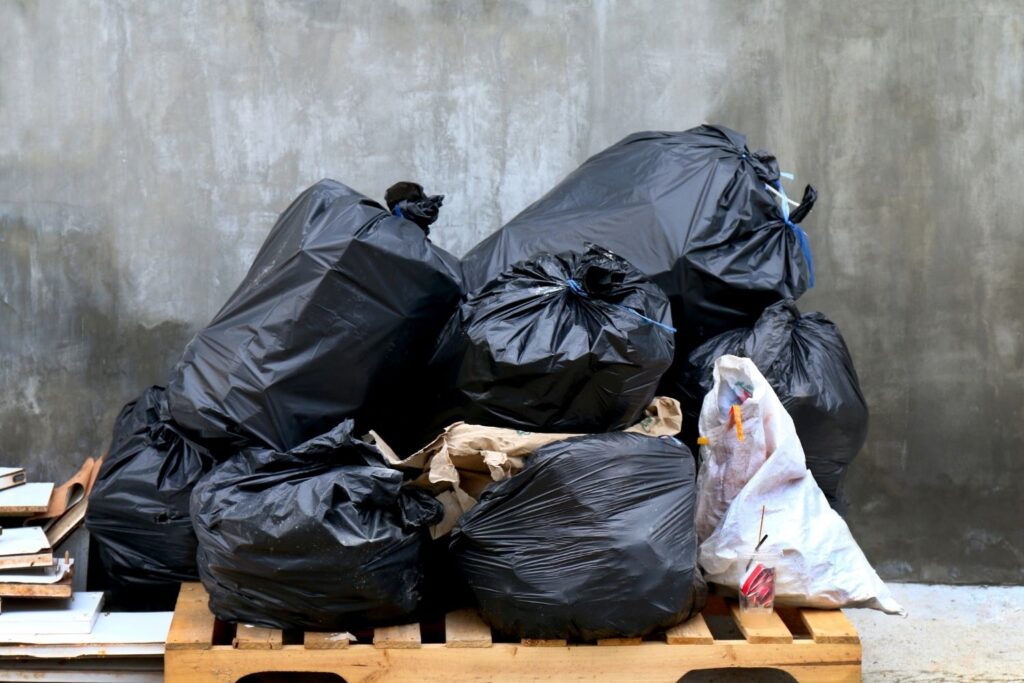
The locations were never official dumps. They were informal trash sites near rural roads, factory housing, or unused land. These places balanced secrecy and access. Someone could arrive unseen, yet trust that another person would pass through.
Lou’s routes overlapped these points daily. She did not search for anything unusual, but repetition taught her where to pause. The geography mattered. These were places shaped by migration and labor, not neighborhoods with services. What happened there reflected who lived nearby and what risks they believed discovery carried.
3. When the first baby was found.

It began with a sound that did not belong among discarded bags and broken cartons. While sorting through a roadside pile, Lou noticed movement where nothing living should have been. Inside was a newborn girl, breathing, exposed, and crying weakly. Rural emergency services were limited, and trust in authorities was fragile. She chose the only option she felt certain would keep the child alive and carried the baby home.
That choice became a reference point she would return to again, unexpectedly, across the decades that followed. The first discovery occurred in the early 1980s, as China’s family planning policies were being actively enforced and fear around unapproved births was spreading through rural communities.
4. Why this kept happening in China.
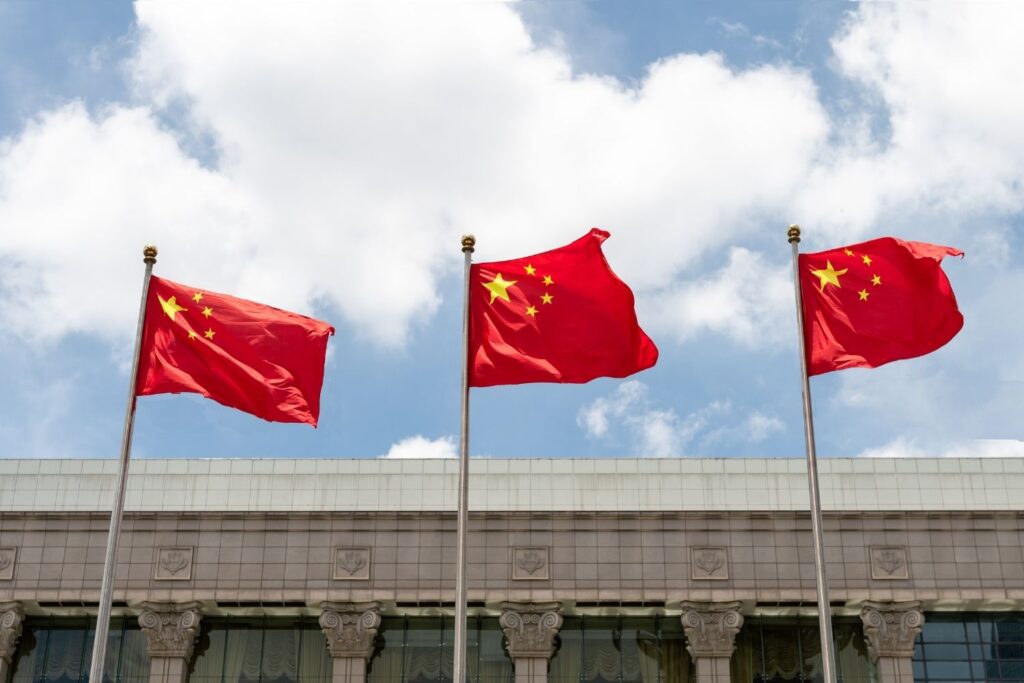
Later decades brought the one child policy, fines, employment penalties, and social shame tied to unapproved births. Enforcement varied, but fear spread faster than rules. Unmarried mothers and families exceeding limits faced exposure they could not afford.
Abandonment became a last resort shaped by calculation. Trash sites offered anonymity and the possibility of rescue. People believed someone would hear, eventually. Lou’s experience sits inside this larger context, where policy pressure narrowed options until survival depended on passing responsibility to a stranger.
5. Whether this was an isolated case.
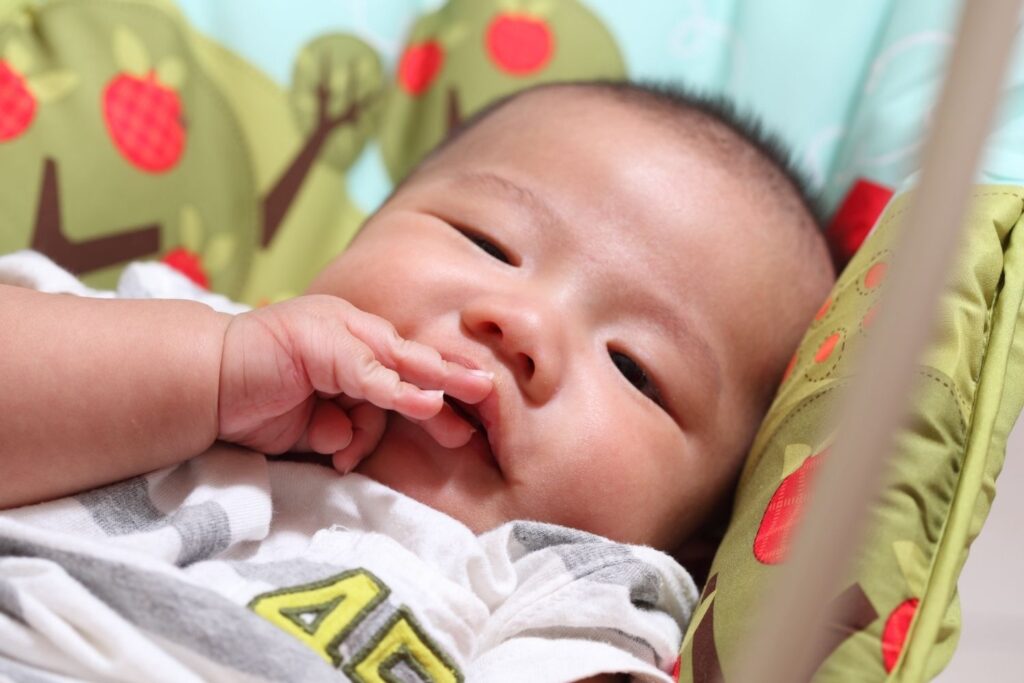
Lou’s story feels singular, but it was not unique. Other recyclers, sanitation workers, and passersby reported similar discoveries in different regions. Her case stands out because of duration, not rarity.
The pattern reveals a system gap rather than individual failure. When safe surrender options felt inaccessible or frightening, informal solutions emerged. Lou became part of an unspoken network of last chances. The repetition suggests shared knowledge among desperate families, not coincidence or cruelty acting alone.
6. How international attention eventually followed her story.
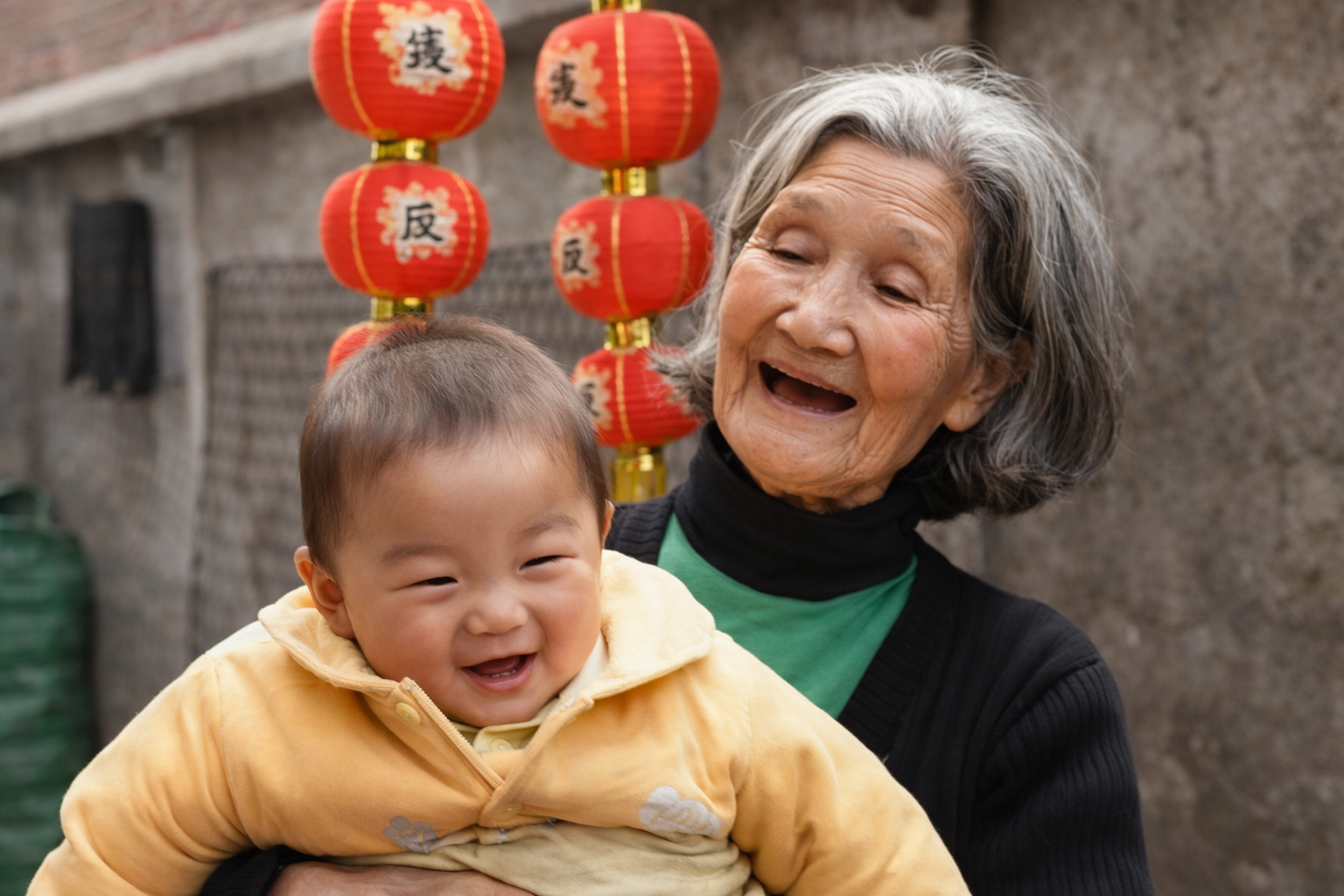
For decades, Lou worked without recognition. Only after policy reforms and renewed media interest did journalists begin tracing earlier consequences. Her name surfaced as a symbol of what ordinary people absorbed quietly.
International outlets focused on numbers, but the timeline mattered more. Her rescues spanned eras, linking pre policy years to its height and decline. Attention arrived late, shaped by hindsight. By then, the story had already done its work, preserving lives long before anyone thought to document them.
7. What has changed since those years.
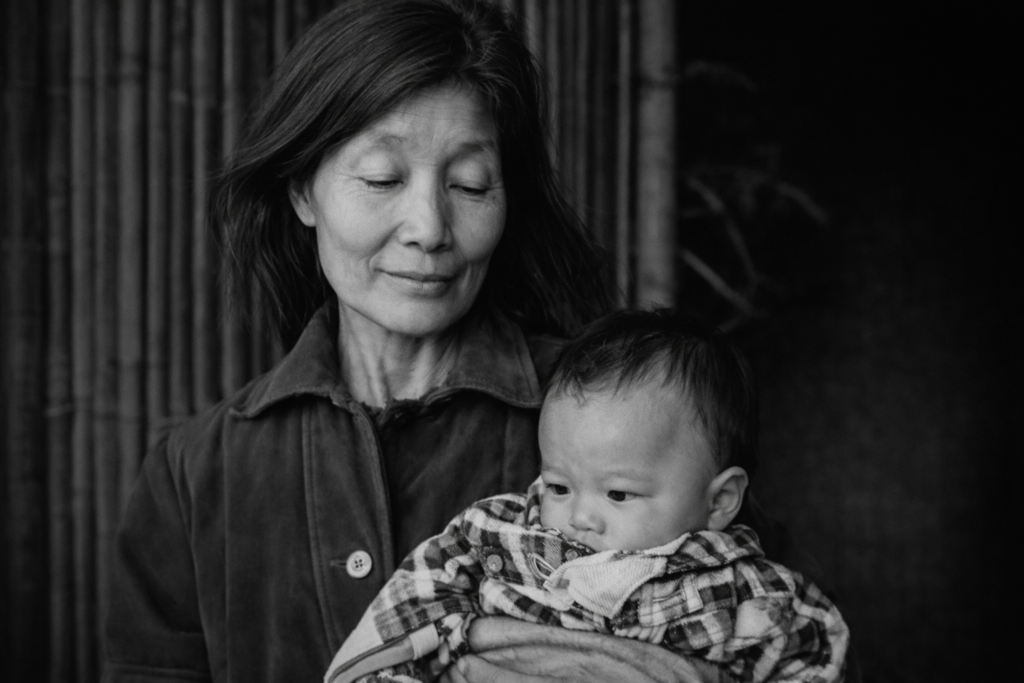
China expanded legal adoption pathways and promoted hospital based surrender options after 2015. Public messaging emphasized safety without punishment. In some regions, abandonment reports declined.
Change, however, moved unevenly. Rural memory lingers longer than law. Lou’s later years still carried uncertainty, though fewer discoveries occurred. Reform reduced pressure but did not erase it entirely. Her experience shows how policy shifts can soften outcomes, yet leave traces that last across generations and geography.
8. How she raised children while continuing the work.

Lou and her husband adopted several children outright. Others stayed temporarily before moving to relatives willing to help. None of this came with financial support or guarantees.
She kept collecting trash throughout. Work paid for food, medicine, and school supplies. Parenting happened alongside sorting waste. The children grew up knowing survival began in discarded places. Her routine never changed because it could not. Responsibility stacked quietly, one child, one day, one bag at a time.
9. When authorities finally acknowledged her actions.
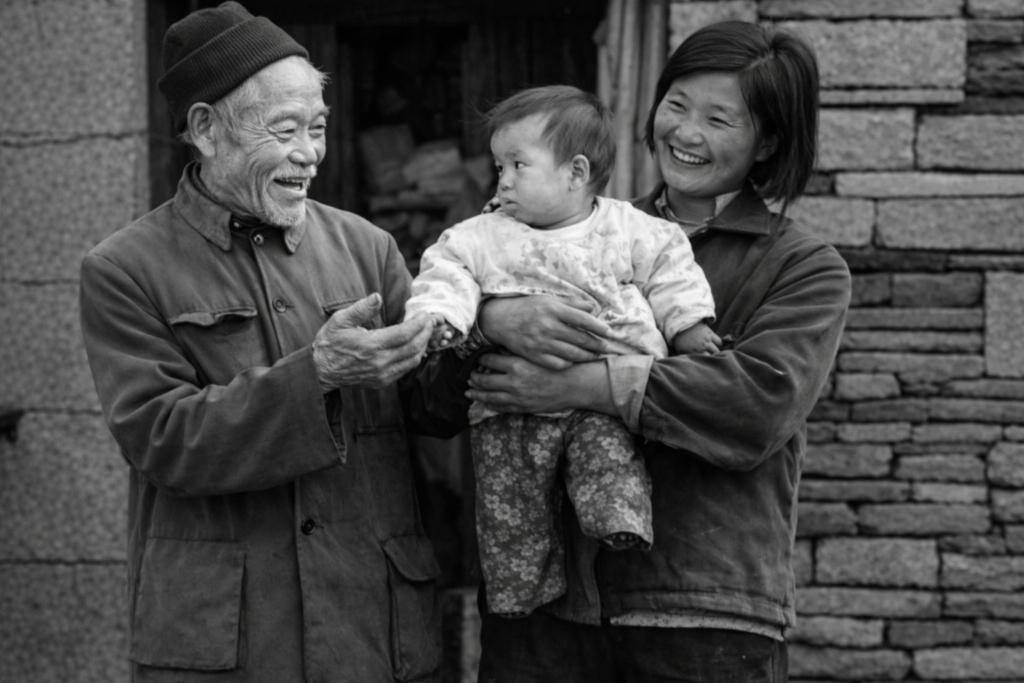
Local officials praised her compassion years later, after stories circulated widely. Recognition came through interviews and brief commendations rather than structural change.
Praise did not retroactively ease hardship. Medical costs and daily strain remained hers alone. Acknowledgment arrived without accountability. Her role filled a gap others preferred unnamed. The delay speaks to how societies celebrate outcomes while avoiding the conditions that made those outcomes necessary in the first place.
10. How Lou Xiaoying understood her own legacy.
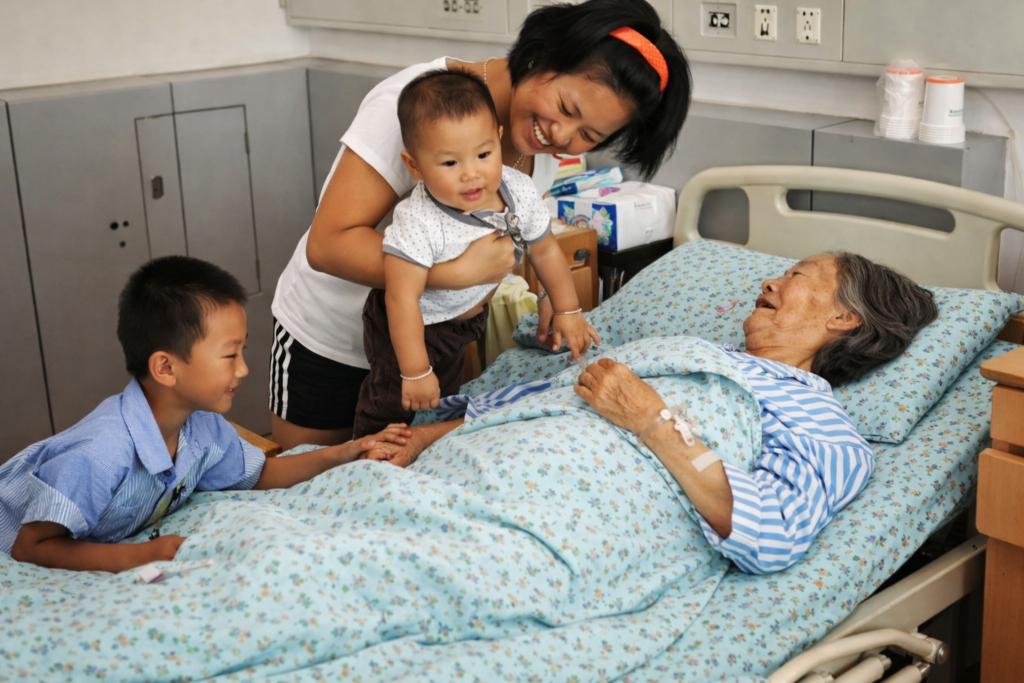
Lou never described herself as heroic. She described stopping because she heard something she could not ignore. Near the end of her life, she spoke of the children living ordinary lives.
That knowledge mattered more than recognition. The rescues were real, physical, and irreversible. They happened because someone doing unwanted work chose to pause. Her story endures because it exposes how survival can depend on the most overlooked people noticing what others tried to hide.