
Beauty, speed, and sensitivity often travel together.
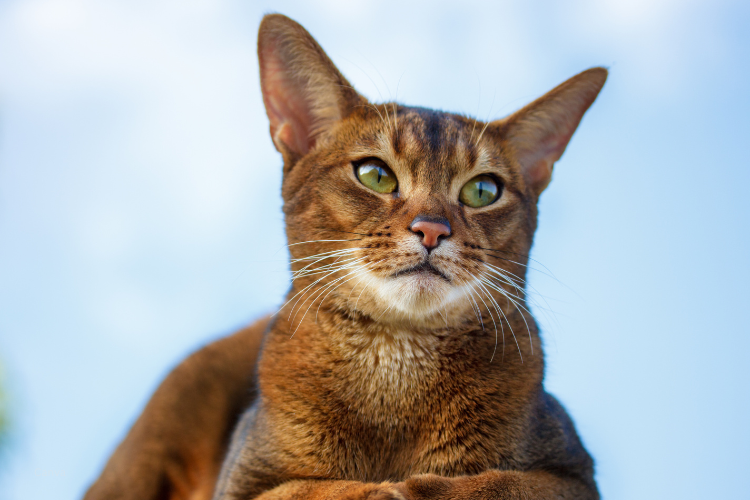
Abyssinians are athletic, intelligent, and strikingly elegant, which makes them unforgettable companions. Their sleek build and intense engagement with the world also place unique demands on their bodies and nervous systems. Veterinarians who know the breed well tend to watch them closely, not because they are fragile, but because their biology, metabolism, and temperament amplify certain risks when things go wrong over time.
1. Renal amyloidosis can quietly shorten lifespan.
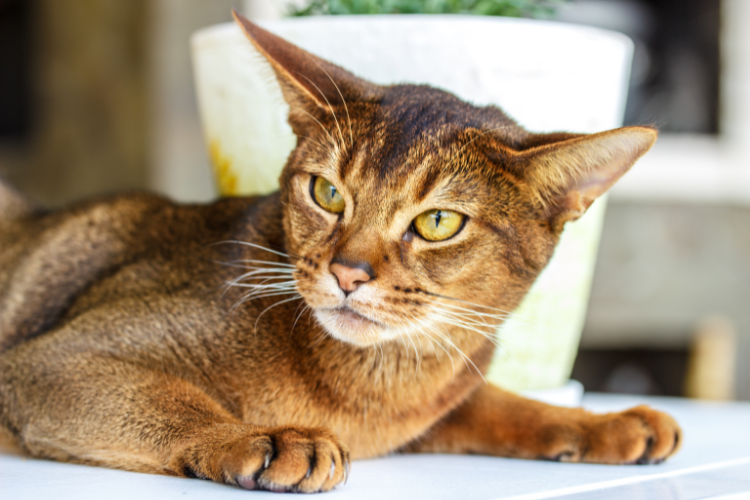
Abyssinians have a documented predisposition to renal amyloidosis, where abnormal protein deposits damage kidney tissue. The condition often develops silently, with subtle weight loss or increased thirst appearing late, according to Cornell University College of Veterinary Medicine research summaries.
Because symptoms surface after significant damage, early detection is difficult. Regular blood work and urine screening become critical as cats age. Once advanced, management focuses on slowing progression rather than reversal, which is why veterinarians stay alert even in young, outwardly healthy cats.
2. Pyruvate kinase deficiency disrupts oxygen delivery.
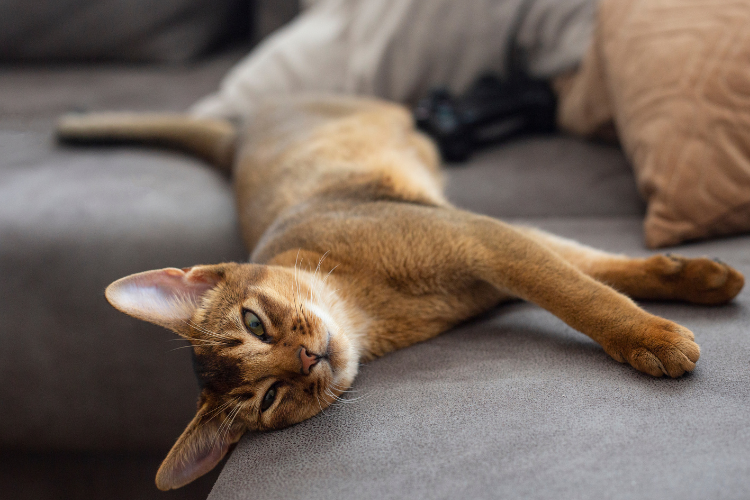
This inherited red blood cell disorder affects energy production and can lead to intermittent anemia. Cats may seem normal for years before episodes of weakness or lethargy appear, as stated by the University of Pennsylvania School of Veterinary Medicine genetic testing program.
Stress, illness, or surgery can trigger noticeable symptoms. Because Abyssinians often mask fatigue with activity, the condition may go unnoticed. Vets remain cautious during procedures and illnesses, knowing oxygen carrying capacity may already be compromised beneath the surface.
3. Dental crowding raises periodontal disease risk early.
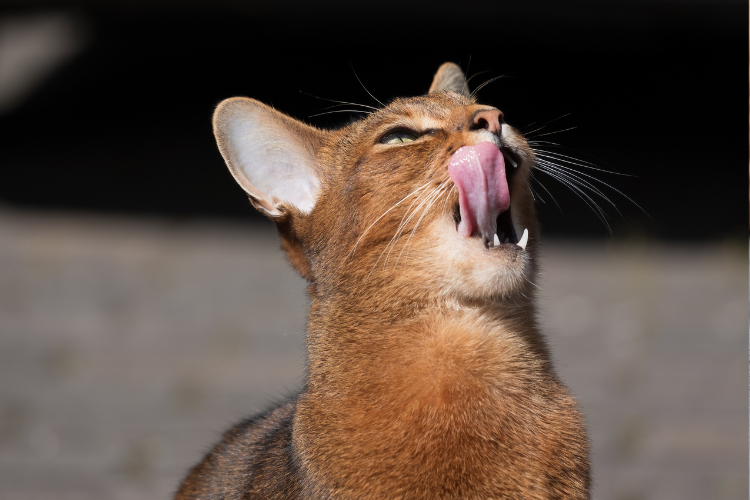
The Abyssinian’s narrow skull can crowd teeth, trapping food and bacteria along the gumline. Periodontal disease may appear earlier than expected, even in cats with otherwise excellent health, as reported by the American Veterinary Dental College.
Chronic dental inflammation affects more than the mouth. It contributes to systemic stress and can worsen kidney and heart conditions. Veterinarians often recommend early dental monitoring and proactive cleanings to prevent cascading effects later in life.
4. High athletic drive increases joint strain over time.
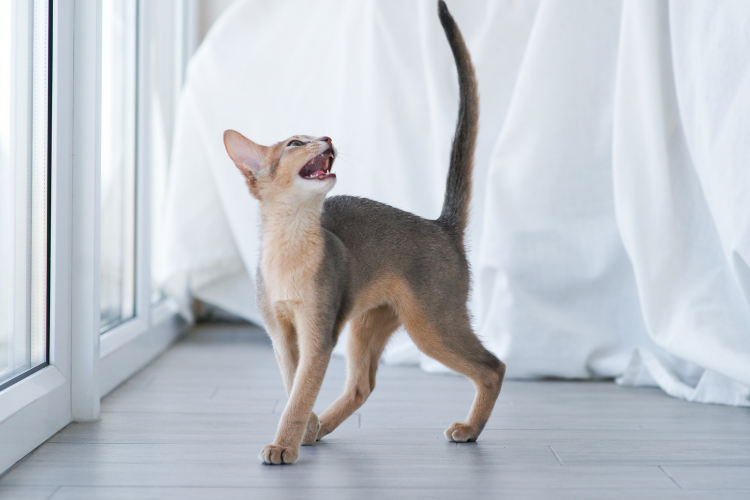
Abyssinians climb, leap, and sprint relentlessly, even indoors. That constant motion places repeated stress on knees and hips, making luxating patellas and soft tissue injuries more likely as the cat ages.
Joint issues often emerge subtly, showing as brief stiffness or altered landings rather than obvious limping. Because these cats rarely slow themselves, veterinarians emphasize early intervention, muscle support, and environmental adjustments before chronic pain quietly sets in.
5. Stress sensitivity amplifies minor disruptions dramatically.
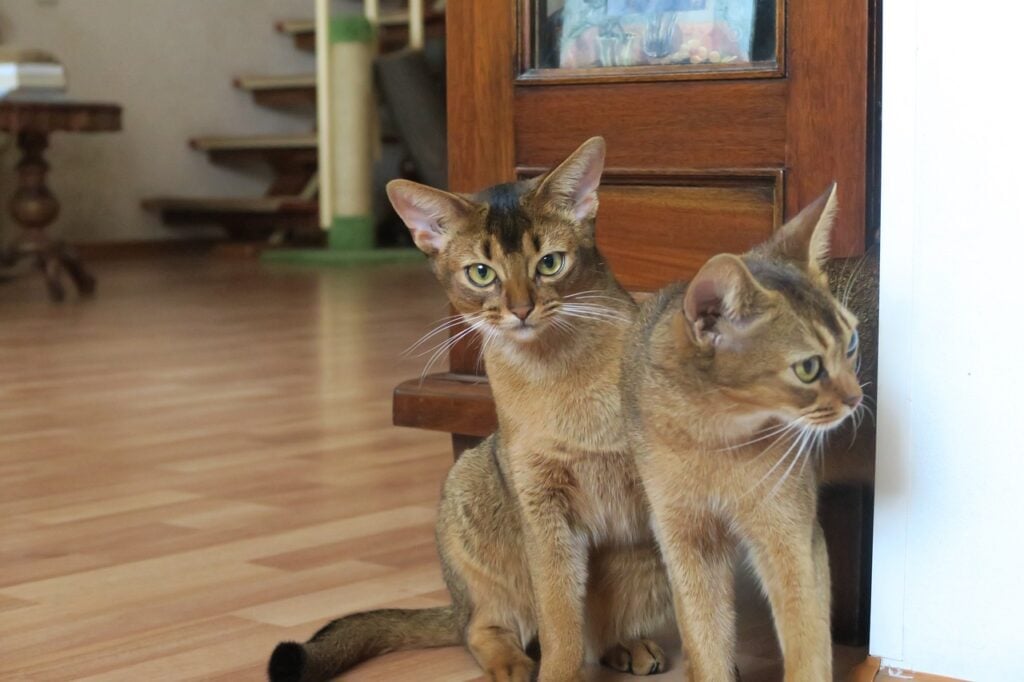
This breed reacts strongly to environmental change. New pets, loud noises, or altered routines can trigger appetite loss, hiding, or gastrointestinal upset. Their alert nervous systems register stress faster and recover more slowly.
Chronic stress weakens immune response and worsens underlying conditions. Veterinarians often trace recurring health issues back to household stressors. Managing stimulation, predictability, and safe retreat spaces becomes as important as medical treatment for long term stability.
6. Hyperesthesia episodes can confuse owners and clinicians.
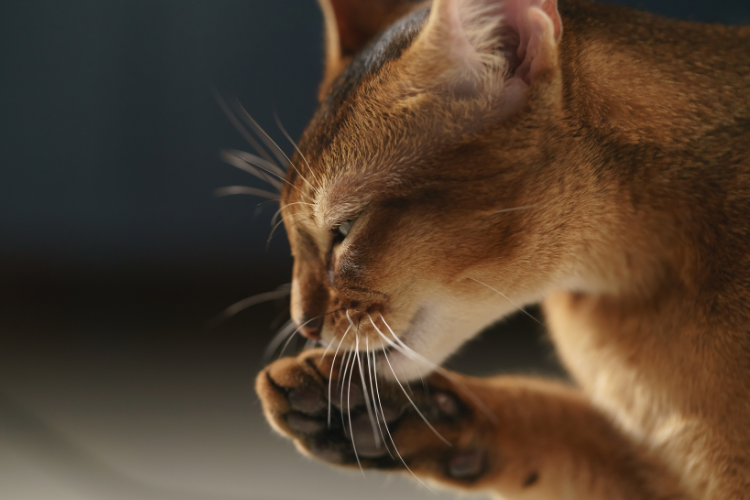
Some Abyssinians develop episodes of skin rippling, sudden agitation, or frantic grooming linked to feline hyperesthesia. These moments can look behavioral but often involve neurological sensitivity.
Episodes are unpredictable and stress related. Without careful observation, they may be mistaken for anxiety or aggression. Vets approach treatment cautiously, focusing on stress reduction, neurological evaluation, and avoiding triggers that can intensify these distressing episodes.
7. Lean body composition complicates anesthesia management.
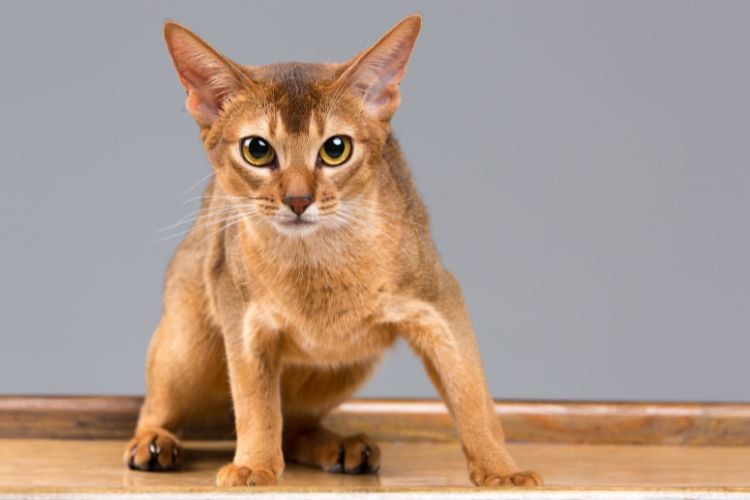
Abyssinians have minimal body fat and fast metabolisms. Standard anesthesia dosing can affect them differently, increasing risk of hypothermia or prolonged recovery.
Veterinarians often adjust protocols, monitor temperature closely, and plan longer recovery times. This caution is not fear driven but experience based. When handled carefully, procedures are safe, but the margin for error is narrower than in stockier breeds.
8. Digestive systems react strongly to dietary changes.
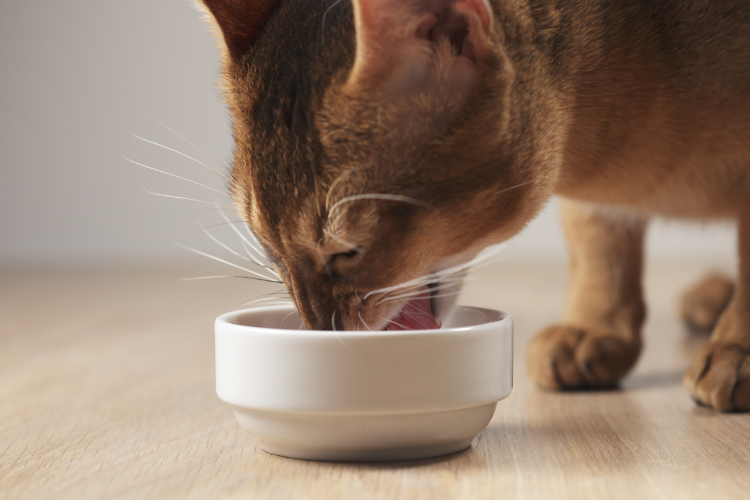
Food sensitivities appear more often in this breed, with vomiting or loose stools following ingredient changes. Their digestive tracts seem less forgiving of abrupt transitions or low quality formulations.
Long term irritation can lead to weight loss or nutrient imbalance. Vets frequently recommend slow transitions, limited ingredient diets, and careful monitoring. What works for other cats may quietly fail here without visible warning at first.
9. Constant climbing raises injury risk indoors.
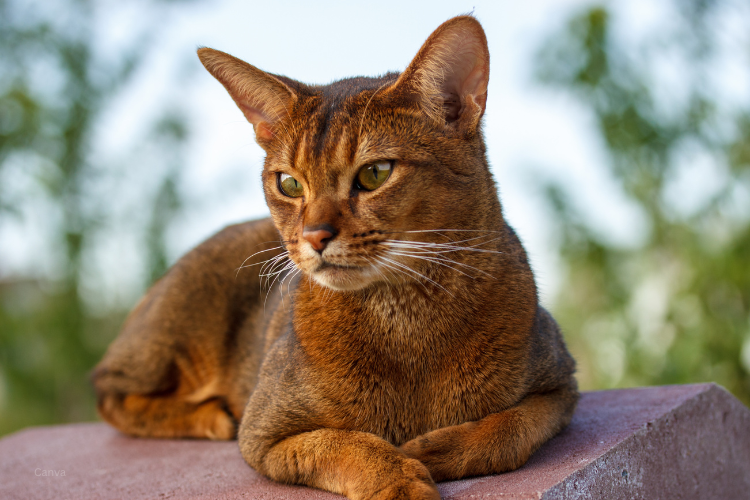
Abyssinians treat vertical space as mandatory territory. Shelves, doors, and curtain rods become launch points, increasing fall and collision risk. Minor injuries accumulate unnoticed until mobility changes appear.
Veterinarians often see strains or fractures tied to indoor accidents. Providing stable climbing structures and safe landing zones helps channel this energy. Without outlets, their athleticism turns from enrichment into a steady source of preventable injury.