
New sounds often signal deeper changes inside.
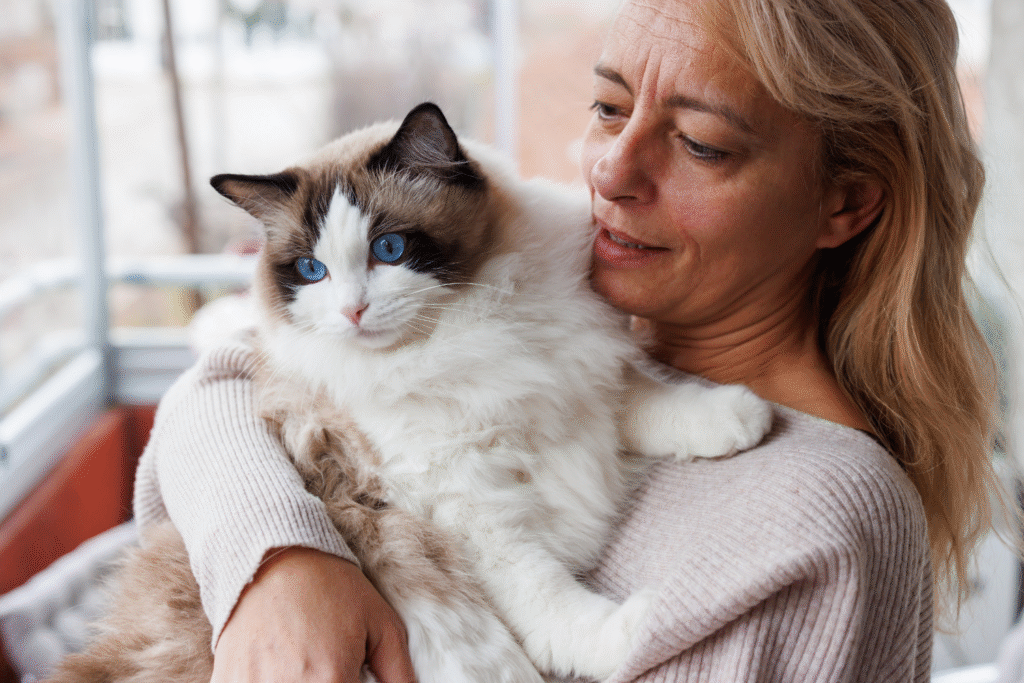
Many cat owners notice a clear shift as cats move into their senior years. A companion who once communicated quietly may begin calling out at night, meowing from empty rooms, or vocalizing during ordinary routines. This change can feel sudden, but it is usually gradual, tied to aging processes that affect the brain and body. Increased vocalization is rarely random or manipulative. It often reflects confusion, discomfort, or changing sensory perception. Understanding these early signals helps owners respond calmly and recognize when medical evaluation is necessary rather than assuming behavioral problems.
1. Cognitive decline creates confusion that triggers repeated vocalizing.
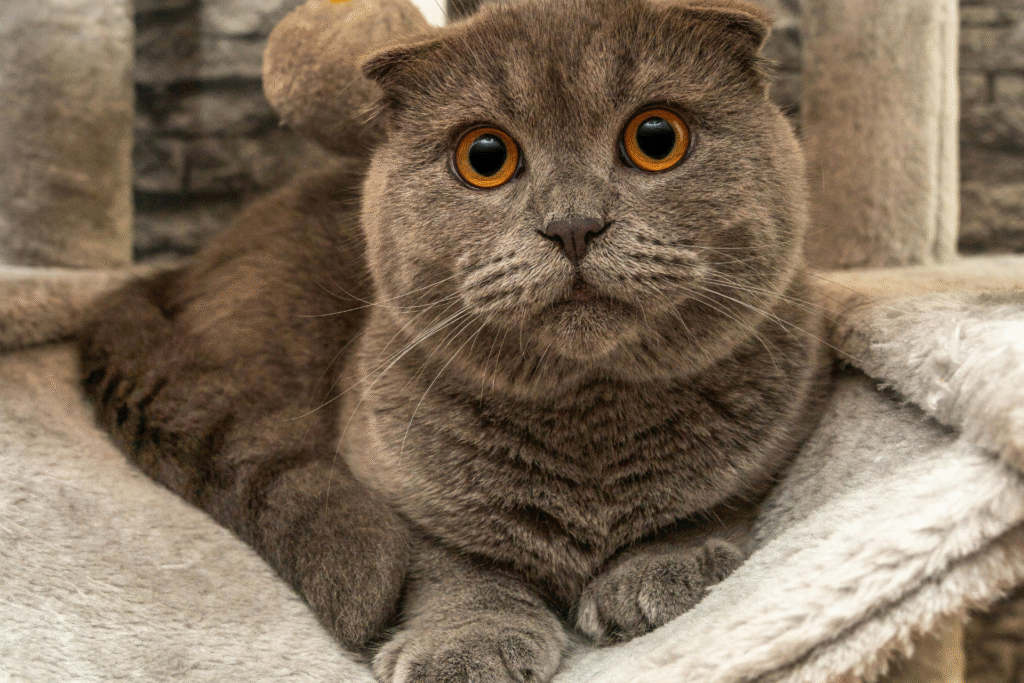
As cats age, the brain undergoes physical and chemical changes that affect memory, awareness, and spatial orientation. Senior cats may wake disoriented, unsure where they are or how they arrived there. When familiar landmarks fade, vocalizing becomes a way to seek reassurance and reestablish connection.
These episodes often happen at night when visual cues disappear. According to the Cornell Feline Health Center, feline cognitive dysfunction commonly causes increased vocalization, especially after dark, as confusion and anxiety intensify in quiet, low stimulus environments.
2. Hearing loss causes cats to misjudge volume.

Age related hearing decline changes how cats perceive sound, including their own voices. When auditory feedback weakens, cats often vocalize louder or more frequently without realizing the increase. The behavior is not intentional, but compensatory.
Owners may notice shouting rather than meowing. As stated by the American Veterinary Medical Association, partial hearing loss in senior cats frequently leads to increased vocal output, since cats rely on hearing to regulate volume and timing during communication.
3. Hyperthyroidism fuels restlessness and persistent vocal behavior.
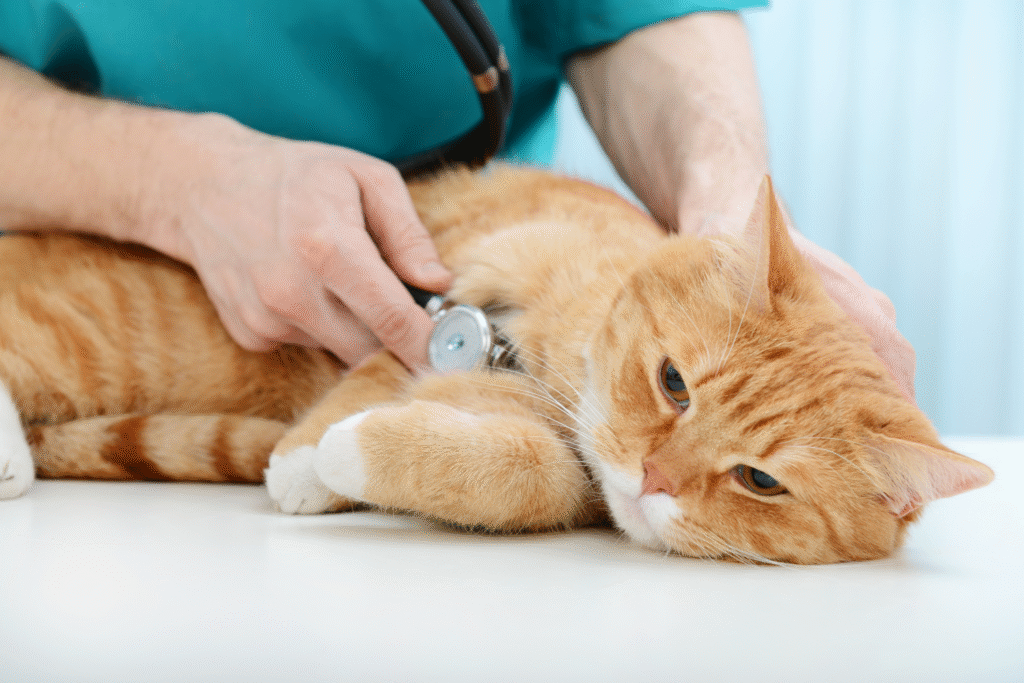
Hyperthyroidism is a common endocrine disorder in older cats that accelerates metabolism and heightens nervous system activity. Affected cats often become restless, hungry, and unusually vocal as hormone levels rise.
The change may seem behavioral at first. As reported by the American Association of Feline Practitioners, increased vocalization is a hallmark sign of feline hyperthyroidism, often appearing alongside weight loss, pacing, and agitation well before diagnosis occurs.
4. Vision loss prompts cats to call for spatial feedback.
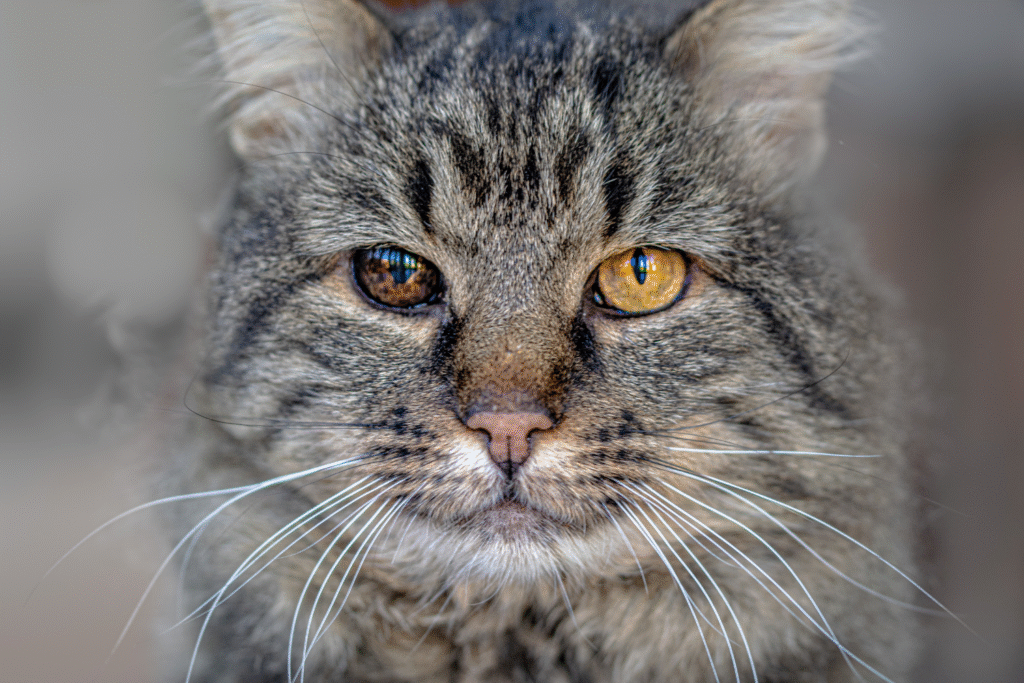
Declining vision alters how cats navigate familiar spaces. When sight becomes unreliable, cats depend more on sound to confirm location and proximity. Vocalizing helps them map surroundings through response rather than vision.
These calls are usually brief but frequent. The cat is not panicking, but checking position. In low light or unfamiliar layouts, vocal sounds help aging cats regain orientation and confidence as visual clarity diminishes.
5. Chronic pain expresses itself through increased vocal signals.
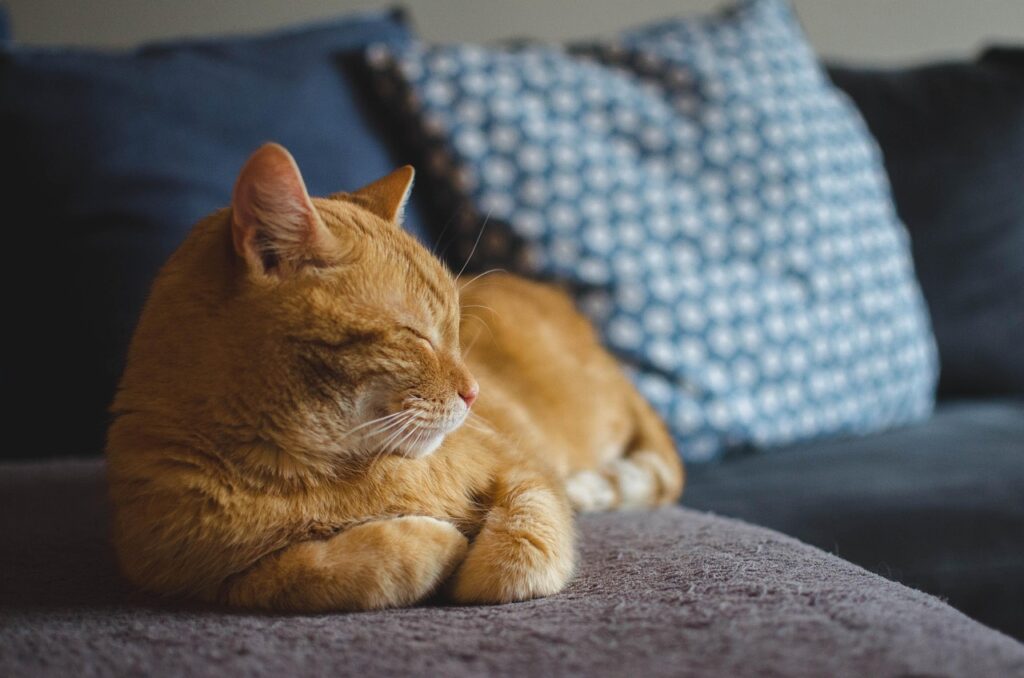
Arthritis, dental disease, and internal conditions become more common with age. Cats often hide pain, but sudden vocalization during movement, grooming, or rest can signal discomfort.
Pain related sounds differ from social meows. They may sound strained, lower pitched, or abrupt. Because cats mask weakness instinctively, vocal change is often one of the earliest visible signs that physical discomfort is affecting daily life.
6. Anxiety increases as familiar routines become harder.

Aging reduces flexibility. Small changes that once felt manageable can suddenly feel destabilizing. Furniture shifts, schedule changes, or a new household noise may trigger anxiety. Vocalizing becomes a way for cats to release tension when internal regulation weakens.
These sounds often appear during transitions, such as when owners leave or return home. The cat is not demanding attention but expressing unease. As adaptability declines with age, vocalization replaces silent coping strategies that once kept stress contained.
7. Hunger cues intensify as metabolism and absorption change.
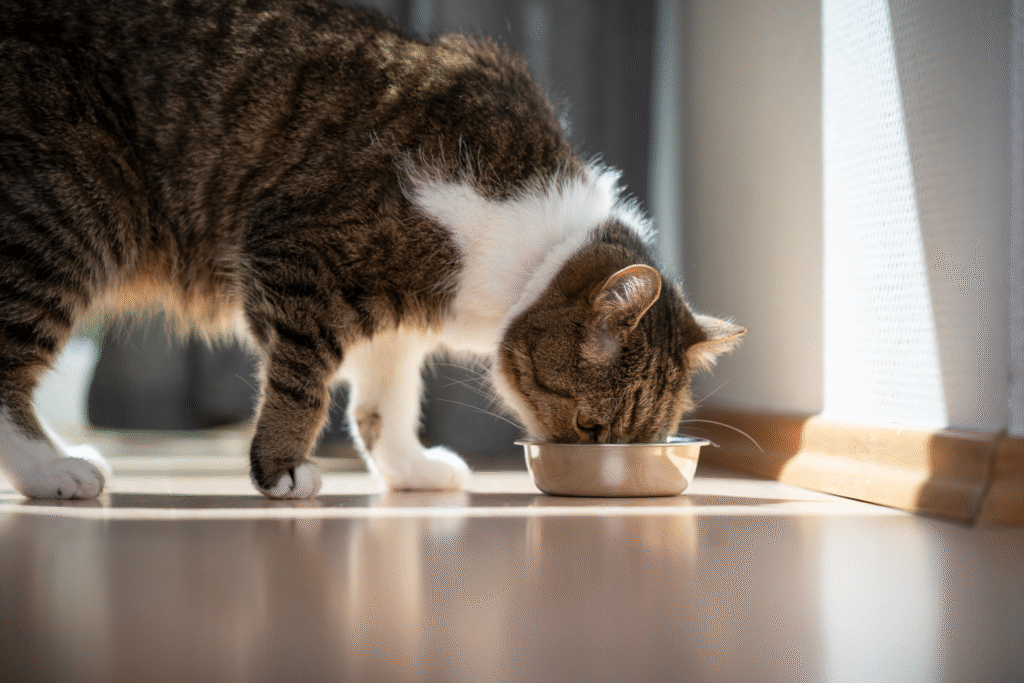
Older cats often experience changes in how their bodies process nutrients. Even with regular meals, they may feel persistently hungry due to reduced absorption efficiency or underlying conditions affecting appetite regulation. Vocalizing becomes more frequent around feeding times and may continue afterward.
These calls are driven by internal signals, not habit. The cat responds to genuine physiological cues. Without addressing the root cause, increasing food alone may not resolve the behavior, especially when medical factors influence hunger perception.
8. Social reliance grows as confidence declines.

As cats age, physical strength and certainty diminish. Many compensate by leaning more heavily on trusted humans. Vocalizing becomes a way to maintain connection, especially when mobility slows or sensory input fades.
This shift often surprises owners of once independent cats. The sounds signal reassurance seeking rather than distress. Increased vocal contact reflects emotional adaptation, where social closeness replaces physical confidence as the primary source of security.
9. Sleep patterns fragment and disrupt quiet hours.
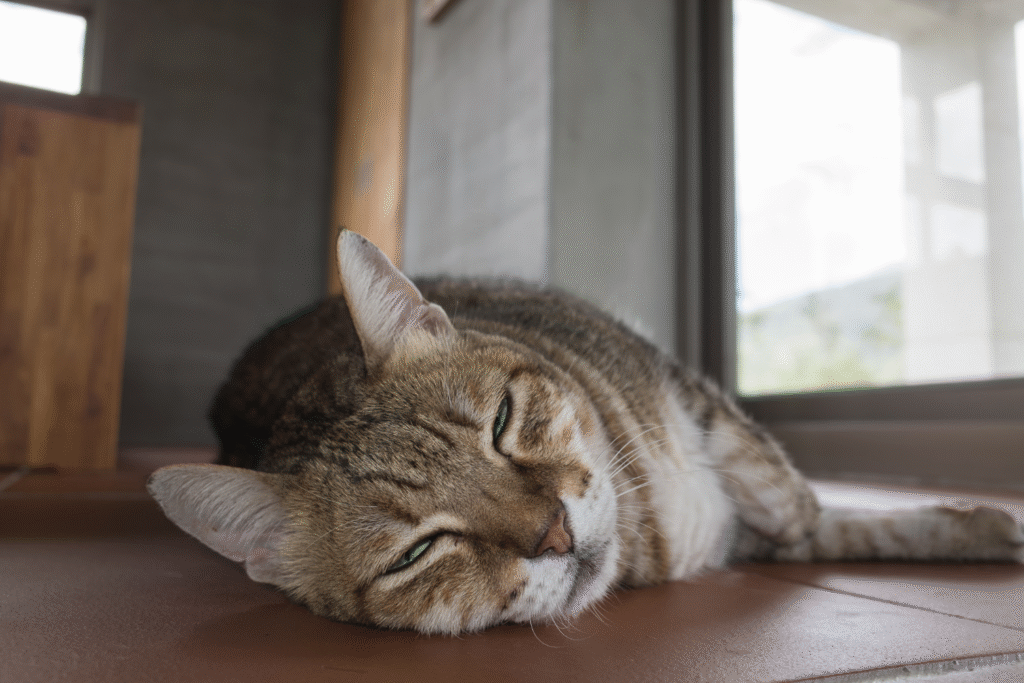
Senior cats sleep more lightly and wake more often. These brief waking periods frequently occur at night, when environmental stimulation is low. Vocalizing fills the silence and helps regulate arousal during partial wakefulness.
The behavior can feel sudden or random. In reality, it aligns with altered sleep cycles. Aging brains struggle to maintain long sleep phases, leading to intermittent waking accompanied by sound rather than rest.
10. Medical changes sometimes surface first through sound.
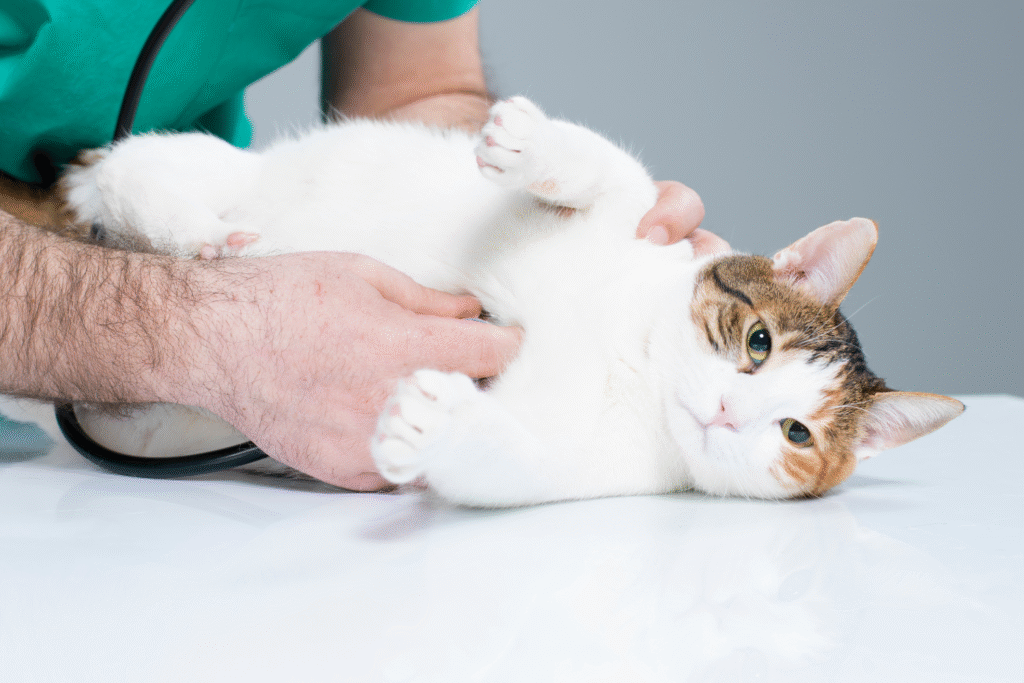
In some cases, increased vocalization is the earliest sign of illness. Conditions such as kidney disease, hypertension, or neurological decline can alter behavior before physical symptoms become obvious.
Because cats conceal discomfort well, sound changes deserve attention. When vocal patterns shift noticeably or escalate, veterinary evaluation helps identify treatable issues early, ensuring vocalization is understood as communication rather than misbehavior.