
Biology shapes aging long before gray fur appears.

In veterinary clinics across the United States, aging rarely follows the calendar. Dogs born the same year often arrive at very different life stages by middle age. Some breeds begin slowing down while others are still charging ahead. Vets see earlier arthritis, heart disease, cancer, and cognitive decline in specific breeds, regardless of good care. Size plays a role, but genetics, structure, and inherited disease matter just as much. Aging speed is written into biology long before owners ever notice.
1. Great Danes enter senior years shockingly early.

Great Danes grow from puppies to towering adults in a very short time. That rapid growth strains joints, hearts, and connective tissue before the dog even reaches adulthood. By age six, many are already classified as seniors in veterinary practice.
Large scale lifespan reviews consistently show shortened longevity in giant breeds, according to the American Kennel Club. Vets commonly diagnose arthritis, heart disease, and mobility decline while these dogs still appear emotionally youthful.
2. Bernese Mountain Dogs face aggressive early aging.
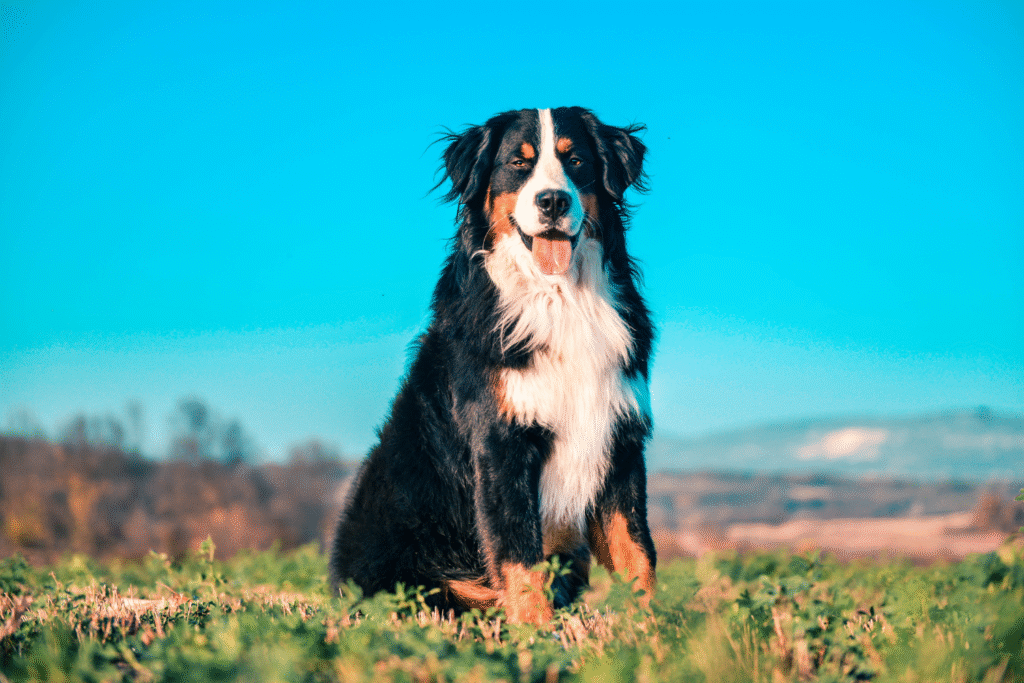
Bernese Mountain Dogs are known for calm temperaments and brief lifespans. Many develop cancer at unusually young ages, often between five and seven. The disease progression tends to be fast and severe.
Veterinary oncology data shows cancer rates far above average in this breed, as reported by the American Veterinary Medical Association. Genetics and limited gene diversity contribute to accelerated aging, forcing senior care decisions far earlier than owners expect.
3. Irish Wolfhounds age internally before it shows.

Irish Wolfhounds often appear graceful and athletic well into adulthood. Internally, however, heart disease and bone cancer frequently begin developing early. Their skeletal size places constant stress on the body.
Clinical monitoring for cardiac disease often starts by age four, as discovered by researchers cited through the University of California Davis Veterinary Genetics Program. Vets routinely observe senior level decline long before outward aging becomes obvious.
4. Mastiffs transition into senior status very quickly.

English Mastiffs and related breeds carry enormous body mass that strains organs continuously. Even with calm personalities, their hearts and joints work harder every day.
Veterinarians often classify Mastiffs as seniors by age five or six. Fatigue, breathing difficulty, and joint stiffness appear early. Once mobility declines, aging accelerates through reduced activity and muscle loss.
5. Rottweilers experience early joint and cancer decline.

Rottweilers are muscular and active, but they carry elevated risks for ligament injuries and bone cancer. These conditions often appear during what should be prime adult years.
Veterinary clinics frequently begin senior screenings earlier than expected. Once joint instability develops, physical aging compounds quickly, shortening the dog’s healthiest years despite strong outward appearance.
6. Doberman Pinschers age silently from the inside.

Dobermans often look sleek and energetic while serious heart disease progresses unnoticed. Dilated cardiomyopathy is common and frequently fatal if undetected.
Vets regularly find advanced cardiac changes in dogs that appear physically fit. This silent internal aging means Dobermans often enter medical decline years before owners recognize visible signs.
7. Boxers age faster despite playful behavior.

Boxers retain puppy like energy well into adulthood, masking internal aging. Unfortunately, they face high risks of cancer and heart disease at relatively young ages.
Veterinary practices often recommend early cardiac and oncology screening. By age six, many Boxers require senior level monitoring, even while behavior suggests youth.
8. Bulldogs age early due to constant physical strain.

Bulldogs experience lifelong respiratory difficulty, joint stress, and inflammation. Their bodies work harder just to function normally.
Veterinarians often manage chronic conditions by middle age. These constant stressors accelerate cellular aging, shortening the period of robust health even when lifespan extends beyond expectations.
9. Cavalier King Charles Spaniels age early despite small size.

Cavaliers are small but age fast due to inherited heart disease. Mitral valve degeneration often begins in early adulthood.
Vets commonly hear heart murmurs by age three or four. As cardiac efficiency declines, overall aging accelerates, making this breed biologically older than its size suggests.
10. Pugs experience accelerated aging from breathing stress.

Pugs face chronic airway restriction that taxes the body daily. Oxygen deprivation, inflammation, and overheating contribute to early physical decline.
Veterinary care often shifts to senior management earlier than expected. Over time, reduced stamina and mobility signal accelerated aging despite affectionate personalities.
11. Saint Bernards develop early degenerative joint disease.

Saint Bernards grow rapidly and carry extreme weight. Hips, elbows, and spines bear heavy loads from an early age.
Vets frequently recommend joint supplements while these dogs are still young adults. Once movement slows, muscle loss and stiffness compound aging quickly.
12. Large mixed breed dogs age faster than small mixes.

Even without purebred genetics, size alone influences aging. Large mixed breeds often enter senior stages earlier than small mixed dogs.
Veterinarians consistently observe earlier arthritis, cardiac strain, and reduced stamina in dogs over seventy pounds. Body size remains one of the strongest predictors of faster biological aging, regardless of pedigree.