
Subtle biological shifts begin long before middle age.

For a long time, aging was framed as a distant chapter, something that quietly arrived after forty and accelerated later. New large scale datasets are dismantling that comfort. By following blood markers, immune responses, brain scans, and cellular behavior across thousands of people, researchers are spotting early biological drift decades before wrinkles or stiffness appear. These changes are not dramatic, but they are consistent. Aging, it turns out, does not announce itself loudly. It begins as a slow reprogramming that most people never feel happening.
1. Biological aging signals appear in the late twenties.

Many people feel physically steady in their late twenties, which makes this finding unsettling. Large population datasets tracking blood proteins, lipids, and inflammatory markers show consistent biological shifts beginning around this age. These are not symptoms. They are internal changes that quietly alter repair, metabolism, and resilience.
One large analysis of blood based aging markers found that aging does not progress smoothly and begins shifting earlier than expected, according to Stanford Medicine. The research showed coordinated changes across multiple organ systems, suggesting the body enters a new biological phase while outward health still appears unchanged.
2. Immune system efficiency starts declining surprisingly early.

The immune system begins adjusting its behavior long before frequent illness appears. Longitudinal studies show subtle declines in immune cell diversity and response speed in early adulthood. This affects how efficiently the body recognizes new threats and resolves inflammation.
Researchers following immune profiles over time found that low grade inflammation increases earlier than expected, as reported by the National Institutes of Health. These changes rarely cause immediate problems. Instead, they create a background state that influences how the body responds to stress, infections, and injury years later.
3. Brain structure changes precede cognitive symptoms by decades.

Modern brain imaging allows scientists to track structural and connectivity changes across adulthood. These studies reveal that certain regions begin thinning or reorganizing earlier than traditional aging models predicted. Function remains intact because the brain compensates efficiently.
Large imaging analyses identified early turning points in brain organization well before cognitive decline appears, as stated by University College London researchers. The findings suggest aging brains adapt quietly for years, adjusting circuitry and efficiency long before memory, attention, or processing speed show noticeable changes.
4. Metabolic flexibility declines before weight gain appears.
Metabolic aging is often associated with visible weight changes, but internal shifts happen earlier. Studies measuring how cells handle glucose and fats show declining flexibility beginning in early adulthood. The body becomes slightly less efficient at switching between fuel sources.
Because calorie intake and activity often remain stable, these changes stay hidden. Over time, reduced metabolic adaptability increases vulnerability to insulin resistance and fatigue. Aging here is not about gaining weight. It is about losing metabolic agility long before the scale moves.
5. Cellular repair systems slow without obvious consequences.

Every cell constantly repairs DNA damage caused by normal metabolism and environmental exposure. Research shows these repair systems begin losing speed earlier than previously believed. The slowdown is subtle but measurable in young adults.
Most damage is still repaired, so health appears normal. However, small inefficiencies allow microscopic errors to accumulate. Over decades, this buildup contributes to higher disease risk. Aging at the cellular level works quietly, allowing long term consequences to form without immediate warning signs.
6. Hormonal timing shifts before hormone levels change.

Hormones are often measured by quantity, but timing matters just as much. Research indicates that daily and seasonal hormone rhythms begin losing precision in early adulthood, even when overall levels remain normal.
This timing drift affects sleep quality, stress recovery, and tissue repair. People rarely notice because hormone tests still appear normal. Over years, disrupted timing influences bone health, cardiovascular regulation, and emotional balance. Aging here is about coordination loss rather than outright hormonal deficiency.
7. Muscle fiber composition starts changing in young adults.

Muscle aging is not just about shrinking size. Studies show that fiber composition begins shifting earlier than assumed. Fast twitch fibers gradually decline while endurance oriented fibers become more dominant.
Strength remains stable because neural compensation fills the gap. Power and recovery, however, slowly change. This early shift explains why maintaining explosive strength requires more effort with age. The groundwork for later weakness forms quietly, years before muscle loss becomes obvious.
8. Mitochondrial efficiency declines without immediate fatigue.

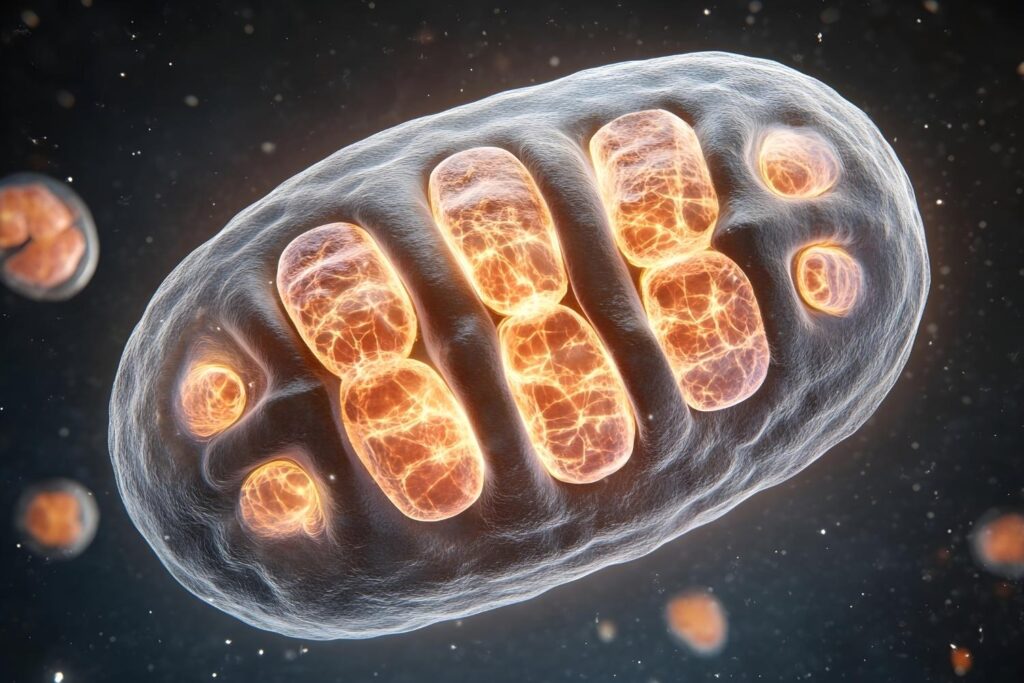
Mitochondria generate cellular energy, and their efficiency begins decreasing earlier than expected. Research shows young adults produce slightly less energy per unit of fuel, even when fitness levels remain high.
The body compensates by increasing effort or slowing processes. Fatigue does not appear right away. Over time, reduced efficiency affects healing, endurance, and stress tolerance. Aging at this level is subtle, altering energy economics long before people feel consistently tired.
9. Epigenetic patterns begin shifting earlier than disease risk.

Epigenetic markers regulate which genes are active without altering DNA sequences. These markers change predictably with age, and new evidence shows early adulthood marks a notable transition point.
Chemical tags on DNA gradually rearrange, influencing inflammation, repair, and metabolism. These shifts do not cause disease directly. They modify how the body responds to future stress. Aging here reflects a long dialogue between environment and biology that starts earlier than once believed.
10. Vascular elasticity declines while circulation still feels normal.

Blood vessels rely on flexibility to regulate pressure and flow efficiently. Measurements show subtle stiffening begins in young adulthood, even among people without traditional cardiovascular risks.
Because circulation remains adequate, no symptoms appear. Over time, reduced elasticity increases strain on the heart and limits adaptability during stress. This early vascular aging explains why later interventions face limits. The circulatory system begins aging quietly, setting constraints decades in advance.
11. Sleep architecture changes before tiredness becomes obvious.

Sleep is structured around precise cycles that regulate hormones, memory, and immune function. Research shows deep sleep duration begins shrinking in early adulthood, even when total sleep time stays consistent.
People still wake feeling rested, masking the shift. Reduced deep sleep subtly alters recovery, emotional regulation, and metabolic control. Over years, these changes accumulate, reshaping resilience. Aging through sleep does not start with exhaustion. It begins as quiet fragmentation that most people never notice.