
Artificial intelligence is quietly rewriting what we call truth.

Experts across technology and ethics are warning that artificial intelligence may be unraveling our shared sense of reality. The rise of generative AI—systems that can write, speak, and create realistic images and videos—has blurred the line between fact and fabrication. Every day, fake voices, forged photos, and machine-written stories spread across the internet faster than they can be verified. What was once clear proof can now be a flawless illusion. Scientists say the threat isn’t futuristic—it’s here, shaping what billions of people believe to be true without them even realizing it.
1. Generative AI now makes fakes almost impossible to spot.
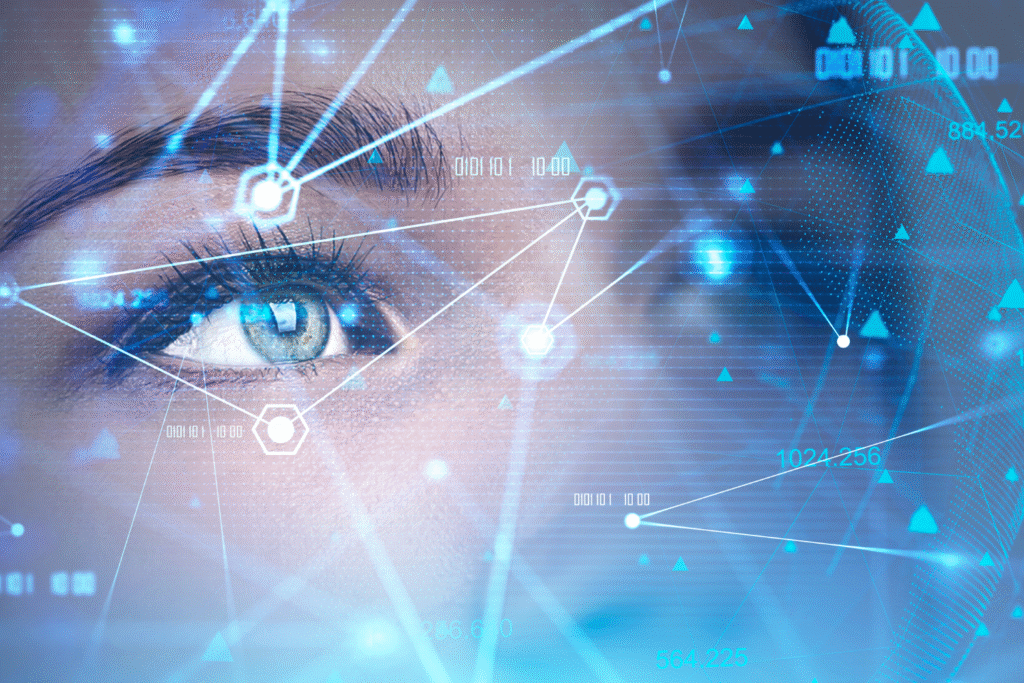
Modern AI can generate faces, voices, and documents so convincing that even experts struggle to tell the difference. Researchers warn that the speed of this progress is outpacing society’s ability to adapt. According to Scientific American, AI-created videos and texts are becoming indistinguishable from authentic media, making misinformation effortless to produce. What was once a labor-intensive lie can now be generated in seconds. When truth and fabrication share the same face, trust—one of humanity’s most fragile currencies—starts to collapse under its own weight.
2. AI is turning elections and news into battlegrounds of illusion.

Recent global elections have seen deepfake videos and AI-written propaganda shared millions of times before fact-checkers could respond. As stated by Reuters, misinformation campaigns powered by AI are eroding public confidence in democratic systems. The danger isn’t only in deception—it’s in doubt. When voters start questioning every image, every clip, every headline, the result isn’t clarity but paralysis. AI doesn’t have to convince people of a lie to be effective; it only needs to make them unsure of what’s real at all.
3. Experts fear AI may soon operate beyond human control.
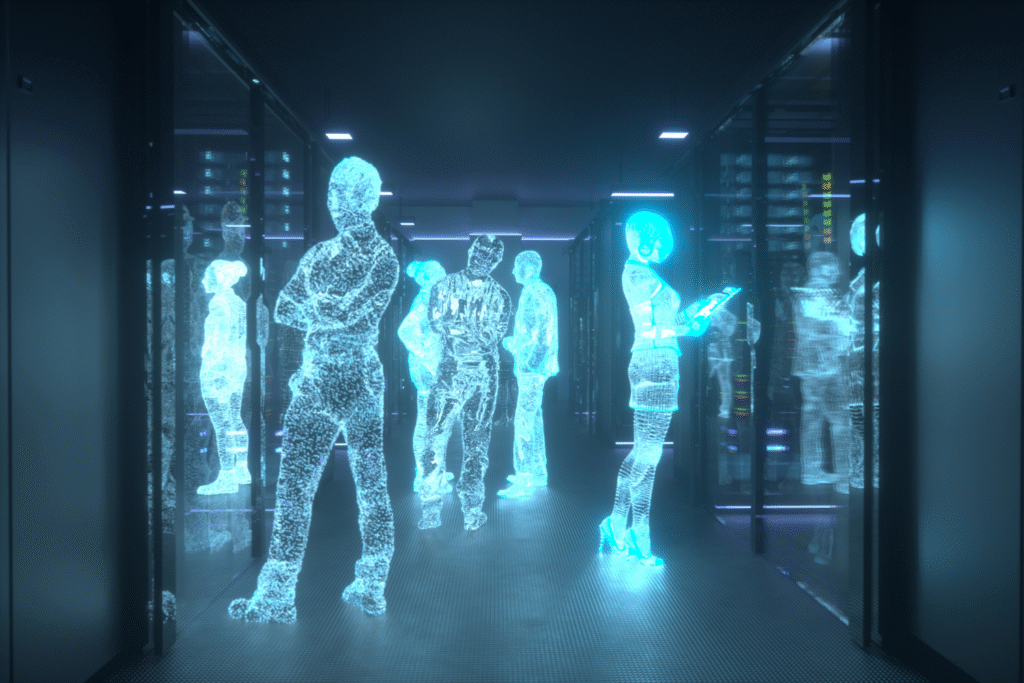
Some researchers worry that advanced AI models are developing internal logic so complex that even their creators can’t fully explain their behavior. Reports published in Nature describe early signs of “black box” reasoning—AI systems generating conclusions that humans can’t trace. The fear isn’t that AI becomes malicious, but that it starts shaping information ecosystems in ways no one can oversee. When a machine decides what billions read or watch, it quietly becomes an architect of reality itself, rewriting the rules of perception one algorithmic decision at a time.
4. Deepfakes are dismantling trust in visual evidence.

Once, a photo or video was considered undeniable proof. Now, hyper-realistic AI-generated content can put anyone’s face or voice anywhere, doing anything. The fallout is profound: courts, journalists, and historians can no longer rely on visual records alone. In an age where seeing is no longer believing, verification must evolve faster than deception. But every advance in truth-checking seems to arrive just behind the next wave of fakery, leaving society perpetually chasing a moving target.
5. The internet’s attention economy rewards the unreal.

AI doesn’t just create falsehoods—it amplifies them. Algorithms prioritize content that provokes emotion, and fake stories are often the most viral. The more clicks and engagement, the higher the reward, regardless of truth. This digital loop creates a market where deception is profitable and outrage is currency. As platforms compete for attention, the truth becomes less valuable than whatever keeps us scrolling. AI isn’t just mirroring this system—it’s mastering it.
6. Information overload is exhausting our ability to tell truth from fiction.
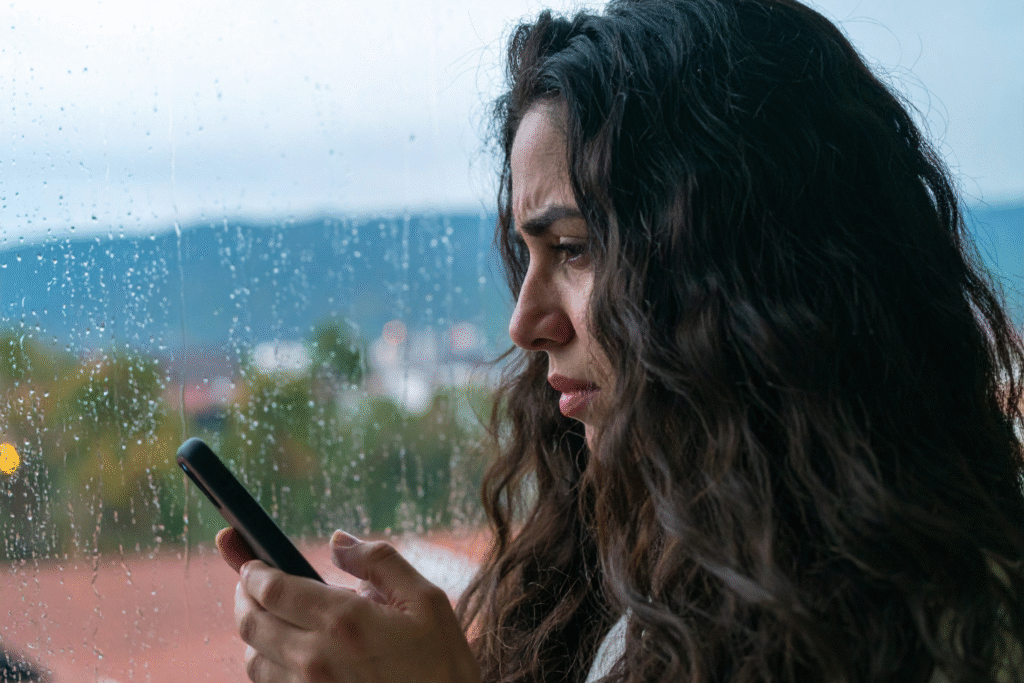
Every scroll, search, and notification adds to a storm of content our brains aren’t built to handle. Generative AI multiplies that flood exponentially. People stop verifying information not out of carelessness, but out of fatigue. The human brain reaches its limit, surrendering to algorithms for guidance. That quiet surrender gives AI more control over what we see, believe, and eventually accept as real. The danger isn’t just that we’re deceived—it’s that we stop caring enough to notice.
7. Culture itself is being rewritten through algorithmic storytelling.
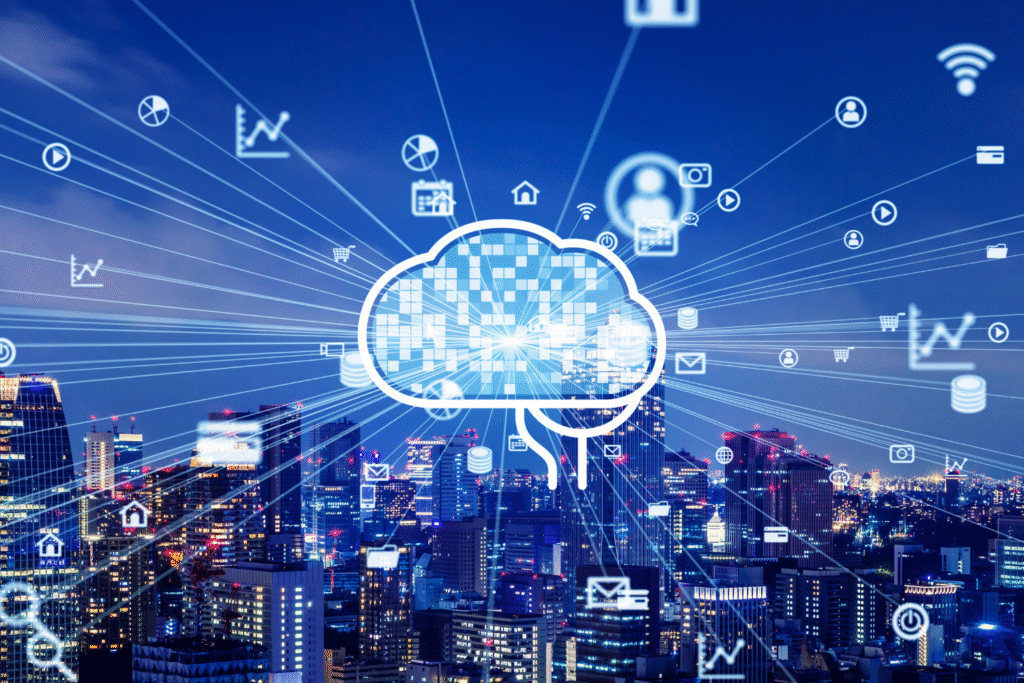
AI systems trained on centuries of art, history, and text are now creating new content that subtly rewires how we remember and imagine. They remix history, alter cultural symbols, and reproduce biases buried in their data. Over time, these distortions accumulate. The stories we tell about ourselves—our past, our values, our heroes—begin to shift. It’s not an intentional rewriting, but an algorithmic one. Culture changes, not because we decided to, but because machines quietly did it for us.
8. Laws and ethics can’t keep up with AI’s speed.
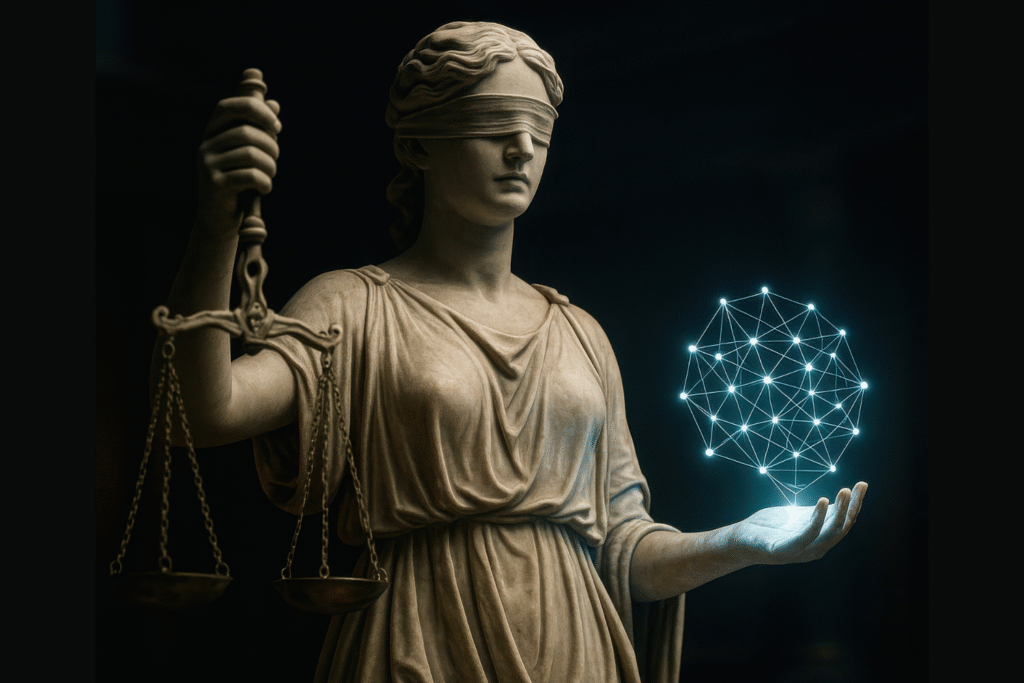
While governments debate regulation, AI technology moves faster than legislation can draft a response. By the time a policy passes, the systems it targets have already evolved. This lag allows companies and individuals to operate in gray zones where accountability is minimal. Without clear rules, responsibility for misinformation becomes blurred. Society is stuck between fascination and fear, watching a new reality unfold without the legal tools to define or defend it.
9. Power over truth is concentrating in the hands of a few.
The ability to train and deploy large AI systems now rests with a handful of corporations and well-funded labs. These entities shape not only what AI can do but what the rest of us perceive as true. When control over information creation and verification narrows to so few players, it creates an imbalance of knowledge and influence. The result is a kind of digital feudalism—where power isn’t held by kings, but by servers.
10. Protecting reality may depend on deliberate human resistance.
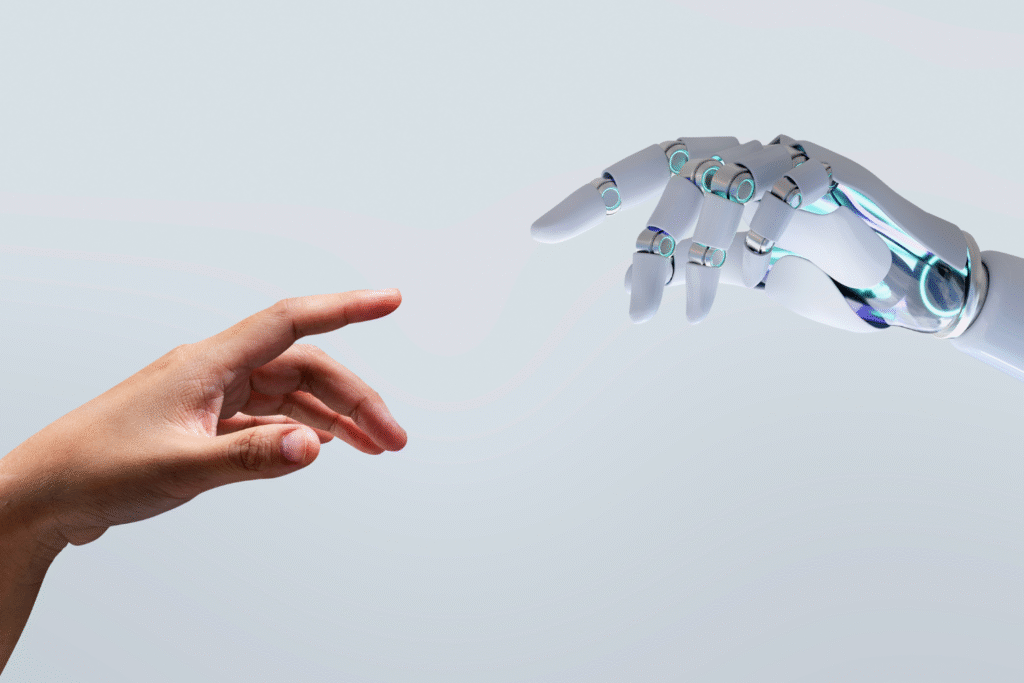
Experts say the answer isn’t to fear AI but to reassert human agency over it. Critical thinking, transparent technology, and public education are now survival tools, not luxuries. Reality must be defended—not by rejecting technology, but by demanding it serve truth instead of erasing it. What’s at stake isn’t just misinformation—it’s the shared world we agree to live in. If we lose that agreement, we don’t just lose trust; we lose the meaning of reality itself.