
A royal face has emerged from silence.
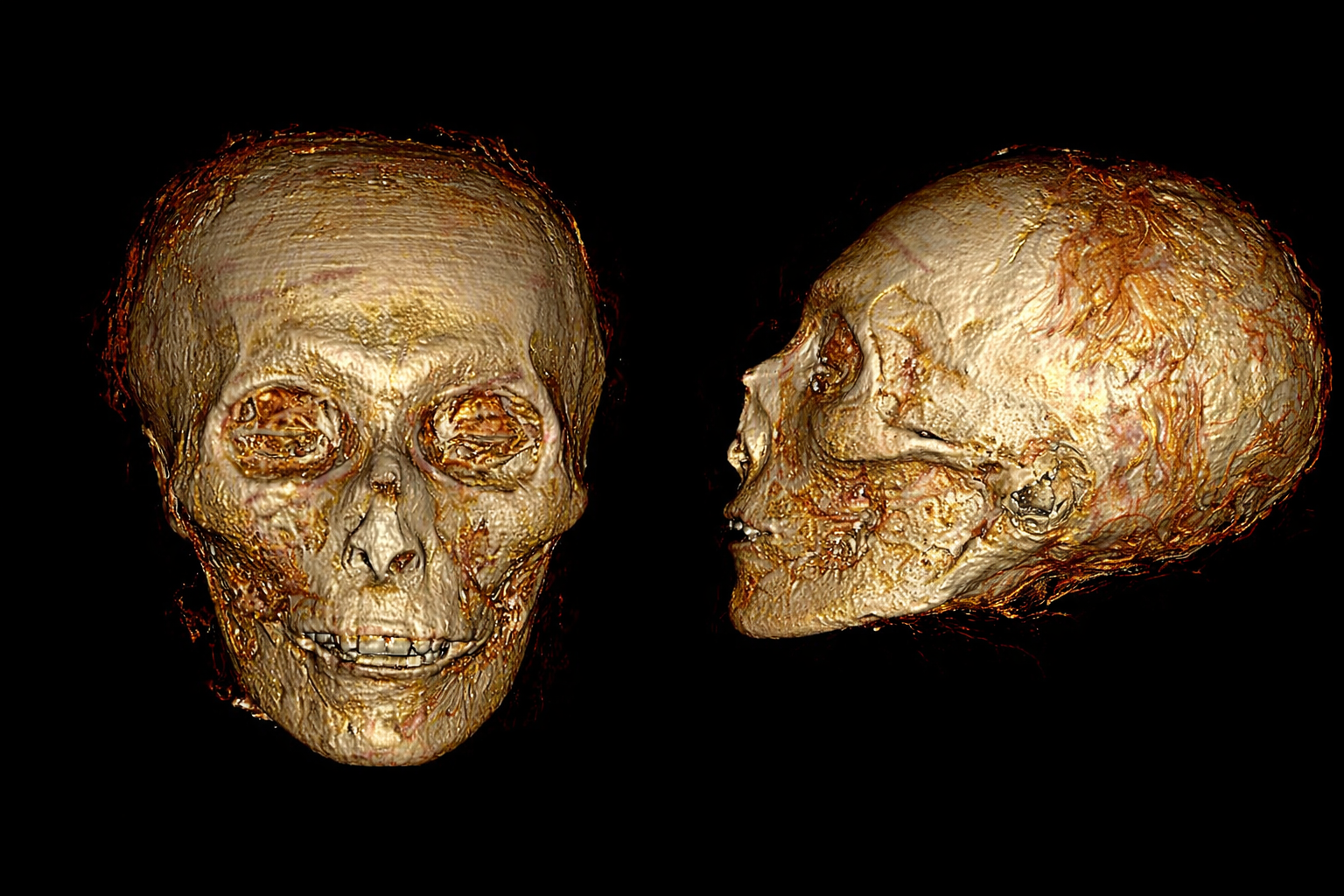
For generations, one Egyptian king remained sealed behind perfect linen, his features hidden even as other mummies were unwrapped in the name of curiosity and science. His wrappings stayed intact, untouched out of caution and reverence. Yet beneath those layers rested a story frozen in time, preserved with astonishing care. Modern imaging has now done what chisels and hands never dared, slipping through fabric without tearing a thread. What appears beneath is not just bone and ornament, but something far more intimate, a presence that feels less like an artifact and more like a man.
1. His face was reconstructed without ever unwrapping him.
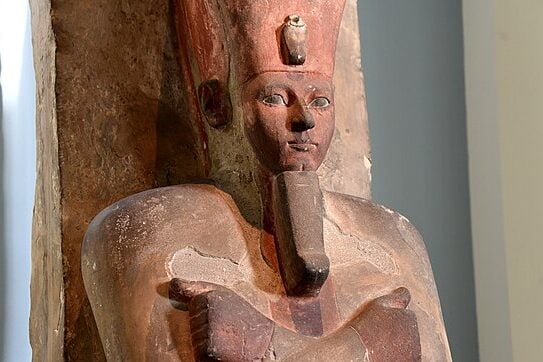
Egyptian researchers used computed tomography to create a digital model of Amenhotep I’s body, revealing every bone, amulet, and facial feature in striking detail. According to the Egyptian Ministry of Antiquities, the scans showed a symmetrical face framed by curly hair and adorned with jewelry. The technology allowed experts to see him as he truly looked, without ever disturbing his linen wrappings. This noninvasive approach preserved one of Egypt’s rare untouched royal mummies while providing the most intimate glimpse yet into his afterlife preparation.
2. The scans revealed he died in his mid-thirties.
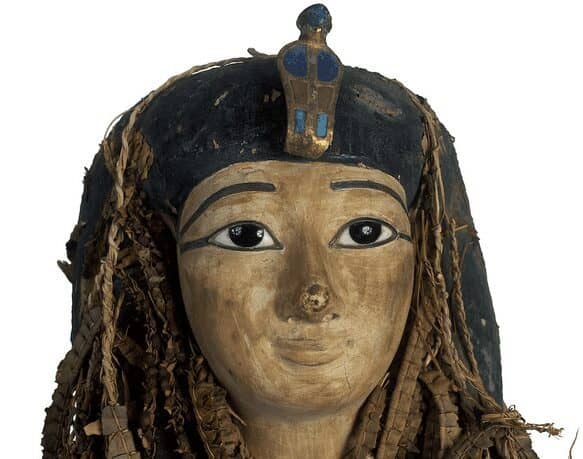
Amenhotep I was young by modern standards, but already a seasoned ruler. The scan analysis found fully fused bones and teeth that had stopped developing, suggesting he died around 35 years old. Researchers noted no signs of disease or trauma, implying he may have died peacefully. As stated by National Geographic, his pristine condition and lack of injuries make him one of Egypt’s most enigmatic pharaohs, as most ancient rulers met more violent ends. His calm expression deepens that mystery, like a ruler who drifted away rather than fell.
3. His body had been rewrapped centuries after burial.
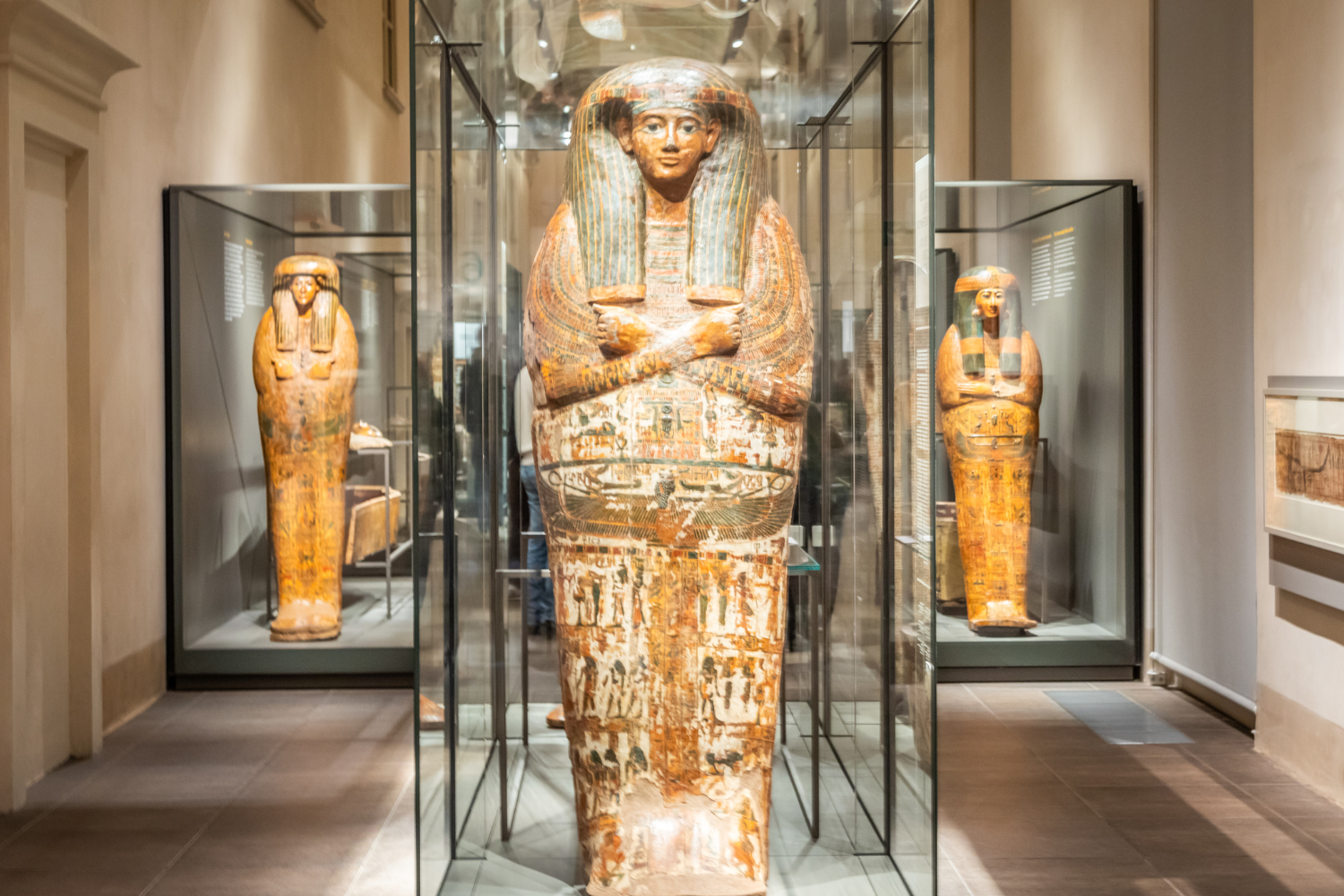
Long after his burial, priests from Egypt’s 21st Dynasty carefully rewrapped the pharaoh’s remains. As reported by BBC News, the scans revealed broken bones that had been repaired using resin and linen, likely from tomb raiders centuries earlier. These priests rebandaged him, replaced stolen jewelry, and restored his dignity for eternity. This reverent act of preservation reveals a profound cultural respect for royal ancestors, showing how Egypt’s later dynasties treated their long-dead kings as divine legacies rather than relics.
4. He was buried wearing intricate jewelry still intact.
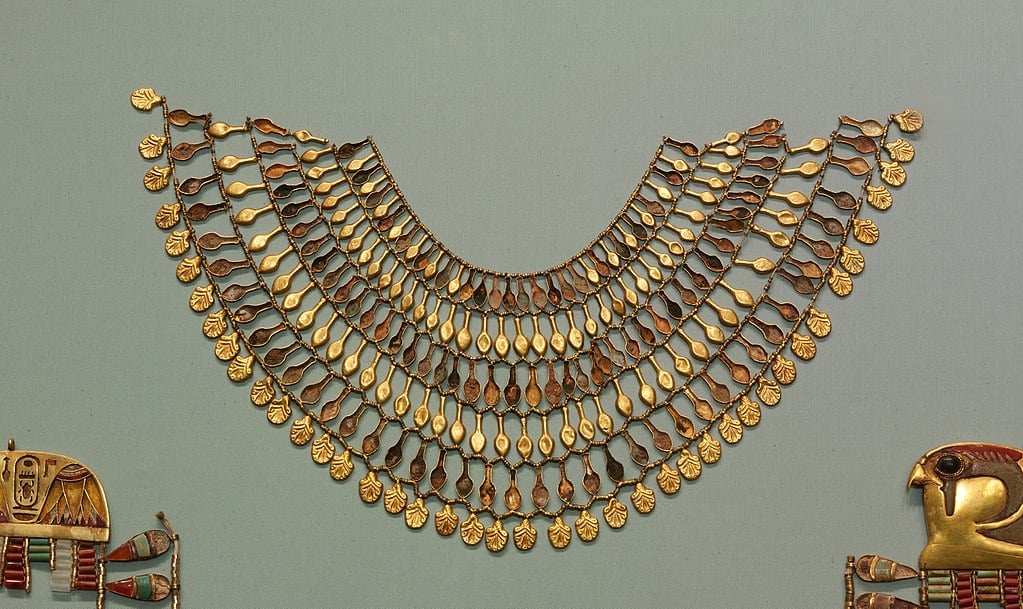
Hidden beneath the wrappings were 30 precious amulets made of gold, faience, and semiprecious stones, each symbolically placed for protection in the afterlife. Scans revealed the positioning of scarab charms, ankhs, and sacred cobras layered like hidden prayers over his body. The level of artistry in these objects speaks volumes about his status and the craftsmanship of his embalmers. Their decision to leave the mummy sealed was wise, every detail remained undisturbed for modern eyes to rediscover in digital form.
5. His face looked strikingly human and serene.
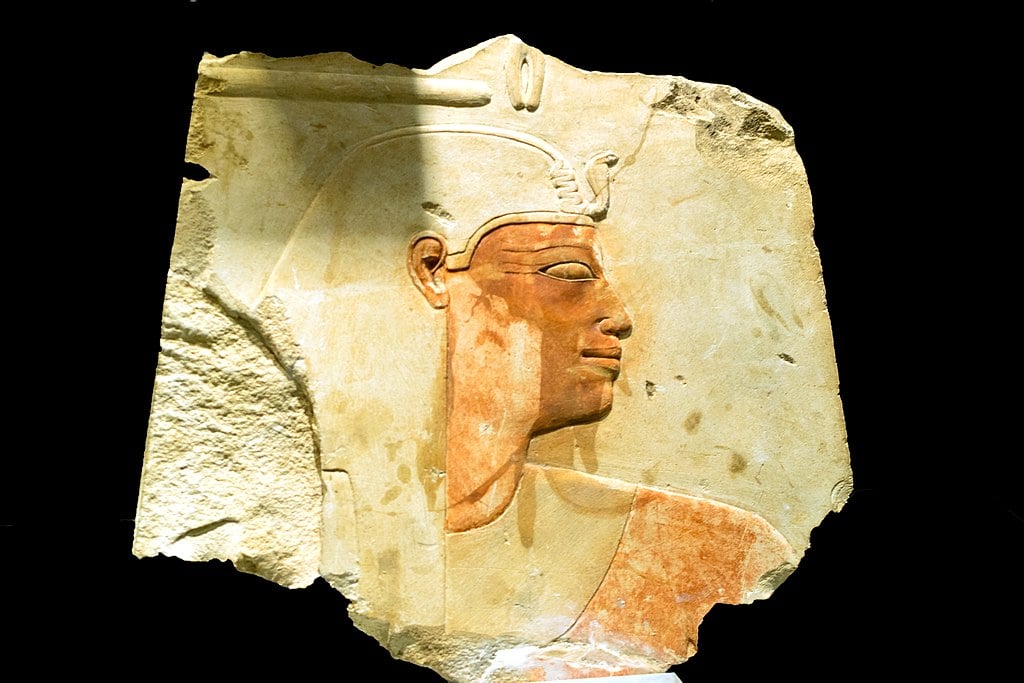
Unlike the stylized masks seen in tomb art, the CT scan exposed a more intimate truth. His nose was narrow, lips full, and cheeks softly defined, with features more human than divine. He didn’t resemble the idealized kings of monuments, but a real young man whose reign was abruptly paused. Seeing his face reanimated through imaging creates an uncanny bridge between eras, proof that even through millennia, identity can persist when preserved with reverence and science.
6. His tomb may have been looted multiple times.
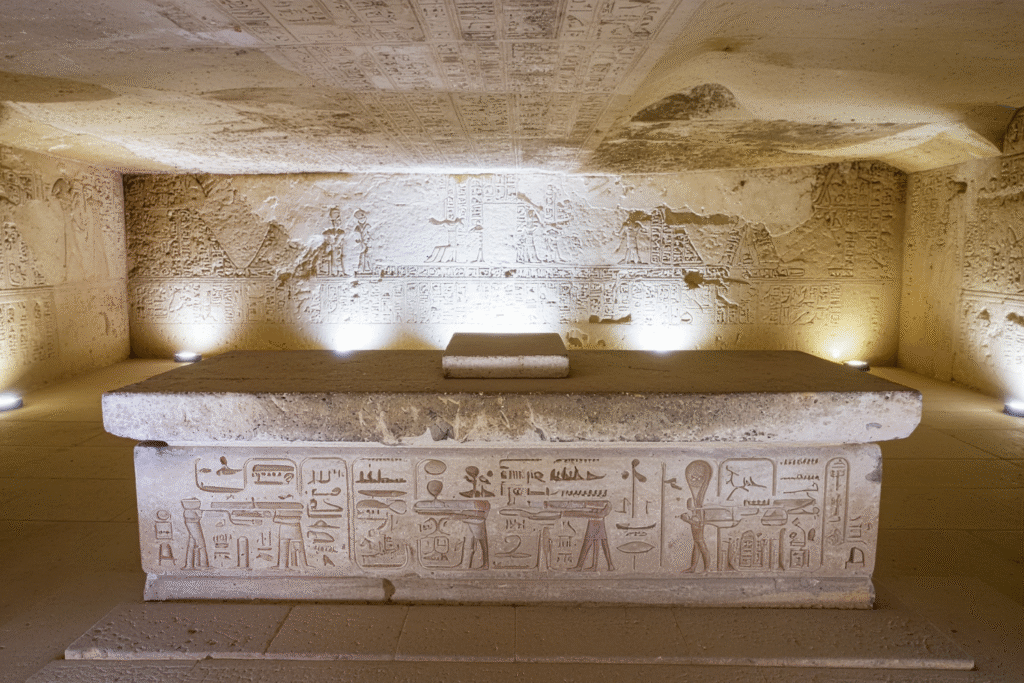
Evidence of damage in the skull and detached bones hints that robbers repeatedly raided his resting place before the reburials. Many pharaohs of the Theban necropolis suffered similar desecrations, their treasures stripped and remains tossed aside. Amenhotep I’s careful restoration centuries later turned him into an archaeological time capsule, bearing both the scars of greed and the devotion of those who repaired him. The contrast tells a story of human impulse, destruction, followed by repentance and preservation.
7. His reign marked stability after generations of war.
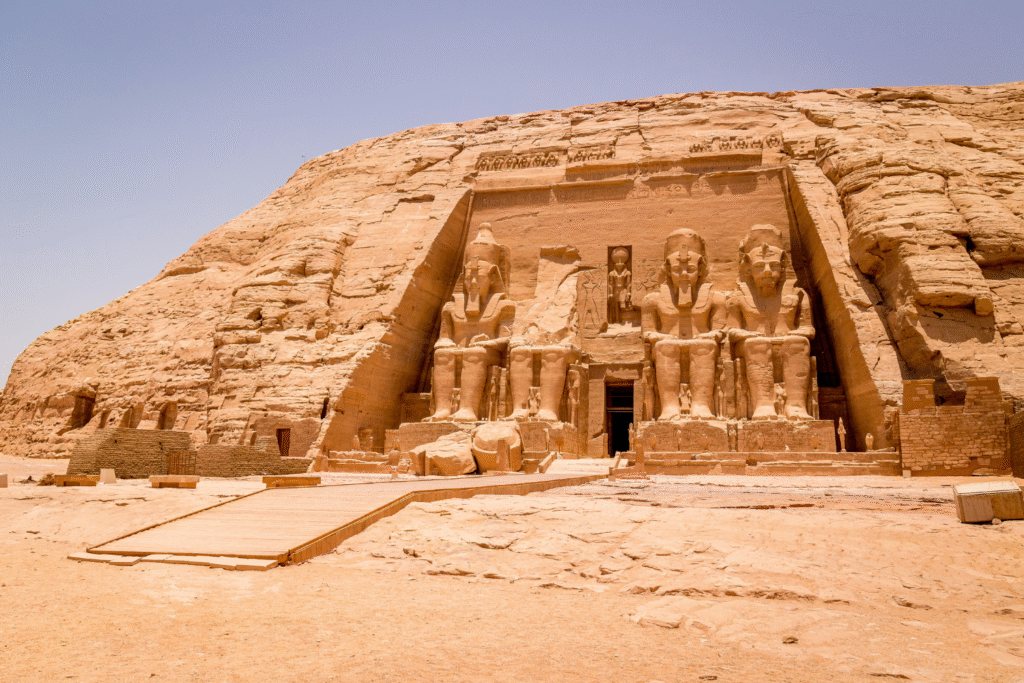
Amenhotep I ruled during Egypt’s 18th Dynasty, an era of rebirth following invasions by the Hyksos. His leadership ushered in peace, prosperity, and ambitious temple building. He expanded Egypt’s borders and reinforced its identity as a unified empire. This context makes his gentle expression almost symbolic, a young king embodying balance after years of unrest. Every artifact found alongside him radiates the same quiet confidence of a nation rediscovering its strength.
8. The digital unwrapping revealed no signs of illness.
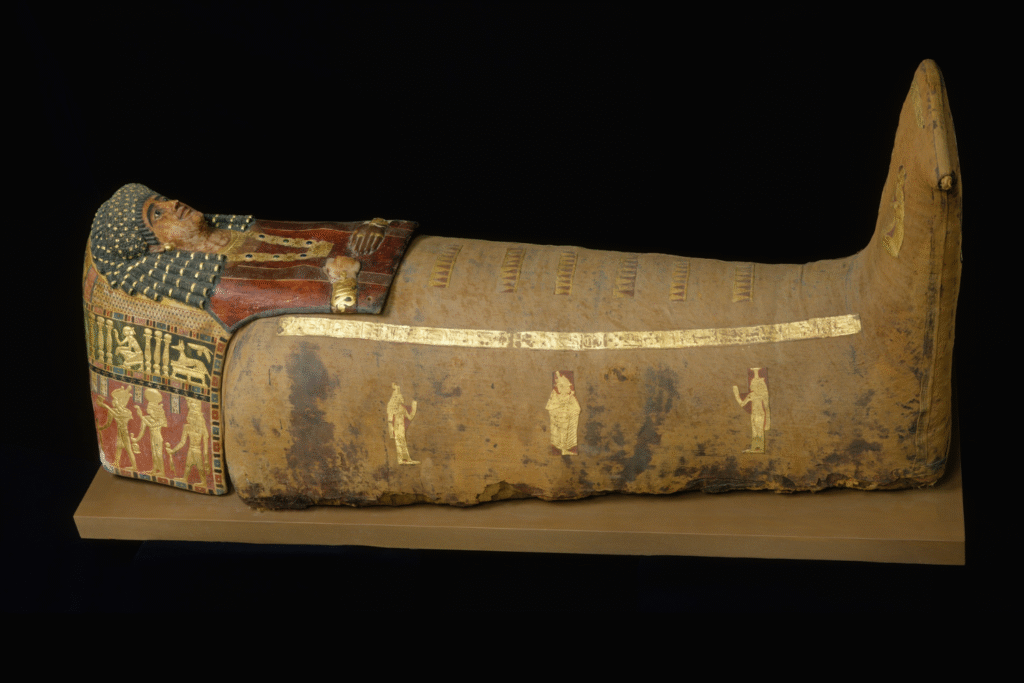
The CT scans showed perfect teeth, an unbroken spine, and well-preserved organs, rare for a mummy of his age. No traces of infection, malnutrition, or disease were detected. That pristine condition reinforces how advanced Egyptian preservation methods had become by his time. It also suggests his death was sudden or natural rather than prolonged by illness, which adds to the lingering question: what exactly ended his reign so soon?
9. His mummy was discovered in a secret royal cache.
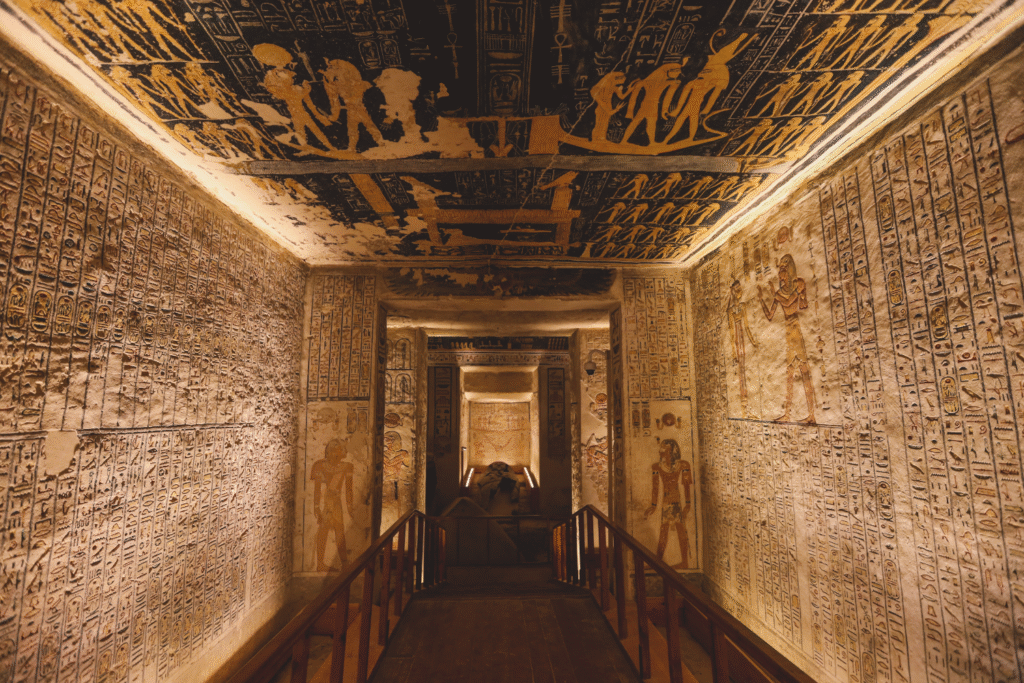
In 1881, Amenhotep I’s remains were found hidden with dozens of other pharaohs in the Deir el-Bahari cache near Luxor. Priests had relocated them from their original tombs to protect them from grave robbers. The discovery shocked the world, as it unearthed rulers thought lost forever. Among them, Amenhotep’s body stood out for its immaculate wrapping, so perfect that Egyptologists refused to touch it for 140 years. The restraint preserved him for today’s technology to finally reveal.
10. His digital resurrection is changing future archaeology.

The success of Amenhotep I’s digital unwrapping has set a new standard in mummy research. Archaeologists can now explore ancient remains with zero physical interference, maintaining cultural respect while gaining scientific insight. It blurs the line between ancient and modern, letting us meet history’s faces without desecration. Amenhotep’s rebirth in pixels reminds us that technology isn’t just for progress, it can also resurrect memory, humanity, and beauty lost to time.