
The grocery cart is shifting under your feet.

On weeknights in Phoenix, Cleveland, and Raleigh, dinner is increasingly built from shortcuts, swaps, and small experiments. Millennials are not staging a loud rebellion against old American food habits, they are simply buying differently, cooking differently, and ordering differently. Cost pressures, health goals, and convenience tech are steering choices in real time. The result is a slow nationwide rewrite of what feels normal to eat, and where it comes from.
1. Convenience foods are becoming everyday staples.
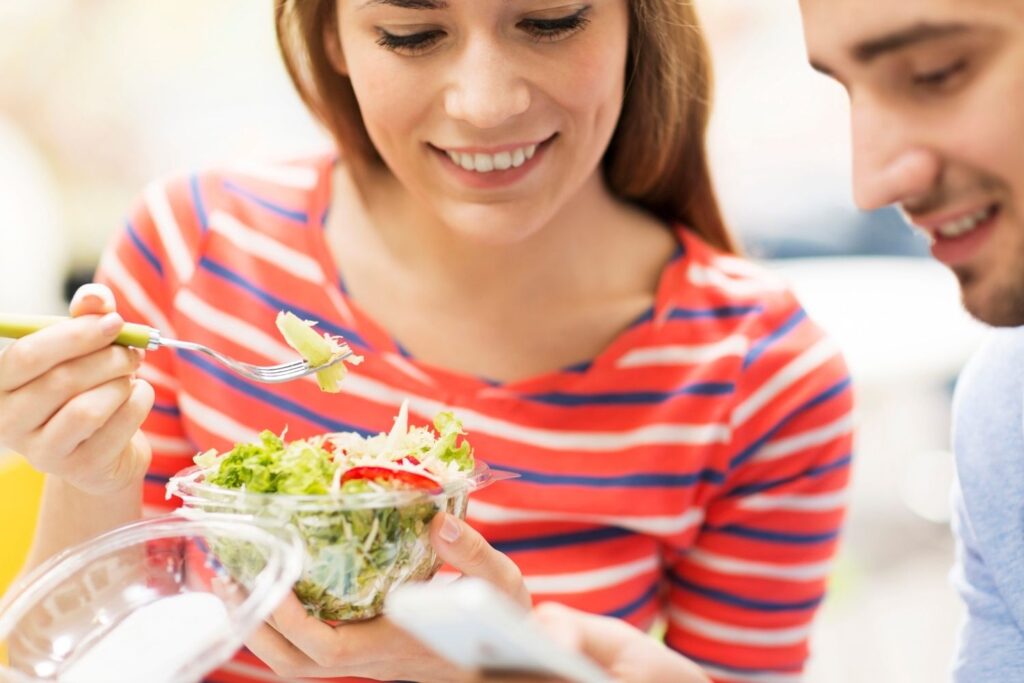
Millennials are not allergic to cooking, they are allergic to losing an hour to cooking when life is already running hot. In a lot of U.S. households, dinner now looks like pre-cut vegetables, rotisserie chicken from a grocery store, and a bagged pre-made salad that feels like a tiny act of self respect. This shift is not only about laziness, it is time economics.
That time economics shows up in measured behavior. Millennials spend less time on food preparation and are more likely to buy ready to eat foods, with nearly two thirds reporting they bought some form of prepared food in the prior seven days. That reality pushes manufacturers to build more heat and eat options, and it changes what stores stock at eye level.
2. Takeout is now a default meal plan.
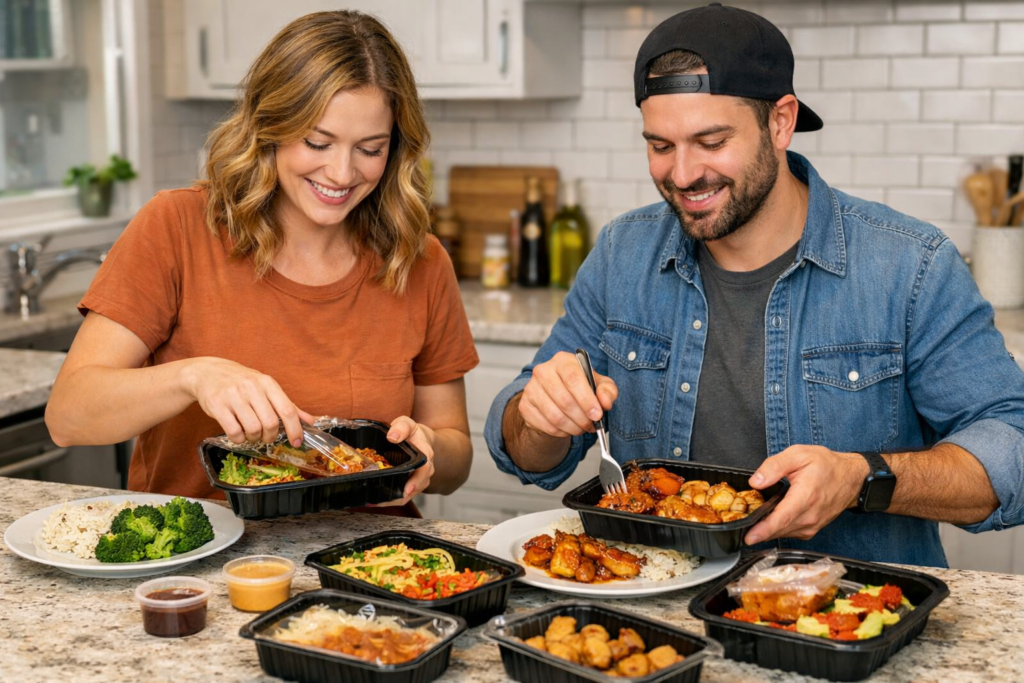
A decade ago, takeout was a treat or a rescue. Now it is a routine, especially in cities where traffic, commutes, and long workdays make cooking feel like a second job. In places like Dallas and Northern New Jersey, off premises dining means grabbing pickup on the way home, eating in the car, or ordering to the doorstep and calling it a normal Tuesday.
The business data tracks the cultural shift. Nearly 75 percent of all restaurant traffic now happens off premises, meaning most orders are taken to go. Once that becomes normal, menus change. Items are designed to travel, portions shift, and sauces, bowls, and handheld meals take over because they survive the ride.
3. Health focused eating patterns are spreading quietly.
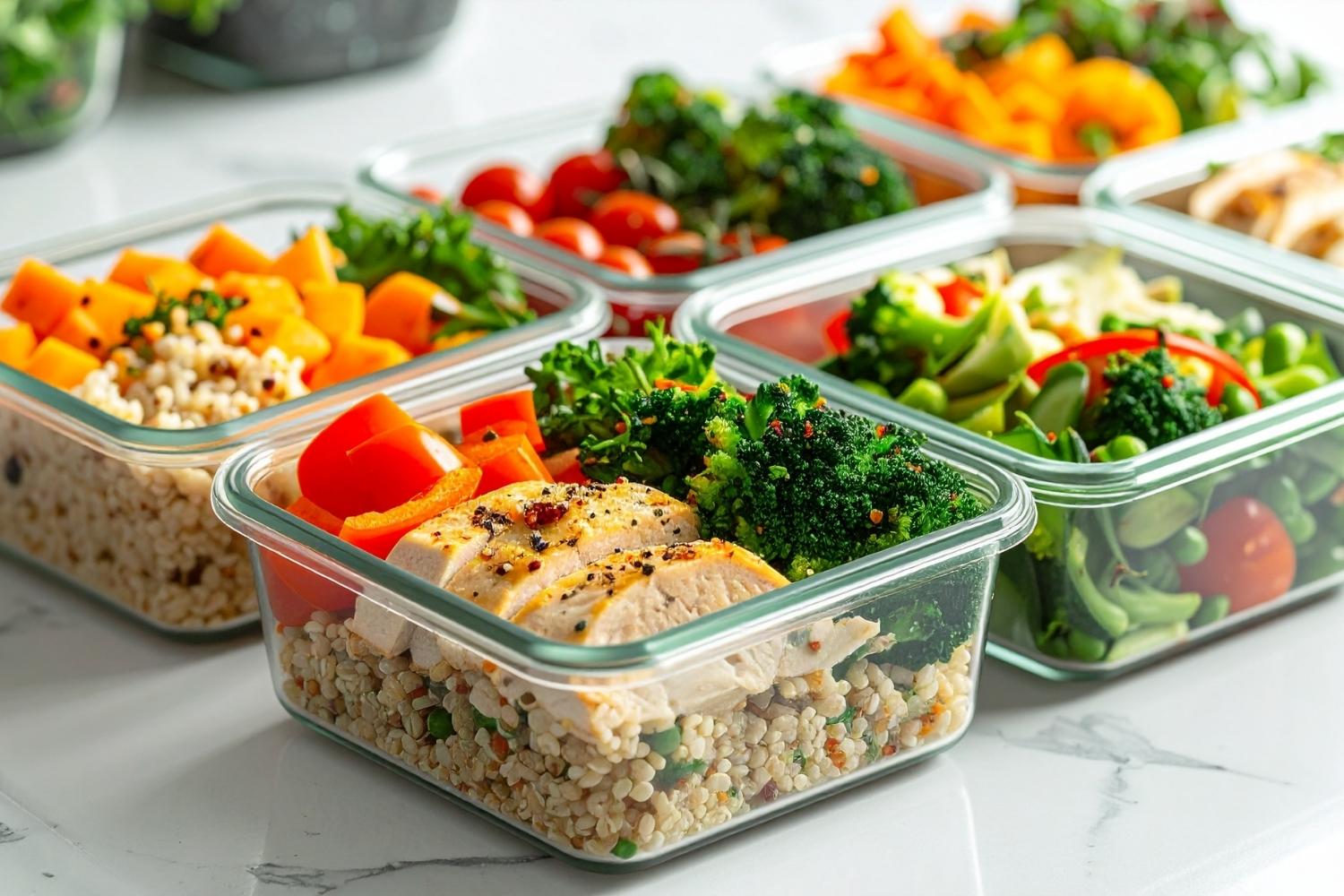
Millennials tend to treat food like a personal dashboard. One week it is high protein, the next it is mindful eating, then it is cutting back on sugar or trying a plant forward month. You can see it in grocery aisles from Seattle to Tampa, where labels like protein, fiber, and gut friendly are doing as much selling as flavor.
This constant tweaking is not random. In a large national survey of Americans fielded in March 2024, about half reported following a diet or eating pattern, with high protein and mindful eating among the most common. When that mindset becomes mainstream, brands adjust quickly. More snack packs become macro friendly, more drinks promise functional benefits, and even fast food leans into bowls, wraps, and customizable add ons.
4. Grocery shopping is turning into a smaller, faster trip.
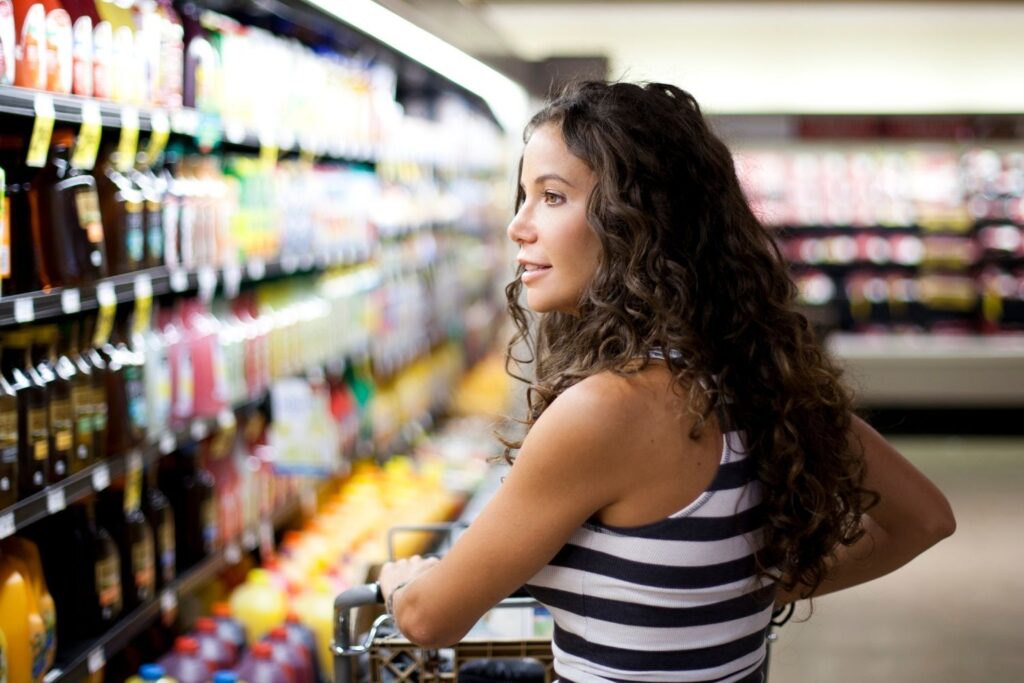
Big weekly hauls are less sacred than they used to be. Millennials are more likely to shop in shorter loops, grabbing what they need for the next couple of days, especially in dense areas where a Target, Trader Joe’s, or corner market is always nearby. In suburbs, it looks like a quick stop after work, often anchored by one planned item and three impulse solutions.
This changes what America eats because it changes what stays in the cart. When you shop more often, you buy fewer shelf stable staples and more ready meals, snacks, and fresh items that feel immediately usable. It also pressures stores to keep prepared foods and grab and go sections stocked all day, not just at lunch. The rhythm of eating becomes less about pantry planning and more about daily problem solving, which favors convenience and variety.
5. Global flavors are becoming normal weeknight food.
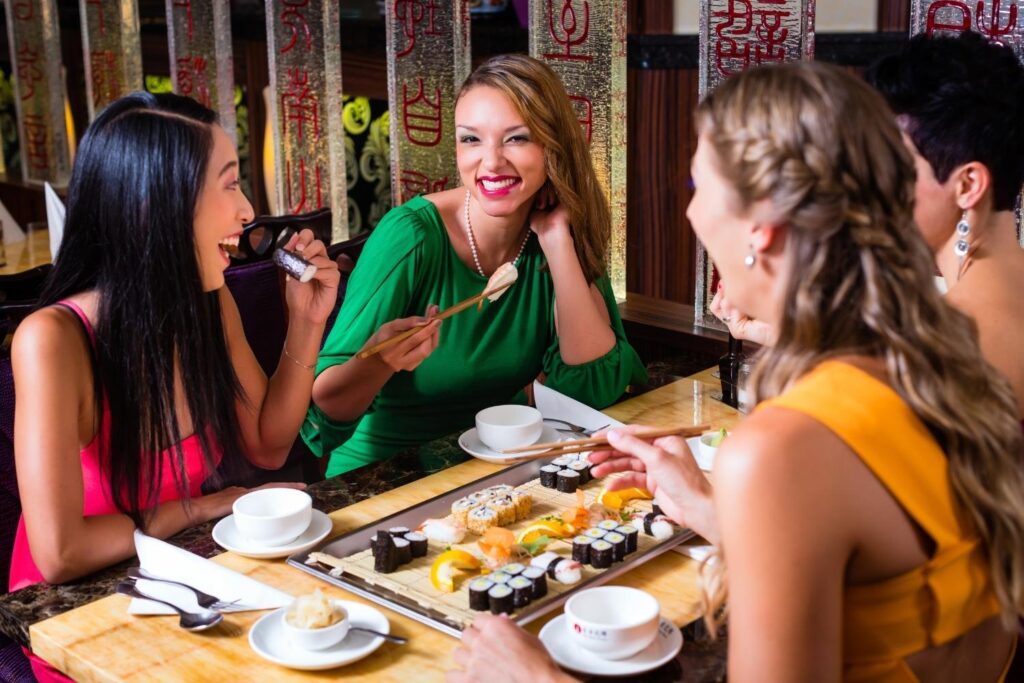
The quiet shift is that a lot of millennials now treat international flavors as comfort food, not special occasion food. In Los Angeles, it might be Korean barbecue sauce in a home stir fry. In Minneapolis, it might be gochujang mixed into mayo for sandwiches. In Miami, it might be Peruvian style chicken and green sauce ordered on a weeknight because it is familiar.
As demand rises, supermarkets respond with aisle level changes. More spice blends, more chili crisp, more tortillas, more curry pastes, and more frozen meals built around regional flavor profiles. Restaurant chains follow with limited time items that are basically test balloons for what will become permanent. The bigger impact is cultural. A generation raised on streaming and travel content expects variety, and the food system is learning to deliver it at scale.
6. Private label is getting a glow up.
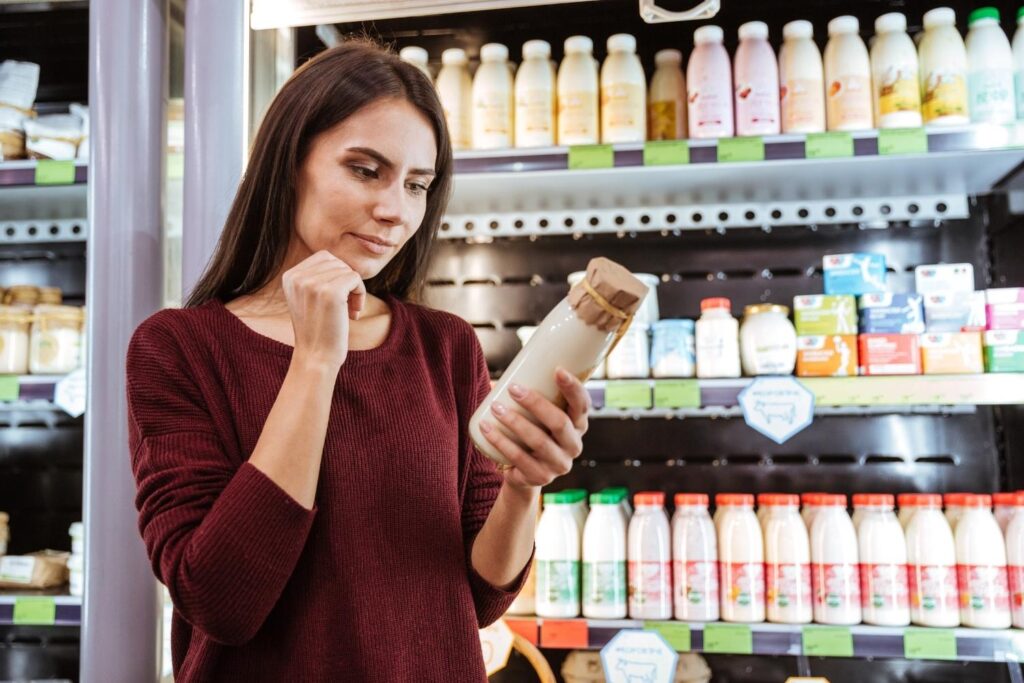
Millennials are less impressed by legacy brands when the store brand tastes the same and costs less. Inflation trained a lot of shoppers to experiment, and once they realized the basics were solid, many did not go back. In practical terms, this looks like buying a store brand Greek yogurt, a store brand oat milk, and a store brand frozen meal, then saving the name brands for one or two emotional favorites.
This pushes retailers to invest in their own lines, including higher quality ingredients and better packaging. It also changes what gets launched. Brands now have to fight harder to justify price premiums, which can lead to reformulations, smaller package sizes, or more aggressive promotions. Over time, a larger share of what America eats is decided by retailers, not national brands, and that shifts power in the entire food chain.
7. Snacking is replacing traditional meal structure.

Millennials often eat in fragments, not because they forgot meals exist, but because schedules are irregular. Between remote work, hybrid meetings, side hustles, childcare, and commutes, the classic breakfast lunch dinner rhythm can feel unrealistic. In Chicago and Denver, it shows up as protein bars, yogurt, nuts, and pre made salads that collectively become a day’s food.
As snacking grows, products evolve. Snacks become higher protein, higher fiber, and more meal like. Portion sizes shift toward small plates, and packaging focuses on portability and resealability. This trend also affects nutrition conversations, because snacking can either improve diet quality with better choices or quietly increase ultra processed intake. Either way, the food industry is building for snackers now, and that changes what gets prioritized in research, marketing, and shelf space.
8. Cooking at home is becoming more modular.
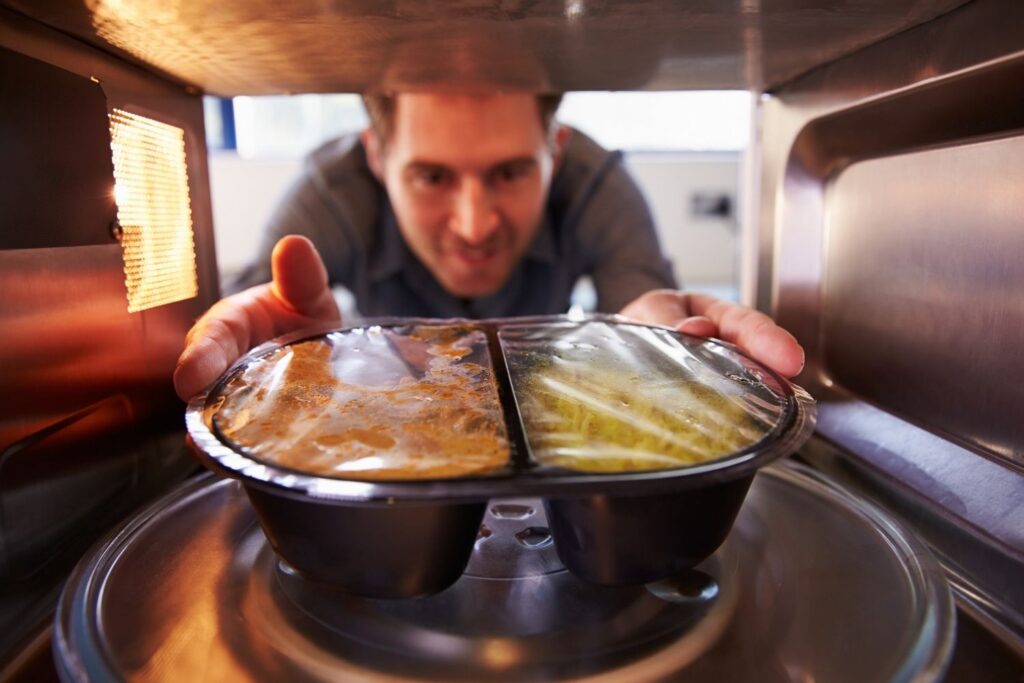
Instead of making everything from scratch, a lot of millennials assemble meals from components. Think of it like building dinner the way you build a playlist. A base, a protein, a sauce, and something crunchy. In Austin, that might be microwave rice, canned beans, salsa, and shredded rotisserie chicken. In Boston, it might be frozen dumplings with bagged slaw and a quick chili oil drizzle.
This modular approach encourages experimentation because the stakes are low. You can try a new sauce without committing to a full recipe. You can rotate proteins based on price. You can keep a few reliable components on hand and still feel like you ate something real. Brands notice and sell components accordingly, sauces, kits, pre cooked grains, and chopped vegetables that turn meal making into a fast assembly line.
9. Food decisions are getting more values driven.
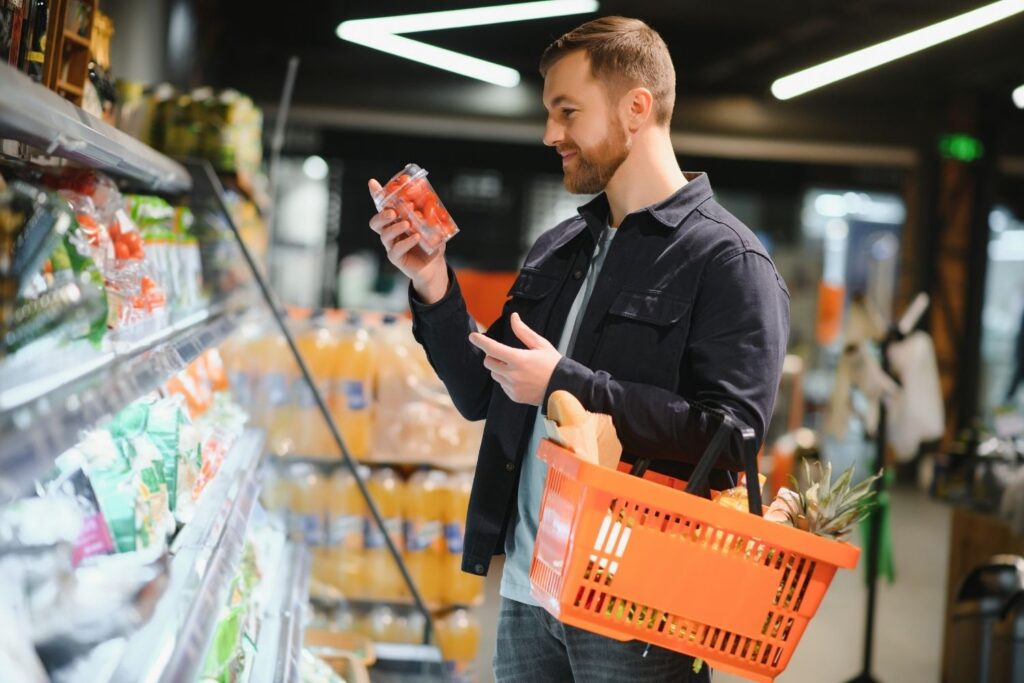
Millennials talk about food with a moral vocabulary more often than older generations did at the same age. Questions like where was it made, how were animals treated, is it sustainable, and what is the labor story show up in everyday purchasing. In Portland and Philadelphia, it can look like buying cage free eggs or choosing a local coffee roaster. In smaller towns, it might be as simple as choosing a brand that feels transparent.
This does not mean every millennial shops like an activist. It means values are part of the decision mix, alongside cost and taste. That pushes companies to add certifications, traceability claims, and sustainability messaging, sometimes sincerely, sometimes opportunistically. Either way, the market reacts. When values become a sales factor, product development starts to include packaging changes, ingredient sourcing shifts, and more prominent labeling.
10. The freezer aisle is becoming the new kitchen.
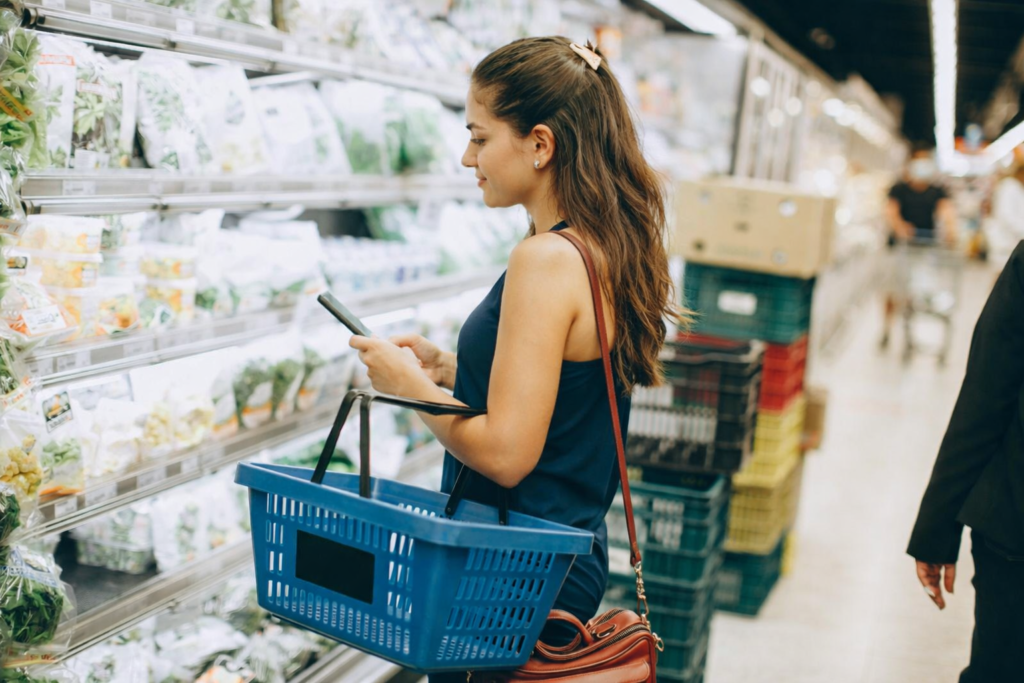
Frozen food used to feel like compromise. Now it often feels like strategy. Millennials use frozen meals, frozen vegetables, and frozen proteins as a reliable foundation because waste is expensive and time is scarce. In a New York apartment, frozen can mean a small stash of dumplings and vegetables that prevents a costly delivery spiral. In a Kansas City suburb, it can mean a freezer stocked for kids, work nights, and unpredictable schedules.
This trend changes the food system in a big way because frozen foods are improving rapidly. Better textures, better seasoning, and more global options make frozen feel less like survival and more like preference. It also changes what counts as cooking. Heating a high quality frozen meal and adding fresh toppings can be a real dinner, and the industry is leaning into that reality with premium frozen lines, meal bundles, and healthier ingredient lists designed for people who still care about food, just not the old rituals.