
Ancient bloodlines survived history without breaking.
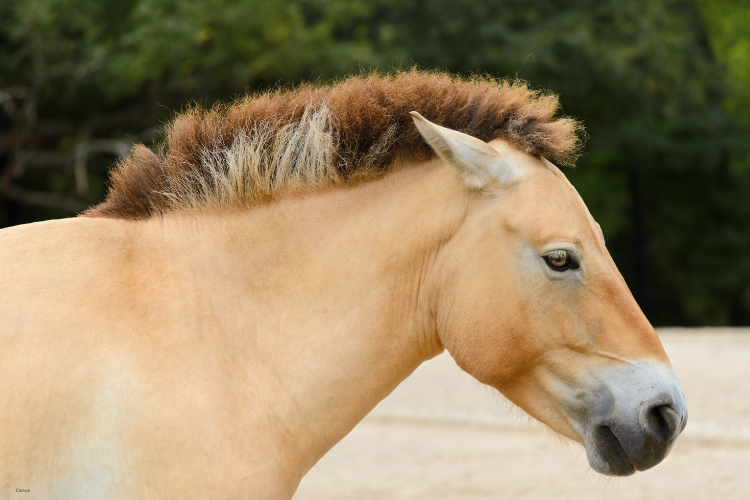
In recent years, genetic research has begun rewriting what we thought we knew about domesticated animals. One discovery stands out for its clarity and shock value. A horse lineage believed to be lost to time has been traced directly from ancient remains to living animals today. The finding connects modern herds to horses ridden, traded, and relied upon thousands of years ago. This was not a symbolic resemblance or folklore claim. It was confirmed through DNA, archaeology, and historical records that finally aligned.
1. Genetic testing linked modern horses to ancient remains.
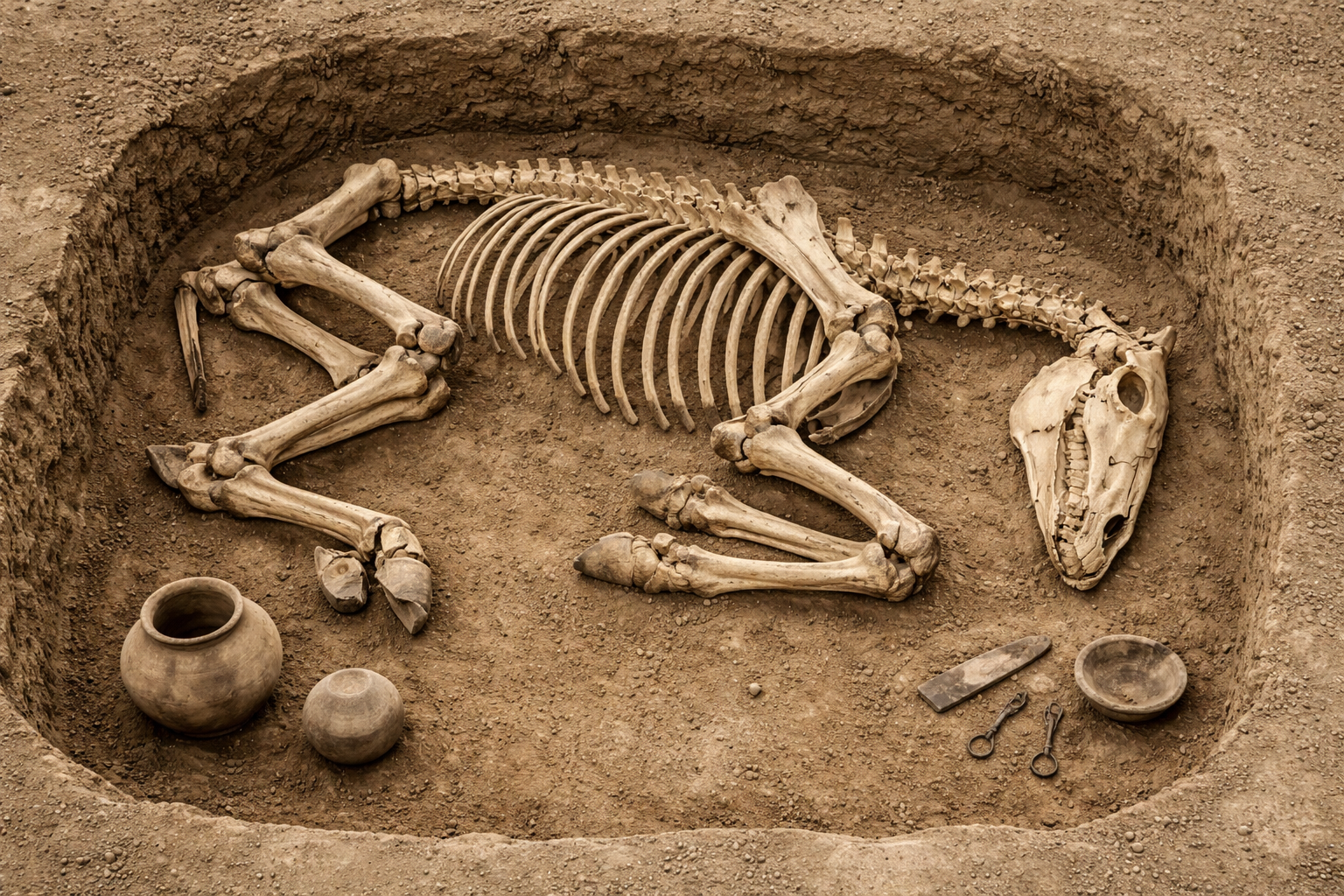
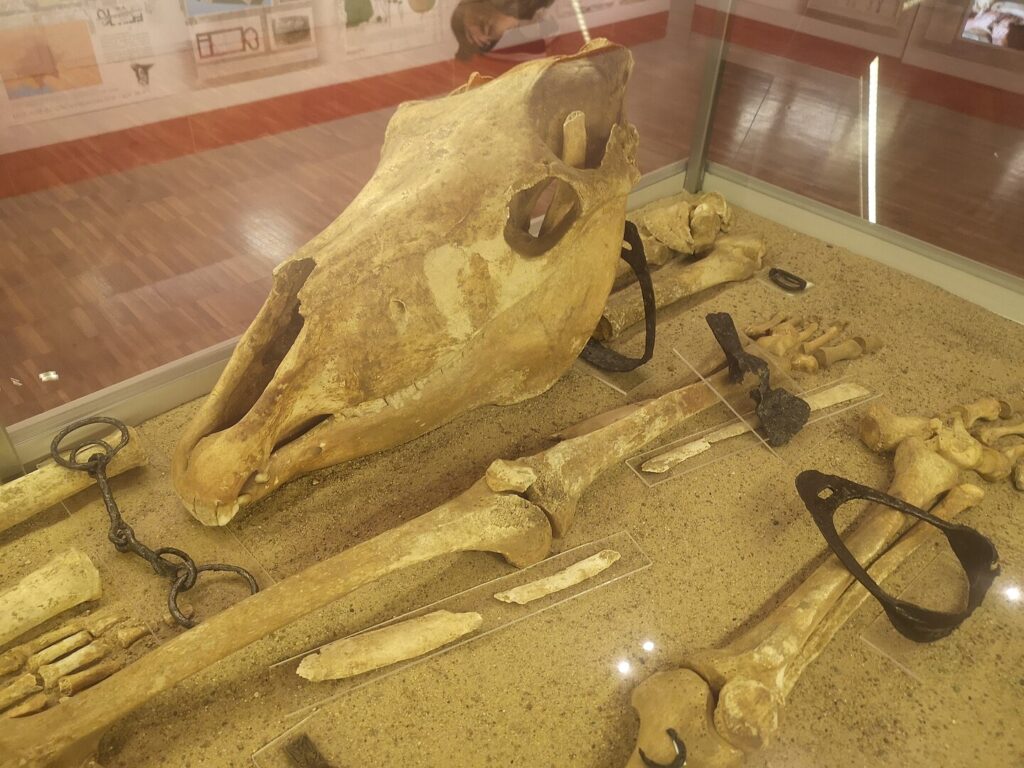
Researchers analyzed DNA extracted from horse bones found in archaeological sites dating back roughly four millennia. These remains were recovered from burial contexts associated with early nomadic cultures in Central Asia, where horses were central to daily life. When scientists compared the ancient genetic markers with modern horse populations, one lineage matched with remarkable precision.
The results surprised many. According to research published by the University of Copenhagen, this genetic continuity showed minimal divergence across thousands of years, confirming that the same horse breed survived major historical transitions rather than being recreated or selectively rebuilt later.
2. The lineage traces back to Bronze Age herders.
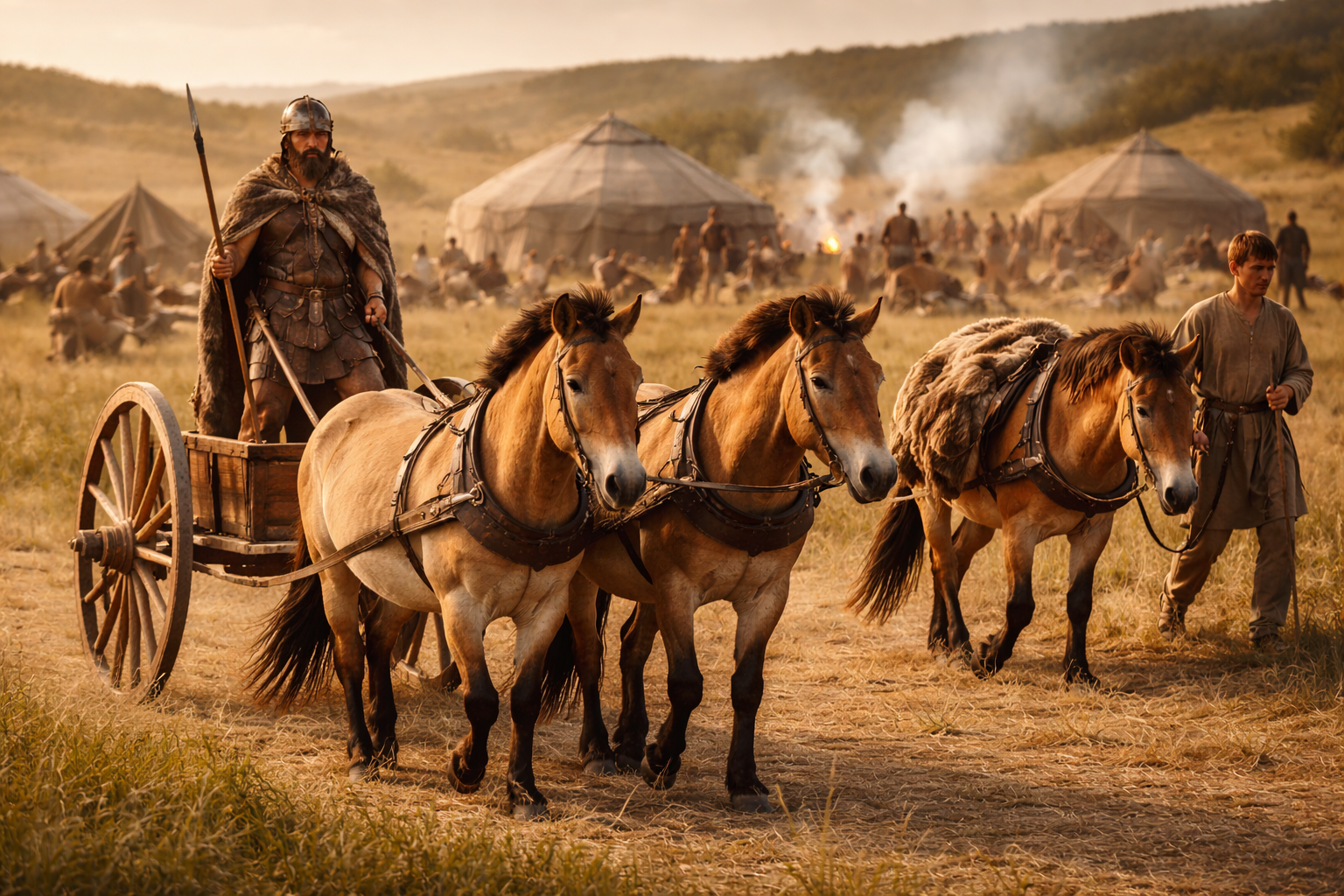
The earliest remains tied to this breed were discovered in Bronze Age settlements where horses were used for transport, warfare, and trade. These communities depended on hardy, adaptable animals capable of surviving harsh climates and long migrations. The horses were not luxury animals, but essential partners in survival.
This context matters. As stated by the Max Planck Institute for Evolutionary Anthropology, early domesticated horses from this region show signs of selective stability rather than constant replacement, indicating intentional preservation of specific traits valued by herding cultures.
3. Modern Przewalski type horses carry the same markers.
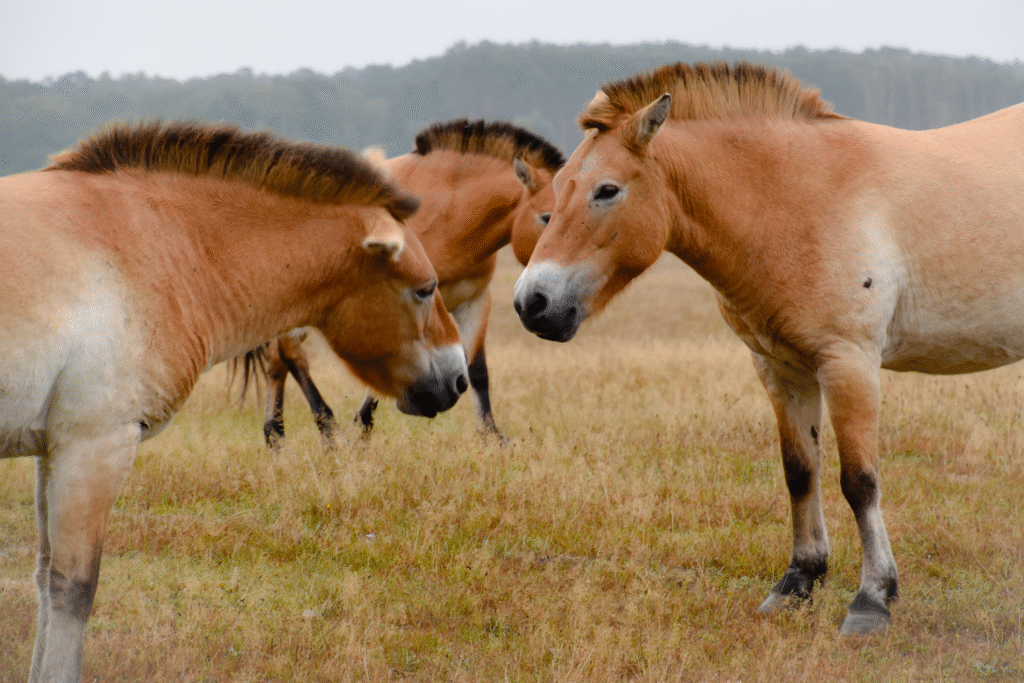
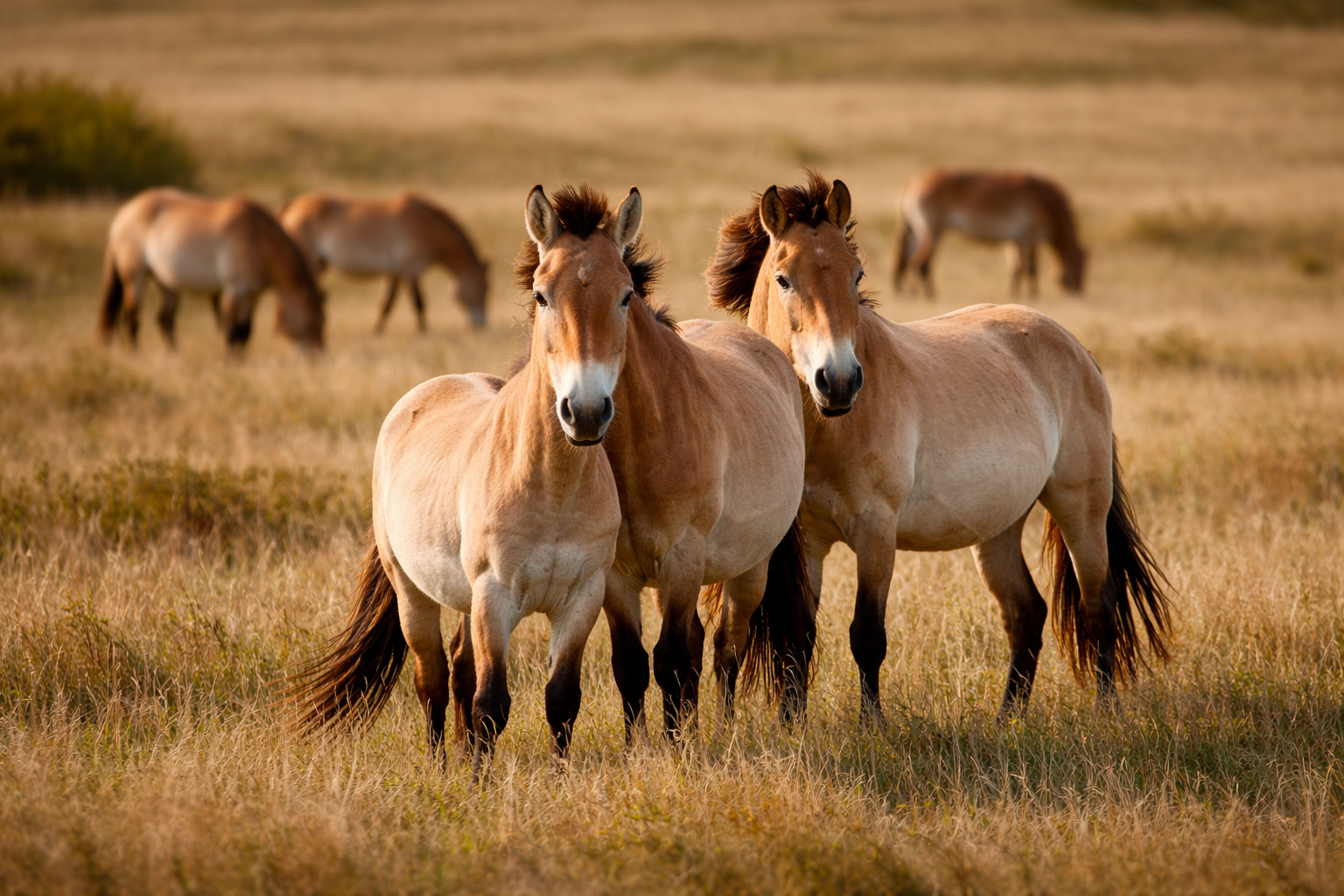
Living horses identified as part of this ancient lineage are genetically closest to what is commonly known as Przewalski type horses. Once thought to be feral descendants of domesticated stock, genetic evidence now places them closer to ancient domestic horses than previously believed.
This reclassification changed conservation narratives. As reported by the Smithsonian National Museum of Natural History, DNA comparisons confirmed that these horses are direct descendants of early domestic lineages rather than modern breeds that reverted to the wild.
4. Isolation helped preserve the breed across centuries.

Geographic isolation played a critical role in preserving the przewalski lineage. Populations that remained in remote steppe regions avoided extensive crossbreeding with later introduced horse types. While other regions reshaped horse genetics through empire building and trade, these herds stayed relatively closed.
That isolation acted as a time capsule. Limited human interference allowed the horses to retain physical and genetic traits closely matching their ancient counterparts, including body structure, coat patterns, and metabolic resilience.
5. The horses retained traits suited for survival.
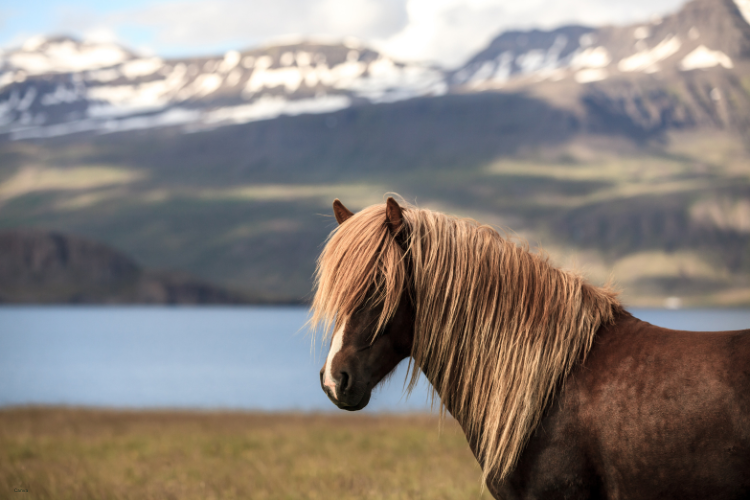
Unlike modern sport or show breeds, this lineage maintained functional traits over aesthetic ones. Thick coats, compact frames, and efficient digestion made survival possible in extreme cold and scarce forage conditions.
These traits were not accidental. They were reinforced by centuries of natural selection and practical human use. The horses that survived were the ones that required little intervention and could endure environmental stress without specialized care.
6. Historical records hinted at continuity before DNA confirmed it.
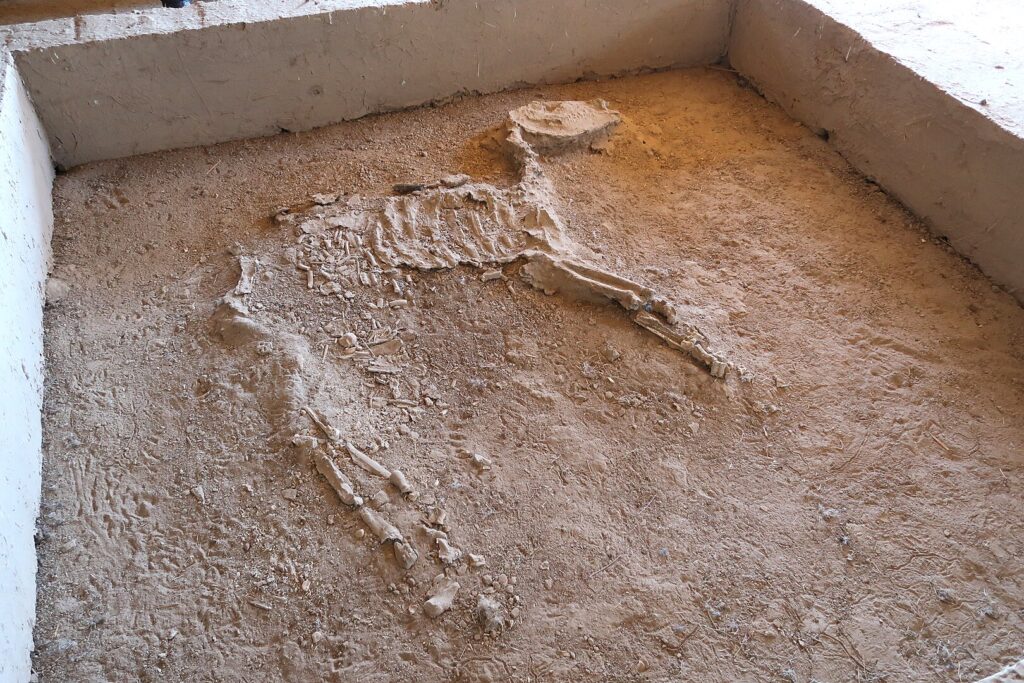
Long before genetic tools existed, historical texts described horses in Central Asia that closely resembled modern specimens. Travelers and chroniclers noted consistent size, temperament, and coloration across centuries, but these accounts were often dismissed as coincidence.
DNA finally bridged that gap. Archaeological descriptions now align with biological evidence, showing that historical observers were likely documenting the same enduring breed rather than successive replacements.
7. Conservation efforts unknowingly protected ancient genetics.
Modern conservation programs aimed at preserving endangered horse populations inadvertently safeguarded ancient DNA. By preventing extinction rather than selectively breeding for new traits, conservationists allowed the lineage to persist largely intact.
This outcome was unintended but crucial. Breeding programs focused on population stability rather than transformation helped maintain genetic continuity that might otherwise have been diluted or lost entirely.
8. The discovery reshapes horse domestication timelines.

For decades, scientists believed early horse domestication involved frequent replacement and genetic turnover. This discovery challenges that view by proving that at least one domesticated lineage remained stable for thousands of years.
It suggests early herders were more selective and intentional than assumed. Domestication was not always experimental. In some cases, it was conservative, focused on preserving proven animals rather than reinventing them.
9. Living horses now inform ancient human behavior.
Studying these horses offers insight into how ancient people lived, traveled, and fought. The animals’ endurance, temperament, and physical limits help researchers model migration routes, trade distances, and warfare logistics from ancient societies.
The horse becomes a historical document. Its body reflects the demands placed on it, revealing patterns of human movement and survival that written records alone cannot capture.
10. A living breed connects past and present directly.
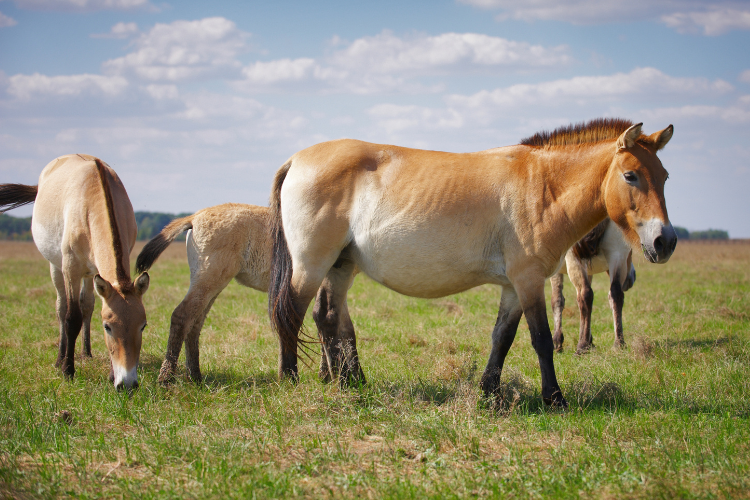
This discovery is rare because it bypasses reconstruction. The breed was never recreated, revived, or approximated. It simply endured. Standing beside a living horse today means standing beside a lineage that has witnessed four thousand years of human history.
That continuity reframes how we think about time. The past is not always buried. Sometimes it is grazing quietly, carrying ancient history forward with every generation.