
Beneath calm waters, history is beginning to surface.
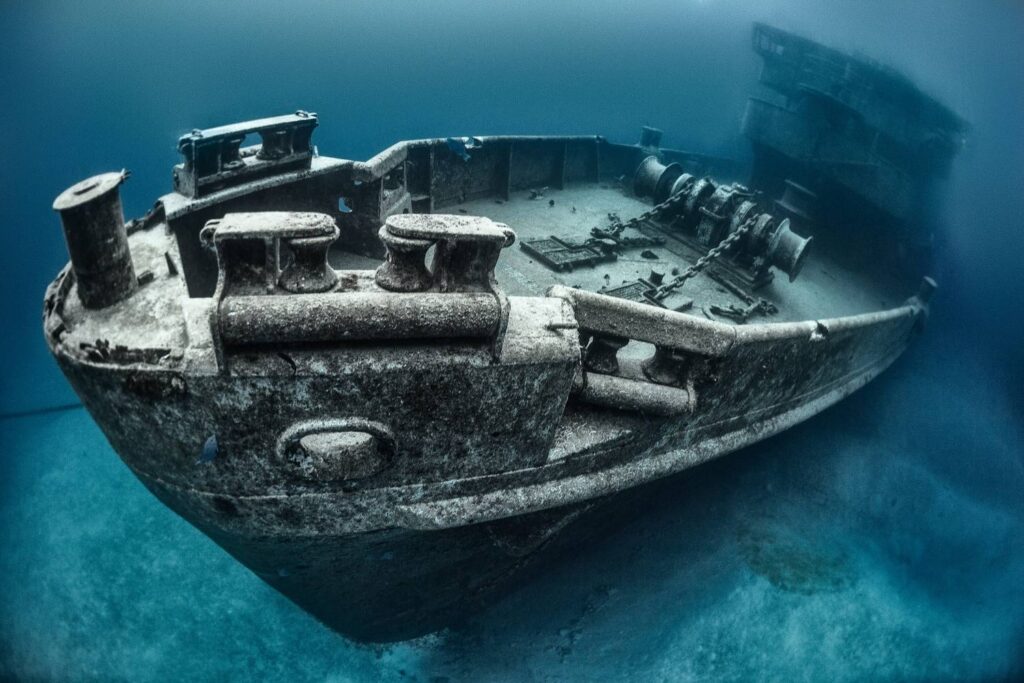
For decades, fishermen passed over the same stretch of Mediterranean coast without realizing what lay below. The harbor looked ordinary, shaped by modern shipping lanes and seasonal tourism. Recently, sonar surveys began outlining something else entirely. Shapes emerged that did not belong to reefs or sandbars. Historians noticed patterns tied to wartime logistics, not ancient trade. Each new scan sharpened the mystery. The port was not simply forgotten. It had been deliberately erased, and the reason still matters.
1. Sonar scans revealed structures no charts recorded.
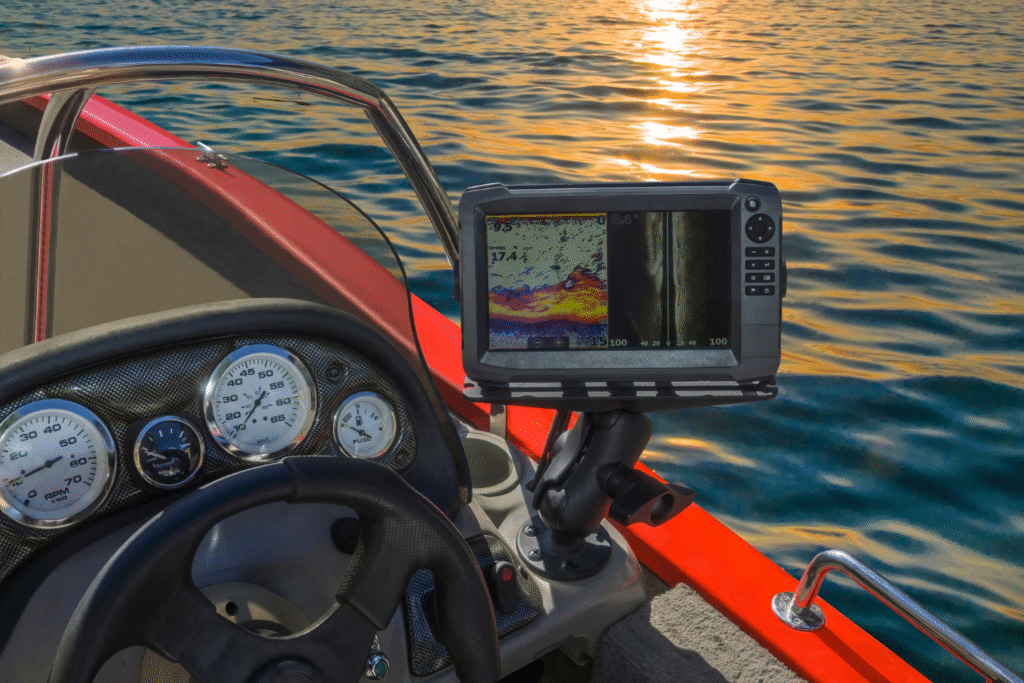
Initial surveys detected straight lines where nature prefers curves. Dock walls, breakwaters, and submerged roadways appeared beneath sediment layers, suggesting deliberate construction rather than erosion. The geometry unsettled researchers, raising questions about why such infrastructure vanished without trace.
Marine archaeologists confirmed the site using high resolution mapping, according to the BBC. Records showed the port was active during World War II, then abruptly abandoned. What followed was not decay alone, but intentional obscuring, hinting that its wartime role carried consequences someone wanted submerged.
2. Wartime shipwrecks cluster tightly within the harbor.
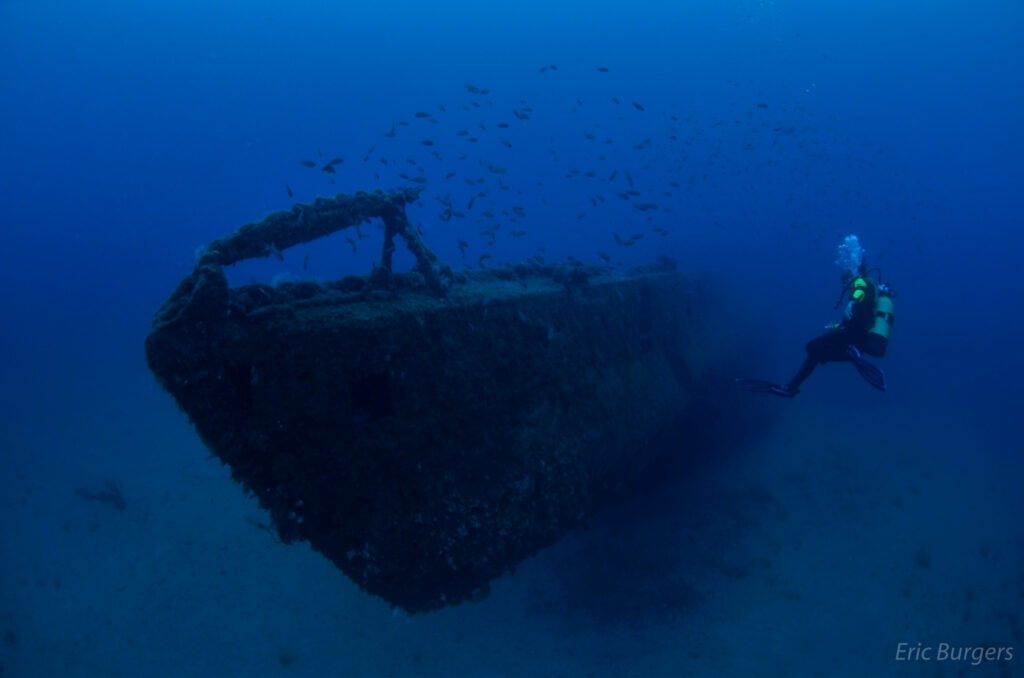
As mapping expanded, wrecks began appearing unusually close together. Cargo vessels, patrol boats, and support ships lay overlapping, as if trapped during a single violent event. The density suggested urgency, not gradual loss.
Underwater teams documented multiple World War II era wrecks concentrated in one basin, as reported by National Geographic. Their positions imply a sudden attack or coordinated scuttling. Either explanation points to a moment when the port shifted from asset to liability, leaving unanswered questions about decisions made under pressure.
3. Artifacts indicate the port served military logistics.
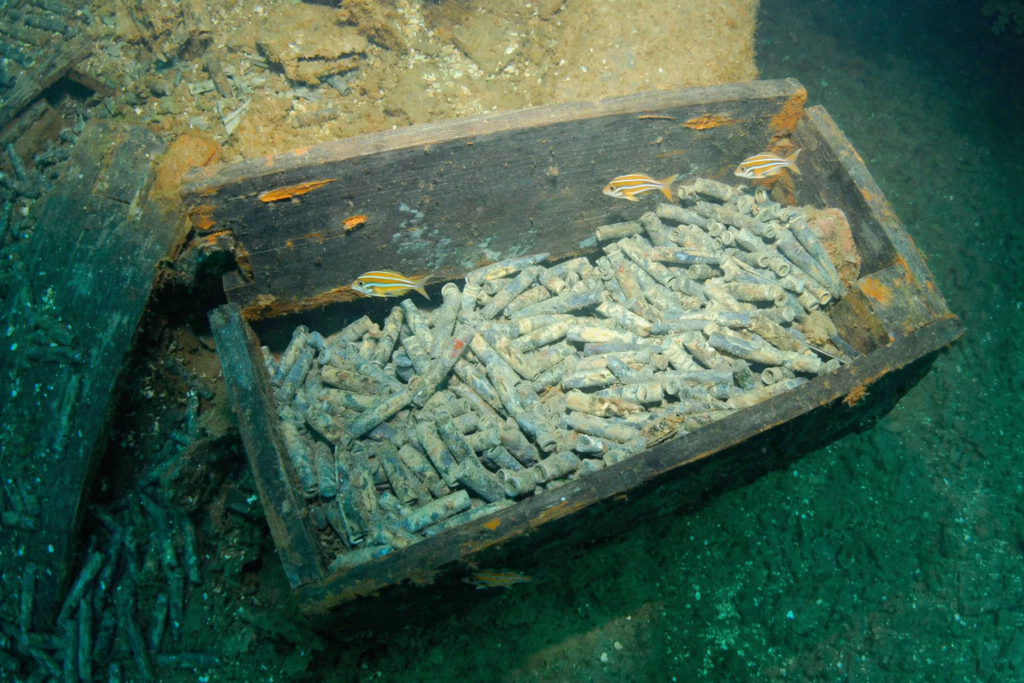
Scattered across the seabed are crates, vehicle parts, and munitions fragments inconsistent with civilian trade. These objects suggest rapid movement of supplies rather than routine commerce. Their condition implies abandonment rather than salvage.
Researchers analyzing recovered items found markings linked to Allied supply chains, as stated by the Smithsonian Magazine. The port appears to have supported staging operations during critical Mediterranean campaigns. Its sudden disappearance from maps hints that secrecy, not destruction alone, shaped its fate after the war.
4. Local records show an abrupt postwar silence.

Municipal archives mention the harbor frequently before 1944, then not at all afterward. Funding requests stop, maintenance logs vanish, and shipping registries reroute traffic elsewhere. The omission feels deliberate rather than accidental.
Oral histories collected from nearby villages describe sudden evacuations and restricted zones along the coast. People remember soldiers, not officials, controlling access. That silence in paperwork mirrors silence in memory, suggesting the port became inconvenient once its wartime purpose ended.
5. Sediment layers suggest intentional burial efforts.
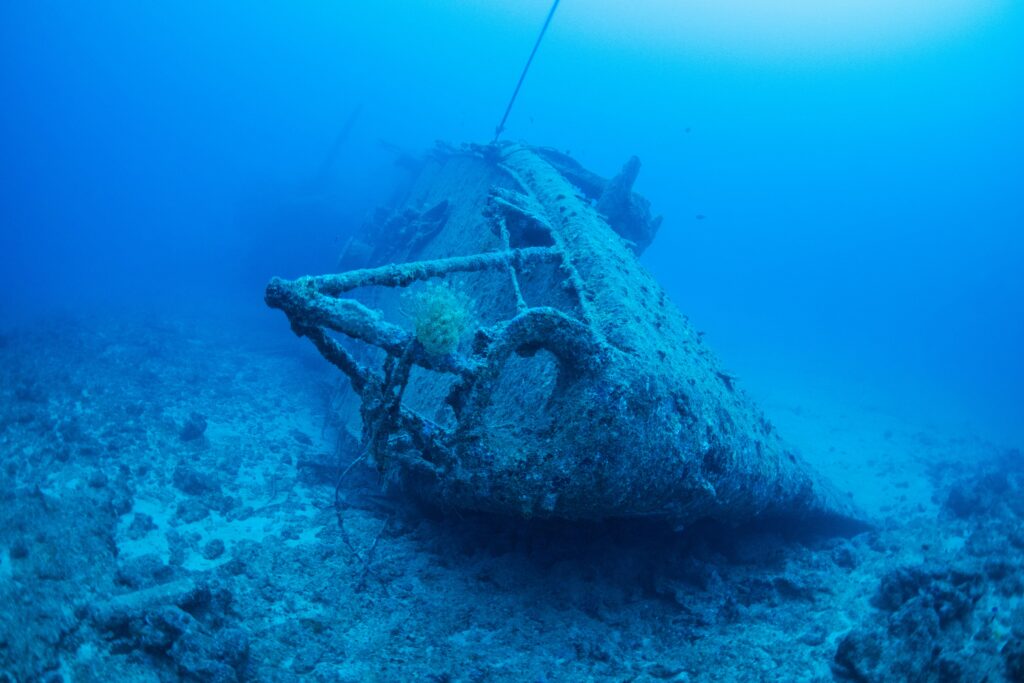
The seabed around the port shows unnatural sediment distribution. Material appears dumped in organized patterns, sealing structures beneath several meters of debris. Natural silting rarely behaves so evenly.
Geologists studying the layers note the timing aligns with immediate postwar years. Rapid burial would have protected wrecks from salvage and attention. This raises the possibility that authorities chose concealment over recovery, prioritizing discretion during an unstable political moment.
6. Strategic location explains its wartime importance.
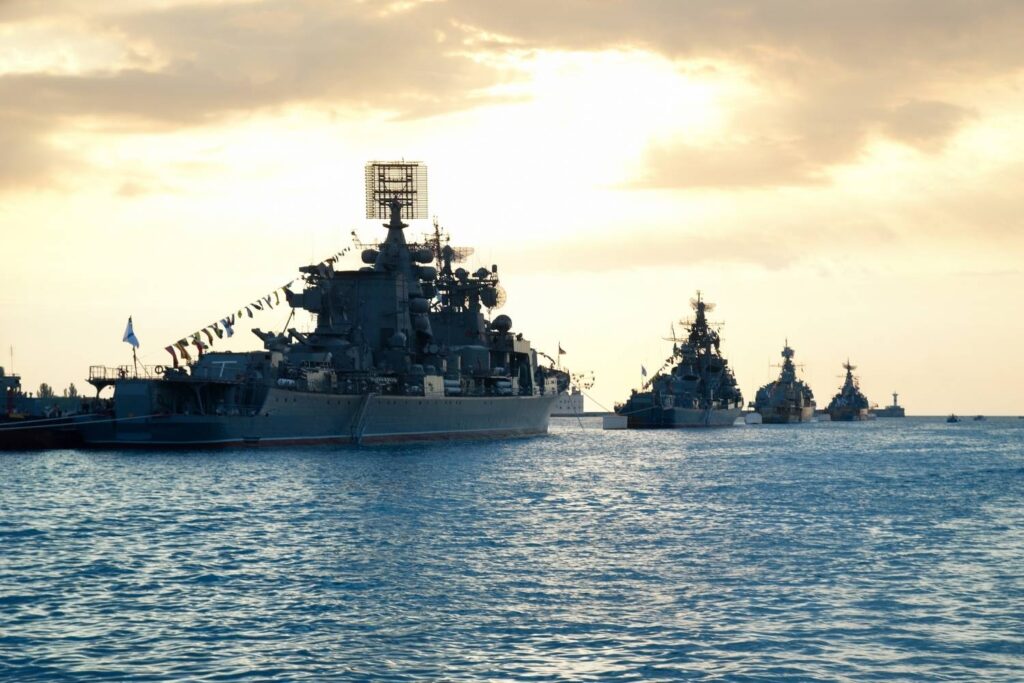
The port sits near shipping routes connecting North Africa, southern Europe, and the eastern Mediterranean. During the war, control of these corridors meant controlling supply lines and troop movement.
Its position allowed quick staging without attracting the scrutiny faced by major harbors. Smaller ports often carried outsized responsibility. That strategic value also made them expendable once exposure risk outweighed usefulness, leaving infrastructure to be quietly abandoned beneath shifting tides.
7. Damage patterns hint at a single destructive event.
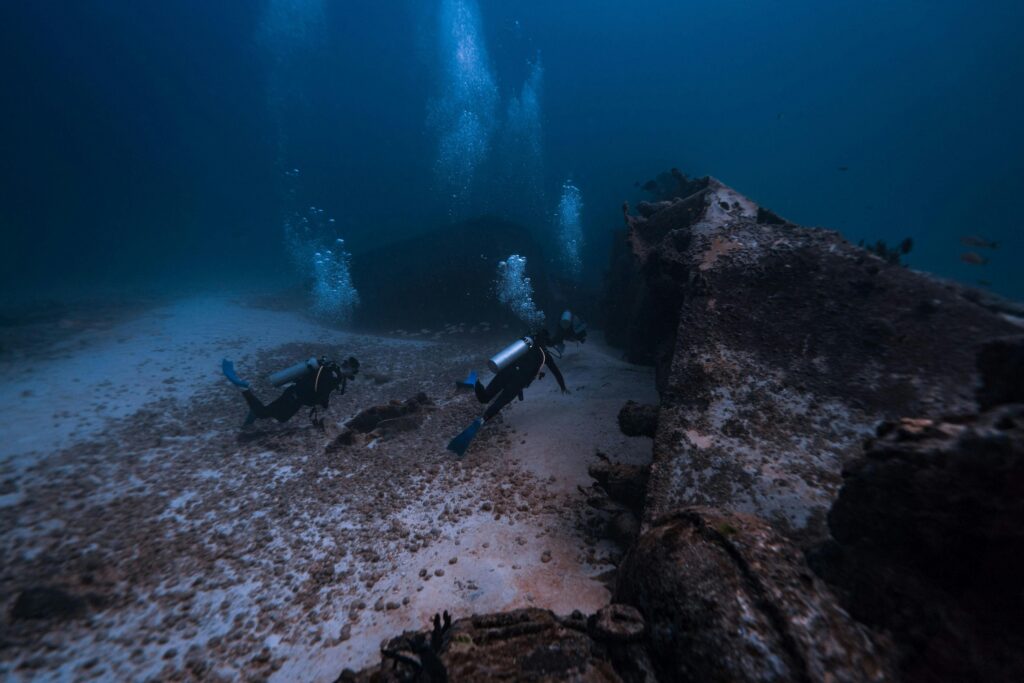
Hull fractures and blast marks appear consistent across multiple wrecks. The similarities suggest one coordinated strike rather than years of attrition. The scale would have overwhelmed defenses.
Some historians propose an air raid, others deliberate scuttling to deny enemy access. Either scenario implies a decisive moment when preserving secrecy mattered more than saving ships. The port’s sudden destruction may reflect urgency felt by commanders facing rapidly changing fronts.
8. Modern technology is reshaping the investigation.
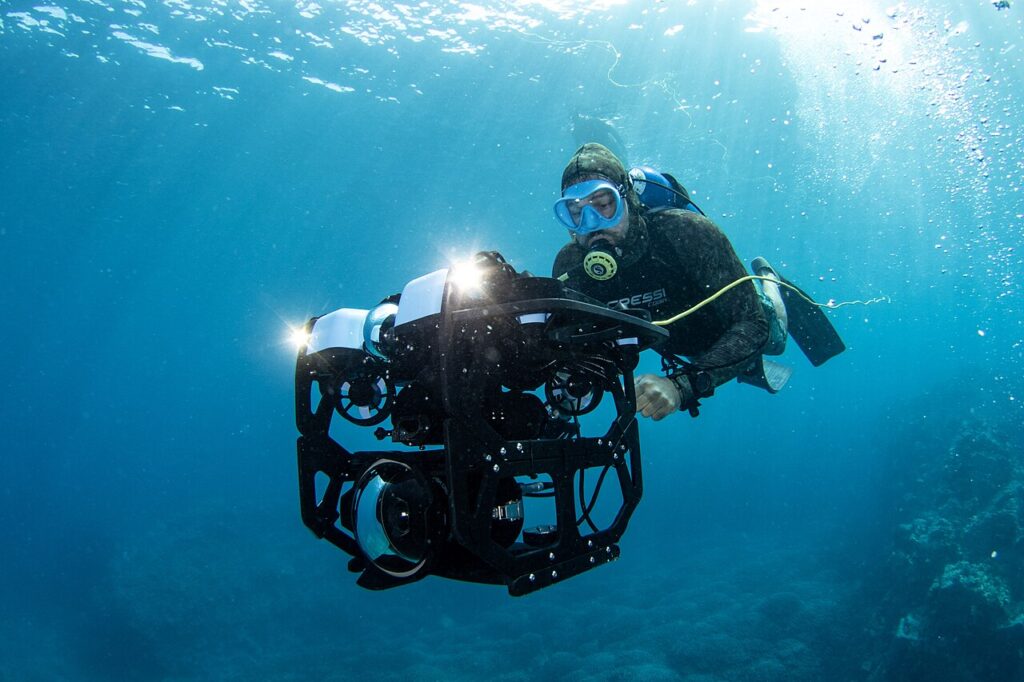
Advances in underwater drones and imaging now allow prolonged study without disturbing fragile sites. Researchers can map entire harbor systems with minimal intrusion.
This technology reveals relationships between wrecks, docks, and access roads previously invisible. Patterns emerge slowly, encouraging restraint in interpretation. Each scan answers one question while opening another, keeping the narrative unresolved as evidence accumulates piece by piece.
9. Environmental recovery preserved evidence unexpectedly.
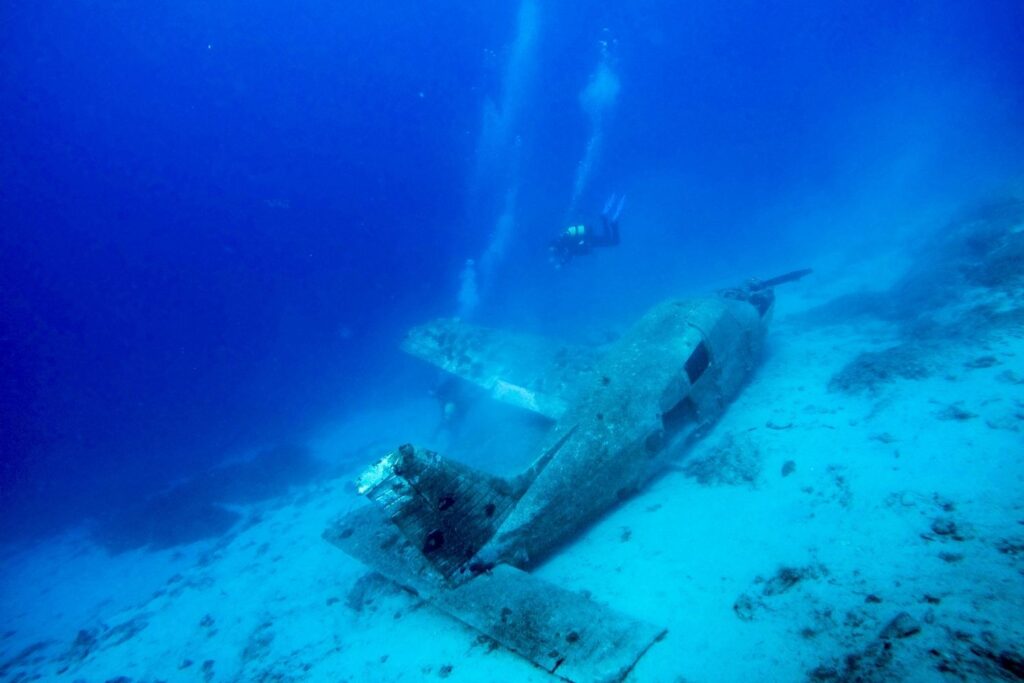
Ironically, restricted access after the war limited fishing and development. Marine life colonized wrecks, stabilizing them and shielding artifacts from erosion.
The resulting ecosystem slowed decay, turning destruction into preservation. This unintended protection means objects remain where they fell, offering rare snapshots of wartime conditions. The environment became an accidental archivist, guarding secrets until curiosity and technology finally aligned.
10. The port may alter understanding of Mediterranean warfare.
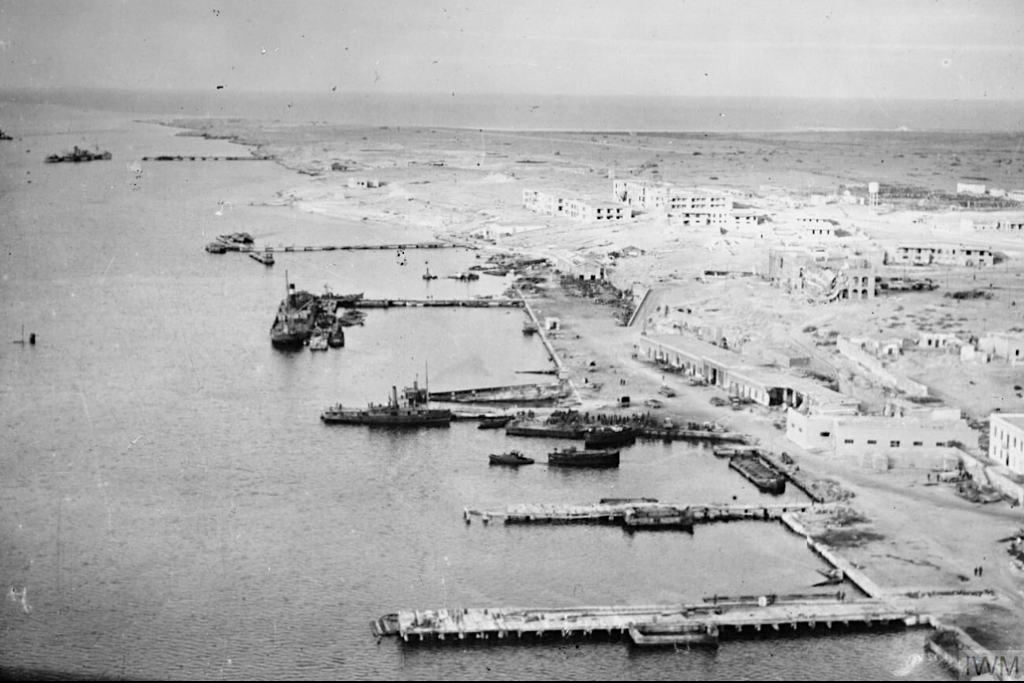
Historians now reconsider how many similar sites remain hidden. Smaller logistical hubs rarely dominate narratives, yet they sustained campaigns.
This discovery suggests the Mediterranean war relied on networks more complex and fragile than previously assumed. As research continues, the port’s story may complicate established timelines and decisions. Its secrets are emerging slowly, not rewriting history yet, but unsettling assumptions long taken for granted.