
A fragile scrap is rewriting early Christian history.

Sometimes history hinges on something barely the size of a postcard. That’s the case with Papyrus 52, a worn and uneven fragment that may be the earliest surviving page of the Christian Bible. Its few faded lines from the Gospel of John have become a cornerstone for scholars tracing how Christianity first spread through the ancient world. The find raises new questions about when the New Testament was written, how it was copied, and how such fragile material could outlast empires while still carrying the echoes of the earliest believers.
1. The fragment is tiny but changed biblical scholarship forever.
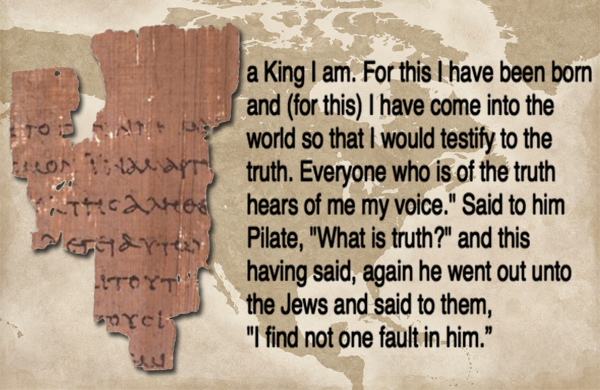
Measuring just under nine centimeters, Papyrus 52 contains only a few words from both sides of a single page. Yet this sliver has altered how experts view the early transmission of Christian scripture. The text, written in Greek, includes part of Jesus’ trial before Pontius Pilate—one of the most central moments in Christian tradition. As discovered by the John Rylands Library, this fragment has been recognized since the 1930s as the oldest known portion of any New Testament book. Its survival across two millennia makes it both miraculous and monumental in historical significance.
2. Its dating pushes the origins of the Gospel earlier than expected.

Scholars have dated the writing style of Papyrus 52 to around 125 to 140 CE, meaning it was likely copied only a few decades after the original Gospel of John was composed. That makes it one of the earliest tangible witnesses to Christian scripture. The dating, determined through paleography, anchors John’s Gospel in the first century far more securely than before. This small scrap, in essence, verifies that written versions of the Gospel circulated rapidly across the Roman world. Its timeframe, as reported by the Biblical Archaeology Society, places it astonishingly close to the apostolic era.
3. Many archaeologists now call it the earliest page of the Bible.
Because Papyrus 52 is the oldest known fragment of a canonical Gospel, scholars often describe it as the earliest surviving page of the Bible. That title carries weight—it bridges the oral teachings of early Christians and the physical scriptures they began to preserve. The passage visible on the fragment, John 18:31–33 and 37–38, captures Jesus’ dialogue with Pilate, a narrative so central it would have been among the first to be recorded and shared. As stated by experts at the John Rylands Library, its discovery confirmed the Gospel’s widespread existence earlier than anyone had previously proven.
4. Its Egyptian origin reveals how fast Christianity spread.
Papyrus 52 was discovered in Egypt, far from the region traditionally associated with John’s Gospel. That location alone speaks volumes. It means Christian writings had already traveled across the Mediterranean by the early second century, carried by merchants, missionaries, and refugees. Egypt’s dry climate preserved what other regions could not, but the fact it was even there shows how extensive early networks of believers must have been. Christianity was still a fledgling faith, yet it had already developed written traditions moving through trade routes that linked Africa, the Near East, and Europe.
5. Its codex format signaled a technological shift in scripture.
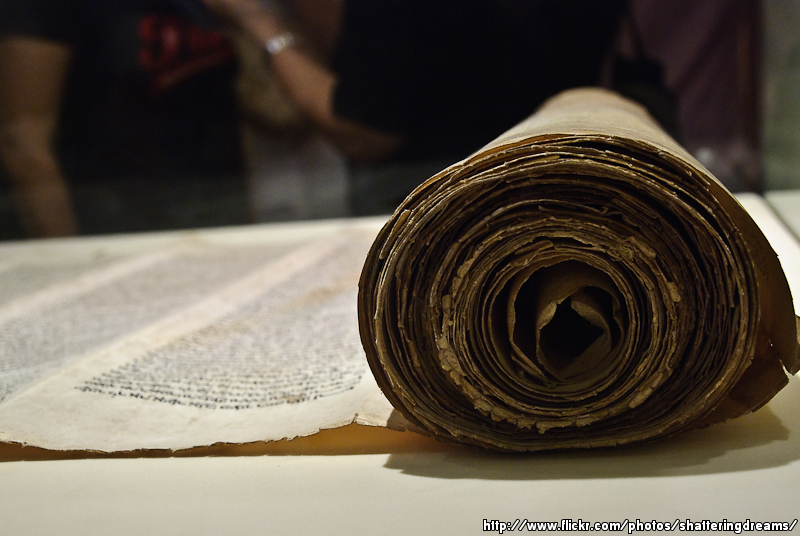
Unlike Jewish scrolls or Roman parchment rolls, Papyrus 52 came from a codex—essentially an early form of the book. This choice was intentional, marking Christians as innovators in how sacred texts were used and shared. Codices were easier to copy, carry, and cross-reference, especially for communities that valued teaching and travel. The use of a codex suggests early believers were already organizing multiple writings together, possibly anticipating what would become the New Testament. This practical change also had a symbolic one: it turned reading from ritual into relationship, inviting followers to interact with text directly and repeatedly.
6. Its content ties to one of history’s most powerful scenes.

The fragment preserves part of John 18, the section where Jesus is questioned by Pilate about truth and kingship. These few lines show that the theological centerpieces of Christianity were being copied and shared early, not just peripheral teachings or letters. Even though we have only a handful of words, the narrative context is unmistakable. The scene’s preservation in such an early copy suggests how important the trial story was for believers trying to understand suffering, power, and faith in a world ruled by empires and emperors. It’s a powerful echo from an ancient classroom of thought.
7. The papyrus survived thanks to Egypt’s desert climate.

For two thousand years, most papyrus documents have vanished, yet this one endured. The arid sands of Egypt acted like a natural vault, keeping organic material intact where humidity would have destroyed it. It’s likely the fragment came from a discarded or damaged codex tossed into a rubbish mound, only to be rediscovered centuries later. That survival story gives context to why so few early manuscripts exist and why the biblical record is often pieced together from fragments like this. Every surviving letter is an archaeological accident turned historical revelation.
8. It changed how scholars viewed early Christian organization.
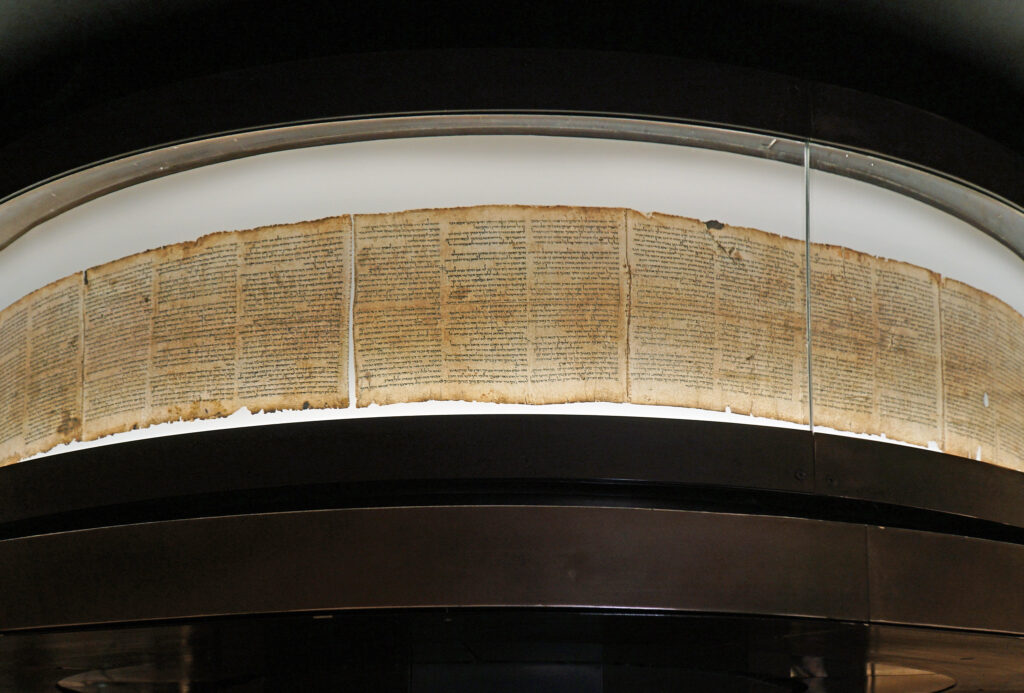
Before Papyrus 52, many believed Christian communities lacked the structure to preserve and distribute standardized texts. This fragment overturned that assumption. Its careful script, codex format, and recognizable content indicate an early effort at consistency. The Gospel wasn’t a private letter or isolated document—it was already part of a broader, intentional textual tradition. That revelation reframed Christianity not as a loose network of storytellers but as a literate and connected movement that valued written preservation as much as oral tradition.
9. It fueled a new era of manuscript discovery and debate.

After the publication of Papyrus 52, scholars began scouring museum collections and excavation sites for other early fragments. Its existence set off a kind of academic treasure hunt that continues today, yielding discoveries like Papyrus 66 and Papyrus 75. Each one fills in a bit more of the New Testament’s textual puzzle. The debates around dating, authenticity, and interpretation also grew sharper, showing how one scrap of writing can reshape an entire field of study and inspire generations of inquiry into the origins of scripture.
10. Its legacy reminds us how fragile history truly is.
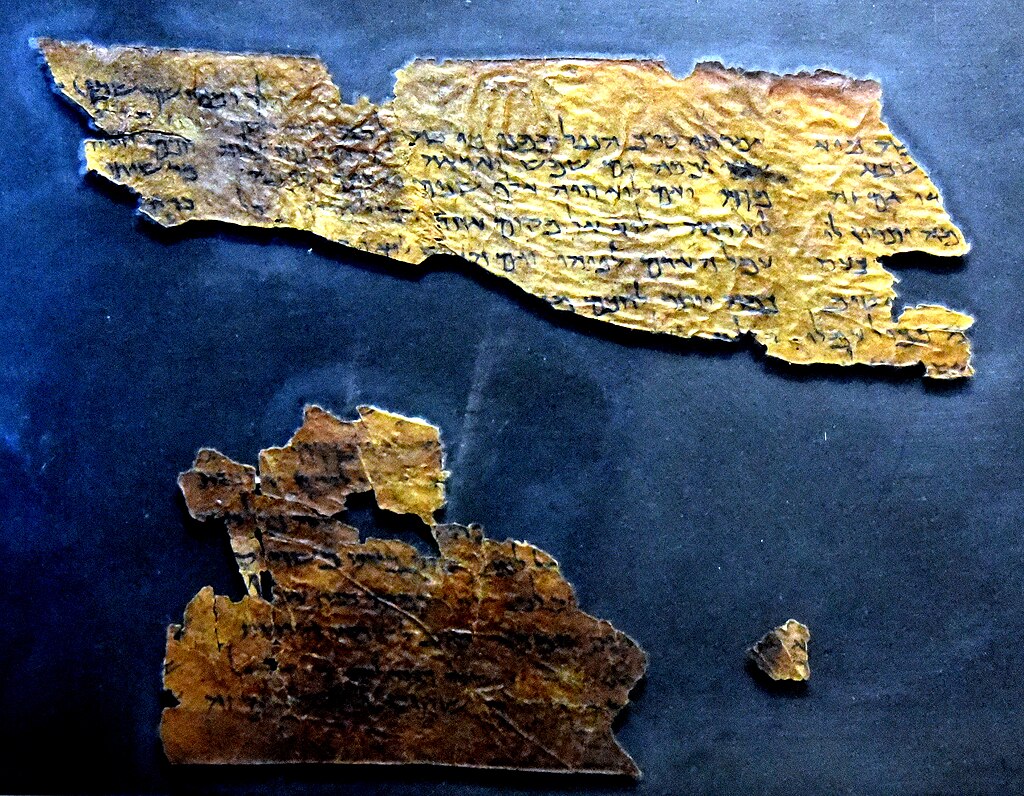
Papyrus 52 is just a few lines of faded ink on ancient fiber, yet it carries within it the beginnings of one of humanity’s most influential texts. Its presence connects the modern world with a time when faith and writing were still finding their forms. The fact that it exists at all is extraordinary—proof that stories meant to endure often do, even against every odd of decay. It stands as both artifact and messenger, whispering across centuries that the earliest voices of Christianity are still speaking, line by line, through the dust of time.