
Ancient ruins are starting to tell a warning story.
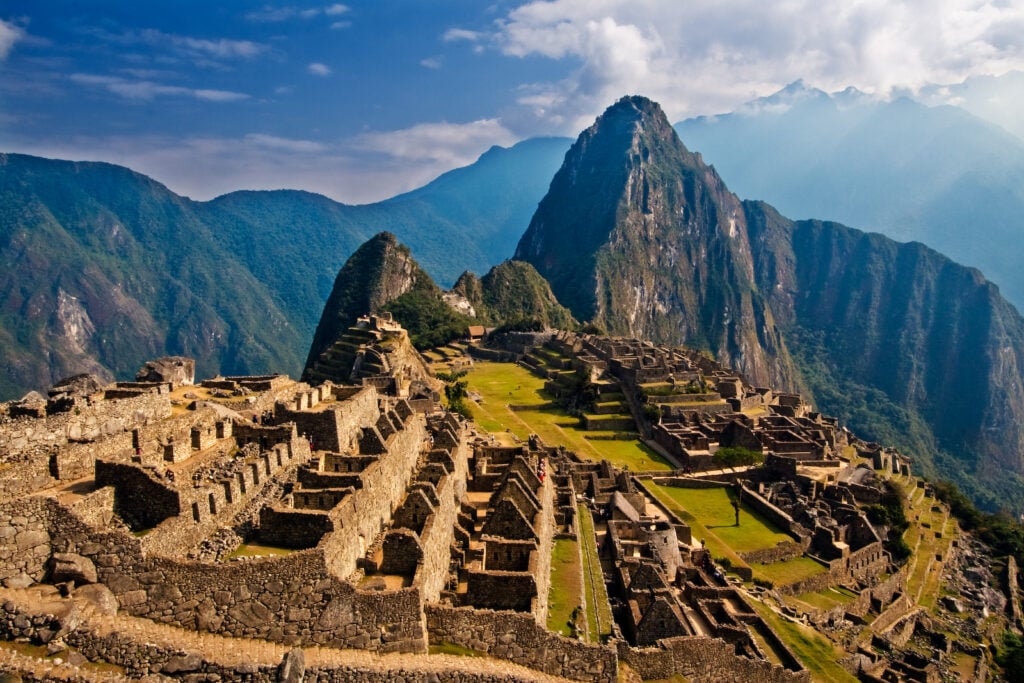
Across continents, archaeologists are noticing the same pattern buried beneath collapsed walls and empty cities. These societies did not vanish suddenly. They endured years, sometimes centuries, of environmental strain before systems finally failed. New techniques now allow researchers to reconstruct rainfall, harvests, and migration with unsettling precision. What once looked like mystery now reads as pressure building slowly over time. Long droughts, unstable seasons, and shrinking resources pushed complex societies past limits they could not escape.
1. Environmental records increasingly line up with collapse horizons.
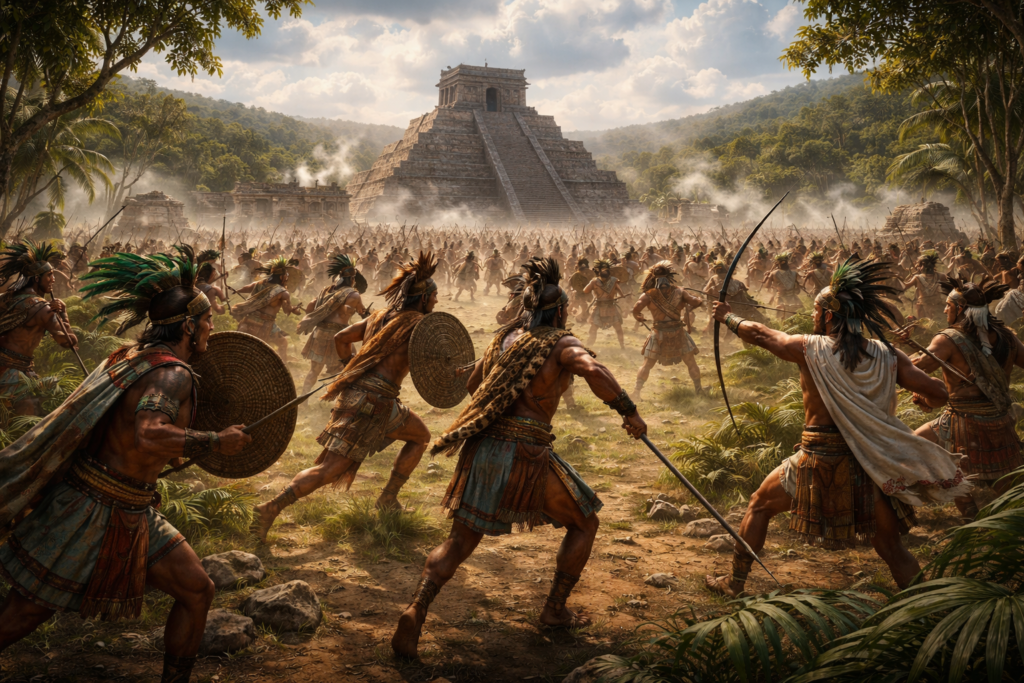
For much of the last century, archaeologists blamed collapse on invasion or internal conflict. Climate was rarely treated as a driving force. That separation no longer holds as environmental data locks into place beside archaeological layers.
Sediment cores, pollen samples, and isotope records increasingly match the timing of settlement abandonment. According to Nature Climate Change, collapse layers across multiple regions coincide with long droughts and cooling trends rather than sudden disasters. These overlaps suggest societies weakened gradually as environmental stress reduced resilience, leaving political and economic systems brittle when additional shocks arrived.
2. Classic Maya cities declined as rainfall failed repeatedly.
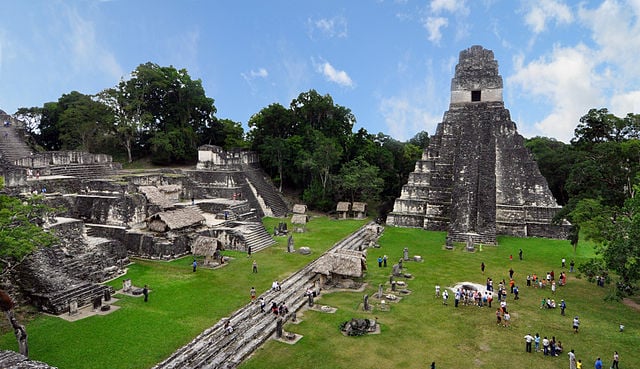
Cities like Tikal, Calakmul, and Copán once ruled the Maya lowlands with dense populations, engineered reservoirs, and divine kingship tied to agricultural success. Their ninth century decline long resisted explanation.
Lake sediments from Chichancanab and Punta Laguna now show repeated multi decade droughts during this period. As reported by Science, declining rainfall disrupted maize production, undermining food security and eroding royal authority. These droughts did not erase Maya society overnight, but drained power slowly until ceremonial centers emptied and populations dispersed into smaller, less centralized communities.
3. The Akkadian Empire fell during an abrupt aridification.
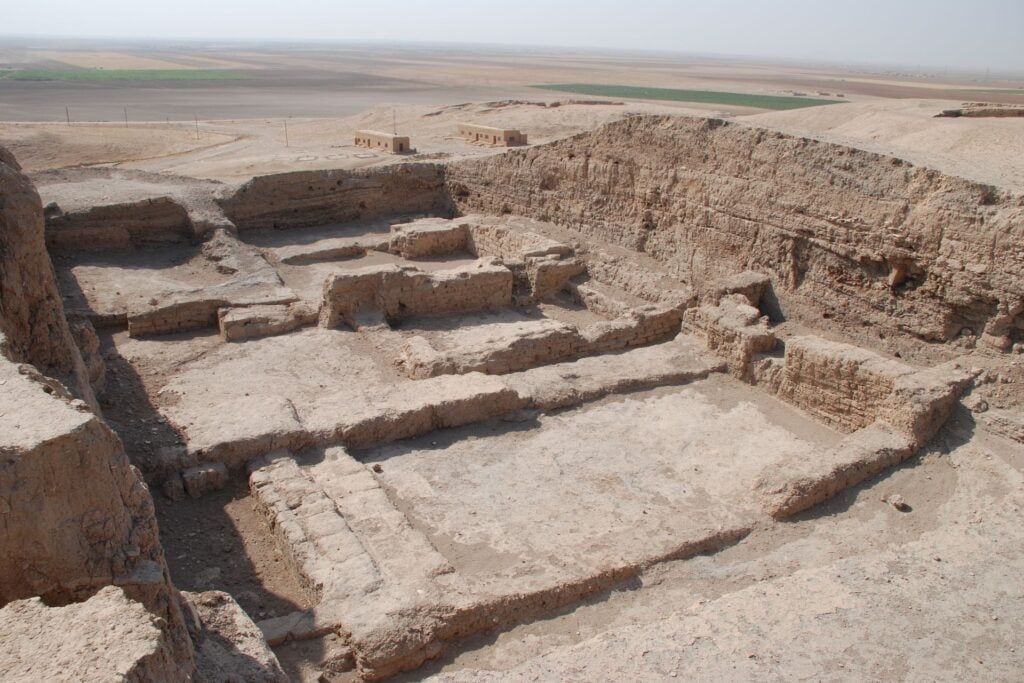
At its height, the Akkadian Empire controlled vast stretches of Mesopotamia, supported by irrigation and centralized grain storage. Its disappearance left a stark break in the archaeological record.
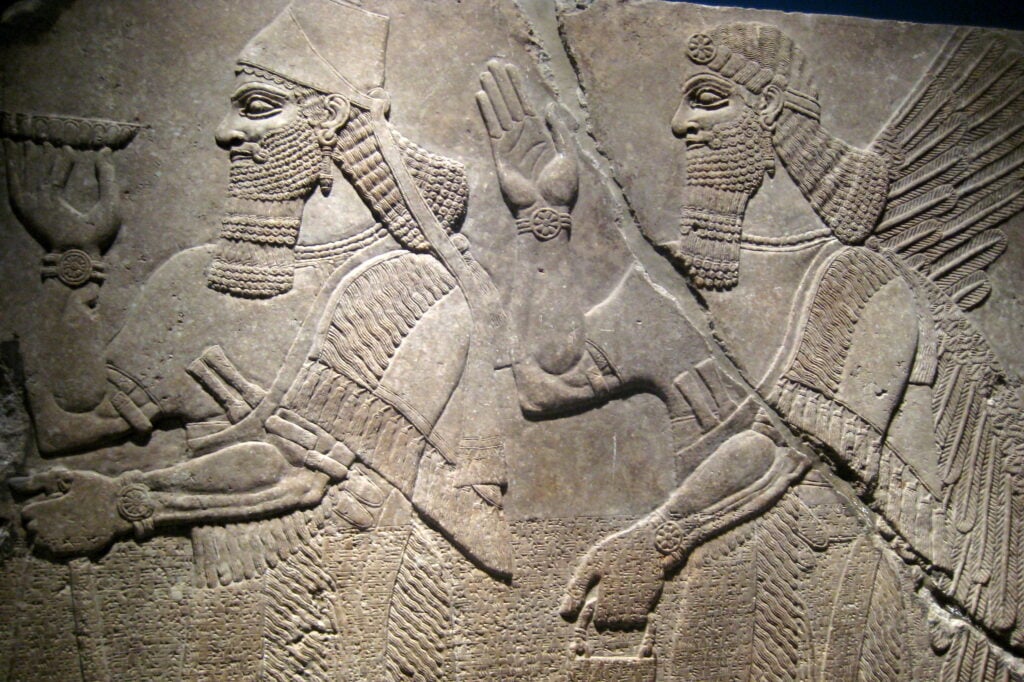
Excavations across northern Mesopotamia reveal thick layers of windblown dust dated to around 4,200 years ago. According to the Smithsonian Institution, this sudden aridification event crippled agriculture, triggered mass migration, and fractured administrative control. Food shortages spread faster than the state could respond, demonstrating how environmental stress can dismantle even highly organized empires.
4. Ancestral Puebloans abandoned settlements after extended drought.
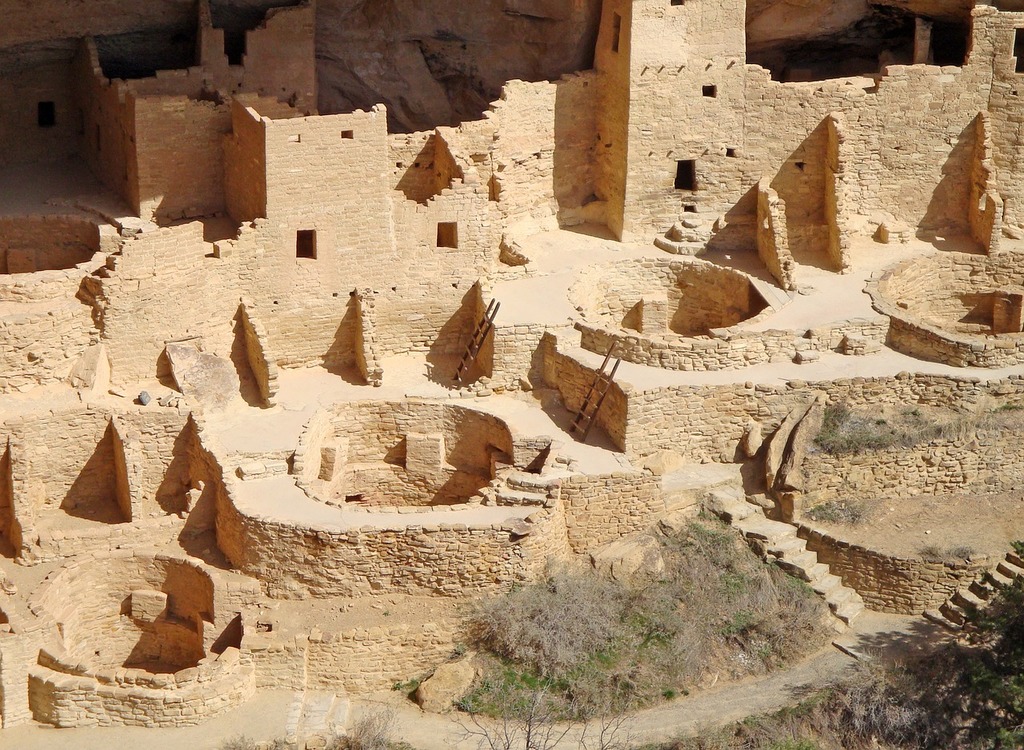
The stone cities of the American Southwest tell a story of adaptation followed by withdrawal. At sites like Mesa Verde and Chaco Canyon, abandonment patterns align with environmental strain rather than violent collapse.
Tree ring data shows decades long droughts during the late thirteenth century, reducing agricultural yields. As farming became unreliable, communities dispersed to regions with more stable water sources. The archaeological record reflects strategic relocation rather than sudden failure, revealing collapse as a process shaped by environmental limits rather than immediate disaster.
5. Climate stress exposed weaknesses within complex societies.
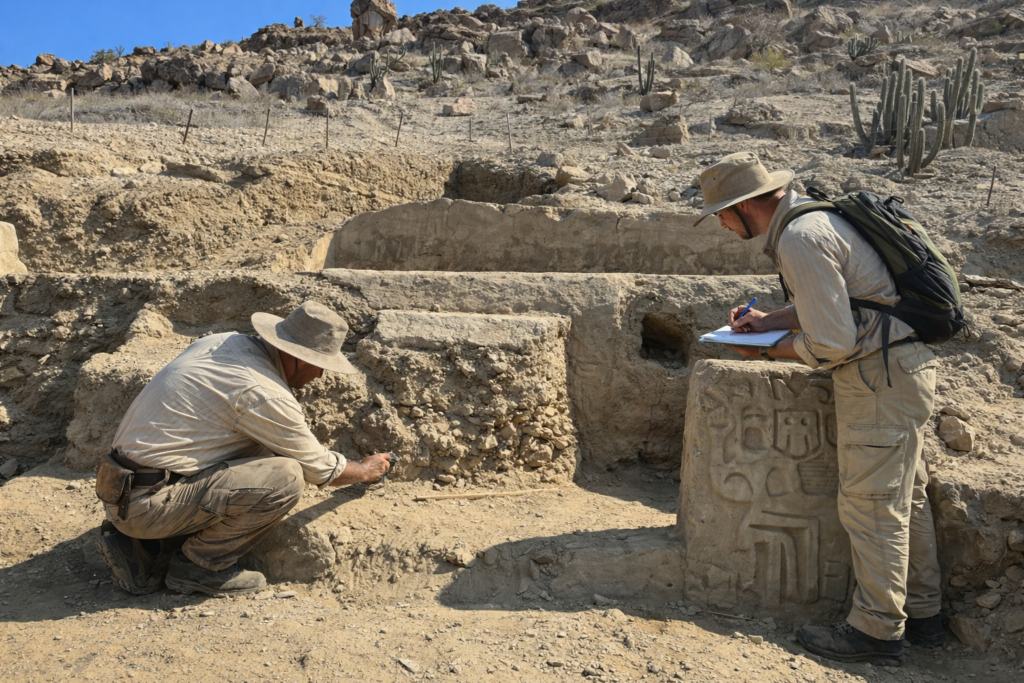
Archaeologists emphasize that climate alone rarely caused collapse. Instead, environmental pressure revealed structural vulnerabilities already present within societies.
Rigid governance systems struggled to adapt to changing conditions. Overreliance on single crops magnified risk during drought. Inequality intensified as resources dwindled. These internal factors interacted with climate stress, accelerating breakdown. The pattern suggests collapse occurred when social systems lacked flexibility, turning environmental challenges into systemic failure.
6. Multi proxy science is reshaping archaeological interpretation.

Modern archaeology now blends excavation with climate science, producing a far more detailed reconstruction of the past. Each method fills gaps left by the others.
Ancient DNA reveals population movement during stress periods. Isotopic analysis tracks diet changes as resources shifted. Lake sediments preserve rainfall history. Together, these data sources allow researchers to match environmental change with social response, replacing speculation with measurable timelines that show how pressure accumulated before collapse.
7. Many collapses unfolded slowly across several generations.
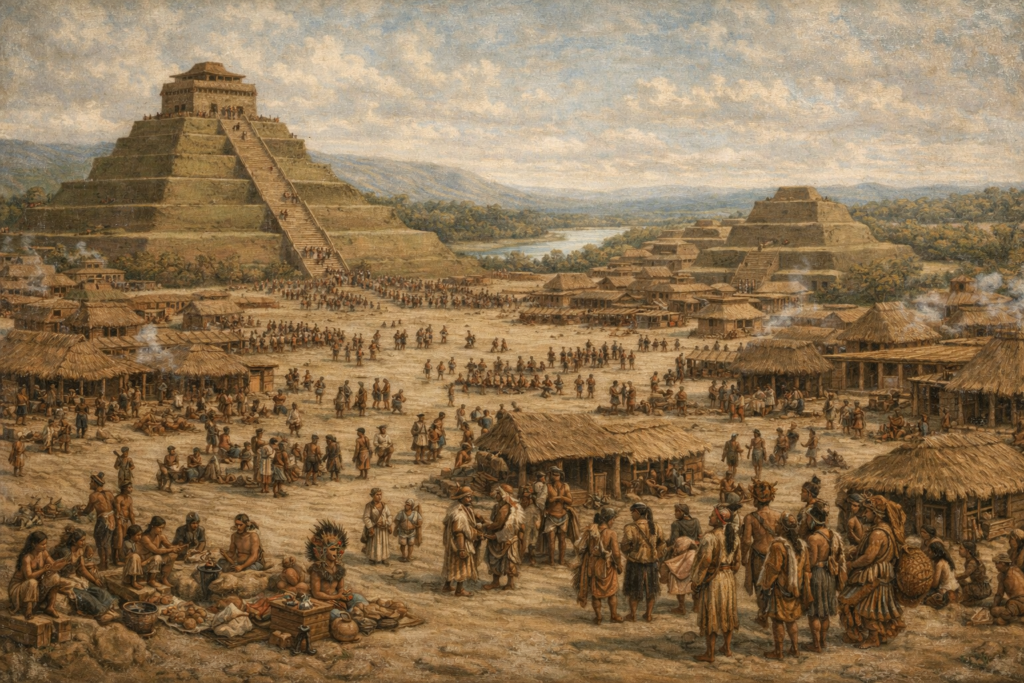
Collapse is often imagined as sudden and dramatic. The archaeological record suggests otherwise. Most societies endured long periods of decline before major abandonment occurred.
Infrastructure maintenance waned. Trade networks thinned. Population density decreased incrementally. These gradual changes reflect adaptation attempts that ultimately fell short. Understanding collapse as a drawn out process reframes ancient societies as resilient but constrained by environmental limits they could not fully overcome.
8. Migration often followed climate pressure, not violence.

Evidence increasingly shows that population movement was a primary response to environmental stress. Archaeological layers record shifts rather than destruction.
Settlements were not always burned or conquered. Many were simply left behind. Migration allowed survival but fragmented political systems. These movements complicate modern narratives of collapse by showing that people responded pragmatically, even as centralized authority dissolved under pressure.
9. Resource instability strained political legitimacy and cooperation.
When food production faltered, trust in leadership often eroded. Archaeological evidence suggests authority weakened as leaders failed to buffer environmental hardship.
Monument construction slowed. Administrative centers declined. Social cohesion fractured. Climate stress did not just reduce resources, it challenged belief systems that justified power. Without reliable redistribution or adaptation, political legitimacy dissolved alongside environmental stability.
10. These findings challenge myths of mysterious disappearances.
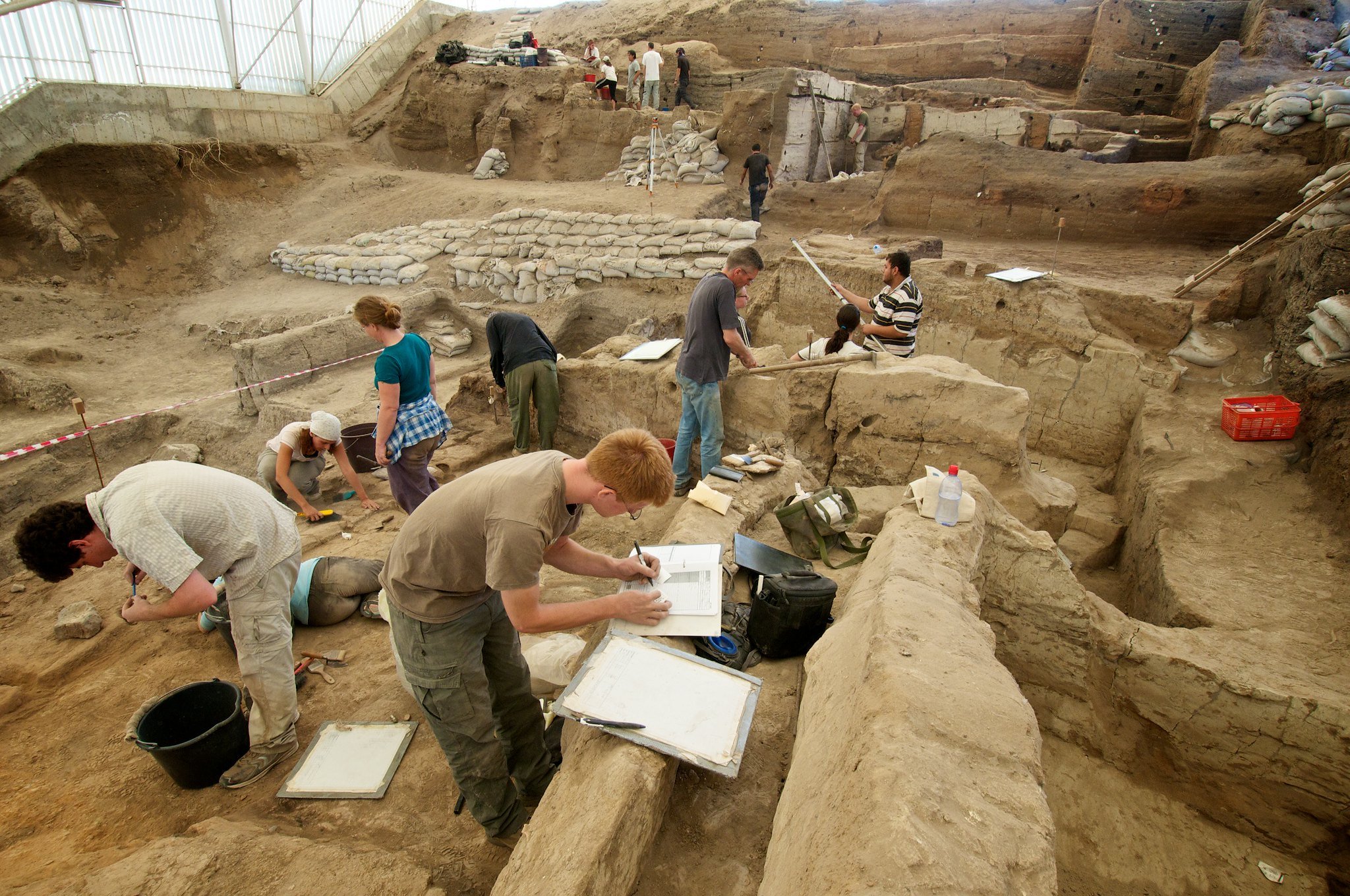
The idea of vanished civilizations now appears outdated. Archaeology reveals continuity through transformation rather than disappearance.
Descendant communities often persisted elsewhere, adapting to new environments. Collapse meant the end of certain systems, not people. Recognizing this distinction shifts focus from mystery to process, emphasizing how societies change shape when pushed beyond environmental limits.
11. Archaeologists increasingly frame collapses as cautionary case studies.

Modern researchers do not present these findings as distant curiosities. Instead, they highlight parallels between past climate stress and present challenges.
Ancient collapses illustrate how environmental pressure interacts with governance, inequality, and adaptability. These societies did not fail from ignorance, but from limits in response speed and flexibility. The archaeological record now serves as a long view of resilience tested, offering context rather than prophecy as climate stress reshapes human systems again.