
Feline displeasure appears quietly but very clearly.

Cats rarely lash out without warning. Instead, irritation unfolds through subtle shifts in posture, routine, and interaction. A cat that feels wronged responds with distance, disruption, or pointed behavior changes that often appear small at first. Behaviorists studying domestic cats note that these reactions reflect stress, broken trust, or unmet expectations, especially after changes in routine, environment, or handling.
1. Sudden avoidance replaces usual proximity and routines.

A cat that once followed you room to room may now choose isolation. This withdrawal often appears after an upsetting event such as forced handling or missed meals. According to International Cat Care, avoidance is a primary feline response to perceived social conflict.
Distance serves as self protection rather than punishment. Cats regulate stress by controlling proximity. When trust feels shaken, they create space until safety feels restored. This behavior often fades once predictability returns and interactions remain calm and consistent again over time.
2. Tail movements become sharp and tightly controlled.

An irritated cat signals mood through the tail long before vocalizing. Rapid flicks, stiff swishes, or a sharply curved tip often appear during unwanted interaction. As stated by the ASPCA, tail tension reflects rising agitation rather than playfulness.
These movements warn of thresholds being crossed. Ignoring them increases the risk of escalation. Cats use tails as early communication tools, offering a chance to pause interaction. Respecting this signal often prevents further defensive behavior and helps repair trust quietly.
3. Eye contact shortens and blinking disappears.
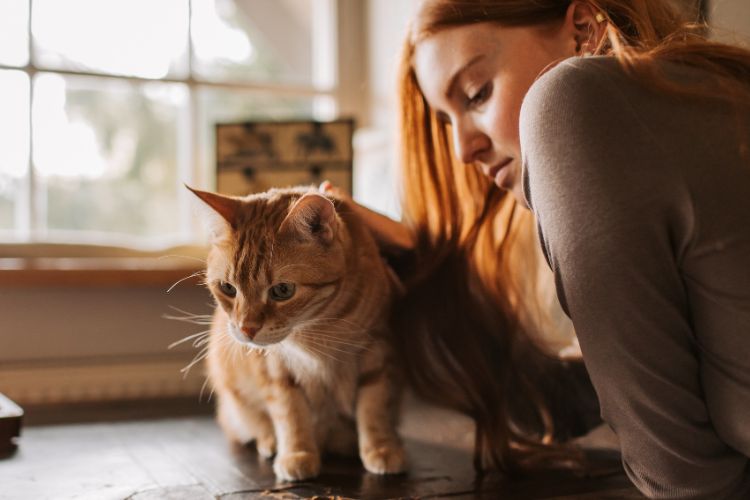
Cats normally communicate comfort through slow blinking and soft gaze. When annoyed, that pattern changes. Eyes narrow, blinking stops, and direct stares appear more frequent. As reported by the Journal of Feline Medicine and Surgery, sustained staring signals discomfort or defensive readiness.
This shift often follows repeated stressors. A cat may hold eye contact briefly, then look away sharply. These micro changes reveal emotional state. Recognizing them early allows owners to reduce pressure before irritation deepens into lasting avoidance.
4. Grooming pauses or becomes exaggerated and tense.

A displeased cat may stop grooming entirely or begin aggressive overgrooming. Both reflect stress. Fur appears unkempt or thinned, especially along the belly or legs, where tension concentrates most strongly during emotional overload periods.
Grooming regulates emotion as much as hygiene. When disrupted, it signals internal imbalance. Owners often notice this change after environmental disruption or conflict. Restoring routine and quiet space usually helps grooming normalize gradually without direct intervention or forced handling.
5. Vocalizations shift in tone and timing.

Annoyed cats may grow quieter or suddenly more vocal. Low growls, sharp meows, or brief hisses appear during specific interactions. Silence can also signal displeasure when a previously talkative cat withdraws its voice entirely.
Vocal change reflects emotional recalibration. Cats conserve energy and communication when stressed. Listening for altered tone rather than volume matters most. These sounds often fade once the cat regains control over surroundings and expectations feel predictable again.
6. Litter box behavior changes subtly at first.

Irritation sometimes surfaces through altered bathroom habits. A cat may hesitate before entering the box, scratch excessively, or eliminate just outside it. These behaviors often coincide with emotional stress rather than medical issues initially.
Cats associate safety with elimination sites. When upset, that sense fractures. Any change should prompt calm observation rather than punishment. Addressing environmental stressors often resolves the issue faster than box relocation or added cleaning routines alone.
7. Physical contact tolerance drops sharply.

A cat that once enjoyed petting may suddenly recoil, stiffen, or walk away mid interaction. This shift often follows overstimulation or perceived disrespect of boundaries during prior contact.
Touch sensitivity increases when trust dips. Cats rarely forget uncomfortable experiences. Allowing them to initiate contact restores balance faster than coaxing. Over time, patience rebuilds tolerance as the cat regains confidence in predictable gentle handling again.
8. Sleeping locations shift away from shared spaces.

Cats retreat to less visible sleeping spots when displeased. Beds, couches, or laps get replaced by closets or high shelves. This relocation reflects emotional recalibration rather than rejection.
Sleep remains vulnerable time. Choosing hidden or elevated locations restores control. Once emotional equilibrium returns, cats often drift back to shared spaces naturally. Forcing closeness delays that return and prolongs tension within the household dynamic.
9. Play behavior becomes short or disappears entirely.
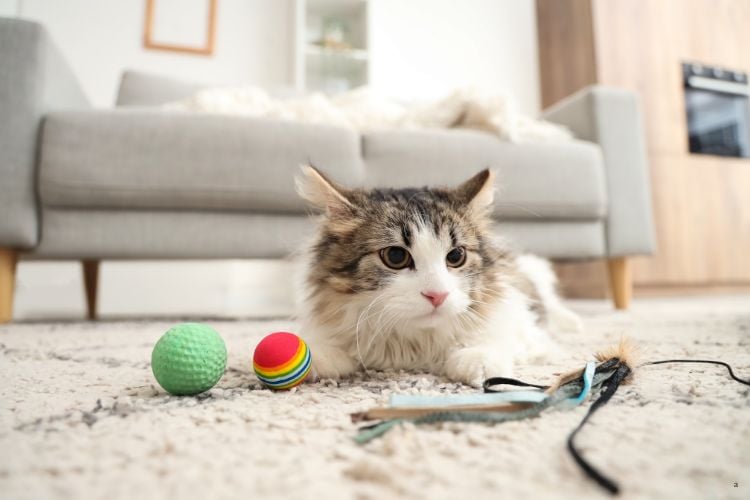
A mad cat often stops engaging in play. Toys are ignored or batted without enthusiasm. Play requires emotional safety, and irritation blocks that state completely.
This withdrawal acts as a stress barometer. Once mood improves, play usually resumes spontaneously. Structured calm interactions help reopen that door. Pressuring play during irritation often reinforces avoidance instead of resolving it.
10. Subtle defiance appears in daily routines.
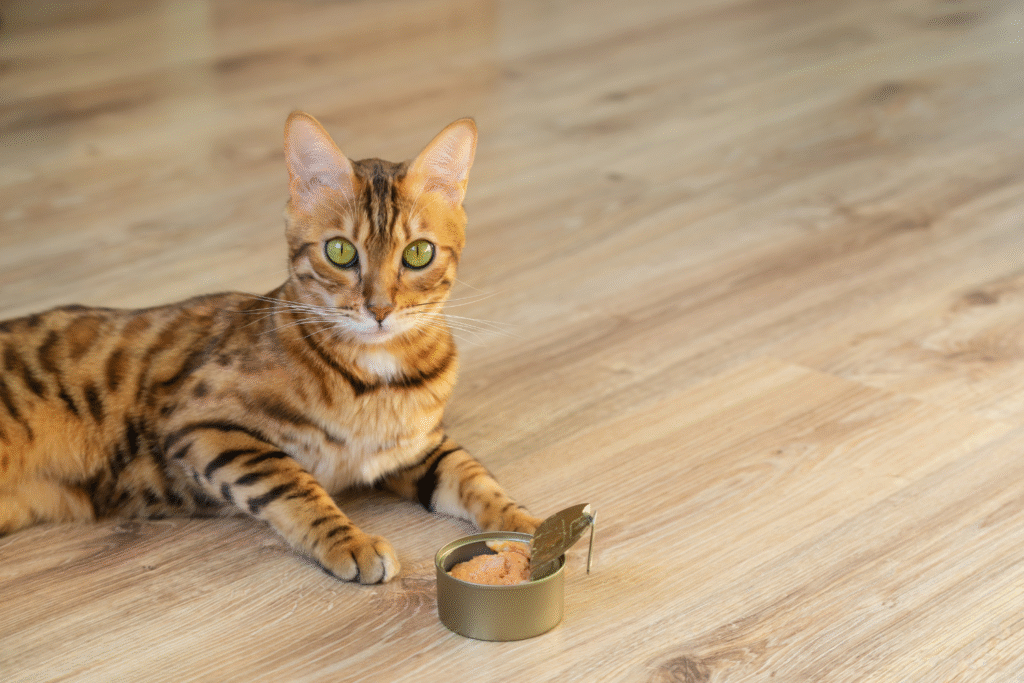
Food refusal, delayed responses, or ignoring calls may surface when a cat feels wronged. These behaviors are not spiteful but signal disrupted cooperation within the social bond.
Cats value routine and mutual respect. When expectations feel violated, participation drops. Restoring consistency, quiet tone, and choice allows cooperation to return. The cat communicates displeasure clearly, then waits for balance to be restored.