
Every era had a creature that shaped our story.
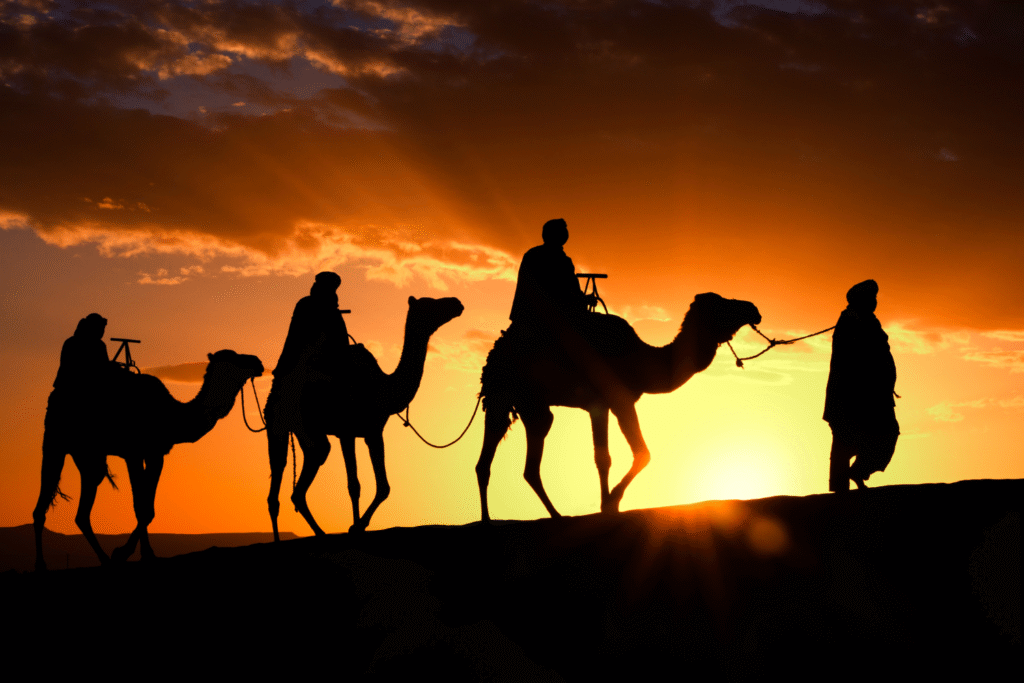
Before skyscrapers and smartphones, humans lived side-by-side with animals that transformed survival, culture, and even technology. Some fueled our evolution, others rewrote trade routes, and a few forced us to rethink what “wild” really meant. The partnership between humans and these creatures stretches across continents and millennia, yet many of their influences are still visible today. From beasts of burden to sacred symbols, these ancient animals didn’t just live through history, they shaped it.
1. Horses carried humanity into entire new worlds.
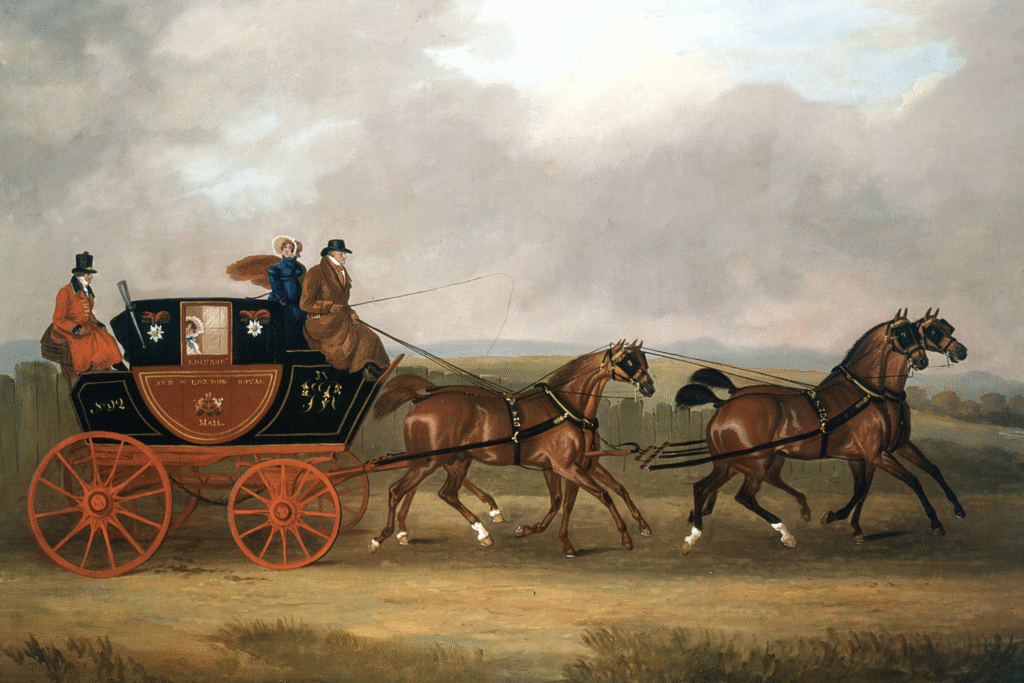
The domestication of horses opened borders, boosted communication, and birthed civilizations that spanned continents. As discovered by archaeologists in Kazakhstan’s Botai culture, horses were first tamed around 3500 BCE for both milk and mobility. They turned war and trade into global forces and made long-distance migration possible. Without them, empires like Rome or Mongolia might never have risen. Even today, the horse remains a living symbol of freedom and connection between human progress and the natural world.
2. Cattle transformed early economies and human diets.
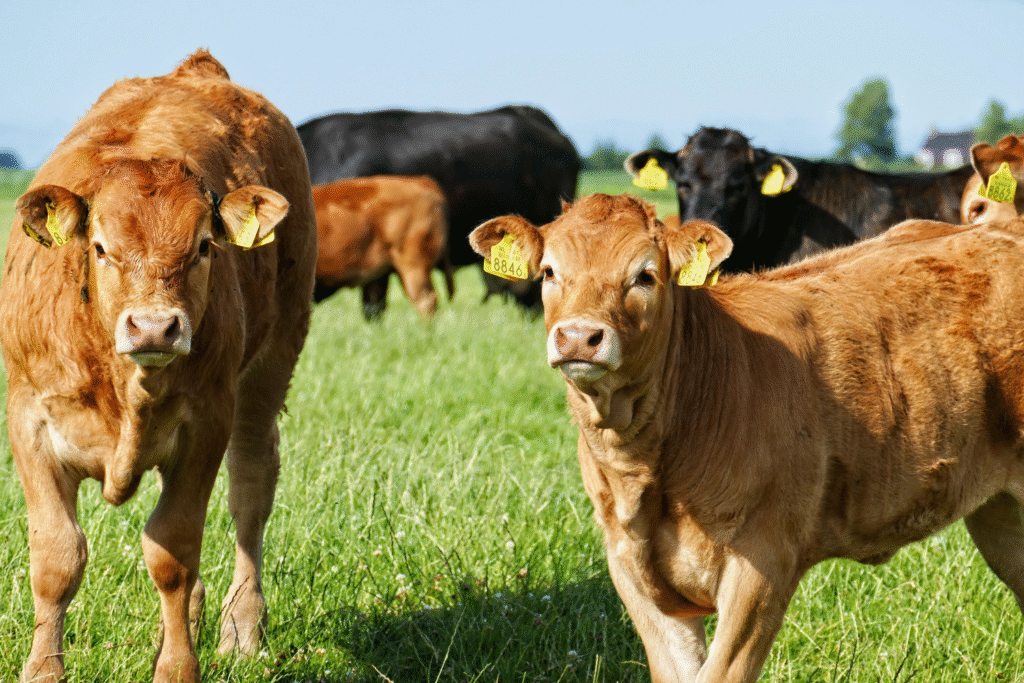
According to a report by the University of Oxford, cattle domestication around 10,000 years ago changed how humans farmed, traded, and lived. Beyond providing meat and milk, cattle symbolized wealth and stability. Herds allowed for permanent settlements and led to the first agricultural societies. Even today, much of modern agriculture still traces back to those first domesticated cows. Their bones, milk, and labor helped shape humanity’s first sense of ownership and civilization itself.
3. Camels conquered deserts and connected continents.
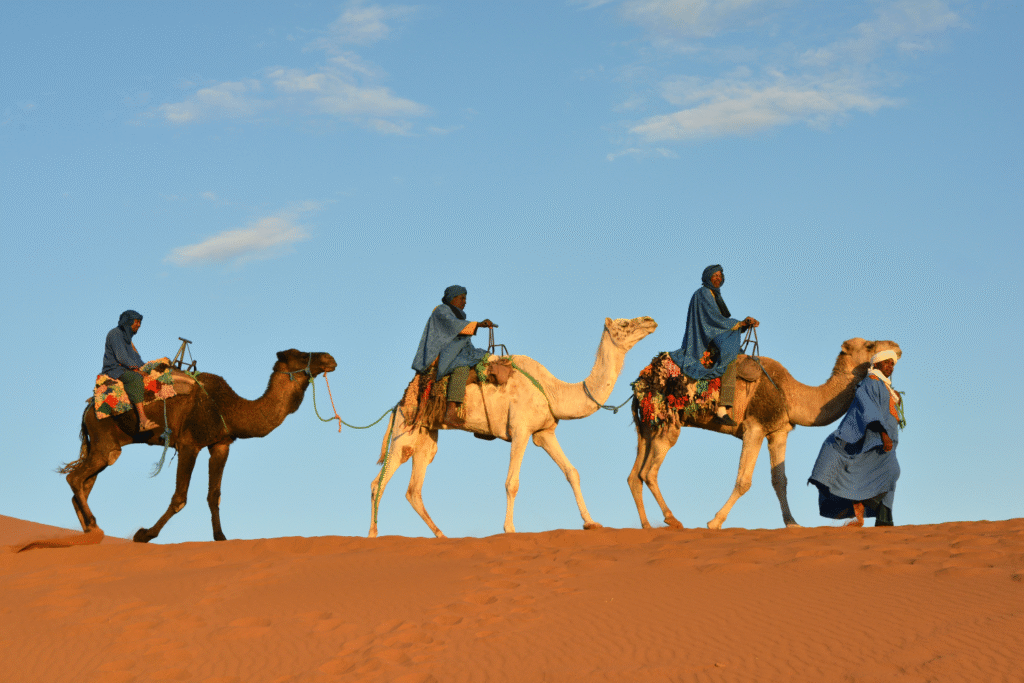
As stated by the Smithsonian Institution, camels turned inhospitable deserts into thriving trade corridors. Their resilience against heat and drought made the Silk Road possible. Traders carried spices, silk, and precious metals across North Africa and Asia, linking worlds that had never met. Their impact on early globalization remains unmatched among animals. Without camels, entire civilizations might have stayed isolated behind walls of sand.
4. Dogs crossed ice and oceans beside early humans.
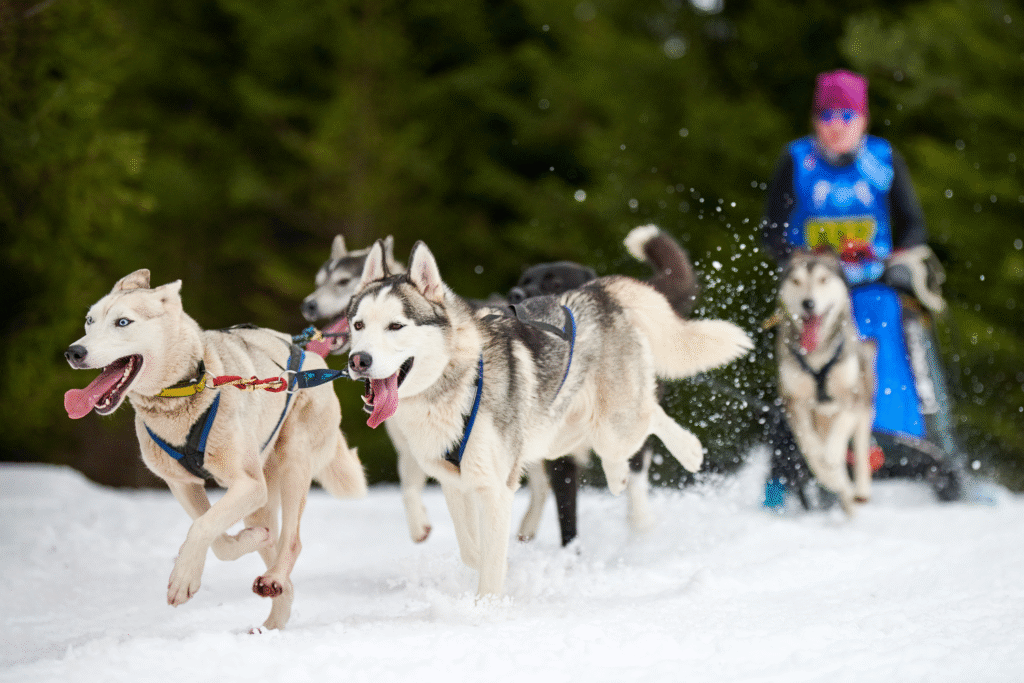
Long before cities existed, dogs were hunting partners and protectors. They helped humans track prey, guard camps, and survive harsh winters. Archaeological finds show dogs buried beside humans over 14,000 years ago, proof of an ancient bond. Their loyalty and adaptability made them our first and most enduring allies. The partnership between human and dog shaped evolution itself, changing how both species lived and thrived.
5. Cats silently shaped ancient belief systems.

In Egypt, cats were revered as symbols of protection and fertility. They kept grain stores free of vermin, making them invaluable to survival. Temples dedicated to Bastet celebrated their balance between domestic grace and wild instinct. Their quiet influence spread beyond Egypt, shaping how humans understood companionship and divinity. Their image still lingers in modern culture as guardians of the mysterious and unseen.
6. Elephants turned warfare into spectacle and strategy.

Used by armies from India to Carthage, elephants were early tanks of the ancient world. Their power intimidated enemies and changed how battles were fought. Hannibal’s famous crossing of the Alps remains one of history’s boldest feats of animal warfare. They symbolized might but also taught humans the limits of domination. In their size and intelligence, elephants reminded conquerors that nature’s strength could never fully be controlled.
7. Goats spread agriculture across unforgiving landscapes.
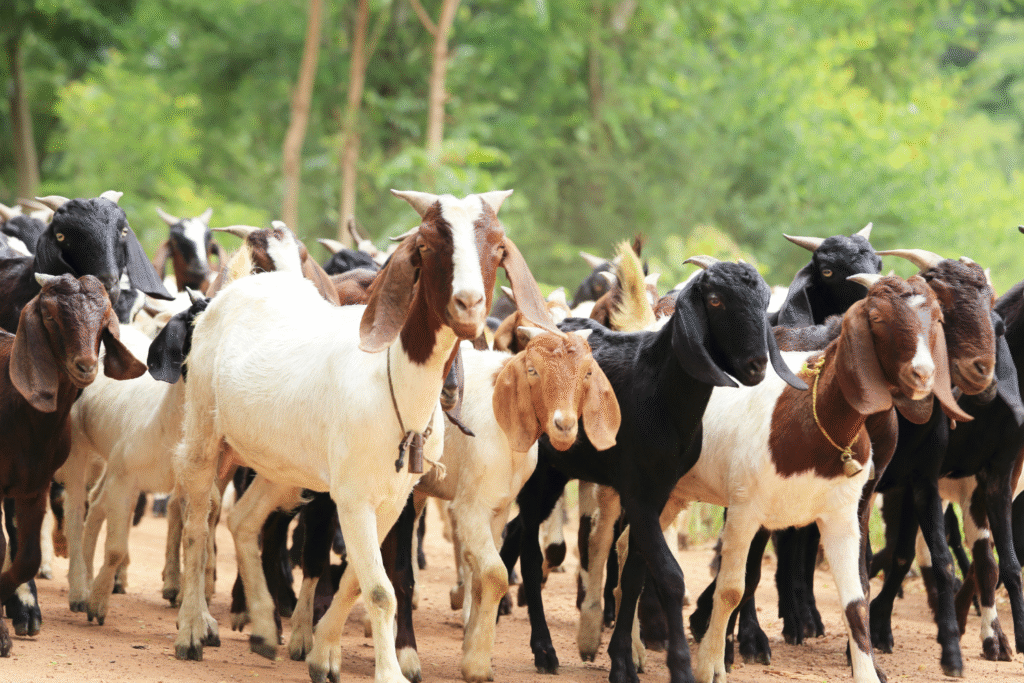
Among the first animals domesticated, goats provided milk, fiber, and meat in regions too harsh for farming. Their adaptability let early humans expand into deserts and mountains. From the Middle East to Central Asia, goats were the unsung pioneers of food security. They also spurred early trade networks centered around wool and cheese. In many ways, goats proved that survival favored those who could adapt, not just endure.
8. Bees built civilization through sweetness and structure.
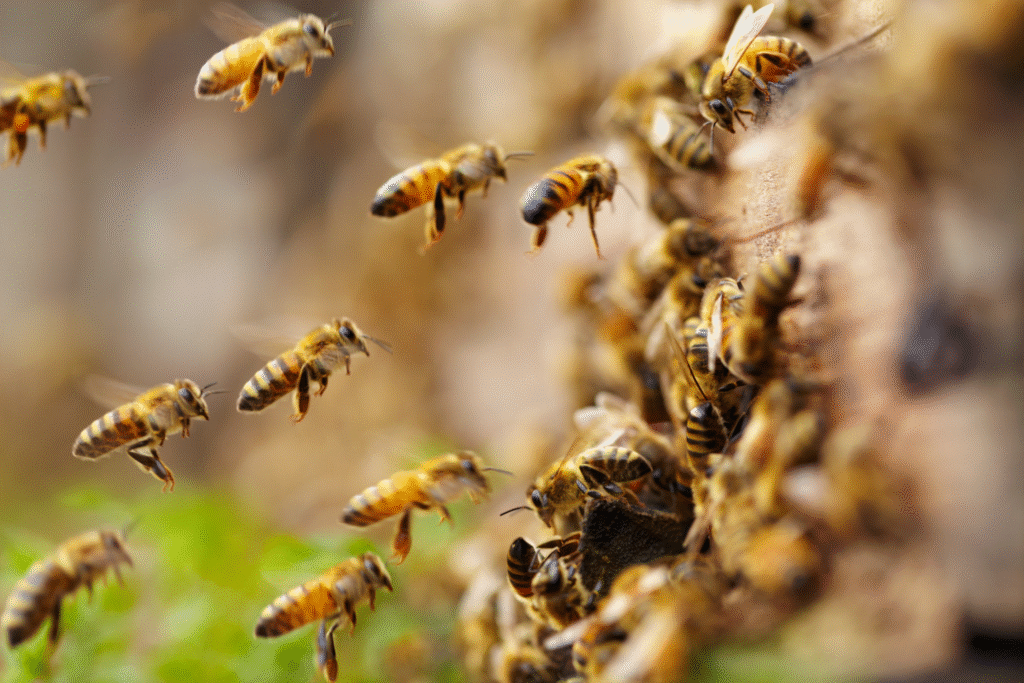
Honeybees offered more than honey—they modeled organization. Ancient Egyptians harvested beeswax for medicine and art, while the Greeks studied hive behavior as social philosophy. Early apiculture sustained trade and symbolized community. Bees showed humans that cooperation could create abundance, not just survival. Their colonies became metaphors for order, harmony, and collective purpose across entire civilizations.
9. Pigeons became the original communication network.
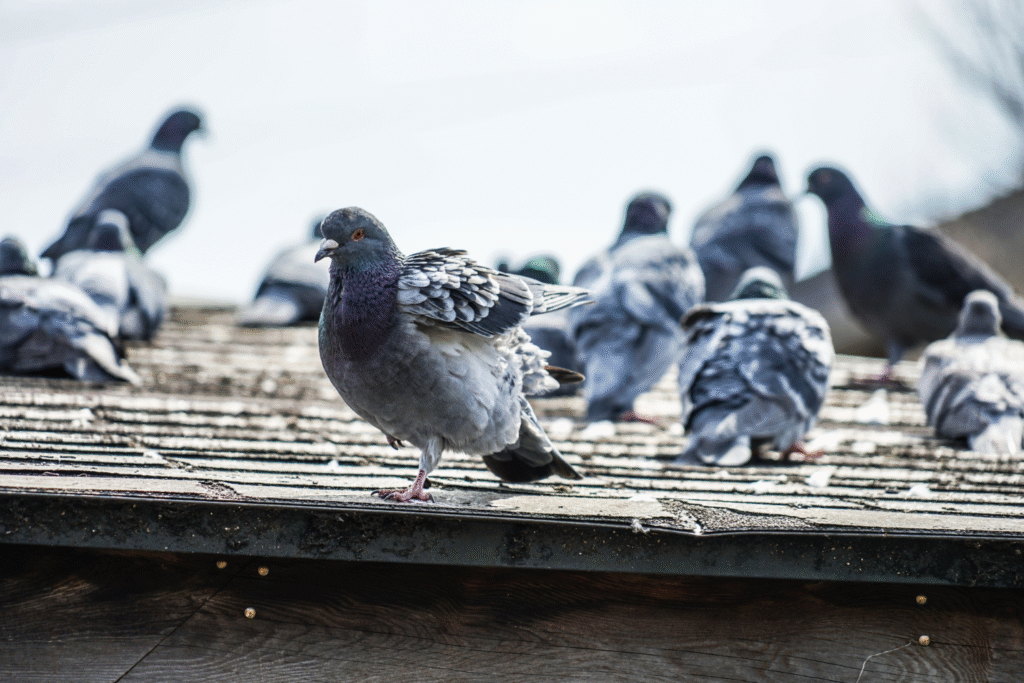
Long before satellites, pigeons carried messages across battlefields and kingdoms. Their unmatched homing ability allowed emperors and generals to share intelligence over vast distances. They played a critical role in both ancient and modern wars, turning simple birds into strategic tools. Their service connected humanity before wires ever existed. Even as technology advanced, their loyalty and precision remained unmatched by any invention.
10. Oxen powered the rise of civilization itself.
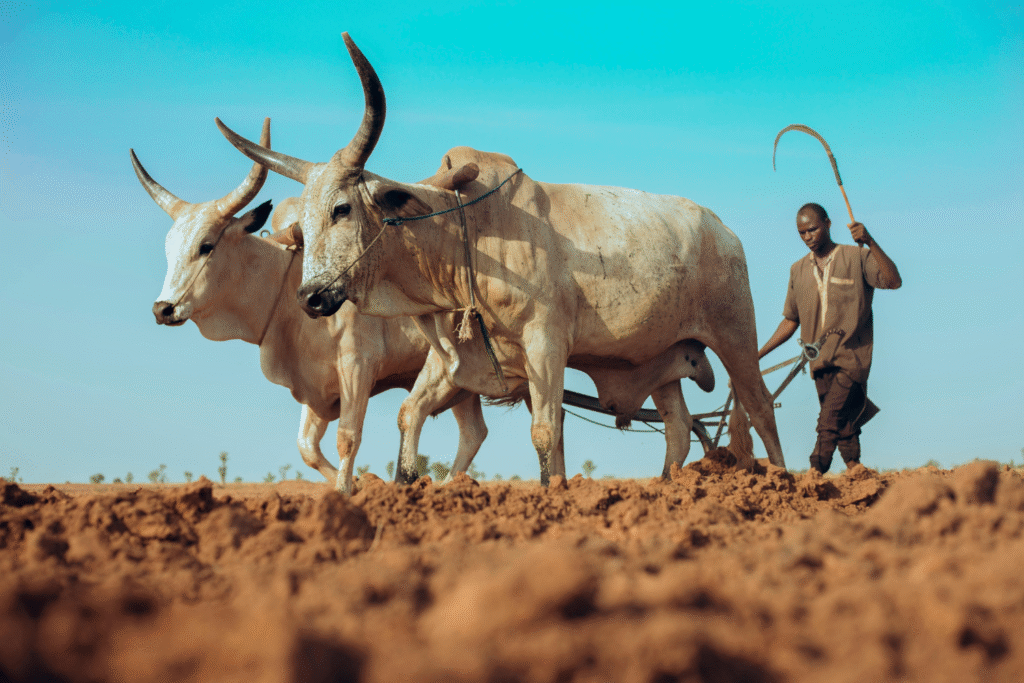
Heavy plowing and hauling would have been impossible without oxen. They turned soil for crops, pulled carts, and shaped human settlement patterns. Their strength replaced human labor, allowing time for cities, art, and innovation to flourish. In many ways, oxen gave humanity the extra hours needed to build civilization itself. Their endurance literally carved the fields that fed empires and nourished generations.
11. Sheep wove the foundation of global trade.

Sheep were among humanity’s earliest domesticated animals, providing both food and one of the world’s most valuable materials—wool. Ancient Mesopotamians mastered selective breeding to produce finer fleece, fueling the first textile economies. Over time, wool became so central that entire trade routes developed around it, linking distant empires. Their influence extended into culture too, symbolizing wealth, purity, and sacrifice. The global textile industry we know today still stands on the backs of those early herds that reshaped commerce and comfort alike.
12. Chickens turned domestication into daily survival.
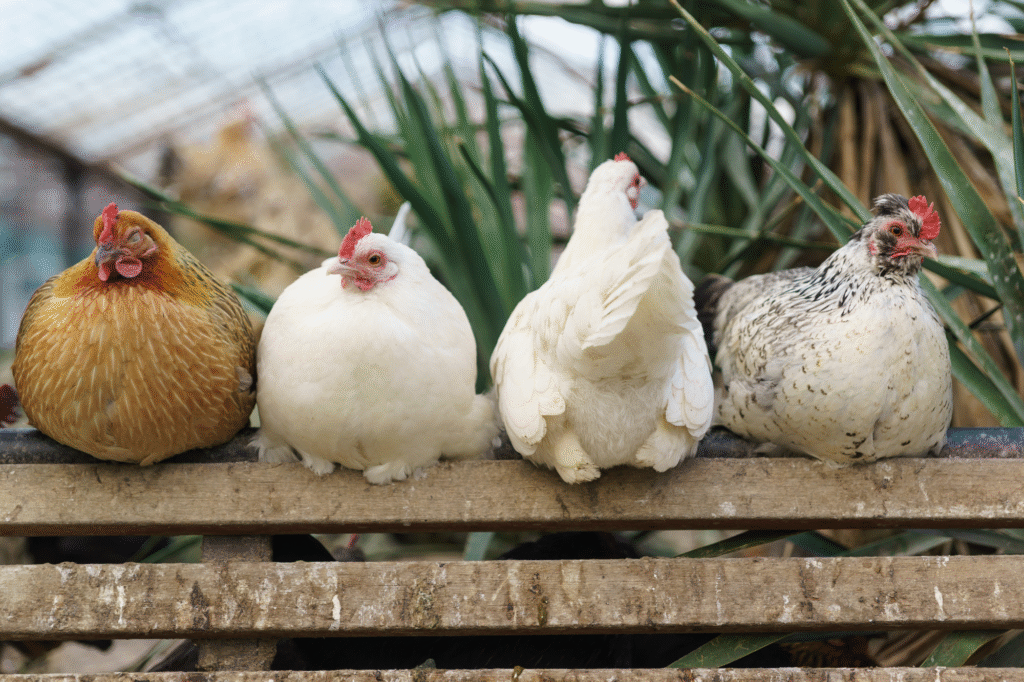
The humble chicken began as a jungle fowl in Southeast Asia, domesticated thousands of years ago not just for meat but for ritual and symbolism. Their eggs provided a renewable food source that allowed settlements to thrive without constant hunting. Ancient Egyptians and Greeks both revered and consumed them, while trade spread the bird across continents. Chickens became one of the first globally adapted livestock species, bridging cultures through nourishment and faith. Their quiet ubiquity reshaped human diets more deeply than any other animal.