
For some animals, rest comes in fragments.
Sleep is often assumed to be universal, yet across the animal kingdom it varies dramatically. Some species survive with almost no true sleep, relying instead on brief pauses, partial brain shutdowns, or constant low alert states. Scientists studying animals in oceans, skies, and harsh terrestrial environments have documented patterns shaped by predation risk, migration demands, and physiology. The stakes are high because losing awareness can mean death. These animals challenge long held assumptions about why sleep exists at all and how little of it life can endure.
1. Bottlenose dolphins remain alert even while resting.
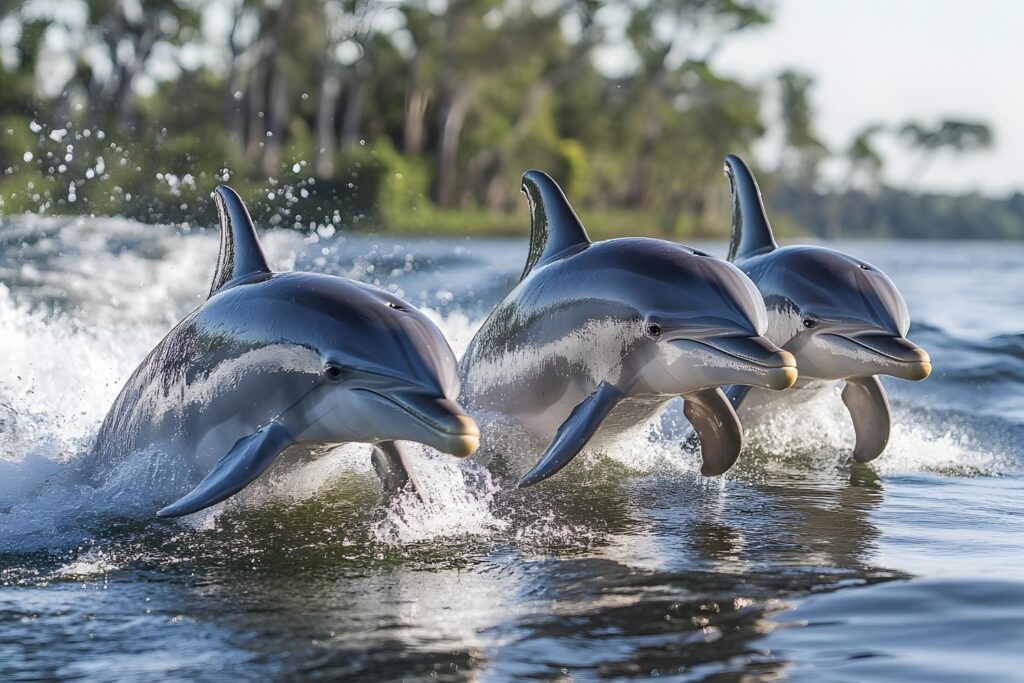
In open water, losing consciousness can be fatal. Dolphins must surface to breathe and remain aware of predators at all times. Traditional sleep would leave them vulnerable to drowning or attack, creating a constant survival dilemma.
Instead, dolphins rest one brain hemisphere at a time. While one side sleeps, the other remains active, controlling breathing and movement. This alternating pattern allows continuous swimming and awareness. True full sleep never occurs, only rotating rest that keeps dolphins functioning without total shutdown.
2. Great frigatebirds stay airborne for days without sleeping.

For seabirds, land is not always accessible. Long flights over open ocean leave no safe place to rest. Fatigue builds quickly when wings never stop moving.
Great frigatebirds solve this by sleeping only seconds at a time while gliding. Brain studies show brief micro sleep episodes mid flight. These fragments provide minimal recovery without sacrificing control. Extended deep sleep simply does not happen during long journeys.
3. Bullfrogs show no clear sleep patterns.
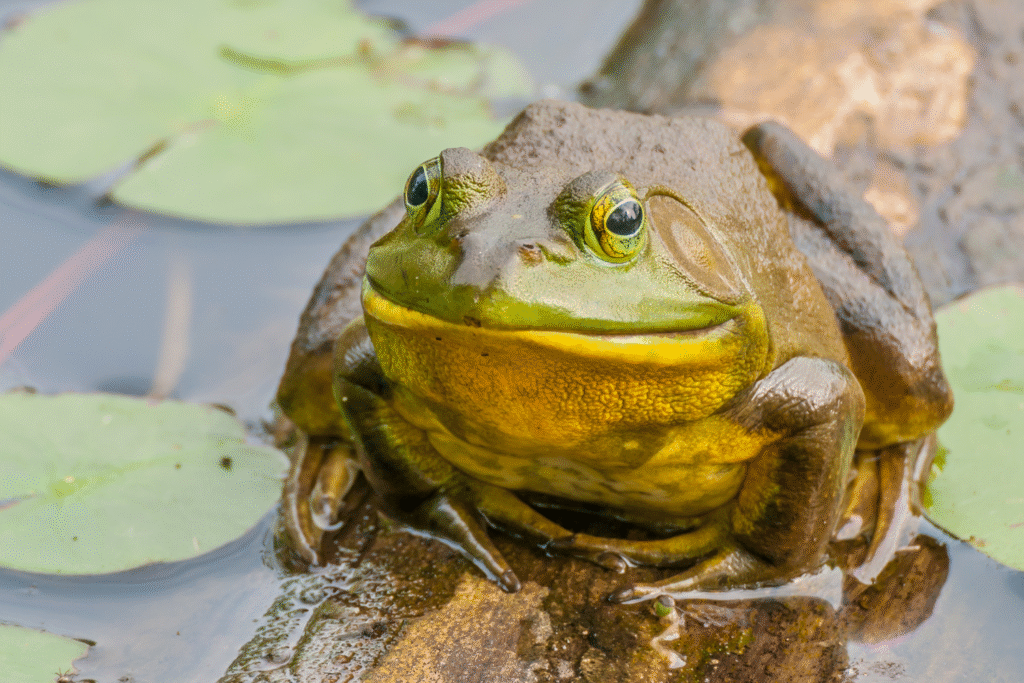
Sleep in amphibians remains difficult to define. Some species show little behavioral difference between rest and wakefulness. This raises questions about whether sleep exists for them at all.
Bullfrogs display continuous responsiveness even during inactive periods. Studies suggest they may not experience sleep as mammals do. If rest occurs, it is extremely shallow and brief. Their nervous systems appear adapted for constant low level alertness rather than full shutdown.
4. Certain sharks must keep moving constantly.

Some sharks rely on forward motion to push oxygenated water across their gills. Stopping completely can lead to suffocation. Rest becomes a dangerous luxury.
These sharks enter low activity states while continuing to swim. Brain activity decreases but never fully disengages. Movement persists even during rest. This partial shutdown blurs the line between sleep and wakefulness, allowing survival without traditional sleep cycles.
5. Alpine swifts sleep almost exclusively mid flight.
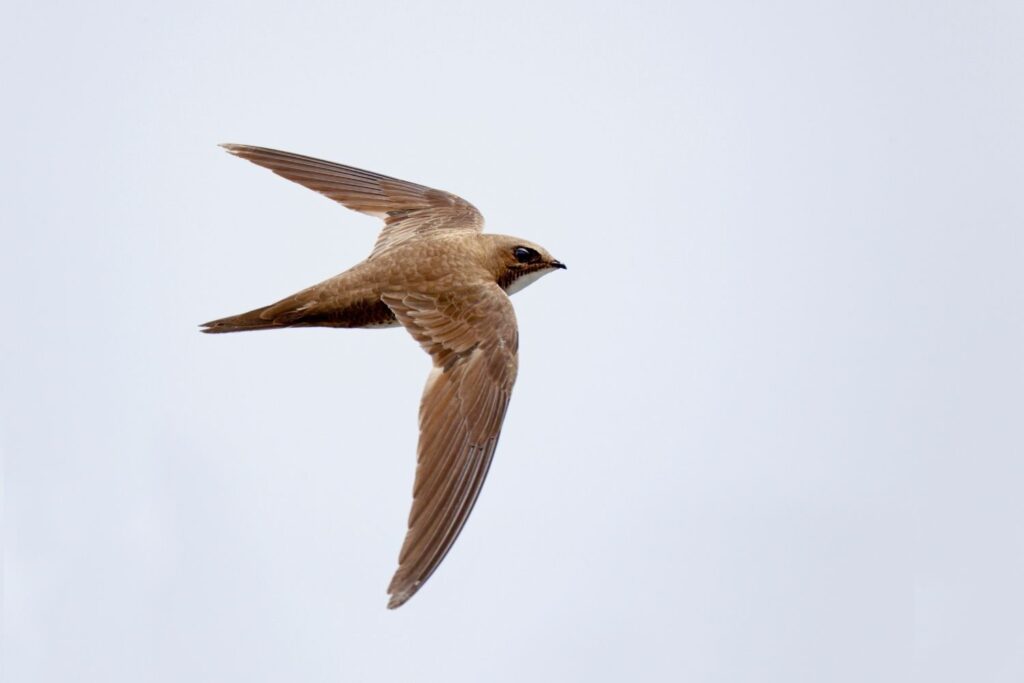
Migration demands extreme endurance. Landing exposes birds to predators and unfamiliar terrain. Sleep must adapt to motion rather than stop it.
Alpine swifts have been observed sleeping while gliding at altitude. Brain activity drops for seconds without loss of control. Over months long migrations, this fragmented rest replaces nightly sleep. The birds remain airborne continuously, even while mentally recovering.
6. Elephants sleep far less than most mammals.
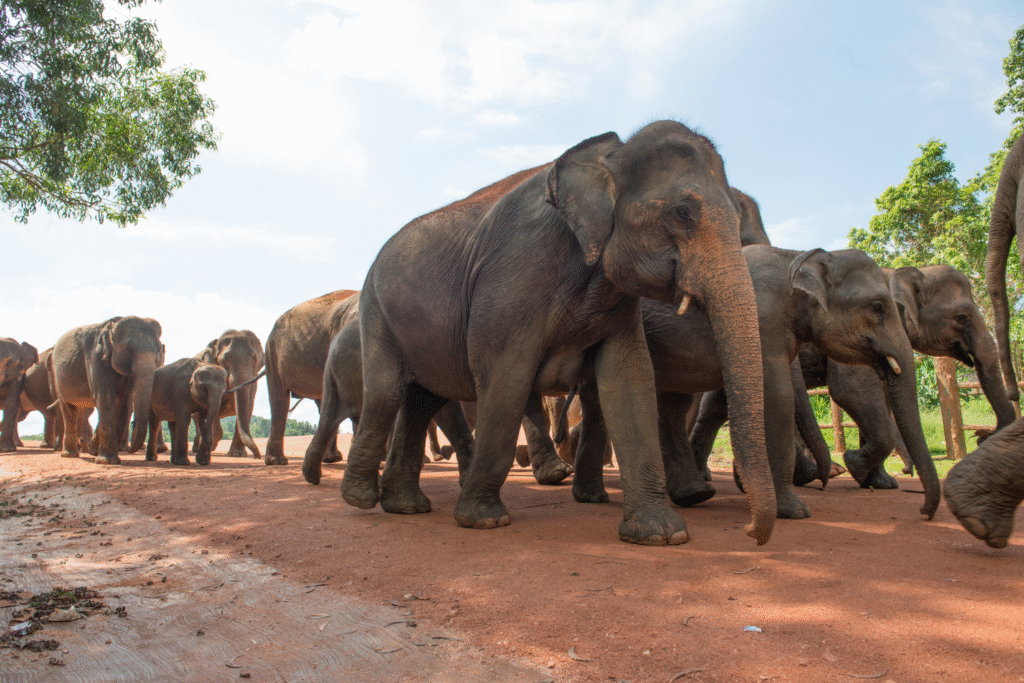
Large bodies require enormous energy intake. Long sleep periods reduce feeding time and increase vulnerability. Staying awake becomes essential.
Elephants average only two to three hours of sleep daily. Deep sleep is rare and brief, often occurring while lying down for minutes. Most rest happens standing. Constant alertness supports feeding, social awareness, and environmental monitoring.
7. Jellyfish function without any sleep cycles.

Sleep is often associated with brains, yet jellyfish have none. They challenge the assumption that rest requires complex neural structures.
Jellyfish lack centralized brains and show no measurable sleep behavior. Neural networks operate continuously without apparent recovery periods. Movement and responsiveness continue indefinitely. For these animals, sleep may be unnecessary entirely.
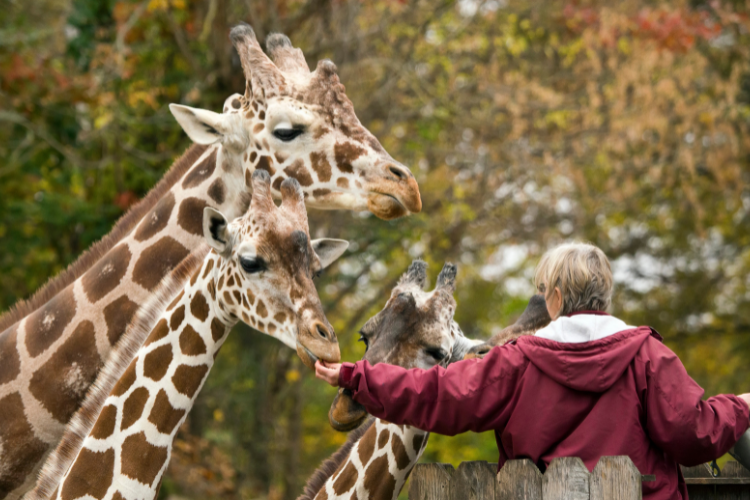
8. Giraffes rest in minutes rather than hours.
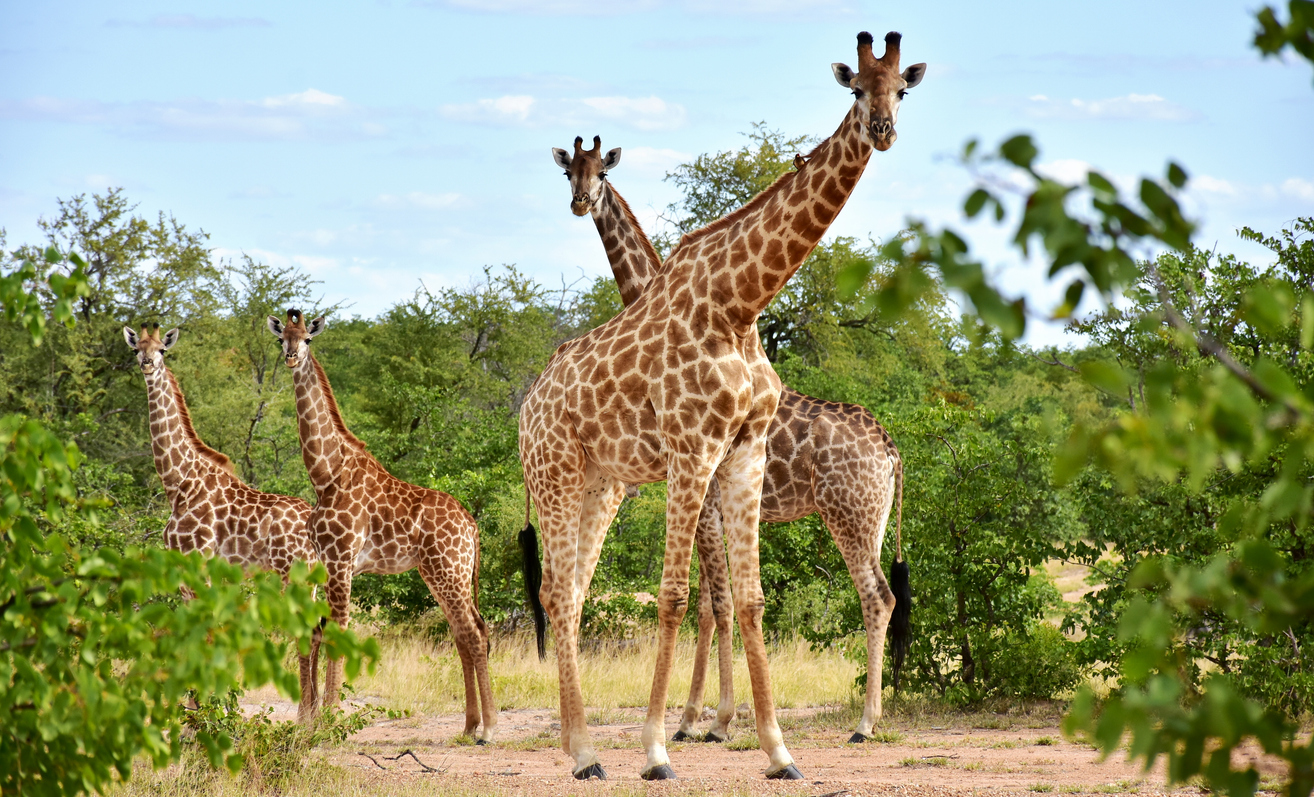
Height offers visibility but increases risk when lying down. Rising from the ground is slow and dangerous. Long sleep could be fatal.
Giraffes sleep in short bursts totaling under two hours daily. Deep sleep lasts only minutes. Most rest occurs standing. Vigilance outweighs the benefits of prolonged sleep, forcing adaptation to near constant wakefulness.
9. Antarctic fur seals sleep while actively swimming.
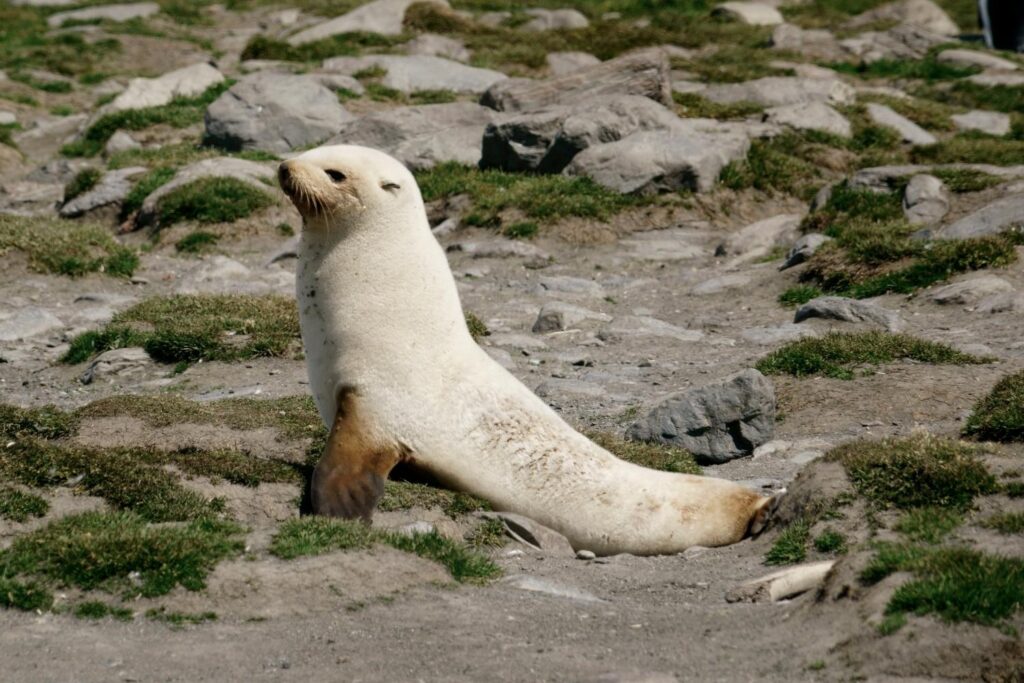
Life in cold ocean waters demands awareness. Predators and harsh conditions leave little room for vulnerability. Rest must happen without stopping.
Antarctic fur seals alternate brief brain shutdowns while swimming. One hemisphere rests while the other remains alert. This allows breathing and movement to continue. Full sleep never occurs at sea, only short intervals that maintain function without surrendering awareness.