
Adaptability is quietly deciding which species move forward.
Climate change is often discussed as a sweeping loss story, but the biological reality is more uneven. As temperatures rise, winters shorten, and ecosystems reorganize, some animals are not retreating at all. They are expanding ranges, reproducing more successfully, and exploiting conditions that disrupt others. These winners are not random. They share traits that reward flexibility, speed, and tolerance for disturbance. Looking closely at specific species reveals how warming reshapes ecosystems in selective, sometimes unsettling ways that are already visible across land, sea, and cities.
1. Coyotes flourish by eating almost anything available.

Coyotes now occupy deserts, forests, farmland, suburbs, and dense cities across North America. Their success is closely tied to dietary flexibility. As warming alters prey populations and human development fragments habitats, coyotes shift easily between rodents, fruit, insects, carrion, pets, and food waste. Few predators can adjust so quickly without nutritional stress.
Warmer winters also reduce pup mortality, while urban heat islands create year round food access. Coyotes modify behavior as well, becoming more nocturnal in cities to avoid people while exploiting resources. This combination of flexible diet, behavioral adjustment, and climate assisted survival has driven steady population growth and expansion into regions once too cold, according to the National Park Service.
2. Lionfish spread rapidly through warming Atlantic waters.

Lionfish populations have exploded along the southeastern United States, Caribbean, and Gulf of Mexico. Native to the Indo Pacific, they were once limited by cold winters. Rising ocean temperatures now allow them to survive year round and push farther north with each decade.
Lionfish reproduce frequently and consume enormous numbers of native reef fish, many of which lack defenses against them. Their venomous spines deter predators unfamiliar with the species. Warming seas increase juvenile survival while overfishing removes competitors. This combination gives lionfish a compounding advantage. Their spread illustrates how climate change magnifies invasive species impacts by removing thermal barriers that once kept ecosystems in balance, as reported by the National Oceanic and Atmospheric Administration.
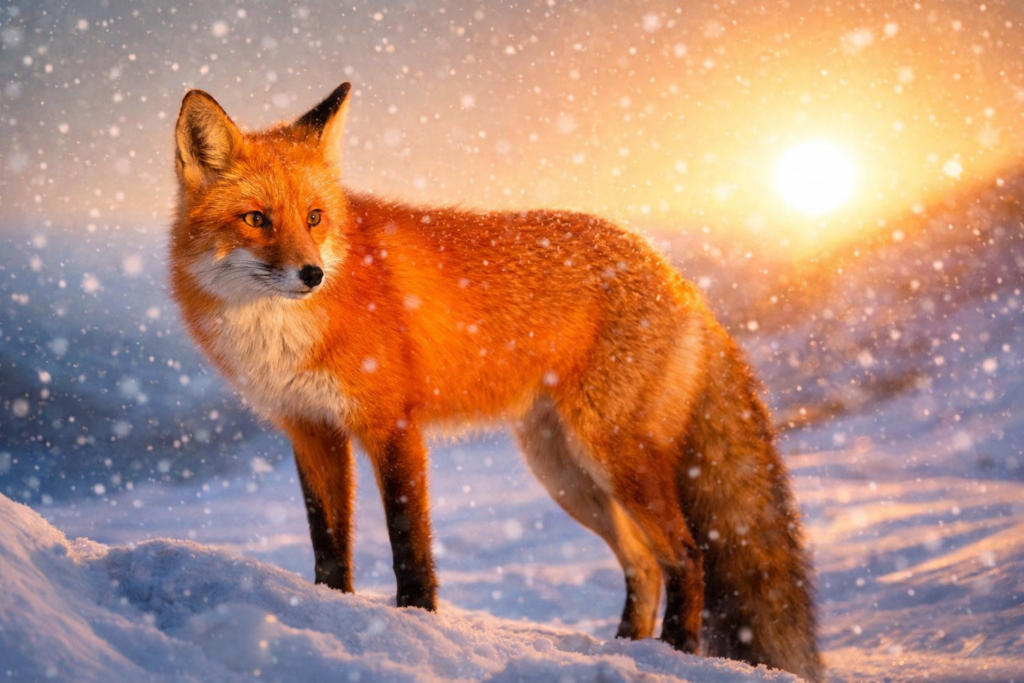
3. Red foxes expand north as winters soften.

Red foxes are steadily moving into higher latitudes and elevations as winters become milder. Reduced snow cover makes hunting easier and increases access to prey throughout the year. Regions once dominated by Arctic foxes now increasingly support red fox populations.
This shift has cascading effects. Red foxes are larger, more aggressive competitors that displace Arctic foxes from dens and food sources. Their ability to thrive near human settlements further boosts survival. As warming reshapes snow patterns and seasonal predictability, red foxes gain an edge in environments that no longer favor cold specialists, according to the International Union for Conservation of Nature.
4. Jellyfish populations surge in warmer coastal waters.

Jellyfish thrive under conditions that stress many marine species. Warmer waters, lower oxygen levels, and nutrient runoff from land create ideal environments for blooms. Species such as moon jellies reproduce rapidly and tolerate poor water quality better than fish.
Climate change lengthens warm seasons, allowing blooms to last longer and appear more frequently. Overfishing removes predators and competitors, further favoring jellyfish. Their simple body plans require less oxygen, giving them an advantage as warming reduces marine oxygen levels. Jellyfish success highlights how climate stress simplifies ecosystems, allowing resilient organisms to dominate disrupted food webs.
5. Mosquitoes expand ranges with rising temperatures.
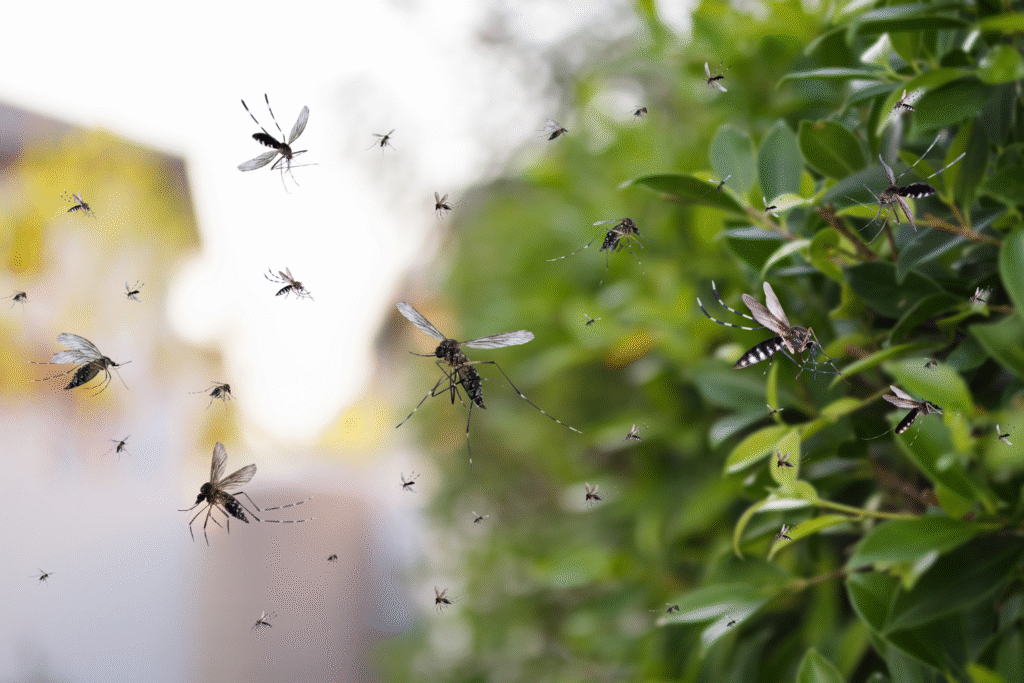
Mosquito species like Aedes aegypti and Aedes albopictus benefit directly from warmer temperatures. Rising heat allows them to survive winters in regions once too cold, expanding their geographic range into higher latitudes and elevations.
Warmer conditions speed up development from egg to adult and increase biting frequency. Urban environments amplify this effect by providing standing water and retained heat. Longer warm seasons mean more generations per year. From an ecological perspective, mosquitoes exemplify how climate change favors species with fast life cycles and tolerance for human altered landscapes, while simultaneously increasing disease risks for humans and wildlife.
6. Mountain pine beetles overwhelm forests under heat stress.
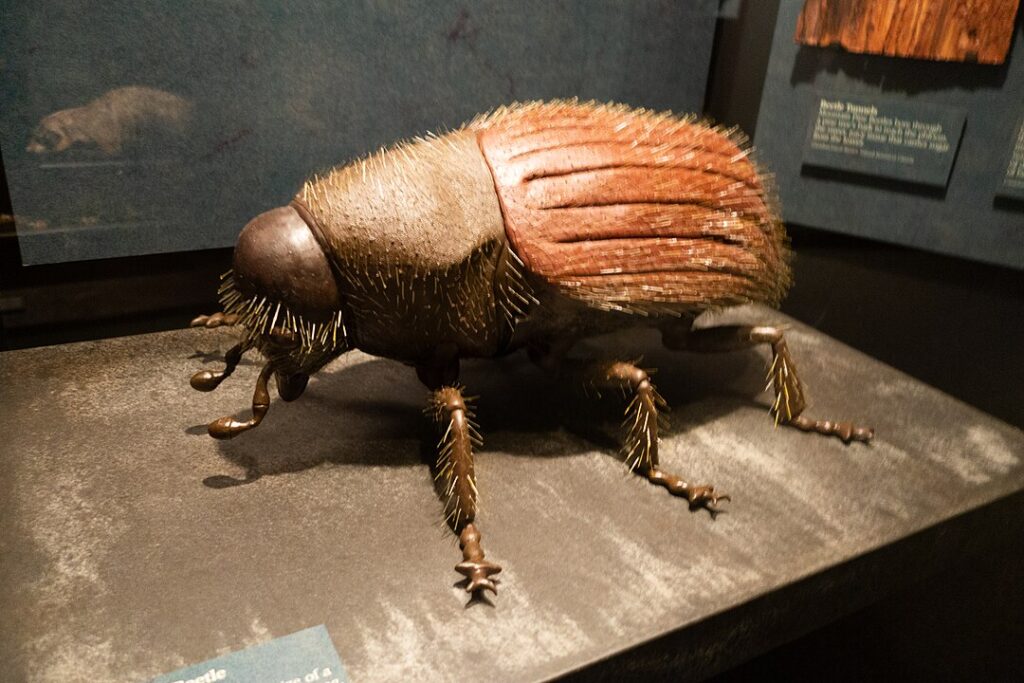
Mountain pine beetles are native insects that historically played a limited ecological role. Warmer winters now reduce cold related mortality, allowing massive numbers to survive and reproduce. Longer summers enable additional breeding cycles in a single season.
At the same time, drought stressed trees are less able to defend themselves with resin. Beetles exploit this vulnerability, overwhelming forests across western North America. Entire landscapes have been transformed as millions of acres of trees die. Beetle success shows how warming can turn ordinary native species into powerful ecological forces when climate removes historical population controls.
7. Brown rats succeed in cities as winters warm.
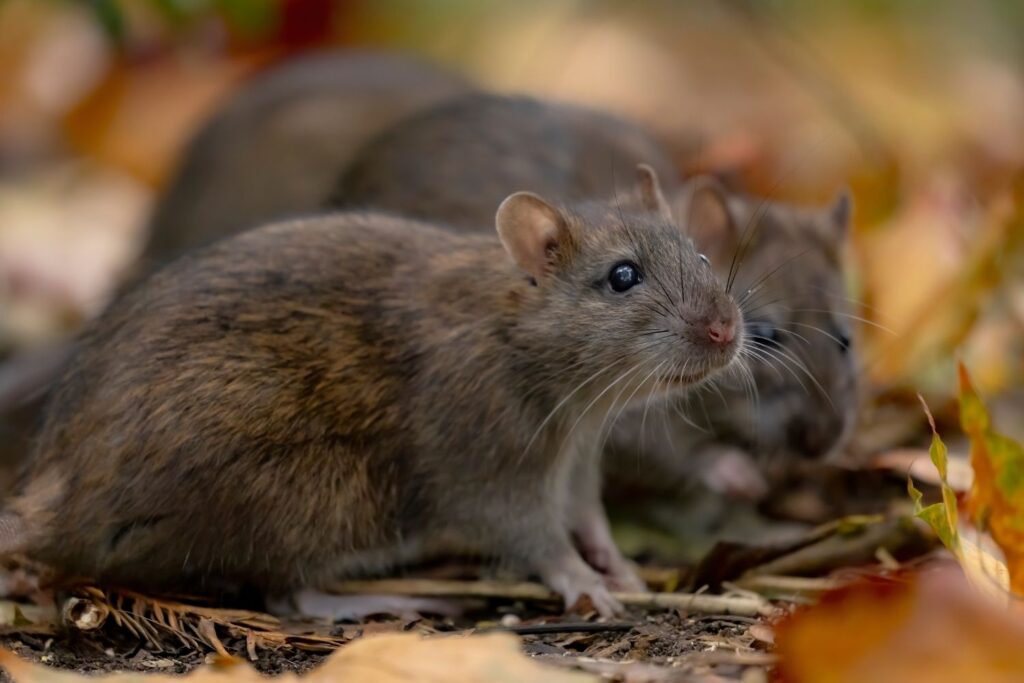
Brown rats thrive where warmth, food waste, and shelter converge. Cities already provide these conditions, and climate change strengthens the advantage. Milder winters reduce seasonal die offs, allowing populations to remain stable year round.
Rats are highly adaptable learners that exploit infrastructure for nesting and movement. As cities warm faster than surrounding regions, rats gain reliable habitat even during extreme weather. Their success is not accidental. It reflects how urbanization and climate change interact to favor opportunistic species capable of navigating human environments with precision.
8. Canada geese benefit from longer growing seasons.

Canada geese populations have increased dramatically in many regions as warming extends growing seasons. Longer access to grasses and crops improves nutrition and survival. Reduced snow cover allows geese to remain farther north year round rather than migrating long distances.
Urban parks, golf courses, and agricultural fields provide safe feeding grounds with limited predation. Climate change lowers the energetic cost of migration and increases reproductive success. Goose expansion illustrates how warming reshapes movement patterns, allowing adaptable herbivores to exploit landscapes modified by both climate and human activity.
9. Feral pigs expand aggressively into new territories.
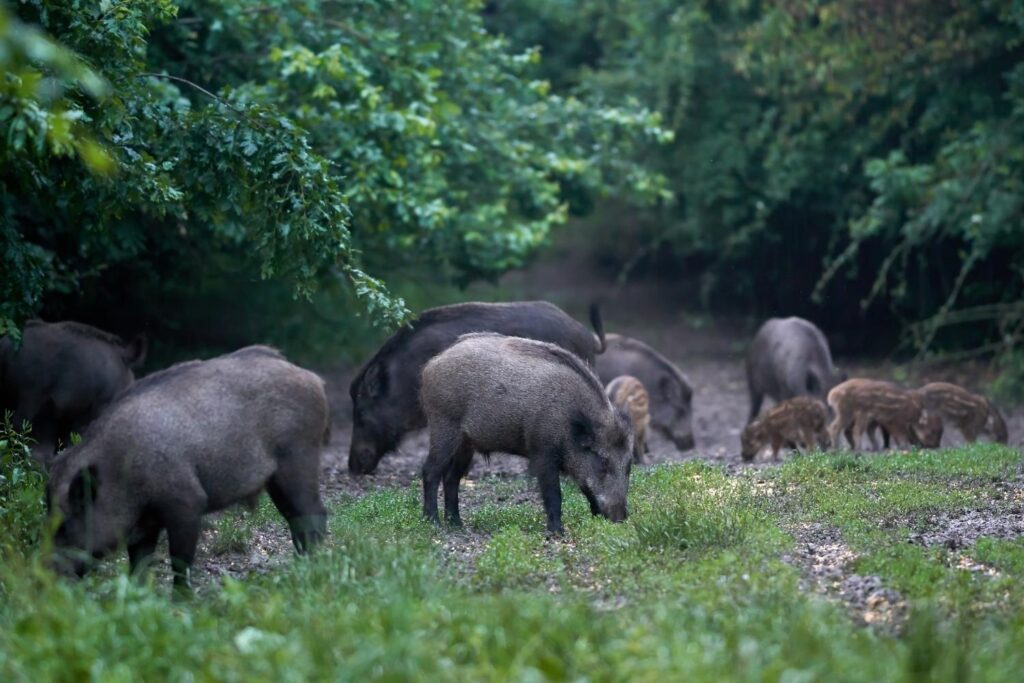
Feral pigs thrive in warmer climates with abundant food and limited predators. Rising temperatures allow them to survive winters farther north, expanding their range rapidly. Their omnivorous diet includes roots, crops, insects, small animals, and carrion.
High reproductive rates enable explosive population growth. Climate driven habitat disruption creates disturbed landscapes ideal for pig foraging. While their expansion causes severe ecological damage, from soil destruction to native species loss, their success demonstrates how flexibility, intelligence, and reproduction combine to drive dominance under changing conditions.
10. Blue crabs reshape northern coastlines as waters warm.
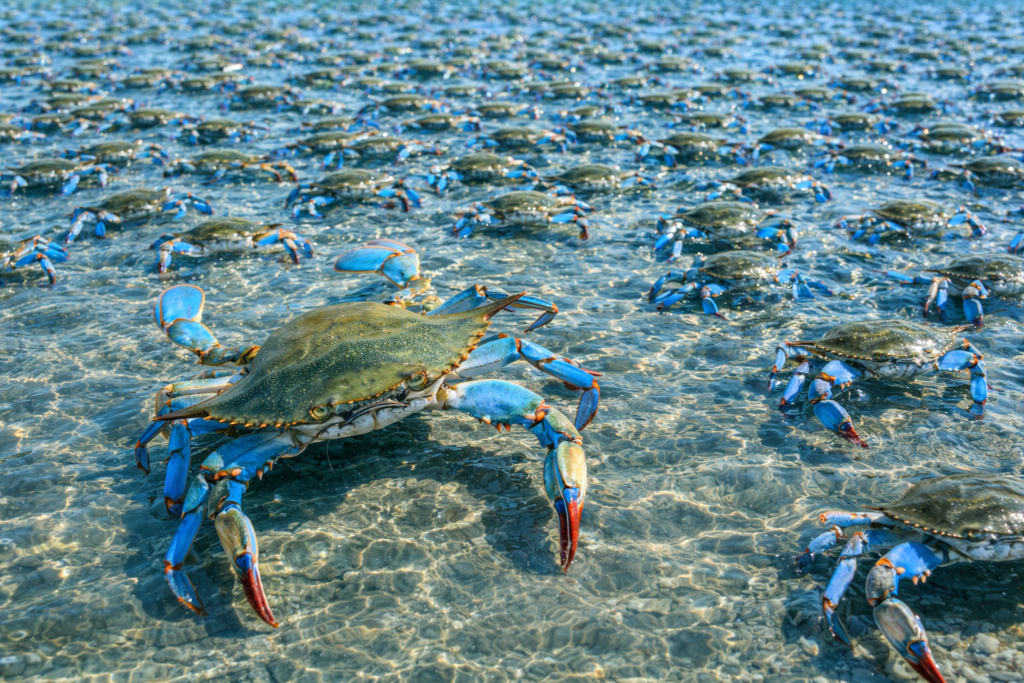
Blue crabs are expanding northward along the Atlantic coast as ocean temperatures rise. Areas once too cold now support breeding populations, fundamentally changing local coastal ecosystems. Warmer waters improve juvenile survival and extend feeding seasons, allowing populations to establish quickly.
As active predators and scavengers, blue crabs alter food webs by preying on shellfish, small fish, and invertebrates unfamiliar with them. Fisheries are forced to adapt as traditional species decline and crab numbers rise. This shift shows how warming does not simply remove marine life, it actively reorganizes coastal systems by empowering mobile, temperature sensitive species to redraw ecological boundaries.