
The ocean is getting a fresh, cold surge.

Antarctica is not melting like an ice cube on a counter, it is leaking in complicated ways that end up in the sea. More surface melt, faster glacier flow, and warmer water gnawing at ice shelves all add up to more freshwater entering the Southern Ocean than decades ago. When that extra meltwater spreads, it can change currents, sea ice, ecosystems, and how quickly ice slides toward the coast. The shift is not abstract anymore, it is measurable.
1. The ocean is receiving a larger freshwater pulse.

The phrase meltwater sounds like a simple stream, but around Antarctica it arrives as a mix of surface runoff, basal melting under ice shelves, and ice discharge that eventually becomes freshwater in the ocean. When the total input climbs, the Southern Ocean surface gets fresher and lighter, and that changes how easily water sinks and mixes. Think of it as adding a lid that can trap heat below, right where the ice shelves sit.
This matters most near West Antarctica, where warm deep water can intrude onto the continental shelf and melt ice from underneath. More freshwater can also spread the impact outward, shifting sea ice formation zones and altering food chains that depend on seasonal timing. The acceleration of Antarctic ice loss that feeds this freshwater increase is widely tracked, according to NASA.
2. Ice shelves are thinning, and the plumbing follows.
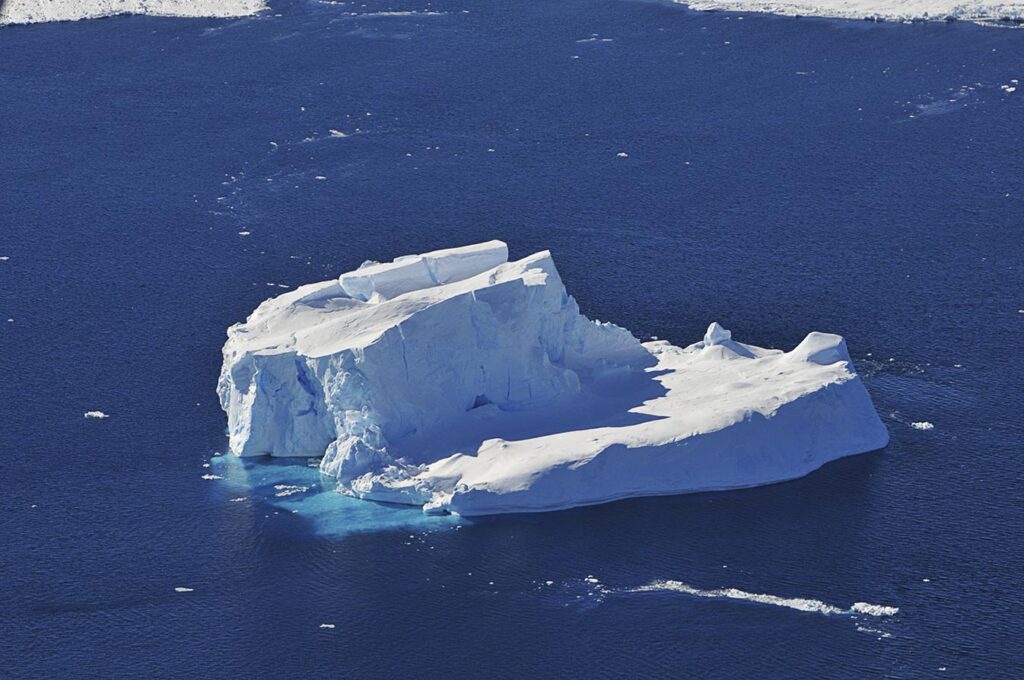
Ice shelves are the floating extensions of glaciers, and they act like braces that slow ice on land. When warm ocean water melts them from below, they thin, weaken, and lose their grip on embayments and pinning points. That reduction in support can allow upstream glaciers to speed up, pushing more ice into the sea where it eventually becomes meltwater.
The effect is not uniform. The Amundsen Sea sector, including the drainage basins feeding Pine Island and Thwaites, has shown long running vulnerability because the seabed shape allows warm water access beneath the ice. Once thinning starts, the system can enter a feedback loop, thinner shelf, faster flow, more discharge, more freshwater. Satellite based reconstructions show Antarctica’s mass loss rate has increased markedly since the early 1990s, as reported by the IMBIE team through Copernicus Earth System Science Data.
3. Surface melt signals are rising in key regions.
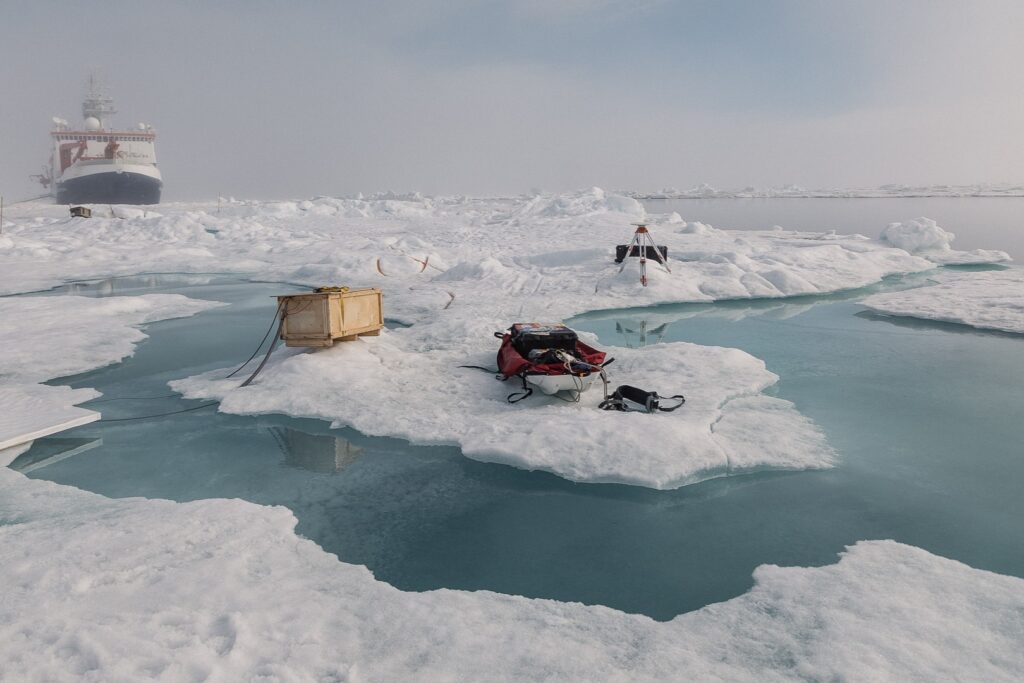
Most Antarctic mass loss still comes from ice moving into the ocean, but surface melt is becoming more relevant in certain places. When meltwater pools on top of ice shelves, it can exploit cracks, deepen them, and trigger hydrofracture, where water forces the ice apart. That kind of failure can remove a shelf’s buttressing quickly, changing glacier speeds in the seasons that follow.
The regions to watch are the Antarctic Peninsula and parts of West Antarctica where weather patterns can bring warm air intrusions and stronger foehn winds. Even modest melt increases can matter if the meltwater is retained and concentrated rather than refreezing harmlessly. That is why researchers track melt indices and atmospheric patterns, not just temperature averages. A recent analysis linked increased summer melt since the late 1990s to circulation changes over coastal West Antarctica, according to Nature.
4. Warm deep water is doing quiet damage below.
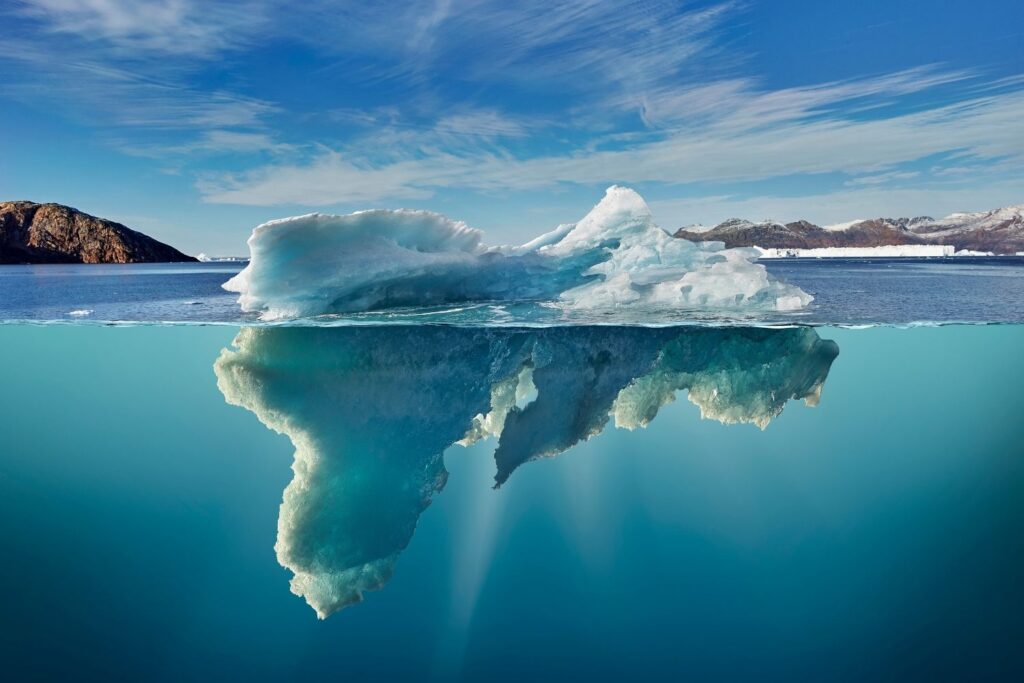
A lot of the melt that matters most is invisible from the surface. Warm, salty Circumpolar Deep Water can ride onto the continental shelf and flow into ice shelf cavities. There, it meets ice at pressure, melts it, and exits as colder, fresher water that rises and spreads. It is slow, persistent work, like a file rather than a hammer, but it targets the shelves that hold back massive grounded ice.
Where the seabed slopes downward inland, melting near the grounding line can retreat the point where ice starts floating. That changes the physics of the glacier, often making it easier for the ice to accelerate. The result is more ice discharge and more meltwater equivalent entering the ocean. The scary part is that you can have a cold air year and still lose ice, because the ocean keeps paying its heat bill to the underside of Antarctica.
5. Freshwater makes sea ice behavior harder to predict.
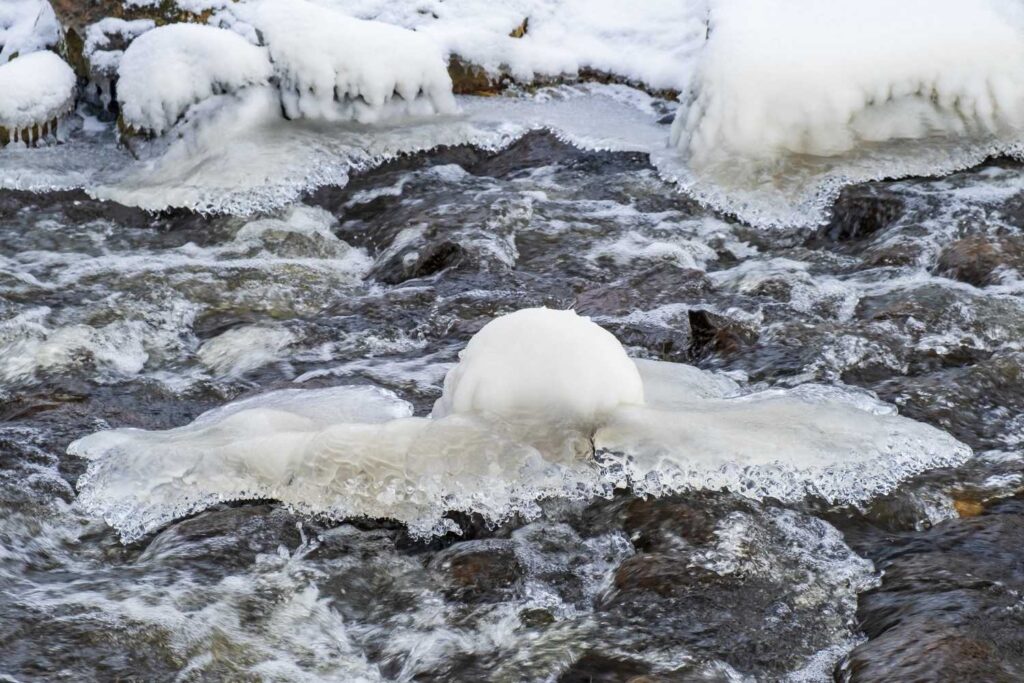
It sounds backwards, but more meltwater can sometimes support more sea ice locally because fresher surface water freezes more easily. At the same time, freshwater can also stratify the ocean, trapping warmth below and setting up conditions that later melt sea ice from underneath. That push and pull is one reason Antarctic sea ice has shown confusing swings, with sharp lows in recent years and strong regional differences around the continent.
For the ice sheet, sea ice matters because it influences how waves reach ice shelves and how heat moves between air and ocean. When sea ice is low, the ocean can absorb more heat and deliver more of it toward shelf fronts. When sea ice is high in certain pockets, it can mask trouble by making the surface look stable while basal melt continues out of sight. Either way, added freshwater changes the rules of the game.
6. Meltwater can nudge currents and nutrient flows.
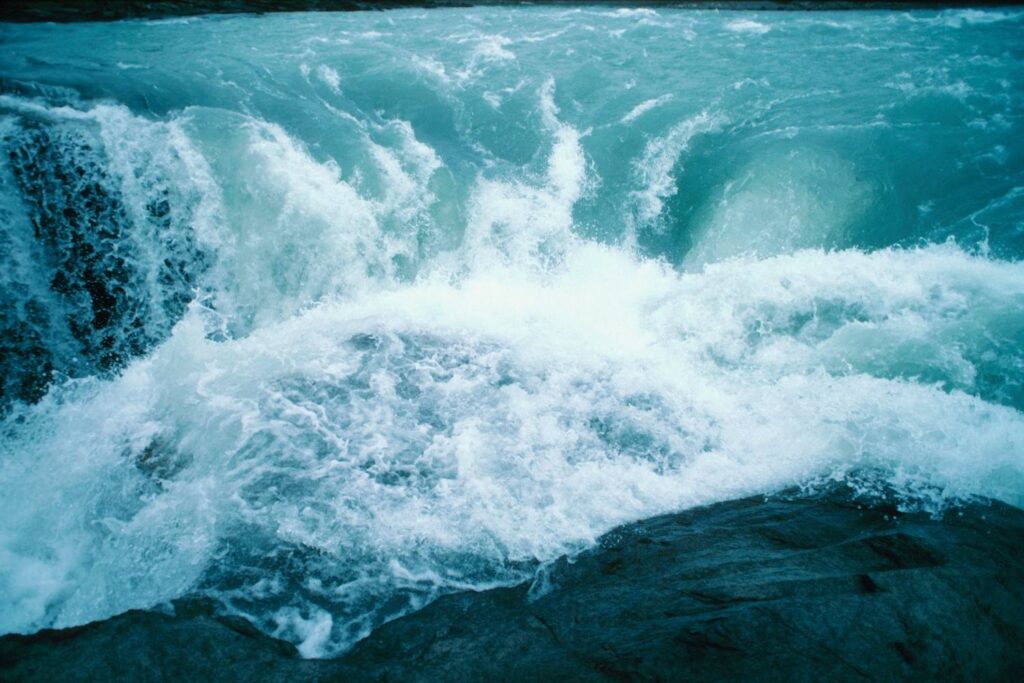
The Southern Ocean is not just a ring of cold water, it is a global engine that helps regulate heat and carbon storage. When large amounts of freshwater enter, surface waters become less dense, which can weaken vertical mixing and shift where deep water forms. That can alter how oxygen reaches depth and how nutrients return to the surface, affecting everything from plankton blooms to fish distribution.
Near Antarctica, meltwater plumes can also change circulation along the continental shelf, influencing where warm water intrudes toward ice shelves. In some models, stronger freshwater input can slow parts of the Antarctic Circumpolar Current and reshape pathways that used to keep heat offshore. These are not small details. Currents decide where heat goes, and heat decides which ice shelves survive another decade with their structure intact.
7. Glacier speedups translate into more ocean input.
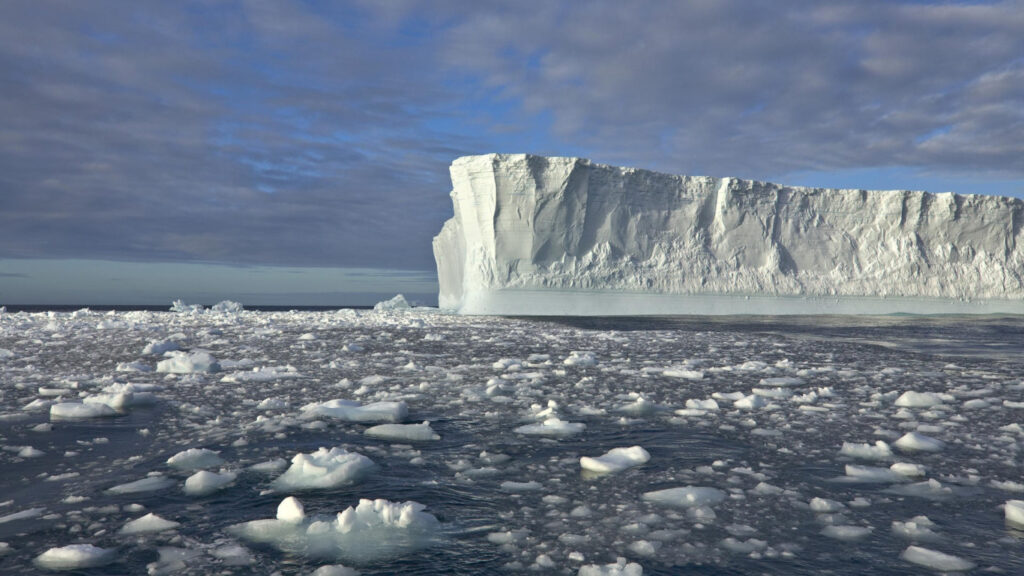
When glaciers accelerate, the ocean receives more ice mass sooner, which eventually becomes freshwater. Speedups often follow ice shelf thinning, grounding line retreat, or reduced friction at the bed due to changing water pressure. Once a glacier starts moving faster, it can thin upstream, lowering the surface and making it easier for warm air events to produce melt.
In West Antarctica, some glacier systems are already flowing through deep basins that sit below sea level, which creates a vulnerability to ongoing retreat. Faster flow also means more iceberg production, which spreads freshwater across a wider area as the icebergs melt on their drift routes. The ocean does not care whether the freshwater arrived as a stream, a plume under a shelf, or a slow melting berg. It still changes salinity, stratification, and circulation.
8. The most vulnerable zones share the same geometry.
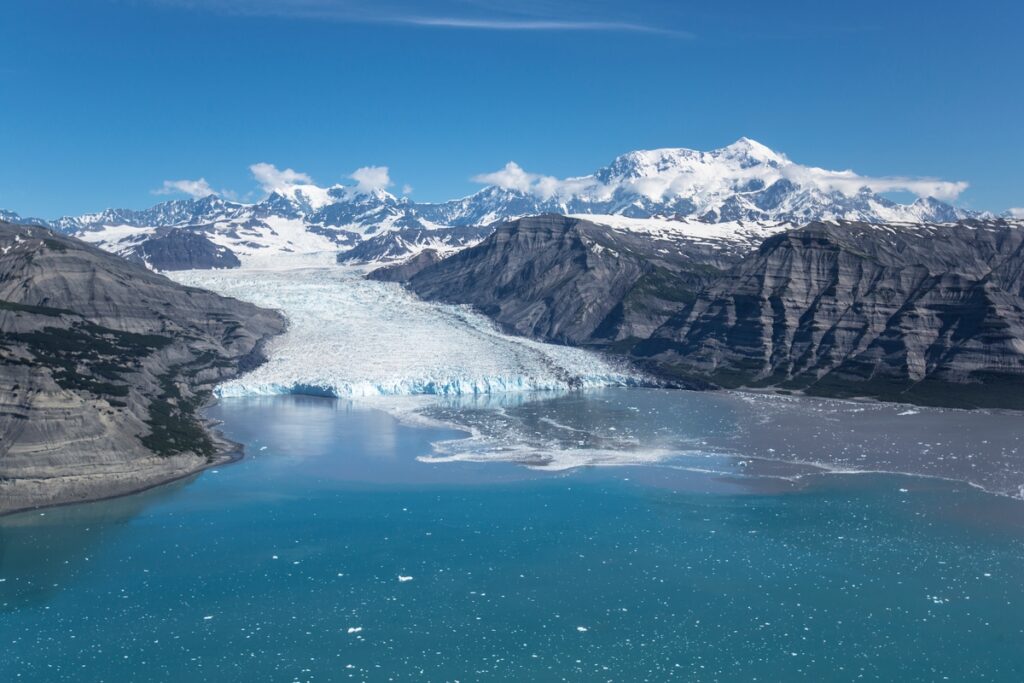
Antarctica’s risk is not evenly distributed, and the map matters. Marine based ice, grounded below sea level on a bed that deepens inland, is especially sensitive to ocean driven melt. That geometry can support marine ice sheet instability, where retreat exposes thicker ice to flotation and encourages further retreat. The Amundsen Sea sector is the headline region, but parts of East Antarctica also have basins and outlet glaciers that merit close watching.
Add ice shelf thinning on top of that geometry and you get a system that can change faster than people expect from such a huge continent. This is why scientists focus on grounding lines, pinning points, and shelf cavities. These are the stress points where small changes in ocean heat delivery can turn into large changes in discharge and meltwater input.
9. More meltwater raises the stakes for coasts.

Freshwater from Antarctica does not stay politely near the ice edge. It spreads through ocean layers and contributes to global sea level rise as ice on land becomes water in the sea. Even modest increases in the rate of loss matter because sea level is cumulative, and coastal flooding risk rises with every additional centimeter. Cities from Miami to Manila, and ports from Rotterdam to Long Beach, feel the consequences through higher storm surge reach and more frequent nuisance flooding.
The tension is that Antarctic changes can arrive in pulses. Years of steady thinning can set up a threshold, then a shelf can weaken enough that glacier flow increases quickly. When that happens, the meltwater equivalent entering the ocean can jump. The phrase twice as much is not a headline flourish, it is a reminder that Antarctica’s baseline is shifting, and the ocean is already adjusting in real time.