
Some dogs feel your absence more than others.

If you’ve ever stepped out the door only to return to a shredded couch cushion or nonstop barking, chances are your dog wasn’t being naughty—they were panicking. Separation anxiety is a deeply emotional reaction to isolation, and while any dog can experience it, research shows some breeds are more vulnerable than others. These dogs often form intense attachments and rely heavily on human presence for security. Understanding which breeds are at higher risk and how to support them can mean the difference between a calm companion and a distressed one.
1. Labrador Retrievers form deep bonds that make parting difficult.
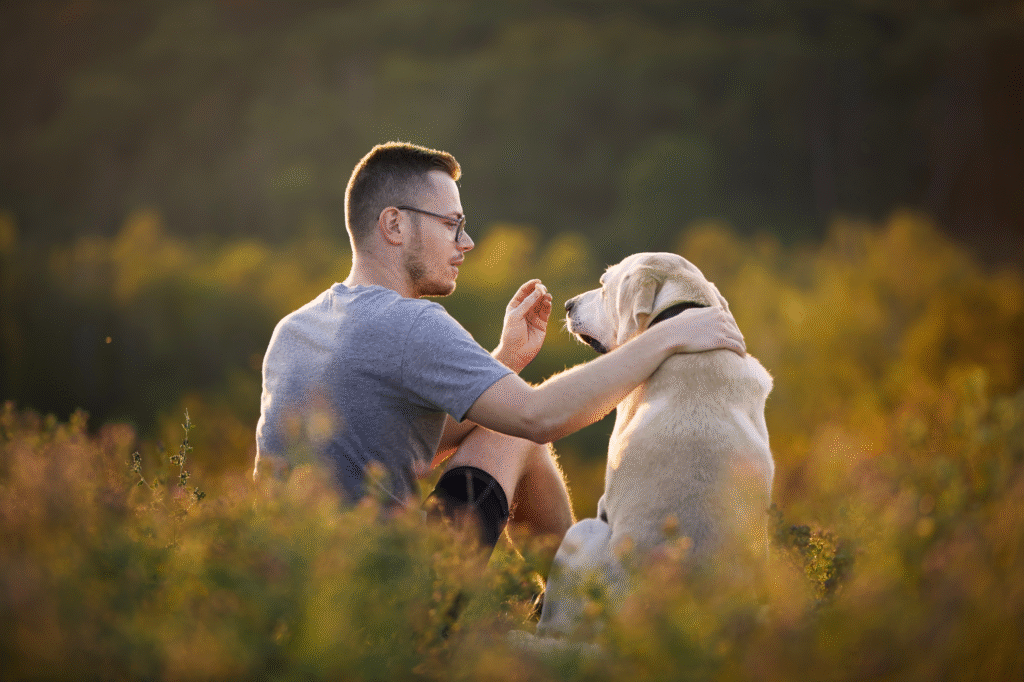
Labs are famously affectionate, and that closeness comes with a cost when their favorite person leaves. In a behavioral study examining separation-related behaviors in dogs, Labrador Retrievers were among the breeds frequently observed with anxiety when left alone, particularly during early developmental stages, according to research published by the National Library of Medicine. Their friendly, people-oriented nature means they thrive on companionship and routine. To ease the anxiety, establish gradual absences, provide mentally stimulating toys, and keep departures and reunions low-key. Labs adapt well—but only when consistency and gentle reassurance are part of the plan.
2. German Shepherds grow restless and anxious without constant interaction.

Bred for vigilance and teamwork, German Shepherds find solitude especially difficult. Their strong drive to protect and their loyalty make them prone to stress when separated from family members. When that protective instinct meets long hours alone, it can trigger pacing, whining, or destructive behavior. Structured exercise and mental work—tracking games or puzzle feeders—help channel their energy before absences. Over time, they can learn calm independence. The connection between their breed traits and separation stress was highlighted by behavior experts at Great Pet Care, who listed German Shepherds among the breeds most prone to separation anxiety.
3. Border Collies often overthink your absence and react to it.

Highly intelligent and sensitive, Border Collies tend to fixate on patterns—including when their owners come and go. If those patterns break, stress builds quickly. Their intense need for purpose and stimulation leaves them vulnerable to anxiety-driven chewing or digging when bored. Daily enrichment—herding games, scent trails, or short training sessions—can make a huge difference. As stated by a behavioral survey reported by Frontiers in Veterinary Science, Collies ranked among the breeds with higher rates of separation-related stress. The smartest dog in the room can also be the most sensitive when their favorite person walks out the door.
4. Bichon Frises crave closeness and dislike being alone.
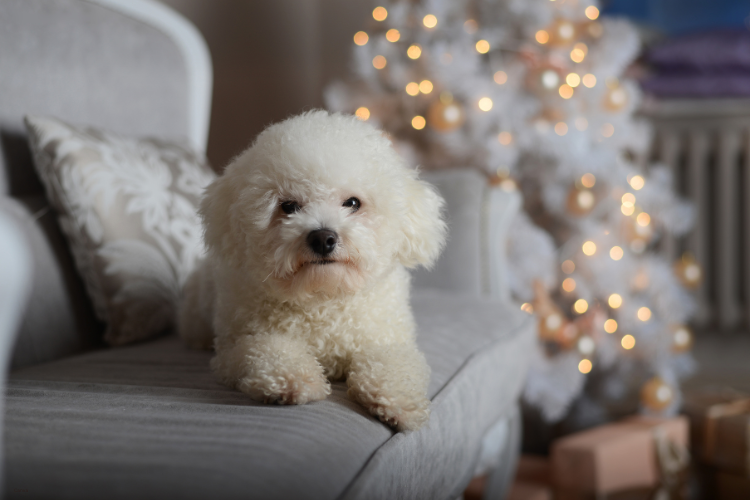
Once pampered lapdogs for European nobility, Bichon Frises were literally bred to stay close to humans. That history shows up today as clingy attachment and emotional distress when their people leave. These small, social dogs can vocalize, pace, or soil indoors if their anxiety isn’t managed. Building independence through short training absences and leaving behind comfort scents—like a worn T-shirt—helps reassure them that solitude is temporary. Positive reinforcement and gentle exposure to being alone are essential for their emotional balance.
5. Vizslas experience anxiety when their human “pack” disappears.

Nicknamed “Velcro dogs” for a reason, Vizslas attach themselves closely to one or two family members. Their origins as hunting companions explain why they prefer constant companionship. Without it, they may bark, scratch doors, or show restlessness until their person returns. Giving them structured exercise before leaving, along with a safe space and interactive toys, helps reduce stress. Regular socialization and crate training early in life can prevent anxiety from deepening into destructive habits.
6. Australian Shepherds feel abandoned when left without purpose.
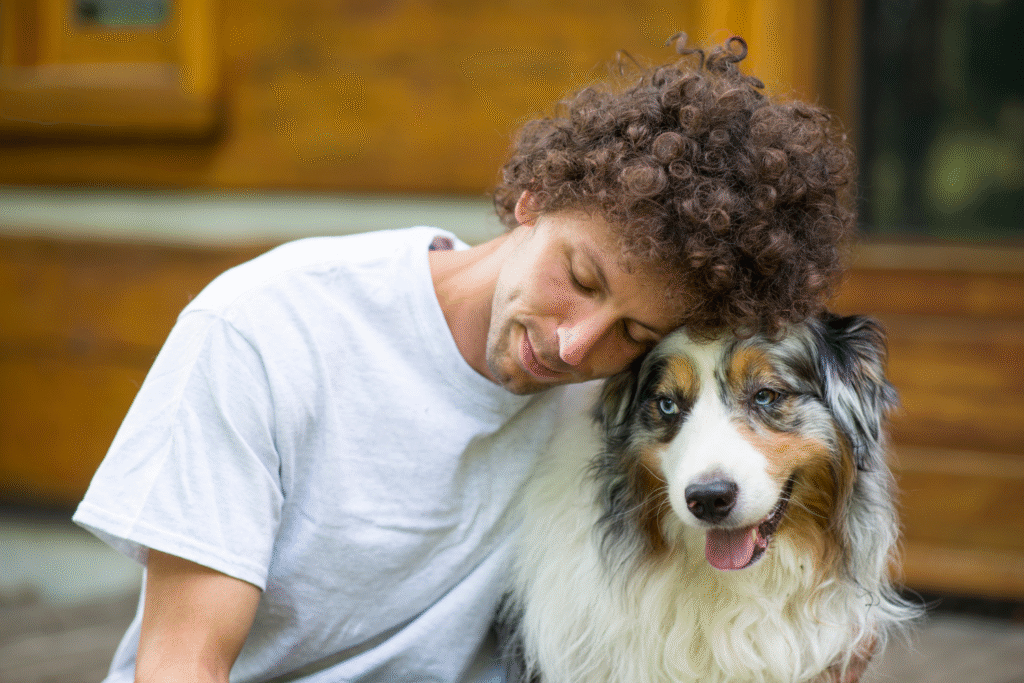
Aussies are working dogs through and through. Take away their job, and they’ll invent one—often involving furniture rearrangement or window barking. Because they thrive on mental challenges, lack of stimulation quickly breeds frustration and separation stress. Before you go out, provide puzzles, scent games, or long walks. Their anxiety tends to fade when their energy finds a productive outlet. Structured routines also reinforce predictability, which keeps this bright herder more settled when left alone.
7. Cocker Spaniels become deeply attached and struggle with solitude.

Sweet-natured and people-driven, Cocker Spaniels often panic when left behind. Their affectionate temperament, once prized by hunters and families alike, can morph into neediness if independence isn’t built early. Many owners report pacing, howling, or destructive chewing when departures last too long. Early desensitization—leaving briefly, then gradually extending absences—helps them adapt. Calm greetings and consistent schedules also prevent escalation of anxious behavior over time.
8. Dachshunds show anxiety that often turns destructive when ignored.

Small but emotionally intense, Dachshunds dislike being left without reassurance. Their strong pack instincts and protective streak often surface as barking or digging when alone. Setting clear routines, using interactive feeders, and giving them scent-based games can curb their anxiety. Because they bond closely with one person, switching caregivers occasionally helps them learn flexibility. Structure and stimulation turn these stubborn charmers into more confident companions during alone time.
9. Chihuahuas overreact emotionally when their owner leaves the room.

These tiny dogs are all heart—and that heart often struggles with separation. Many form hyper-attachments, shadowing their owners from room to room. When suddenly alone, they may cry, tremble, or engage in repetitive behaviors. Teaching them confidence starts with small independence exercises: having them stay in another room for a few minutes, rewarding calmness, then gradually extending it. Building boundaries early makes for a more relaxed Chihuahua later in life.
10. Yorkshire Terriers can’t help feeling abandoned when isolated.

Yorkies, bred for companionship, often equate solitude with distress. They need reassurance that alone time isn’t rejection. Create a calm environment with background sounds—like soft music—and consistent pre-departure cues. Their high alertness also benefits from mental stimulation, so leaving food puzzles or a small window view can help. Over time, structured independence training transforms these anxious small dogs into surprisingly adaptable pets.
11. Miniature and Toy Poodles struggle when left out of daily activity.

Sensitive and intuitive, Mini and Toy Poodles bond closely with their humans and often mirror emotional states. They can become anxious if they feel excluded or uncertain about your return. Teaching relaxation on cue and rewarding self-soothing behaviors help rewire their response to solitude. Leaving scent-based comfort items or safe enrichment toys adds stability. With patience, these intelligent dogs learn that independence can coexist with connection.
12. Cockapoos combine two breeds already prone to anxiety.

A cross between Cocker Spaniels and Poodles, Cockapoos inherit the emotional depth and human-oriented nature of both parents. That makes them affectionate but also easily distressed when alone. Early social exposure, calm departure routines, and desensitization training prevent escalation. Leaving interactive feeders or a “quiet den” with familiar smells can help. Cockapoos thrive when they know absence is temporary and predictability is part of daily life.