
Indoor life rewires routines more than you think.
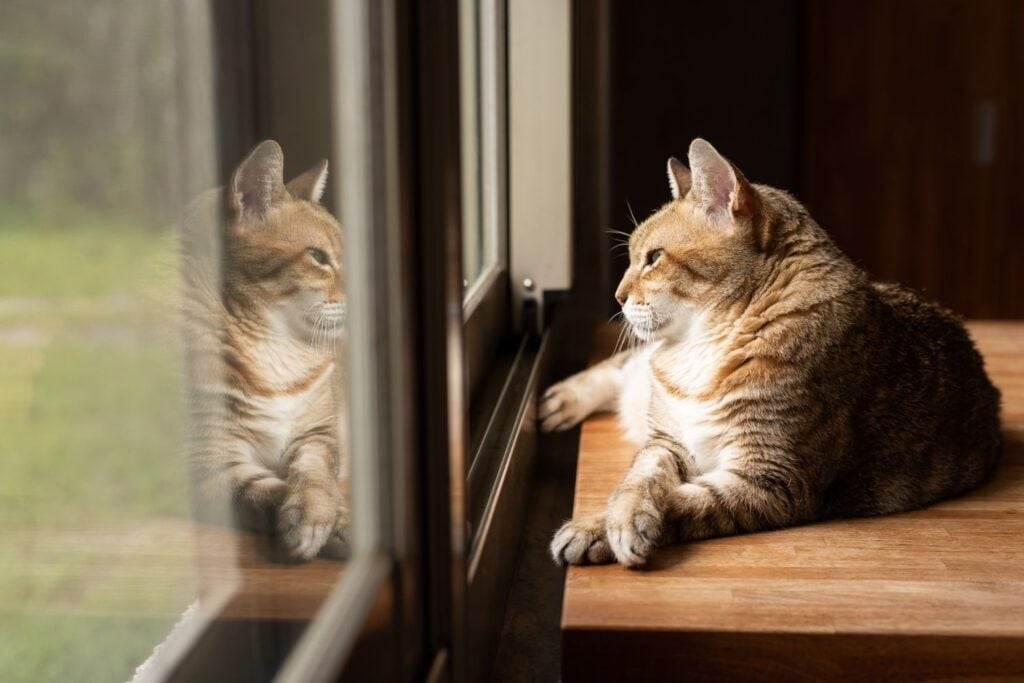
In a third floor walk up in Chicago or a high rise in Los Angeles, a cat’s territory can shrink to a few rooms, one front door, and a handful of windows. That smaller world does not automatically mean stress, but it does change how a cat moves, rests, plays, and reacts to noise. Indoor predictability can create comfort, yet tight space also magnifies friction. The result is a set of behavioral shifts that owners often notice gradually, then all at once.
1. Your cat becomes a strict route planner.
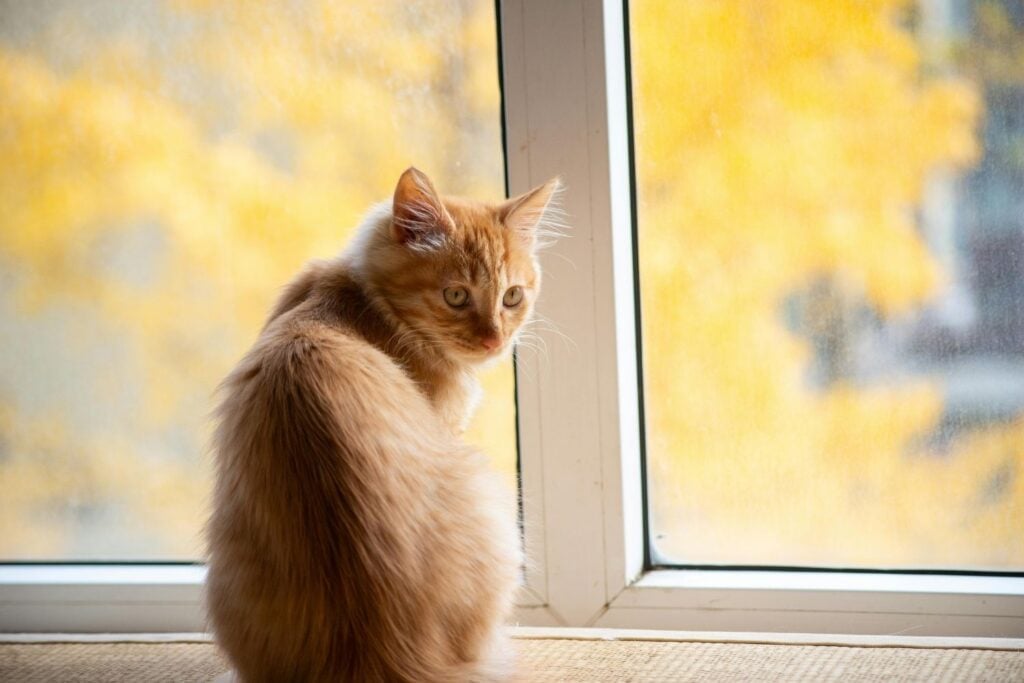
A smaller footprint encourages cats to build strong, repeatable paths. You will see the same loop from bed to bowl to window, then back again, like the cat is checking a personal checklist. When you move a chair, leave a suitcase in the hallway, or block a doorway with laundry, that interruption can feel bigger than it looks. In a limited territory, detours matter, and cats hate detours more than they hate change.
What follows is a stronger attachment to routines and preferred zones. Some cats get clingier to a certain room, others get possessive about a favored cushion, and a few become noticeably jumpy when their map is altered. Multiple resting and hiding options help soften this effect in small homes, as stated by International Cat Care in its guidance on making a home cat friendly.
2. Vertical territory starts doing heavy emotional work.
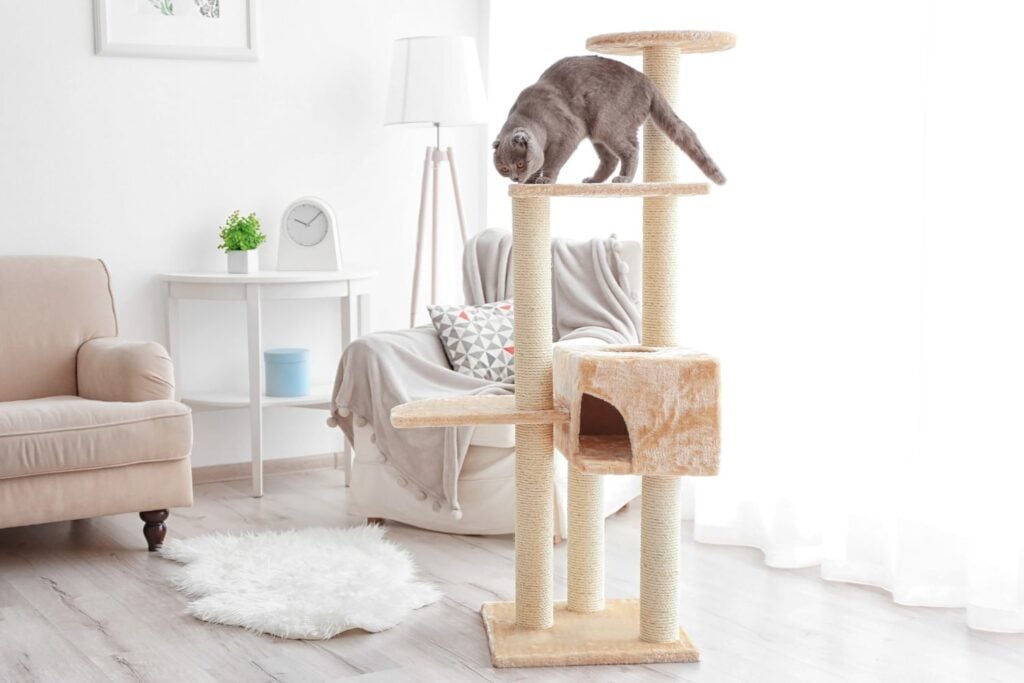
Floor space runs out quickly in an apartment, but vertical space can multiply the usable world. A window perch, a tall cat tree, or a cleared bookshelf top becomes a safe observation deck. Many cats settle faster when they can watch movement from above rather than being surprised at ground level. Height gives distance without isolation, which is a big deal when the home has constant human activity.
This changes social behavior too. In multi cat apartments, elevated choices let one cat exit tension without a chase scene. In one cat homes, perches can reduce attention seeking and night zoomies because the cat has a satisfying place to monitor the environment. You might notice fewer ambush games in the hallway once the cat has a reliable lookout spot. Creating vertical options is a core enrichment strategy for indoor cats, according to the American Animal Hospital Association indoor enrichment guidance.
3. Litter box habits become more sensitive to placement.
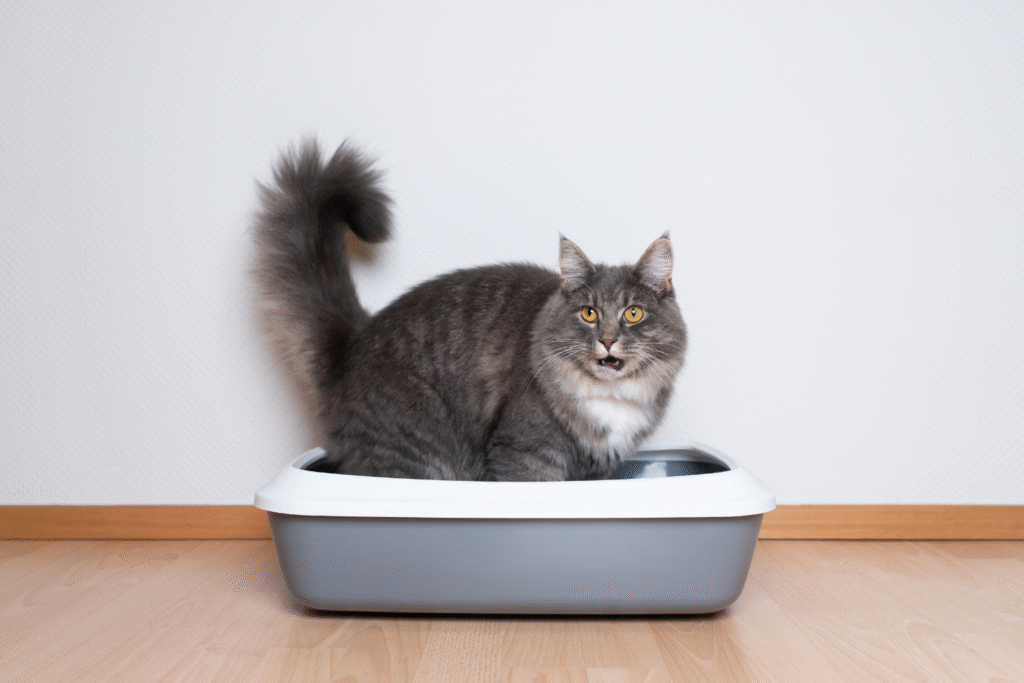
When a cat lives indoors full time, the litter box becomes the only bathroom option, so small annoyances matter more. Many apartments force boxes into tight corners near laundry, loud plumbing, or busy hallways. That setup can make a cat feel rushed or exposed. One sudden noise during elimination, a neighbor slamming a door, a toilet refill, and a cat may start hesitating, hovering, or seeking a quieter alternative.
Owners often read this as stubbornness, but it is usually comfort and privacy. In compact homes, there may be fewer low traffic locations, so you see stress expressed as selective box use, more frequent checking, or occasional accidents near the box. Privacy, cleanliness, and enough boxes for the household are emphasized in the AAFP and ISFM Feline Environmental Needs Guidelines, which note that toileting areas should be in quiet, private locations.
4. Window watching can turn into a daily obsession.
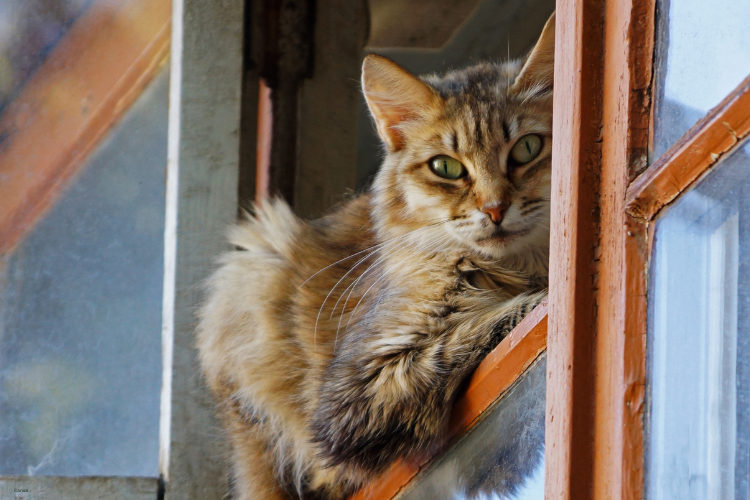
In an apartment, the window becomes the main portal to the outside world, and cats can get very invested. A bird feeder across the courtyard, a delivery driver on the sidewalk, or a neighbor’s dog on a balcony can hold a cat’s attention for hours. Some cats look calmer with this entertainment, but others become more reactive, with tail twitching, chattering, and sudden bursts of energy that spill into play biting or redirected swats.
That intensity makes sense when you remember the cat has fewer other sensory outlets. If the view includes stray cats or territorial neighborhood toms, the window can become a boundary line the cat feels compelled to patrol. You might see a cat guard a sill, block other pets from approaching, or sleep lightly so it does not miss movement. The apartment stays the same, but the window delivers new drama each day, and cats adapt by assigning it real importance.
5. Shared building noise raises baseline vigilance.
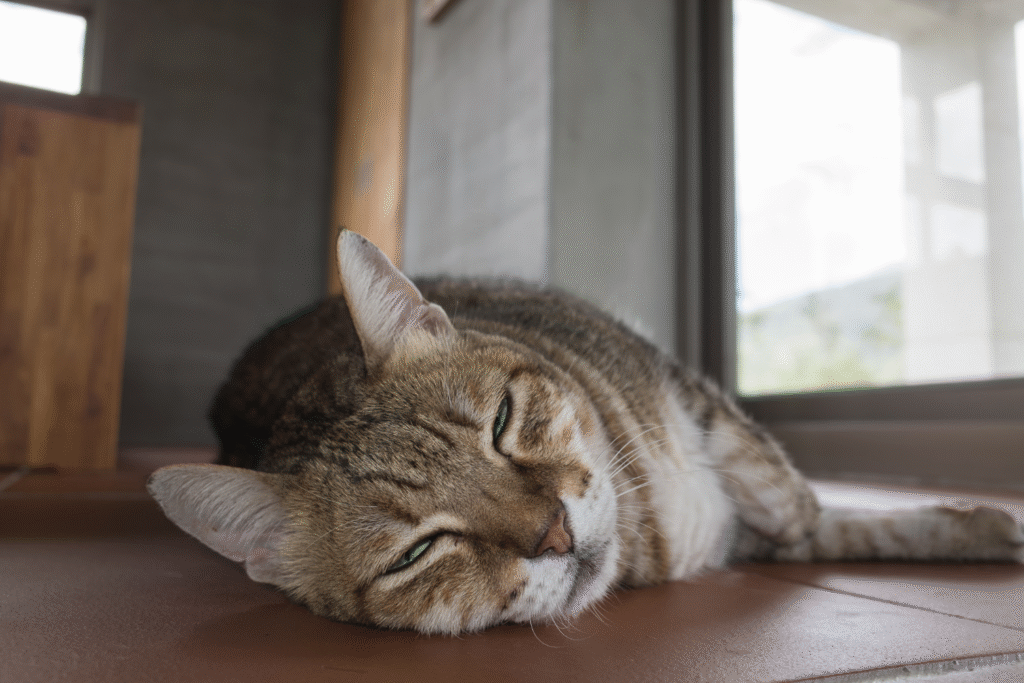
Apartments come with a soundtrack. Footsteps overhead, elevator dings, hallway conversations, garbage chutes, dogs barking through walls, and the occasional late night argument next door. Cats hear more than we do, and they learn patterns quickly. Some become excellent at predicting when noise will spike, choosing hiding spots before the chaos begins. Others stay on alert longer, staring toward the front door when they hear keys or voices outside.
Behavior shifts show up as startle responses and sleep changes. A cat that once napped deeply may begin waking at every hallway sound. Another might avoid a room that shares a wall with a noisy neighbor. Many cats respond by increasing scanning behavior, more time perched, more time watching entry points, and a faster retreat reflex. Noise is not just annoyance for indoor cats, it can become a daily environmental pressure that subtly shapes temperament.
6. Play becomes bursty, sharp, and more frequent.
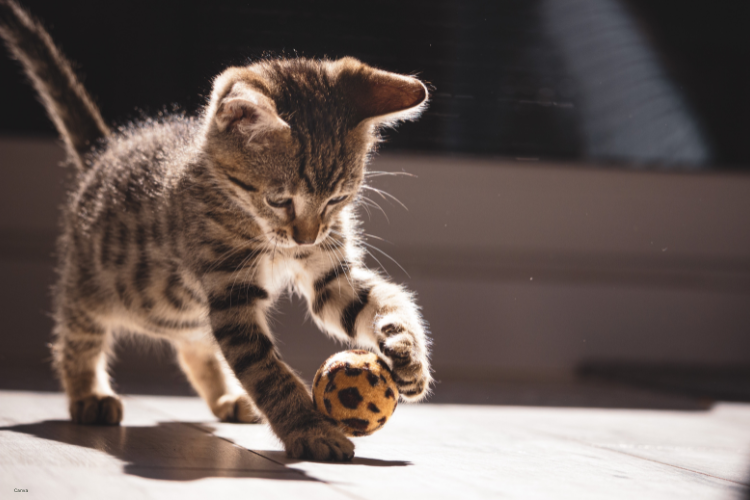
Cats built for hunting often adapt their play style to the space available. In an apartment, you may see shorter sprints, quick ambushes from behind furniture, and repeated pounces on the same route. Instead of one long chase, play comes in micro episodes, like the cat is squeezing exercise into short intervals. Owners sometimes interpret this as random chaos, but it is often a cat working with the runway it has.
This is also why novelty matters more indoors. A toy left out for a week can become invisible. Rotating toys, changing hiding spots for treats, or shifting play to different rooms can restart engagement fast. Many apartment cats also direct more play toward people, ankle stalking, tag along pounces, and attention grabs, because humans are the most unpredictable moving objects in the environment. Indoor play thrives when it is scheduled, not assumed.
7. Scratching turns into both therapy and messaging.
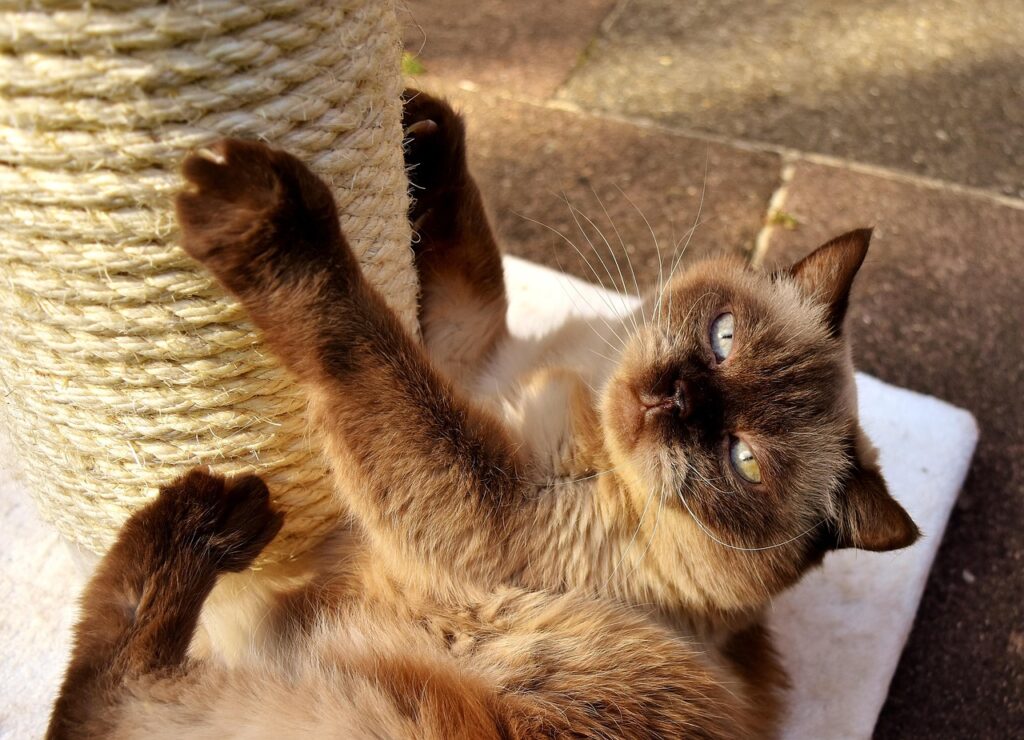
Scratching is not only about claws. It is stretching, stress relief, and a form of communication. In an apartment, scratching often concentrates around key zones, near the couch, by the bedroom door, or right at the entryway. Those are high value spots in a tight territory, and scratching helps a cat mark them with scent and visual signals. If the home is small, the cat may scratch more in fewer places because those places matter more.
You can also see scratching surge after disturbances. A loud hallway event, visitors, or maintenance noise can trigger a scratch session like a pressure valve. This is where placement matters. If the preferred scratching area lacks an appropriate surface, furniture takes the hit. Apartments magnify this pattern because there are fewer alternative outlets. A cat is not being naughty, it is regulating itself and reinforcing a sense of ownership in a compressed world.
8. Human attention becomes a bigger part of life.
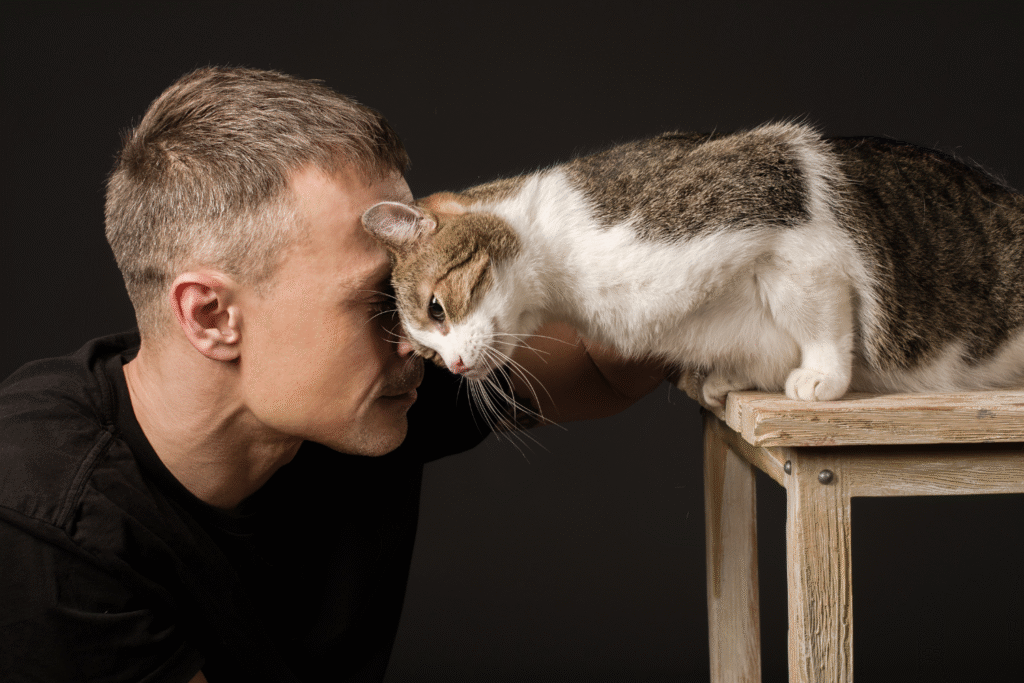
When the environment is mostly indoors, you become a main source of stimulation. Many apartment cats follow their person more closely, vocalize more, or initiate play more often, especially in the late afternoon and evening when the day feels long. The cat is not necessarily needy, it is simply treating you as the most interesting thing in the territory. If you work from home, this can intensify because your presence becomes a constant part of the landscape.
Departure routines can also gain weight. The sound of shoes, keys, or a closing door may trigger pacing or sudden affection, as if the cat is trying to delay the quiet stretch ahead. When you return, greetings can look more intense, more rubbing, more talking, more insistence. In apartments, social behavior often becomes sharper because there are fewer other novel events to dilute it.
9. Multi cat tension escalates without easy escape.
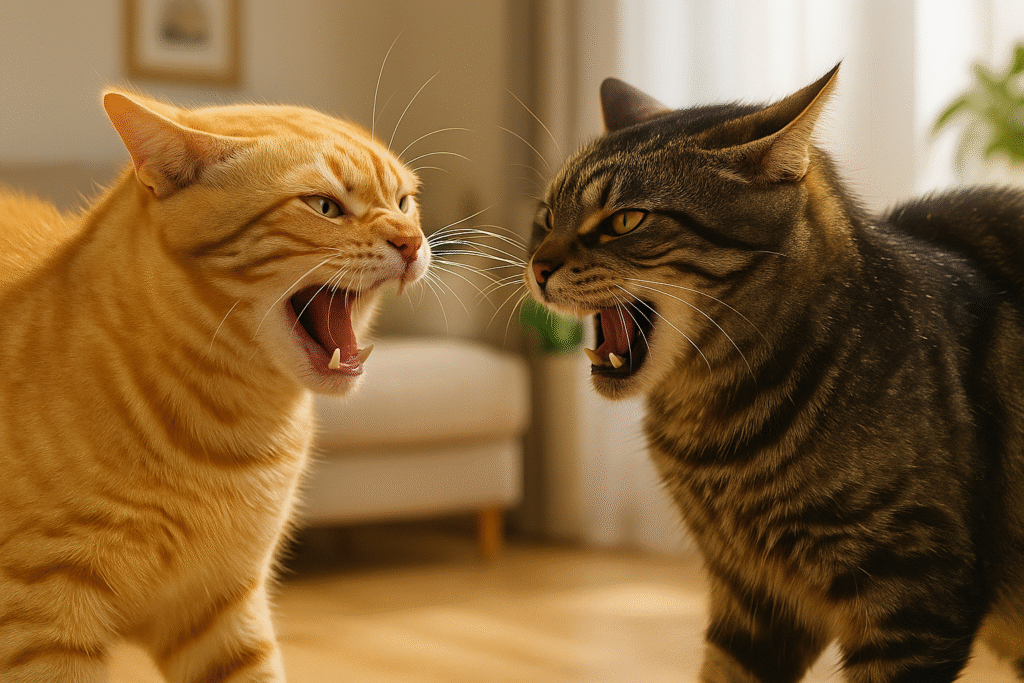
Two cats can share a small space peacefully for months, then one stressor flips the dynamic. A vet smell, a new neighbor pet, a strange cat seen through a window, and suddenly one cat starts blocking hallways or guarding resources. In a larger home, avoidance is easier. In an apartment, narrow routes force contact, and contact can quickly become conflict if one cat feels trapped or chased.
The signs are often subtle first. Staring contests, slow stalking, silent cornering, or one cat choosing higher ground to control movement. Then come the obvious signs, swatting, yowling, or litter box avoidance when a cat fears being ambushed. This is why duplicate resources matter so much indoors, multiple water stations, more than one resting area, and enough litter boxes. Tight territory does not create aggression by itself, but it reduces options for de escalation.
10. Night behavior shifts when the home stays static.

Many apartment cats become more active after dark, not because they are misbehaving, but because the environment finally quiets. Hallway noise drops, neighbors settle, and the cat’s nervous system relaxes into exploration. If a cat spent the day scanning the window or listening for building sounds, nighttime can become the preferred time to play, patrol, and seek interaction. Owners often label this as random 3 a m energy, but it can be a predictable response to daytime stimulation.
Indoor lighting also plays a role. Bright screens, late night lamps, and irregular human schedules can blur the cat’s sense of day and night. Some cats shift naps earlier, then wake when people want sleep. Adding structured evening play, a final feeding, and a calm wind down routine can help, but the bigger truth is simple. Apartment living can compress daytime variety, and cats often create their own variety when the building finally gets quiet.