
New data from across the Arctic is forcing scientists to look twice.

The Arctic, once ruled by silence and stability, is unraveling at an astonishing rate. New findings reveal that seal populations are declining faster than researchers can document, as melting sea ice dismantles breeding grounds, nurseries, and vital feeding routes. This crisis extends far beyond wildlife, affecting entire ecosystems and Indigenous communities that depend on them. The rapid pace of change unfolding in the far north is both environmental and existential, revealing how fragile life becomes when the planet’s thermostat breaks.
1. Sea ice decline is erasing crucial breeding platforms for seals.
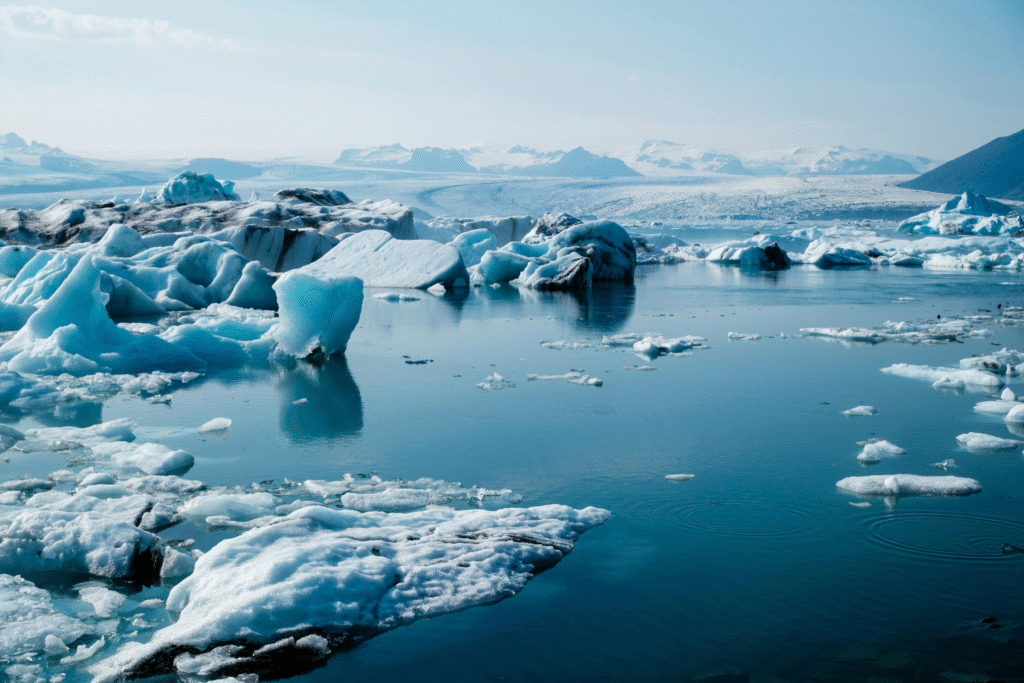
The shrinking of sea ice has stripped Arctic seals of the stable floes where they give birth and raise their pups. According to the International Union for Conservation of Nature (IUCN), multiple species including ringed and bearded seals are now classified under higher threat levels due to habitat loss. Ice that once remained intact through spring now fractures too early, leaving newborn pups exposed to predators and cold water. As birthing sites disappear, population numbers fall, and migration patterns shift northward in an effort to find conditions that no longer exist.
2. Feeding grounds are drifting out of reach, exhausting seal populations.
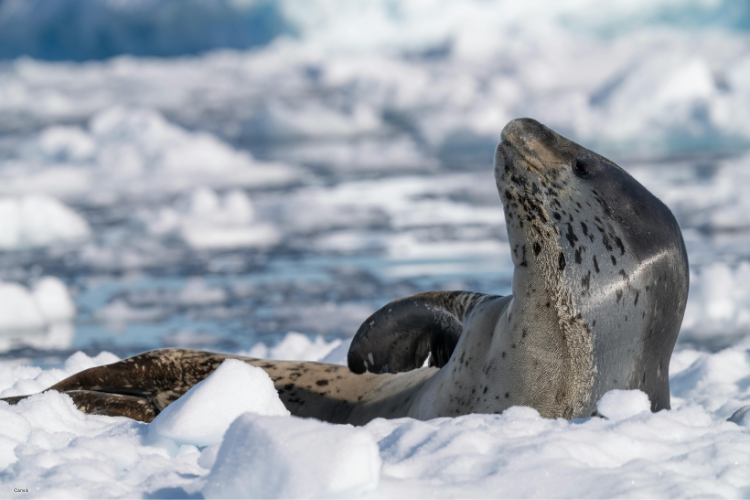
The vanishing ice is also removing access to once-reliable feeding areas. As stated by researchers, seals are now traveling longer distances and diving deeper to find fish that have moved with warming waters. Each extra mile burns energy once reserved for reproduction and recovery. Malnourishment weakens adults, lowers pup survival, and reduces the resilience of entire colonies. Over time, fewer healthy individuals means fewer successful births. The decline in seal strength and stamina marks an early stage of ecosystem unraveling that radiates across the entire Arctic food web.
3. Arctic warming is accelerating four times faster than the global average.
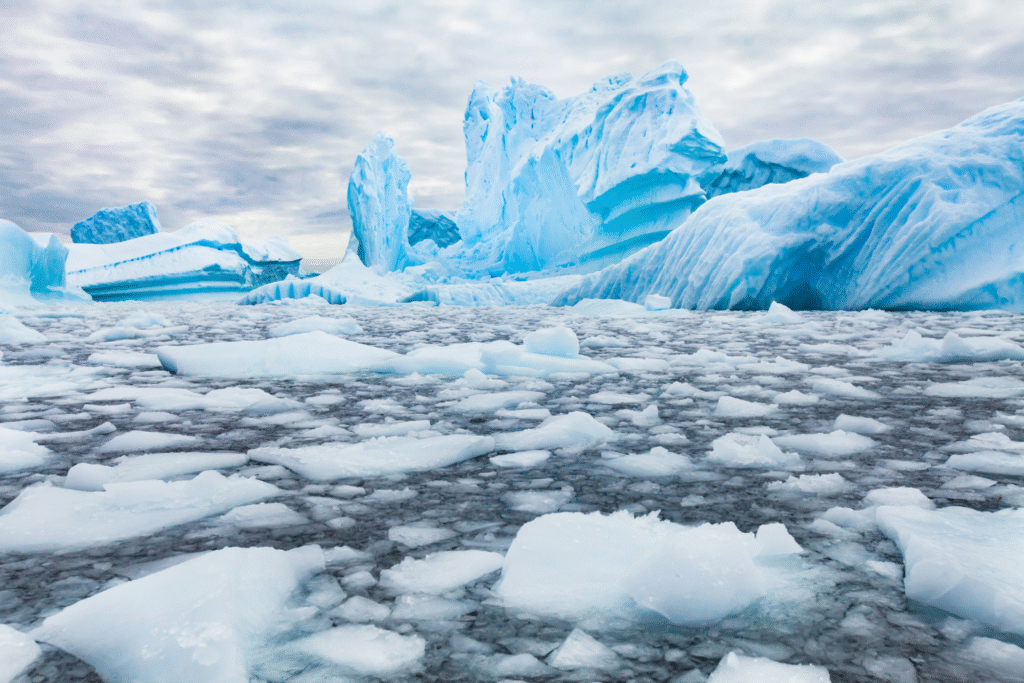
As discovered by scientists from the National Oceanic and Atmospheric Administration (NOAA), air and ocean temperatures in the Arctic are rising far faster than anywhere else on Earth. This rapid warming prevents sea ice from reforming on schedule, destroying the predictability that seals depend on for breeding and migration. The loss of seasonal rhythm forces them to adapt behaviors shaped over millennia in just a few decades. When ancient instincts fail, survival becomes guesswork. Each year of delayed freeze shortens the window for life to recover, pushing the ecosystem closer to irreversible change.
4. Expanding human activity is intensifying the strain on Arctic wildlife.
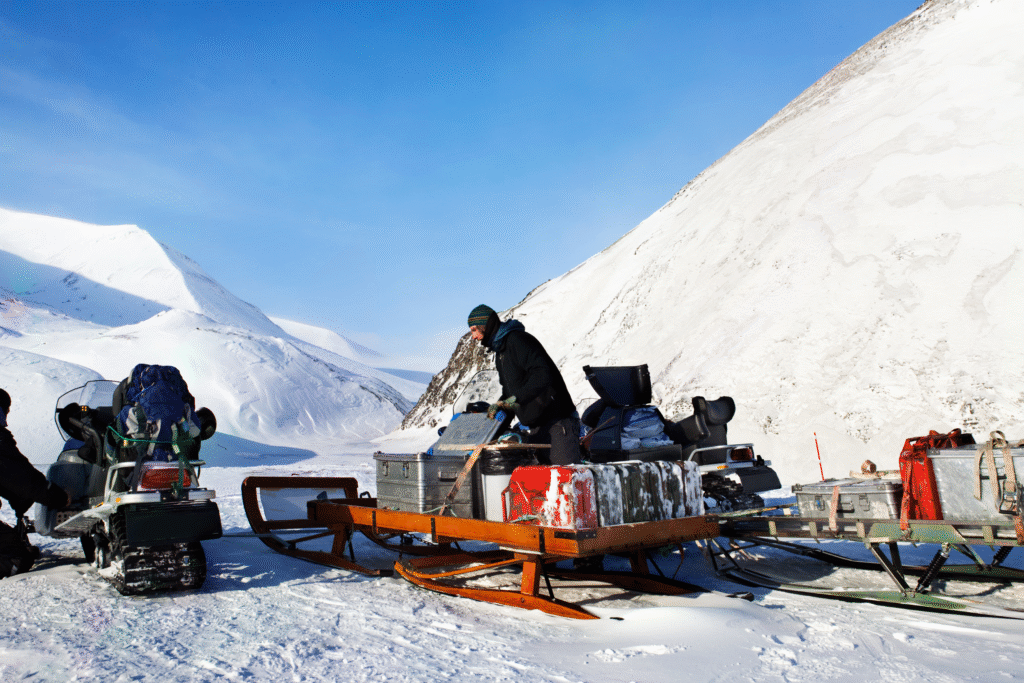
With retreating ice has come a surge in shipping traffic, resource extraction, and industrial noise in previously inaccessible waters. The hum of engines now replaces the stillness that once dominated the Arctic. Seals depend on quiet to detect predators and navigate; sound pollution and oil exploration disrupt those cues. Entanglement in fishing gear and exposure to fuel leaks add further danger. The irony of this expansion is profound, as fossil fuels melt the ice, the newly opened routes created by that melt are exploited for more of the same.
5. The seal decline is fracturing an entire Arctic food chain.

The fall in seal populations is reverberating through the ecosystem. Polar bears, orcas, and Indigenous communities all rely on seals for sustenance or livelihood. When seal numbers drop, predators lose key prey, and fish populations fluctuate without balance. What once functioned as a stable web now swings unpredictably from scarcity to collapse. Traditional hunting practices, refined over centuries, are disrupted, leaving northern communities with cultural and nutritional losses that mirror the environmental ones. Each missing seal ripples outward into a larger pattern of imbalance that extends across ocean and ice.
6. Conservation efforts are struggling to keep pace with vanishing ice.

Conservation strategies built for gradual change cannot match the rapid transformations underway. Protecting breeding grounds is no longer enough when those areas vanish in a single melt season. Scientists are experimenting with mobile tracking and seasonal refuge zones, yet these measures remain temporary solutions. The pace of climate disruption has outstripped conservation’s traditional tools. Without substantial emission reductions and global cooperation, the Arctic may continue transforming faster than protection plans can evolve, leaving little chance for natural recovery or adaptation.
7. Counting the remaining populations is now a race against time.

Reliable data once depended on aerial surveys and satellite imagery capturing seals resting on ice. As floes thin and scatter, those counts grow less accurate. Drones and acoustic sensors are being used, but conditions shift faster than technology can keep up. Entire breeding regions vanish between survey seasons. The result is a population trend that may be worse than recorded. Without dependable numbers, conservation planning becomes guesswork, and the decline of the Arctic’s most iconic species continues largely unseen.
8. The disappearance of Arctic seals signals a planetary warning.
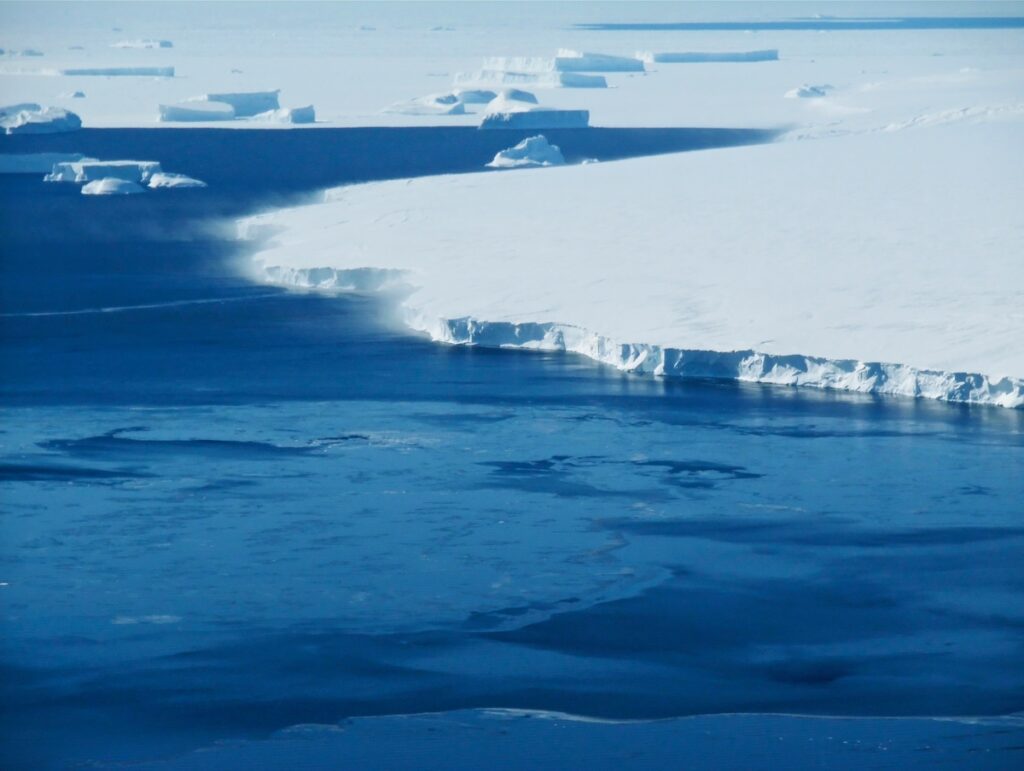
The vanishing of ice-dependent seals is more than a regional concern; it marks a turning point for global climate stability. The Arctic acts as Earth’s cooling system, reflecting sunlight and storing carbon beneath frozen seas. As ice melts, the region absorbs more heat, accelerating warming worldwide. Each lost seal represents the collapse of a mechanism that once helped regulate the planet’s balance. The disappearance of these animals is not an isolated tragedy but a signal that the system built to sustain life is faltering.
9. Diseases are spreading into the Arctic as waters warm.

Pathogens once limited to lower latitudes are now reaching Arctic waters as sea temperatures rise. Parasites, bacteria, and viruses previously blocked by cold conditions are infecting weakened seal populations already stressed by hunger and habitat loss. Scientists have detected traces of avian influenza and morbillivirus in seal carcasses in regions where such infections were once rare. Warmer water acts as both a highway and an incubator, allowing disease to move faster than the ice can retreat. This biological invasion compounds an already dire environmental crisis, eroding resilience from within.
10. Indigenous communities are witnessing generational change firsthand.
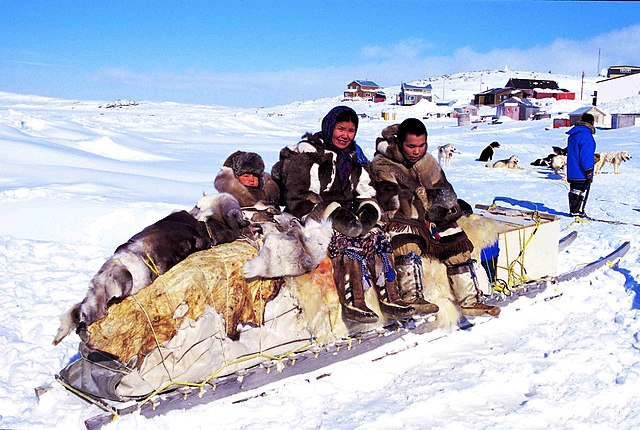
For Arctic Indigenous peoples, the loss of seals is not just ecological but cultural. Subsistence hunting, traditional clothing, and spiritual practices depend on healthy seal populations that have defined identity and survival for centuries. Elders in coastal Greenland and northern Canada report thinner ice, unpredictable migrations, and fewer animals near traditional hunting routes. These firsthand observations mirror scientific data but carry deeper emotional weight. As sea ice vanishes, traditions built around it fade too, showing that the collapse of Arctic ecosystems is as much a human story as it is a wildlife one.