
Torrential rains swept away homes and hope.
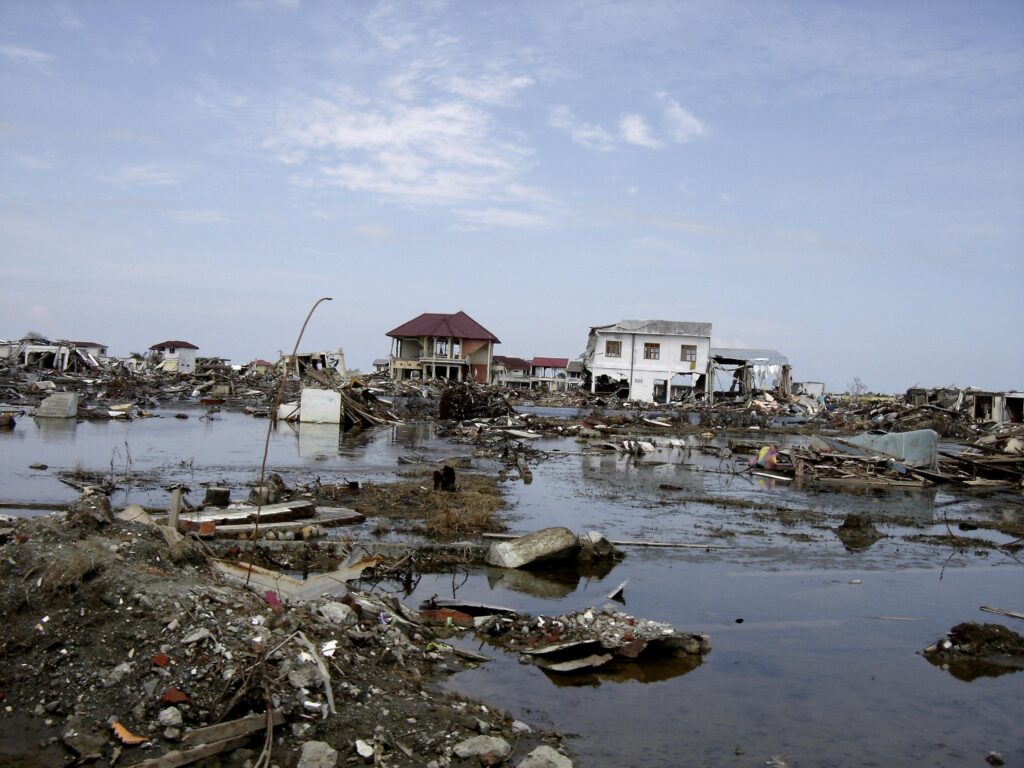
Relentless monsoon rains and a rare cyclone combined to unleash floods and landslides across Southeast Asia, triggering a humanitarian disaster of heartbreaking scale. Villages in Indonesia, Sri Lanka and Thailand were submerged, homes destroyed, and entire communities displaced. As floodwaters recede, rescue teams are racing against time to find survivors and deliver aid. The human cost continues to rise even as the region reels from nature’s fury.
1. More than a thousand people lost their lives.
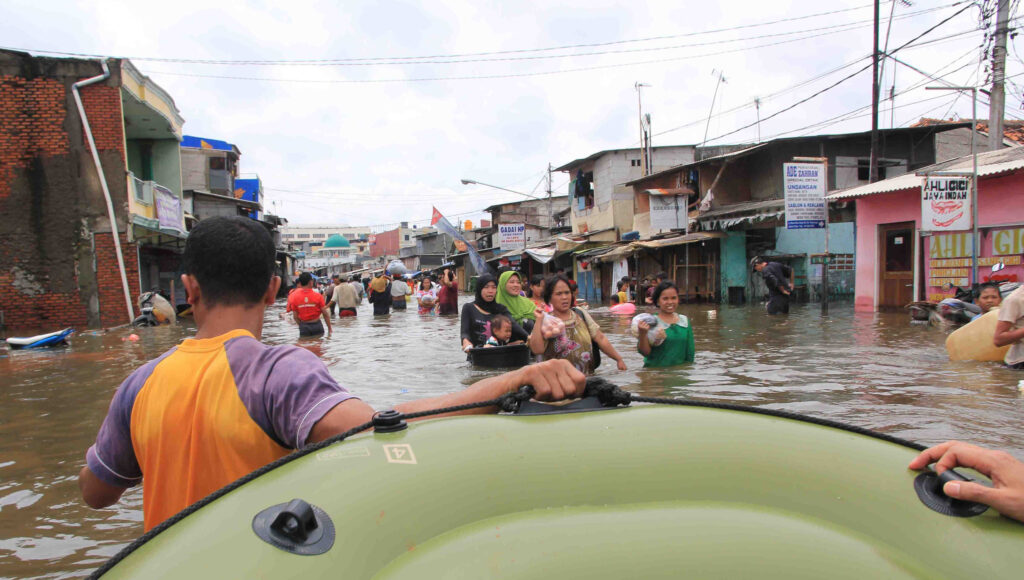
Authorities confirmed that the death toll across Indonesia, Sri Lanka and Thailand surpassed 1,100 after a week of floods and landslides. Indonesia’s disaster agency reported 604 fatalities with hundreds still missing, while Sri Lanka recorded 355 deaths and Thailand 176, as reported by Reuters. Entire families disappeared overnight, leaving communities in shock and mourning.
Many affected areas remain unreachable. Roads and bridges collapsed under floodwaters, hampering recovery. The missing number continues to grow as search operations challenge treacherous terrain.
2. Homes and villages were washed away completely.
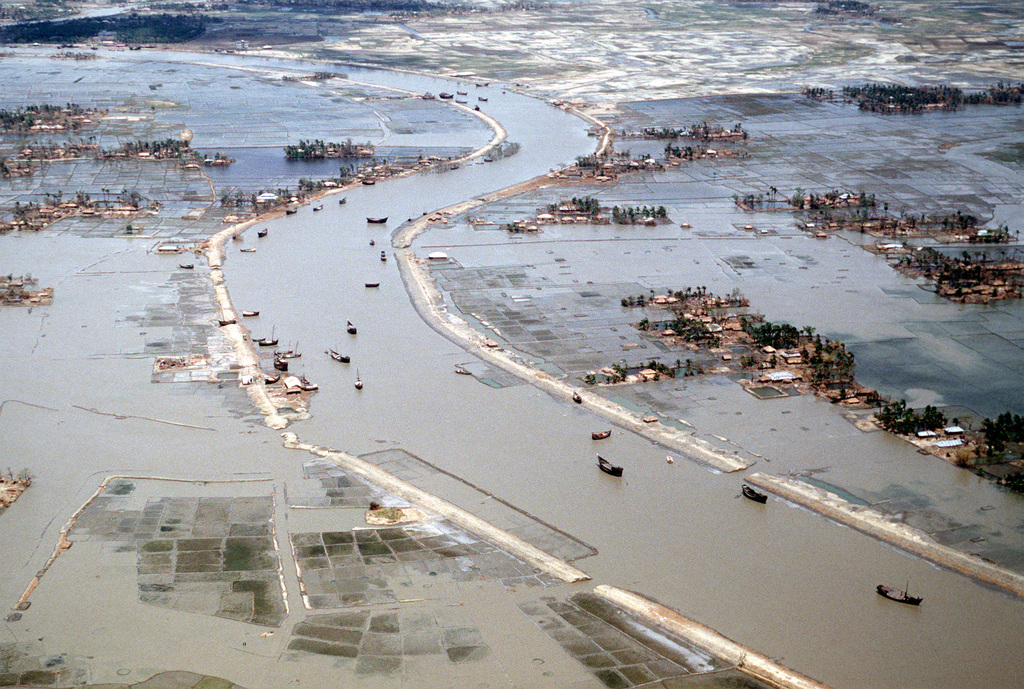
Floodwaters surged through Aceh, North Sumatra and West Sumatra provinces, sweeping away villages and leaving nothing but debris and mud in their wake. Entire towns disappeared beneath waves. Flood damage was worst in coastal and riverine zones where heavy rainfall accumulated rapidly.
Survivors describe returning to find foundations gone, walls collapsed, and possessions carried off. Temporary shelters now host displaced families — many lost everything and face uncertain futures.
3. Rescue operations struggled under harsh conditions.
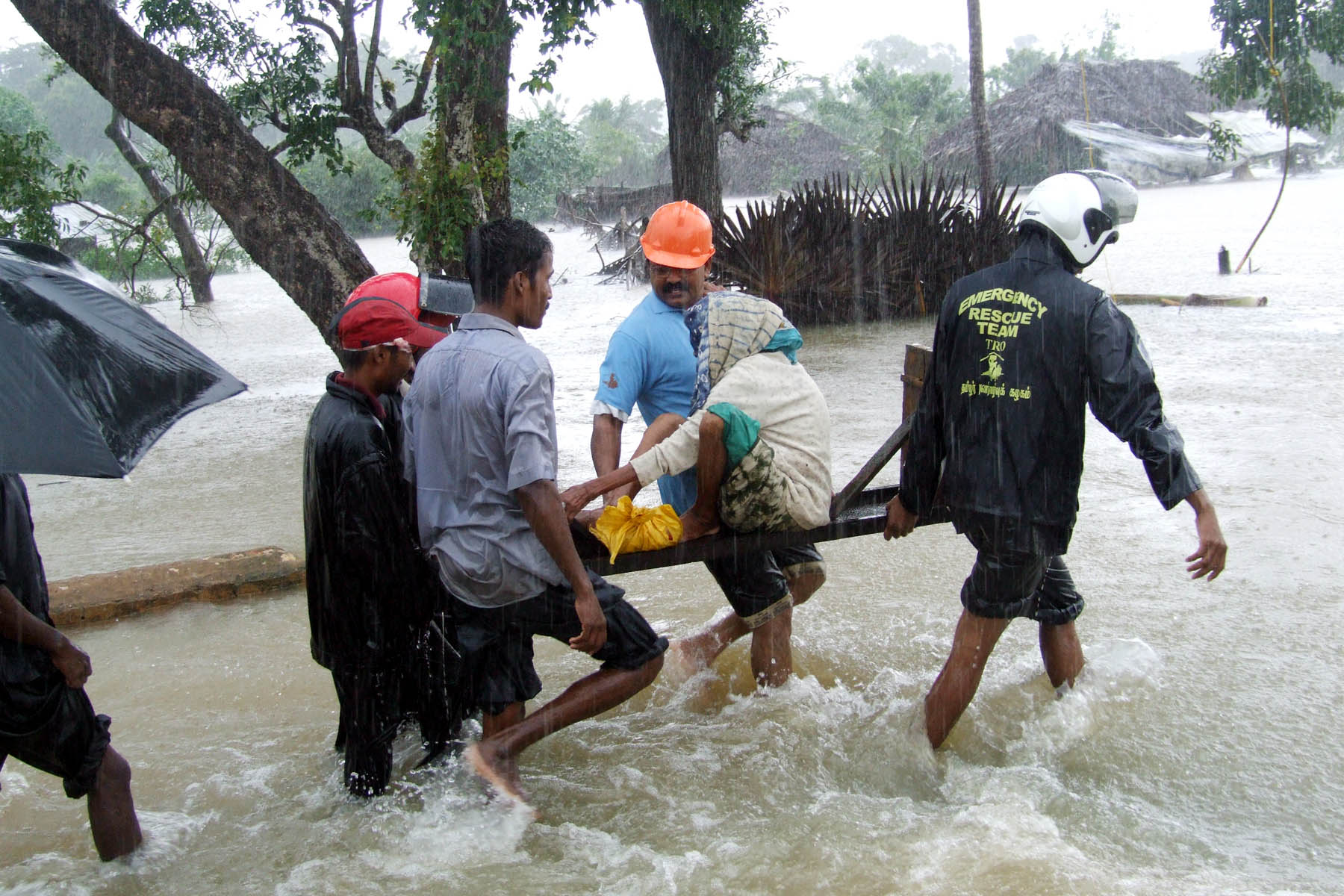
Local governments deployed military personnel and naval ships to reach isolated communities cut off by collapsed roads and floodwaters. In many cases, helicopters carried out evacuations where land transport was impossible, as stated by media covering the relief efforts. The scale of destruction overwhelmed resources.
Volunteers and first responders faced deep water, mudslides, and downed power lines. Some areas remained flooded for days, forcing teams to rely on boats and improvised rafts. Every hour counted for survivors still trapped under debris.
4. Millions were forced to flee their homes overnight.
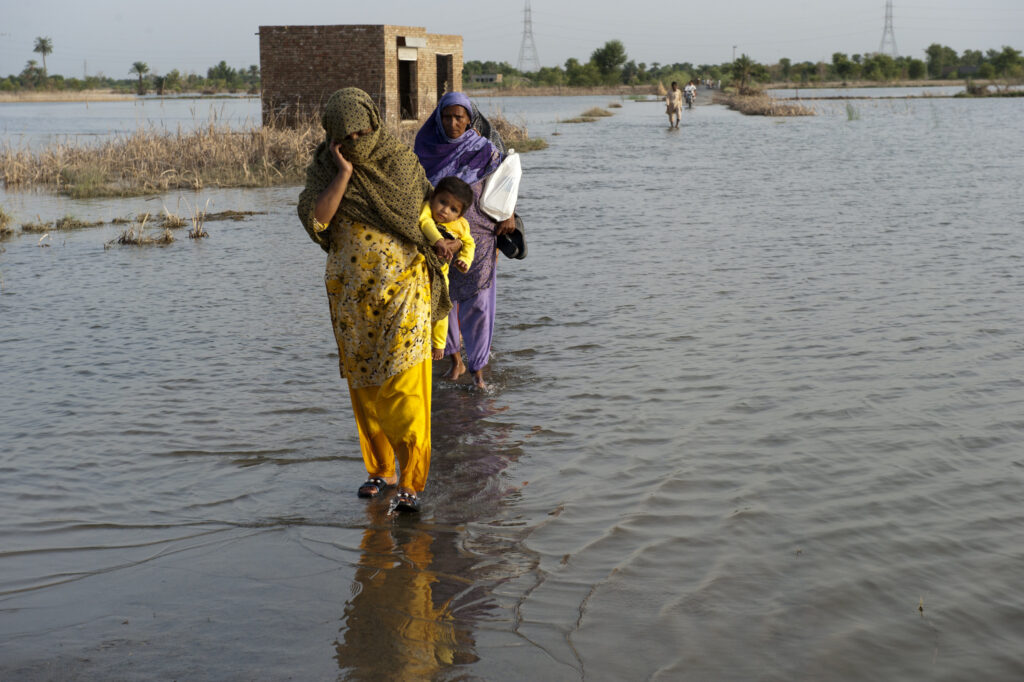
Displacement numbers surged as entire communities evacuate to higher ground or temporary shelters. Hundreds of thousands lost access to safe housing. Schools, roads and basic services were underwater or destroyed, leaving people homeless and exposed.
Families carried whatever they could salvage — often just small bundles of clothing or essentials. Many fled without documents, money or way to contact loved ones. The uncertainty deepened human suffering even beyond the floods themselves.
5. Water supplies became contaminated, threatening health.
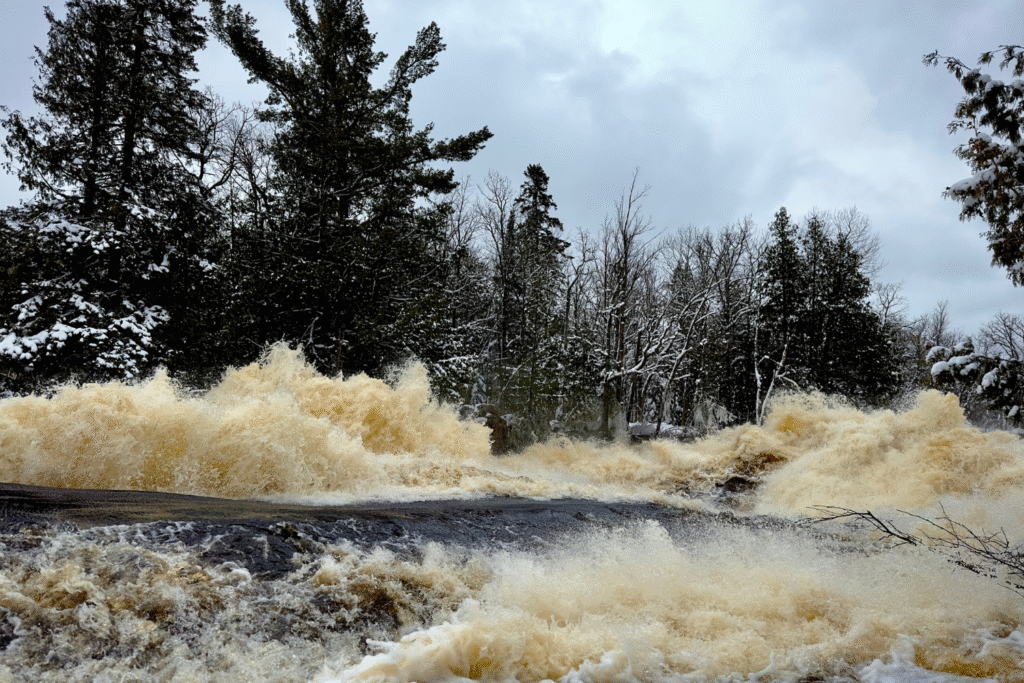
Floodwaters overwhelmed sewage systems and diluted clean water sources with debris, chemicals and pathogens. In several regions, drinking wells and municipal water supplies were declared unsafe. Reports of rising waterborne diseases began emerging almost immediately.
Health officials warned of outbreaks of cholera, diarrhea and skin infections as people drank and bathed in floodwaters. With many hospitals damaged or inaccessible, basic medical care became a critical priority for survivors.
6. Crops and farmland suffered massive destruction.
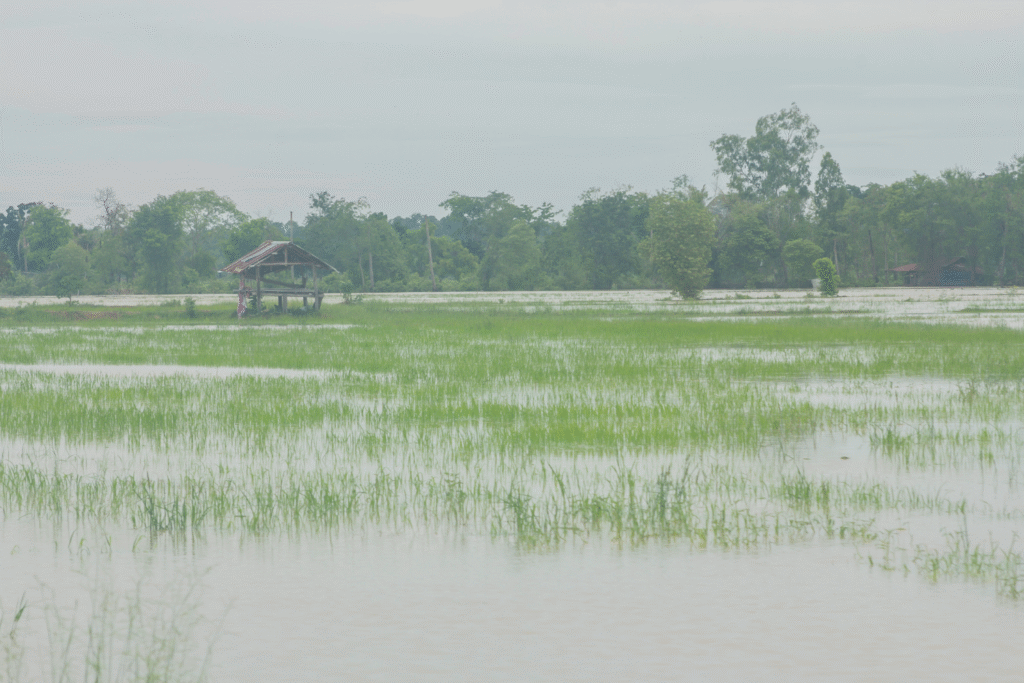
Fields across lowland areas were submerged, destroying months of work that farmers invested heavily to plant. Rice paddies, farms and orchards were wiped out, leaving entire communities dependent on agriculture without a harvest to sustain them.
Food insecurity surged as supply chains collapsed. Farmers lost their year’s yield, and markets ran low on produce. Many rural regions now face not only homelessness, but looming hunger as planting seasons approach with no seed or soil left hospitable.
7. Infrastructure damage set recovery back by years.
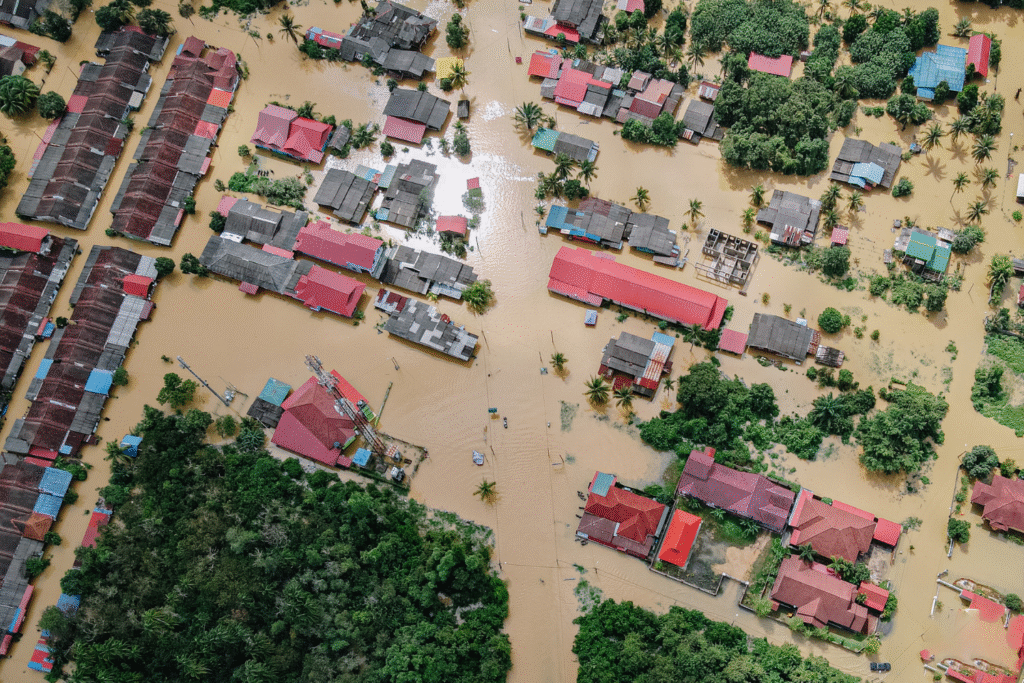
Bridges, roads, schools and power networks collapsed or flooded under the storm’s force. Communication lines were cut, complicating coordination of aid and relief. In remote regions, the loss of infrastructure meant no transport, no electricity and no access to outside help for days.
Rebuilding will take longer than officials initially hoped. The scale of damage across multiple provinces means that short-term fixes will not restore normal life. Entire regions may remain isolated until roads and utilities are fully repaired.
8. Displaced children and families face long uncertain futures.
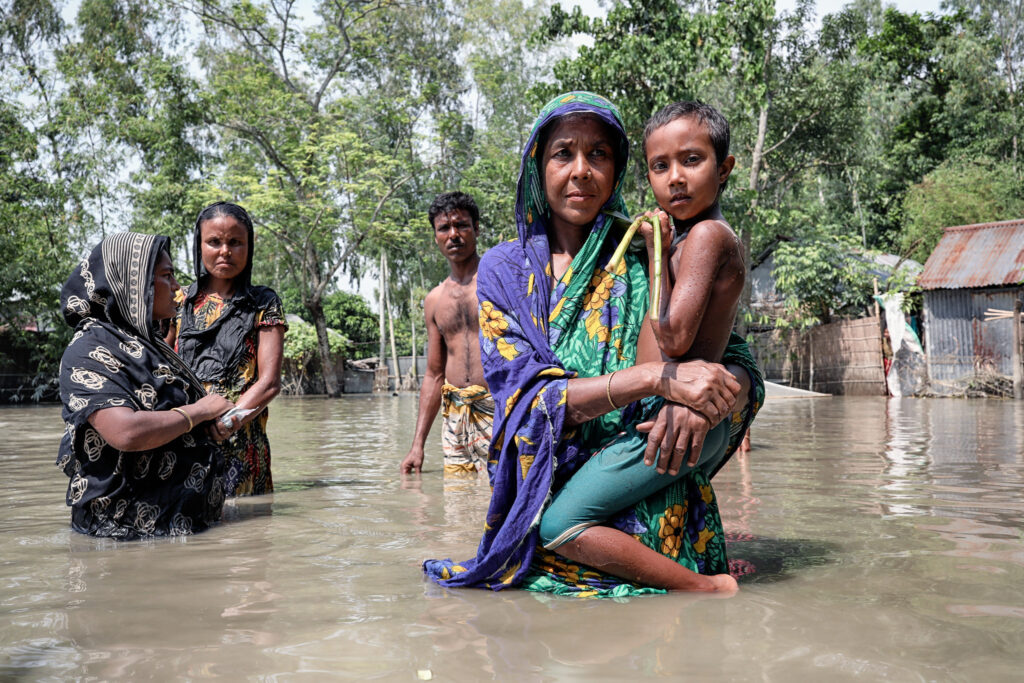
With homes destroyed and schools closed or damaged, many children lost not only shelter but also continuity in education. Families crowded together in shelters face shortages of food, hygiene and safety. Psychological trauma from loss and uncertainty weighs heavily.
Some communities may never recover fully. Loss of ancestral homes and farmland severs generational ties and erodes cultural roots. For many, what was once a stable home is now a memory blurred by floodwaters and grief.
9. Climate change worsened the intensity and reach.
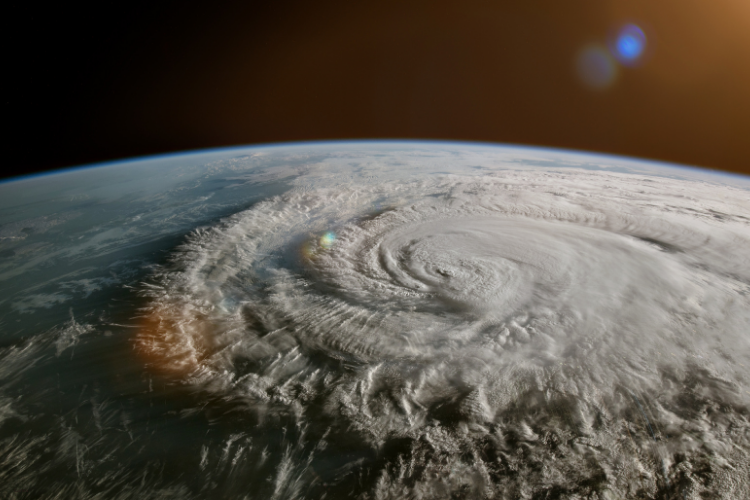
Scientists and aid groups agree that warming oceans and shifting monsoon patterns amplified rainfall, creating extreme precipitation events that overwhelmed natural defenses. As reported by climate experts, these flood events reflect a new normal for regions long accustomed to seasonal rain — the storms now carry far more water and strike more unpredictably.
Deforestation and land degradation added insult to injury. With fewer trees and reduced natural water absorption, floodwaters moved faster and with greater force, erasing communities before evacuation was possible.
10. Regional solidarity and global response are urgently needed.
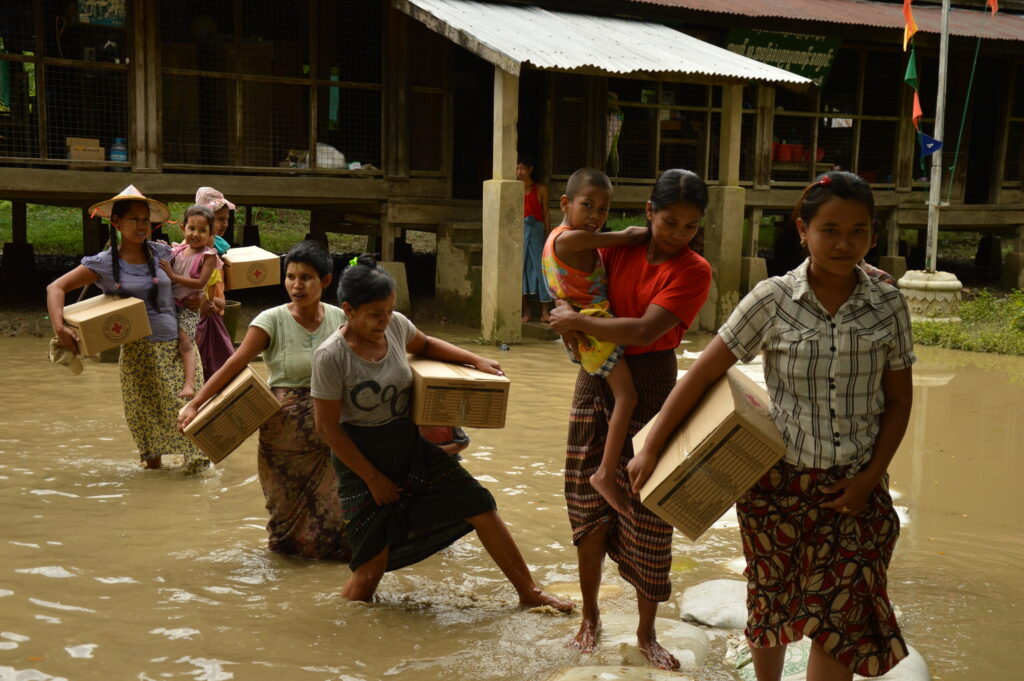
The magnitude of this disaster demands international aid, coordinated relief efforts and long term support for rebuilding. Governments are deploying soldiers, ships and aircraft, but the scale of damage demands much more. Communities need clean water, food, shelter and medical care at once.
Long term, rebuilding must include improved flood defenses, sustainable land use, and policies to address climate change. Without collective action, the devastation risks repeating itself — with even higher human tolls.