
New data shows the melt accelerating dangerously fast.

Across the Himalayas and the Tibetan Plateau, glaciers that once moved with the patience of geologic time are now retreating year by year with unsettling momentum. Satellite records, field measurements and climate models point to the same quiet acceleration. Entire river systems that rely on slow seasonal melt are entering a new rhythm, one that communities downstream were never built to withstand. The region’s glaciers have always shaped life in Asia, but their rapid decline is reshaping it in ways no one can ignore.
1. Recent satellite data shows melt rates surging unexpectedly.
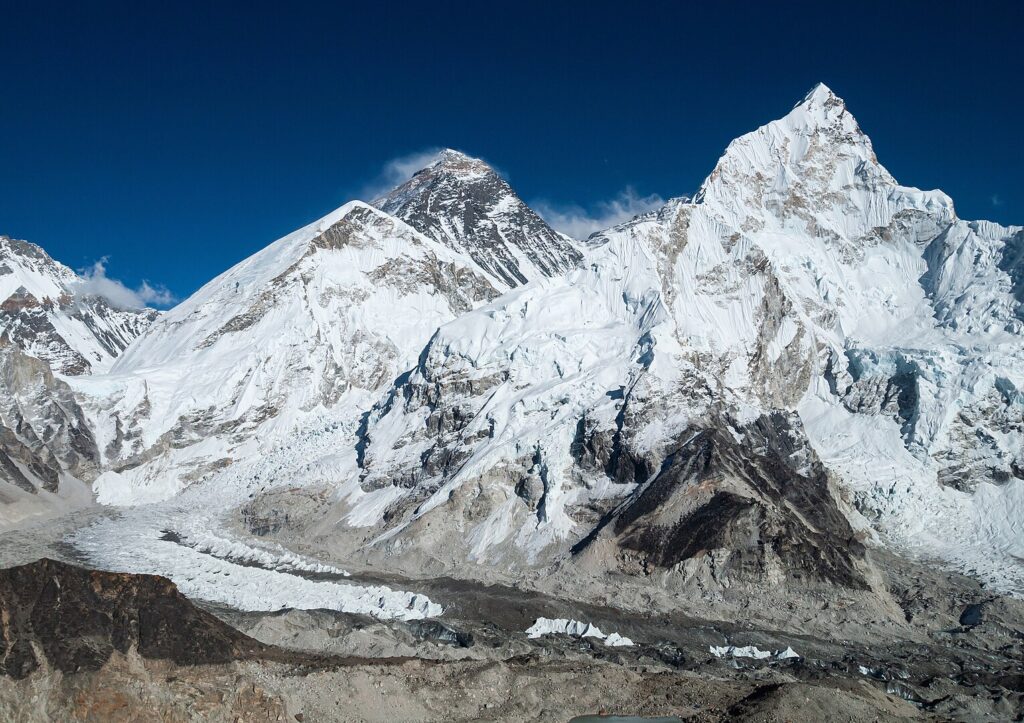
Scientists tracking the Himalayas and the vast Tibetan Plateau saw a sharp increase in glacial loss compared with earlier decades. According to NASA’s Earth Observatory, high resolution satellite imagery revealed thinning across major glaciers in Bhutan, Nepal and western China. The speed of this change surprised researchers who expected a more gradual decline. The imagery showed long stable ice surfaces collapsing into fragmented patches.
Field teams now compare satellite findings with on site measurements to refine melt estimates. Many of these regions lie at extreme elevations, making ground verification difficult yet increasingly urgent. Areas once covered with dense firn now reveal exposed rock and widening melt channels. These changes shift water availability for entire watersheds, influencing agriculture, power generation and drinking water supplies far beyond the mountains.
2. Himalayan glaciers are retreating more than previously modeled.
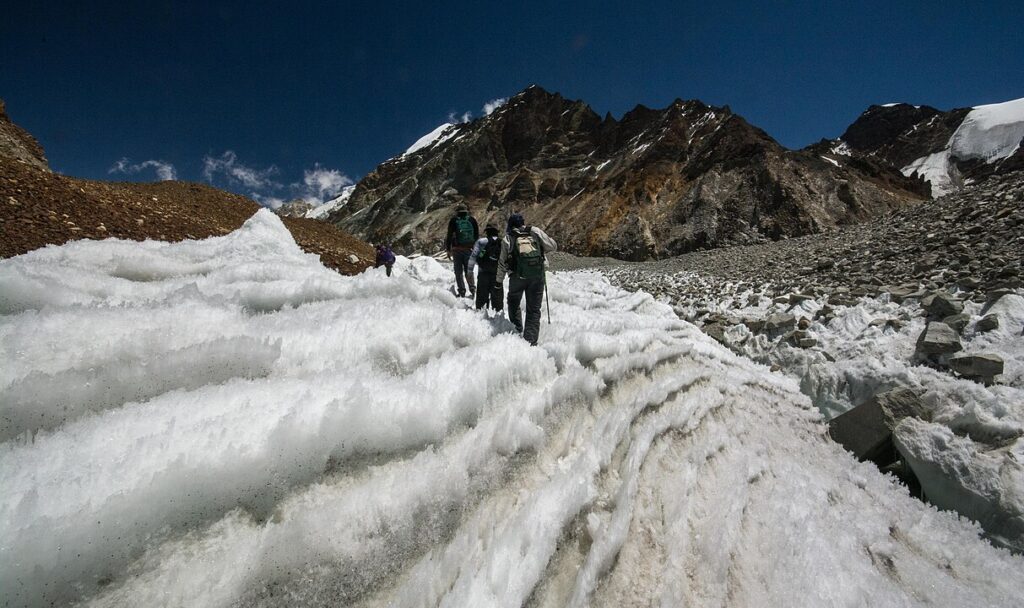
New analysis from the International Centre for Integrated Mountain Development revealed that glaciers across the central Himalayas are shrinking at rates exceeding earlier predictions. As stated by ICIMOD in recent climate assessments, even the highest altitude glaciers show signs of rapid thinning. Researchers attribute the acceleration to rising temperatures at elevations once thought immune to warming trends.
Communities who depend on predictable melt cycles now face unstable water flow during dry seasons. Sudden glacial lake expansions raise the threat of outburst floods that can strike with little warning. Scientists studying long term patterns believe the region has entered a new phase of instability. Each year of data redefines expectations of how quickly these ice reserves can change under sustained warming.
3. The Tibetan Plateau is losing ice crucial for major Asian rivers.

Often called the Third Pole, the Tibetan Plateau feeds rivers that support over a billion people. Recent glacier surveys documented significant retreat across source regions of the Yangtze, Yellow and Mekong Rivers. These changes were highlighted in United Nations climate reports, as discovered by the UN Environment Programme in their regional briefings. The loss threatens both seasonal flow and long term water storage stability.
Hydrologists warn that meltwater peaks are shifting earlier in the year. This pushes irrigation demand into conflict with declining summer streamflow. As downstream communities observe unusual river behavior, governments attempt to adapt long term plans. The plateau’s ice once served as a buffer during drought. Without it, seasonal extremes grow sharper and harder to manage.
4. Extreme heatwaves are accelerating melt across multiple ranges.
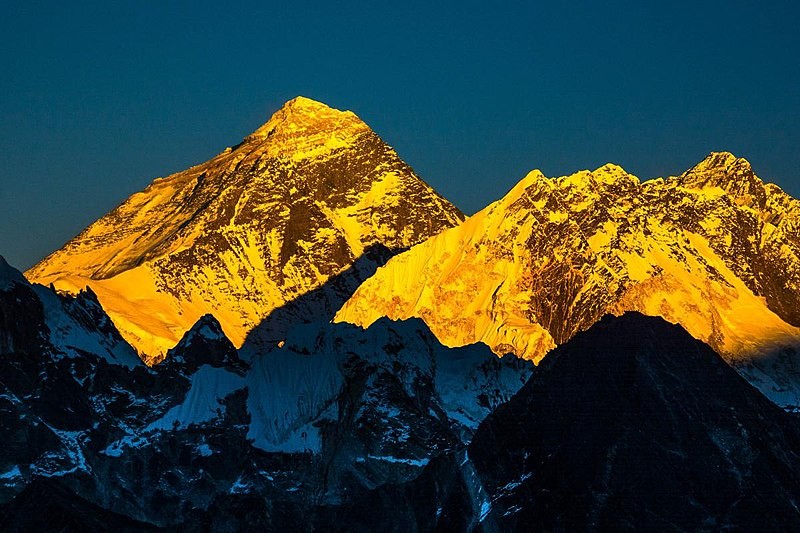
Temperatures in recent summers broke records in parts of India, Nepal and western China. These heatwaves pushed mountain temperatures above levels previously seen only at lower elevations. Glaciers exposed to prolonged warmth softened at their surfaces and shed mass more quickly than expected. In some regions, meltwater formed broad pools that destabilized surrounding ice.
Researchers monitoring weather stations at high altitude noted an alarming upward trend in nighttime temperatures. Warmer nights reduce the cooling phase glaciers depend on. The loss of that daily reset speeds long term decline. Even small shifts in climate patterns ripple through the entire glacial system, making recovery unlikely without broader cooling.
5. Expanding glacial lakes are becoming increasingly dangerous.
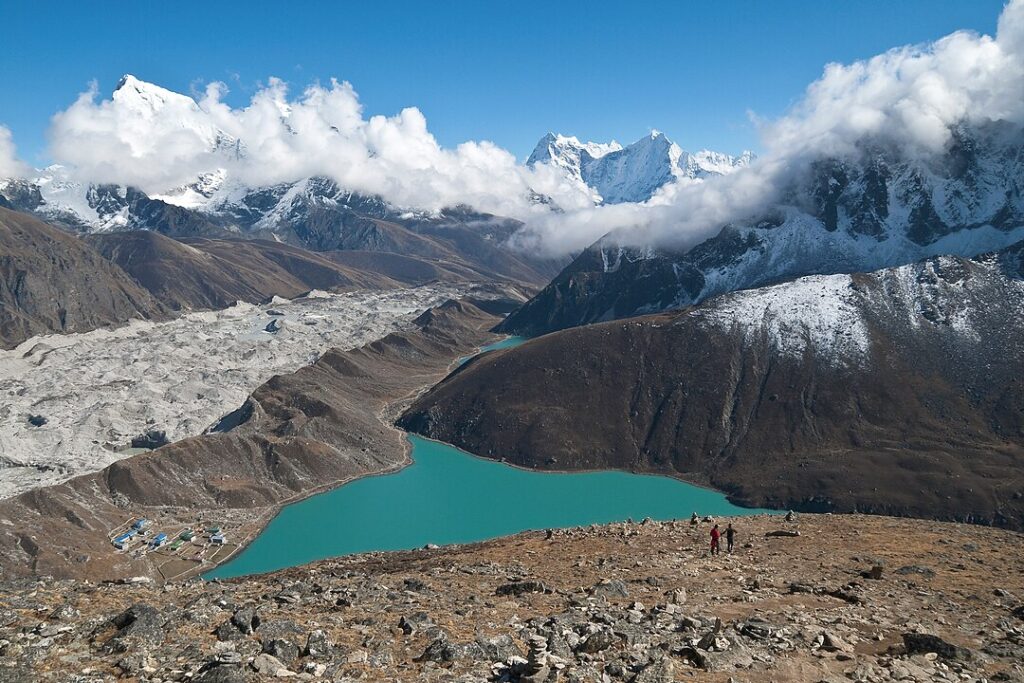
Retreating glaciers leave behind deep basins that fill rapidly with meltwater. These lakes appear calm on the surface but remain structurally unstable. Many are held back by loose debris rather than solid rock. As the lakes expand, pressure builds against these natural dams. A single collapse can send destructive floods into populated valleys.
Local governments monitor high risk lakes using drones and remote sensors. Even so, sudden failures remain difficult to predict. Communities downstream often perform evacuation drills during monsoon season. Despite preparation, the sheer scale of potential floods creates fear among residents who have watched lakes triple in size within a decade.
6. Reduced ice threatens hydropower supplies across several nations.
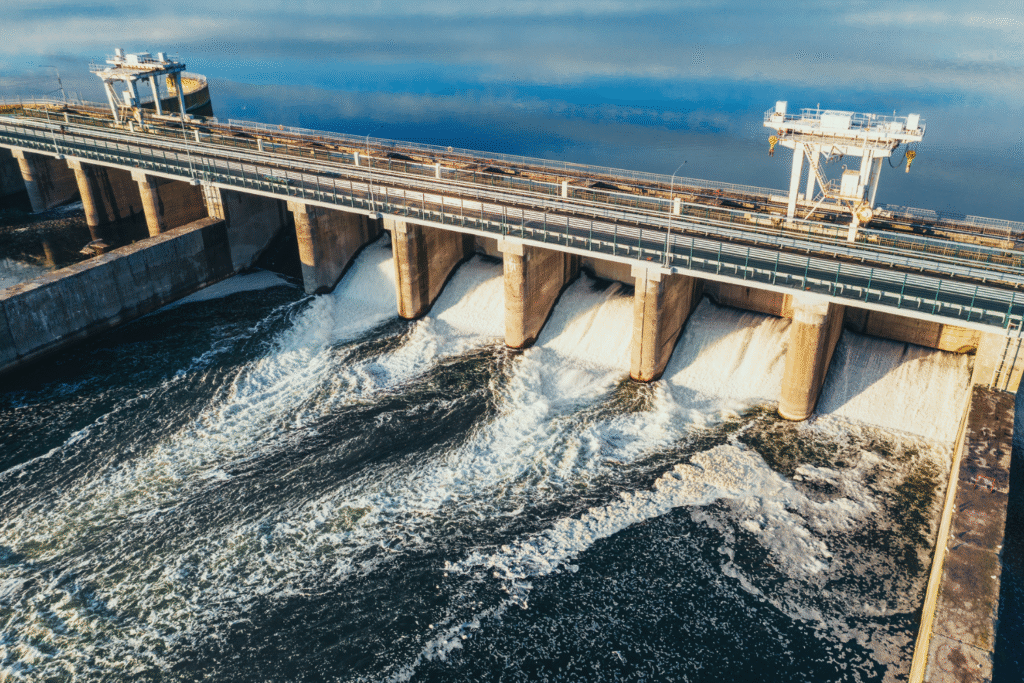
Himalayan meltwater sustains major hydropower plants in Nepal, Bhutan and northern India. When glaciers shrink too quickly, early snowmelt increases spring flow but reduces water availability later in the year. Power stations built to operate year round now face seasonal shortages. Engineers revise output estimates annually as long term patterns grow harder to forecast.
Lower river flow translates into reduced electricity for millions. Some regions must import power at higher cost, placing stress on local economies. Hydropower reliability once justified massive investments in remote valleys. Now those investments face new risks brought on by rapid glacial change that few anticipated during initial planning.
7. Farmers downstream are losing dependable irrigation cycles.
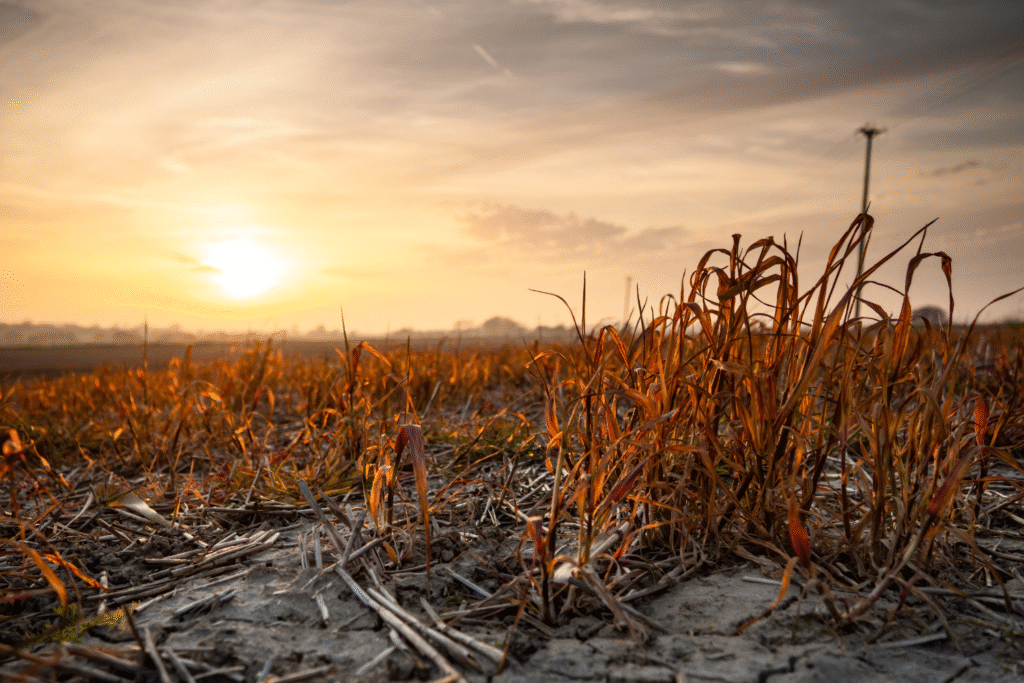
Communities depending on meltwater for fields and orchards notice the shift most clearly. Traditional irrigation channels require steady flow during planting season. When water arrives too early or too late, entire harvests can fail. Seasonal unpredictability forces farmers to adopt more drought resistant crops or reduce planting altogether.
Governments attempt to compensate through reservoir expansion, but these systems cannot match the natural pacing of glacier fed waterways. Farmers report that once predictable rivers now fluctuate without clear pattern. This uncertainty places additional pressure on already strained agricultural regions and increases vulnerability during dry years.
8. Water disputes may intensify as rivers lose seasonal balance.

Many major rivers flowing from the Himalayas cross national borders before reaching the sea. When water availability becomes unstable, upstream and downstream regions struggle to maintain existing agreements. Political tensions rise during seasons when river flow drops below expected levels. Communities who rely on these rivers for drinking water face the consequences most directly.
Scientists warn that these disputes will escalate as glacial melt advances. Nations must balance domestic needs with long standing treaties. Without coordinated planning, seasonal shortages could trigger broader conflict. The decline of glacier reserves becomes both an environmental threat and a geopolitical pressure point.
9. Wildlife depending on meltwater habitats is losing critical refuge.
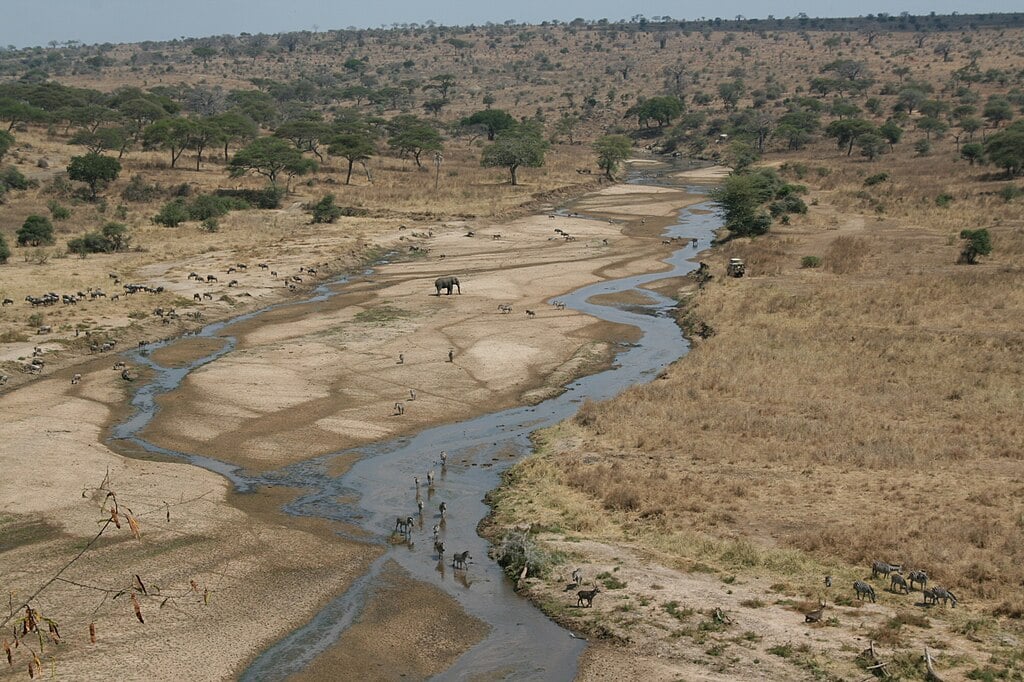
Mountain ecosystems revolve around glacial streams that bring cool, oxygen rich water to lower valleys. As these flows weaken, species such as snow trout and river dwelling amphibians lose essential habitat. Vegetation patterns shift as moisture recedes, altering food availability for larger animals. These changes ripple outward, reshaping fragile alpine ecologies.
Conservation groups attempt to map at risk regions before declines become irreversible. Some species already show reduced range due to shrinking streams. Habitat loss accelerates when meltwater no longer reaches areas that once sustained thriving biodiversity. The cascade of ecological change grows harder to manage each year.
10. The accelerating melt forces new urgency in climate strategy.
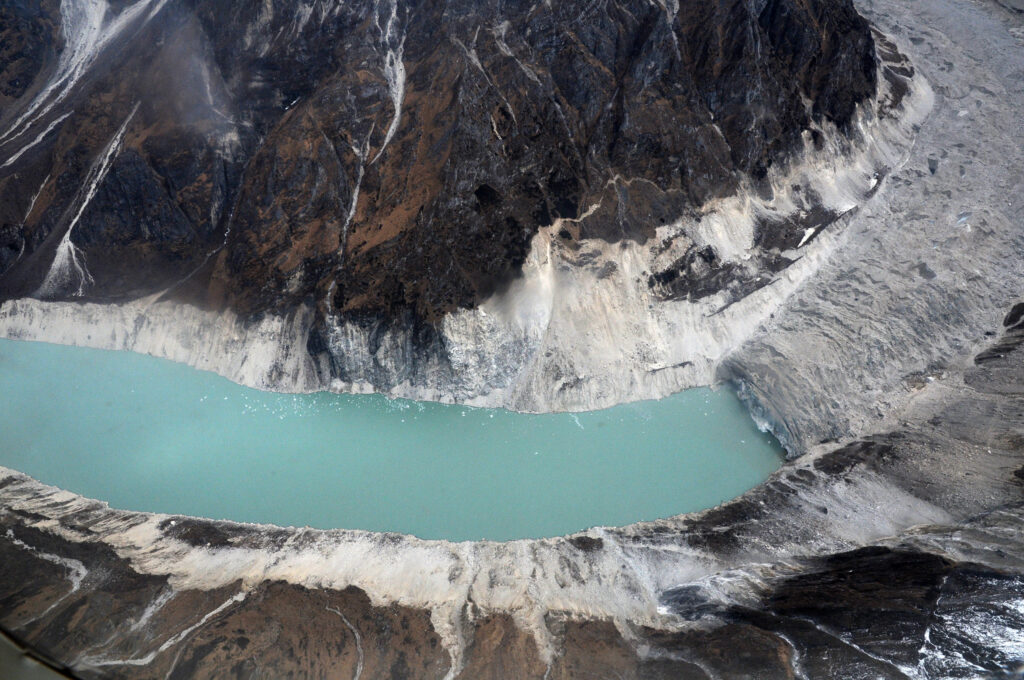
Scientists studying glacier retreat emphasize that the window for slowing these losses grows narrower. Current projections show significant ice reduction continuing throughout the century even with strong climate action. Without immediate global mitigation, the Himalayas and Tibetan Plateau will continue losing mass at rates unseen in recorded history.
Regional governments invest in adaptation strategies, but long term solutions depend on reducing global warming. Communities already cope with shifting seasons, unpredictable rivers and increased disaster risk. The shrinking glaciers serve as a visible measure of climate change’s pace, reminding researchers and policymakers that response must outpace decline.