
A real object, a real date, and lingering uncertainty.
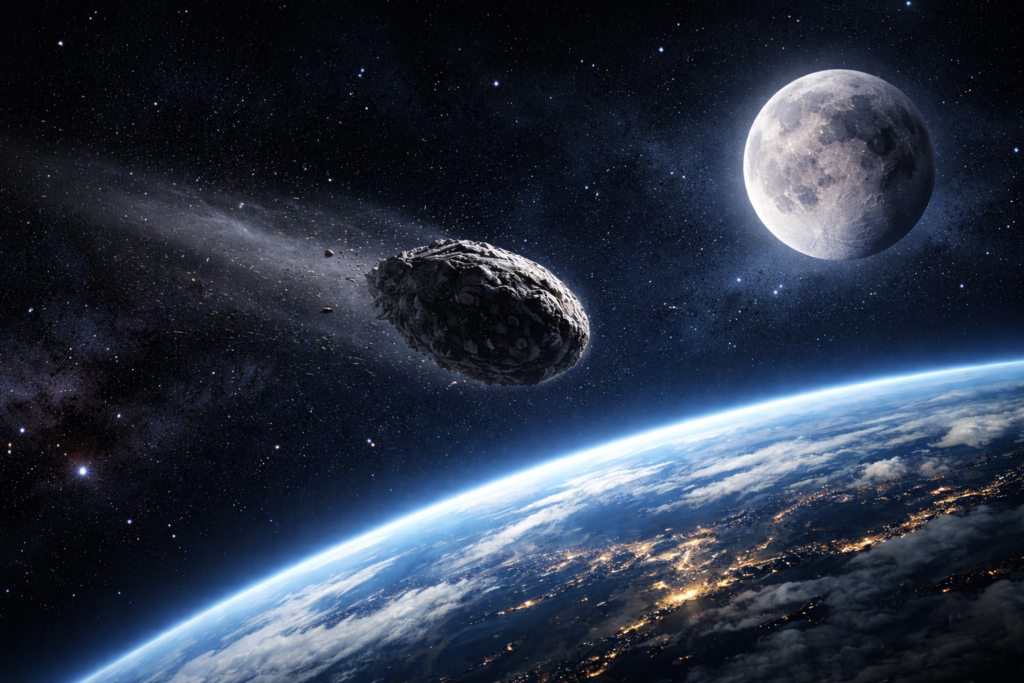
Scientists are watching asteroid 2024 YR4 with renewed attention after early concerns about an Earth impact gave way to a more complicated scenario. First spotted in December 2024 by the ATLAS survey in Chile, the building sized object is now confirmed to miss our planet. That reassurance, however, came with a twist that keeps astronomers alert.
New orbital refinements using data from the James Webb Space Telescope suggest a small but measurable chance the asteroid could strike the Moon on December 22, 2032. What could follow will be dramatic.
1. The asteroid could strike the Moon directly.
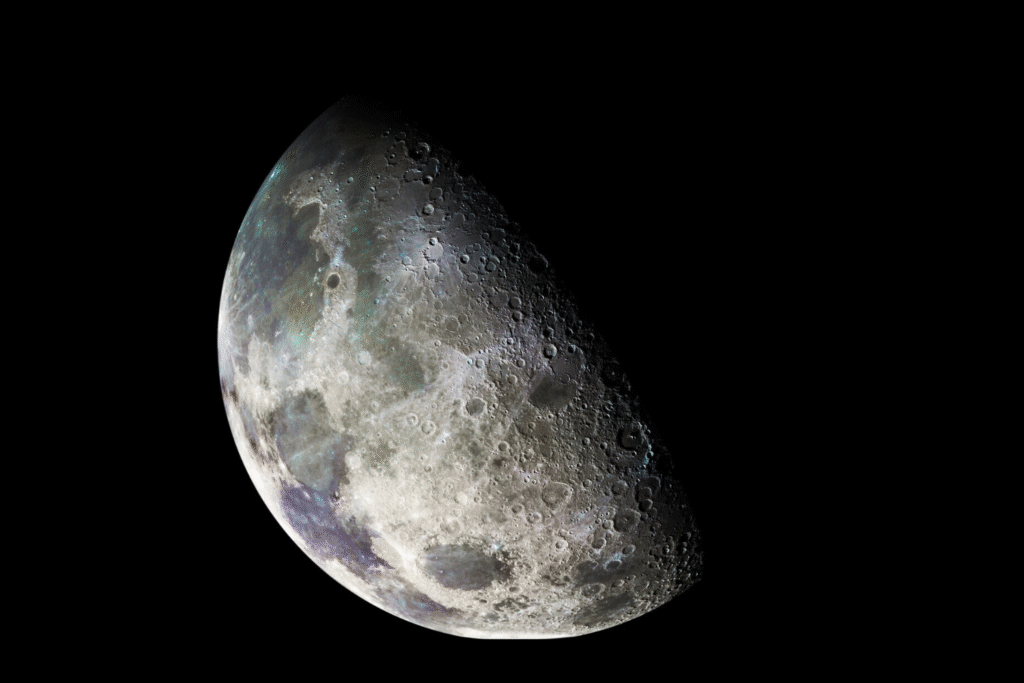
Asteroid 2024 YR4 is set to pass through the Moon’s orbital neighborhood on December 22, 2032, drawing continued attention from planetary defense teams. Earth is no longer considered at risk, but refined tracking has left behind a small, stubborn uncertainty. Current models place the chance of a lunar impact at about 4.3 percent, a figure that shifts slightly as new observations are folded in. Even at those odds, scientists are unwilling to rule it out when the Moon is the potential target.
If an impact occurs, the asteroid would strike at tens of thousands of miles per hour. With no atmosphere to blunt its speed, the Moon would take the full force of the collision. The result would be a newly formed crater and a plume of debris launched into space, with implications for lunar science, satellites, and future missions.
2. A lunar impact could eject debris toward Earth.
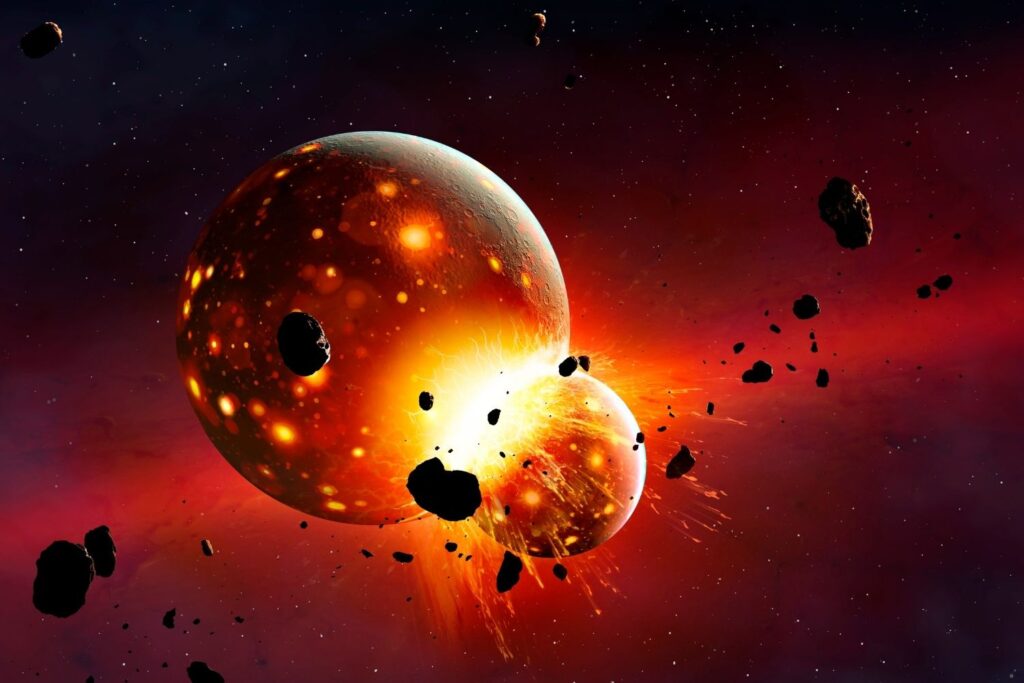
A Moon strike would not remain confined to the lunar surface. Material blasted outward could escape the Moon’s gravity, forming a debris cloud in cislunar space. Scientists are closely modeling how ejecta might disperse after impact. Even small fragments pose uncertainty when orbital paths intersect Earth’s satellite environment.
Most debris would likely burn up in Earth’s atmosphere. However, larger fragments could survive long enough to threaten satellites. Communication, navigation, and weather systems rely on stable orbits. The danger lies not in extinction events, but in cascading disruptions that unfold gradually after the initial impact.
3. Shockwaves would permanently alter the lunar surface.

The Moon preserves impacts indefinitely. A strike from 2024 YR4 would fracture lunar rock far beyond the crater rim. Seismic waves would travel through ancient regolith, altering subsurface structures scientists rely on to interpret lunar history. Nothing on the Moon erases such events.
Moonquakes triggered by impact energy could affect fault zones hundreds of miles away. Future landing sites might shift as terrain stability changes. While no infrastructure exists yet, the timing matters. As lunar exploration expands, fresh impacts could reshape how humanity plans long term presence on the Moon.
4. Lunar orbit stability could be subtly affected.

The Moon’s orbit is stable but not immovable. A sufficiently energetic impact could alter its momentum by a measurable amount. Even tiny changes matter over long timescales. Scientists would monitor the Earth Moon system closely following any strike.
Any orbital shift would be small, but tidal interactions influence Earth’s rotation and ocean behavior over millennia. While no immediate catastrophe is expected, the event would provide a rare test of gravitational resilience. The system’s response would refine models used far beyond lunar science alone.
5. Satellites could face increased collision risk.
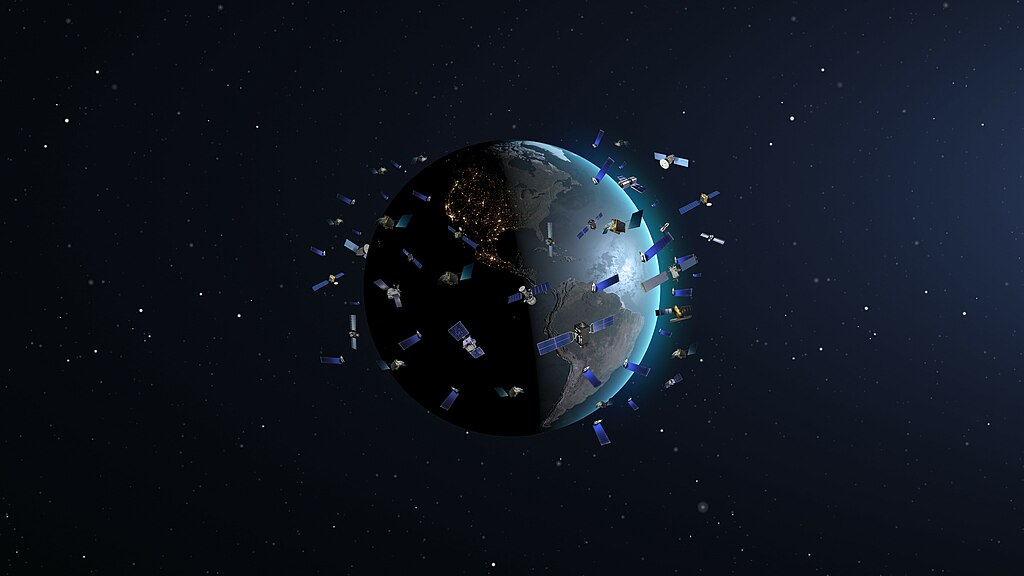
A debris field expanding from a lunar impact would complicate satellite operations. Earth orbit is already crowded, and additional high velocity fragments increase collision probabilities. Tracking small objects becomes harder when debris spreads unpredictably.
Satellite operators could be forced to maneuver assets to avoid danger. Fuel reserves are limited, and constant adjustments reduce operational lifespans. Even fragments smaller than a screw can cause catastrophic damage at orbital speeds. The scenario stresses current tracking systems and highlights vulnerabilities in space infrastructure protection.
6. Astronaut safety planning would immediately change.
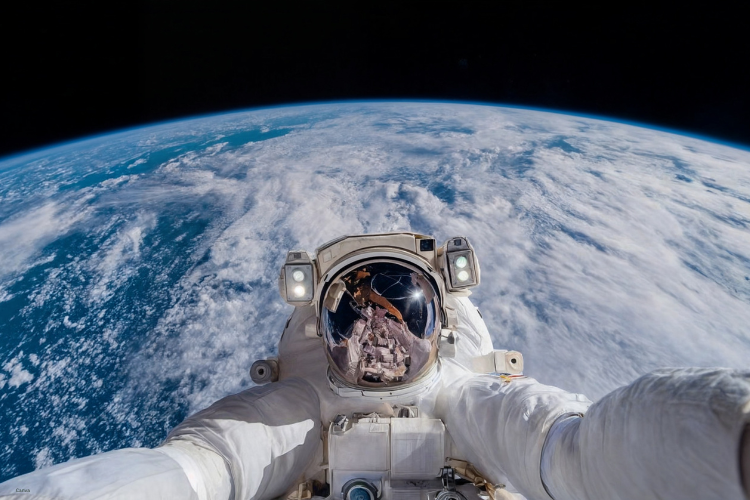
Any confirmed lunar impact would trigger immediate reassessment of crewed missions. Space agencies planning orbital or surface operations would pause timelines. Debris, radiation exposure, and altered terrain introduce new unknowns that cannot be ignored.
Astronaut safety margins are calculated precisely. A single unpredictable factor forces conservative decisions. Even if missions are delayed rather than canceled, costs rise quickly. The Moon’s reputation as a stable destination would be challenged, reshaping assumptions guiding exploration strategies for the next decade.
7. Scientific data from the impact would be unprecedented.
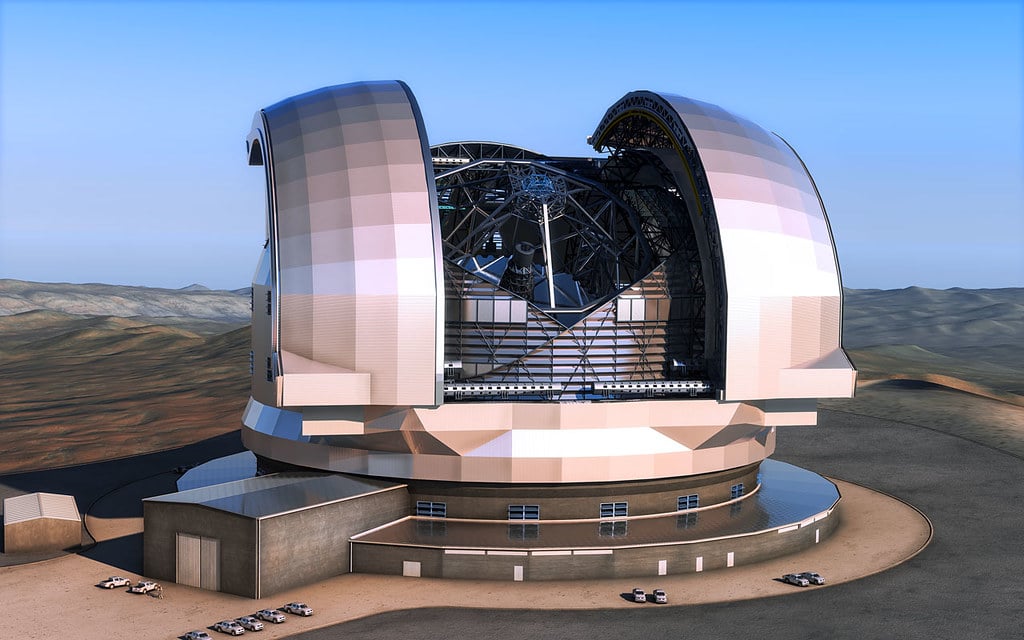
Despite risk, a lunar impact offers extraordinary scientific opportunity. Instruments could observe crater formation in real time, something never directly measured at this scale. Models built from ancient craters would finally face validation.
Seismic sensors could track shockwave propagation across the Moon. Fresh ejecta would expose subsurface materials previously unreachable. Researchers studying planetary defense, impact physics, and solar system evolution would gain rare insight, even as operational teams manage immediate risks created by the same event.
8. The asteroid could narrowly miss both Earth and Moon.

The most likely outcome remains a clean pass. Asteroid 2024 YR4 may thread the gap between Earth and Moon without contact. Even this scenario carries significance due to proximity and scale.
A near miss allows astronomers to test tracking accuracy under real conditions. Data gathered improves prediction confidence for future threats. The event reinforces how dynamic near Earth space truly is, reminding scientists that close approaches are becoming more frequent as detection improves.
9. Gravitational interaction could alter the asteroid’s future path.
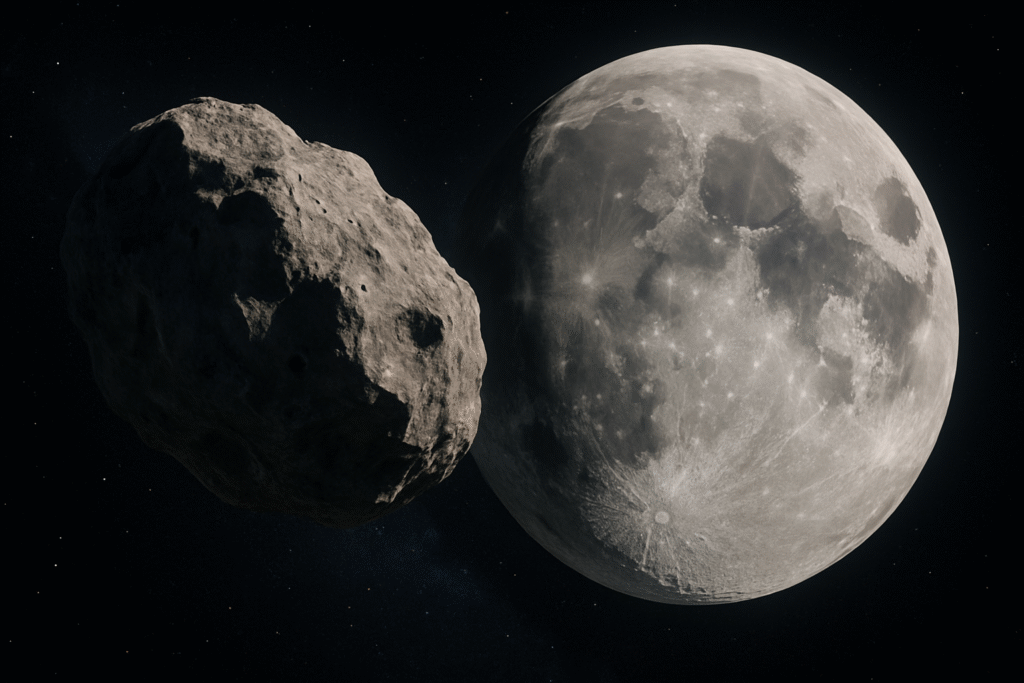
Passing close to the Moon exposes 2024 YR4 to gravitational forces capable of reshaping its orbit. Even without impact, its trajectory around the Sun could change measurably. Scientists are already modeling post encounter paths.
A redirected orbit might bring the asteroid back near Earth decades later. Risk assessments would update immediately following the flyby. Planetary defense depends on long term tracking, not single encounters. Today’s safe pass does not guarantee permanent safety.
10. Public perception of lunar safety would shift.
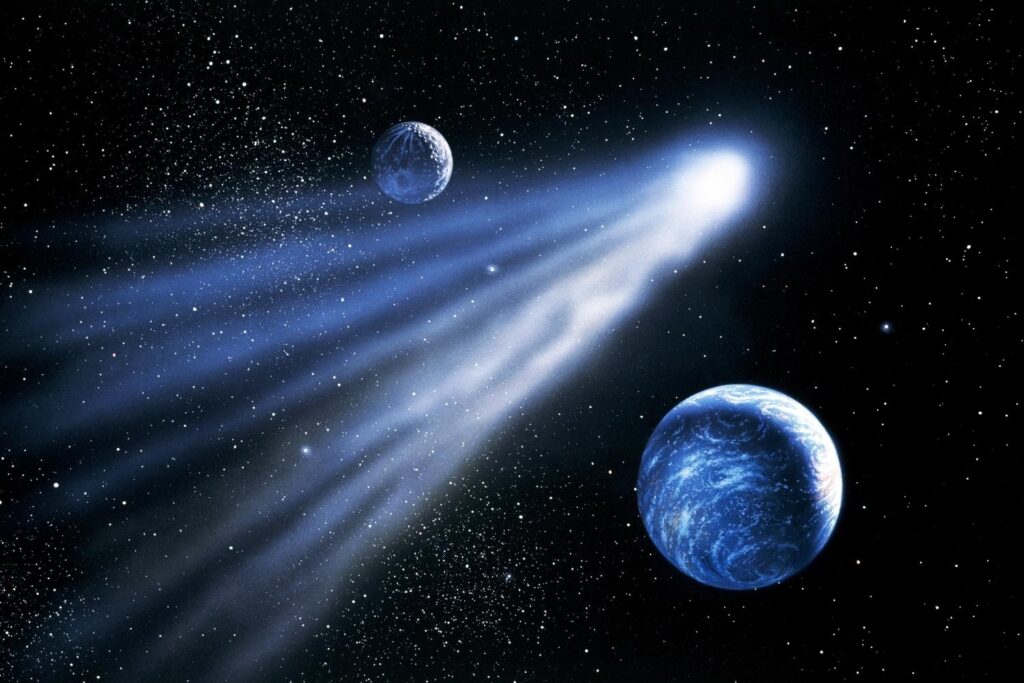
The Moon is widely seen as inert and unchanging. A visible or well publicized impact would challenge that assumption overnight. Public interest in lunar hazards would surge.
Questions about protecting the Earth Moon system would move into policy discussions. Space defense would expand beyond Earth alone. The event would remind humanity that space remains active, interconnected, and capable of reshaping priorities far beyond the night sky.