
Something followed them home that doctors could not ignore.

When astronauts returned from extended missions aboard the International Space Station, doctors expected muscle loss and bone thinning. What they did not expect were lingering neurological changes that did not fade with rest. Tests conducted months after landing showed unusual patterns that raised concern. These changes appeared across multiple missions, different crews, and separate years. The effects were subtle at first, easy to dismiss as fatigue. Over time, the pattern became harder to ignore, forcing researchers to ask uncomfortable questions.
1. Brain scans revealed changes that should not persist.

Medical imaging taken after landing showed shifts in brain structure that remained long after gravity was restored. The findings surprised researchers who expected temporary adaptation rather than lasting alteration.
Follow up scans revealed fluid redistribution and subtle tissue displacement. Scientists suspected prolonged weightlessness altered pressure inside the skull. While the brain adapts in space, returning to Earth appeared to leave behind changes that did not fully reverse.
2. Cognitive tests raised concerns beyond simple fatigue.
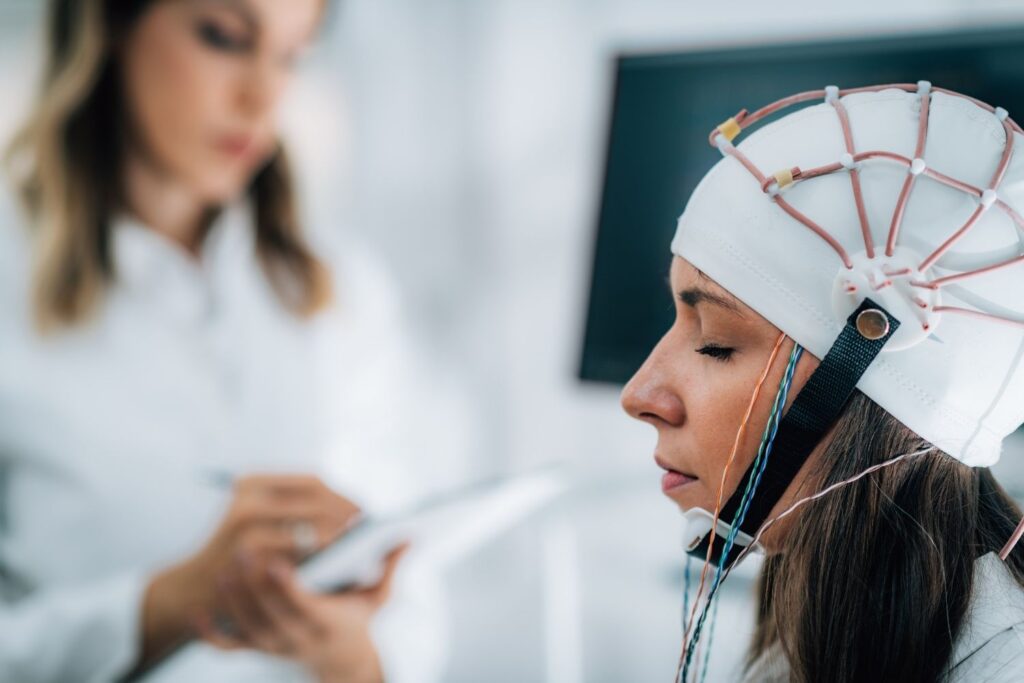
Astronauts reported difficulty concentrating, slower reaction times, and memory lapses weeks after returning home. These were not dramatic impairments, but they were consistent enough to worry clinicians.
Neuropsychological testing supported these reports. Researchers noted small but measurable declines compared to preflight baselines. While stress and reentry strain were considered, the persistence suggested something deeper than exhaustion alone.
3. Fluid shifts inside the skull created lasting pressure.

In microgravity, bodily fluids move upward, increasing pressure around the brain and eyes. Doctors have long known this affects vision during flight.
New evidence suggests this pressure may also reshape brain compartments. MRI scans showed compressed spaces and altered fluid pathways. The concern was not damage but prolonged remodeling that did not immediately resolve once gravity returned.
4. White matter pathways showed subtle disruption patterns.
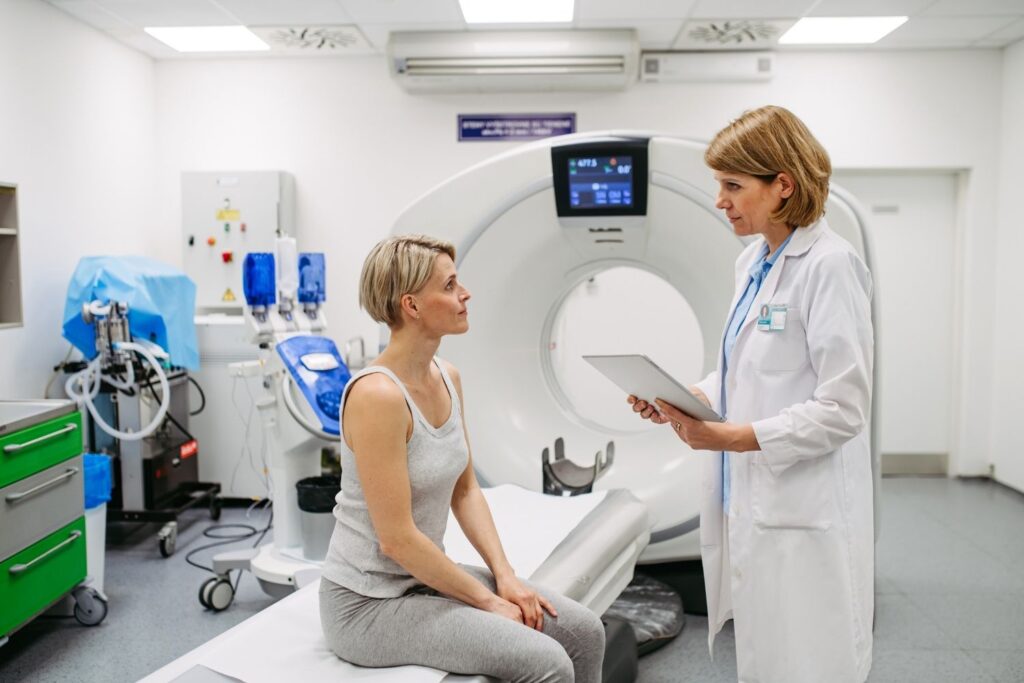
Advanced imaging revealed changes in white matter, the brain tissue responsible for communication between regions. These pathways appeared stretched or displaced.
Such alterations can affect coordination and processing speed. While astronauts functioned normally, researchers questioned whether repeated missions could amplify these effects over time, especially as missions grow longer.
5. Balance and spatial orientation took longer to recover.

Many astronauts struggled with balance weeks after landing. Simple movements felt unfamiliar, and coordination lagged behind expectations.
The vestibular system adapts to space quickly but reentry challenges it severely. Researchers observed delayed recalibration between the brain and inner ear. This mismatch raised questions about long term neural adjustment rather than short lived disorientation.
6. Sleep and emotional regulation showed unexpected shifts.

Post mission reports included disrupted sleep cycles and emotional flattening. Astronauts described feeling mentally off without clear cause.
Sleep studies indicated altered brain rhythms that persisted beyond recovery periods. Emotional regulation depends heavily on these rhythms, suggesting spaceflight may subtly reshape how the brain manages stress and mood afterward.
7. Repeated missions appeared to compound the effects.
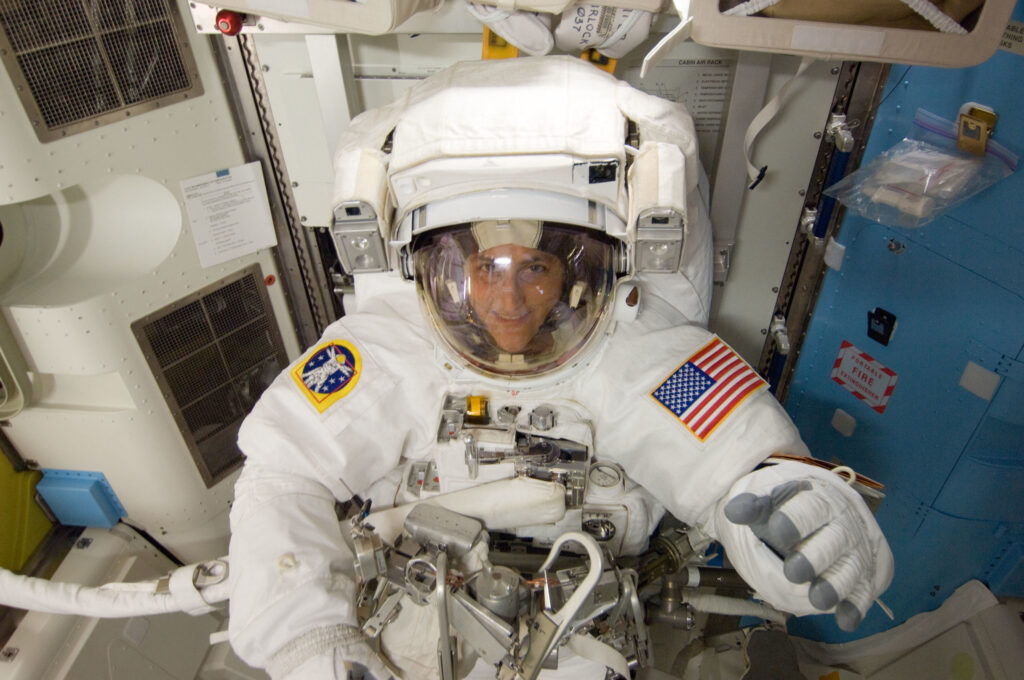
Astronauts who flew multiple long missions showed stronger changes than first time flyers. This pattern raised concern about cumulative impact.
Researchers began comparing single mission data with repeat exposure. While sample sizes were small, trends suggested adaptation might not fully reset between missions, leaving residual changes that build quietly.
8. Radiation exposure complicated neurological interpretations.

Cosmic radiation penetrates spacecraft shielding and interacts with brain tissue. Its long term effects remain poorly understood.
Animal studies have shown radiation can alter neural pathways. Human data is limited, but scientists suspect radiation may interact with fluid shifts, compounding neurological stress during extended missions.
9. Recovery timelines varied widely between individuals.
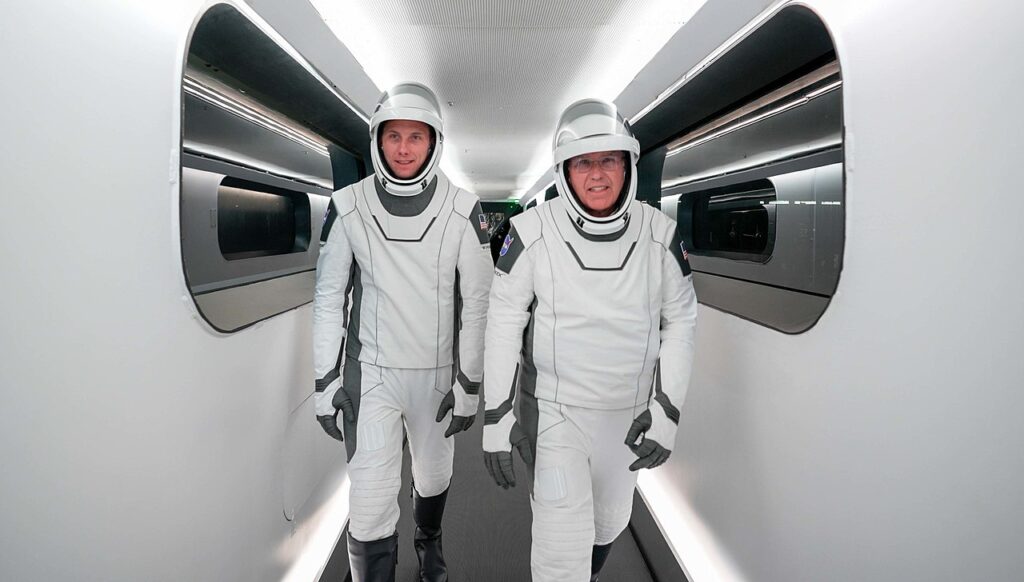
Some astronauts returned to baseline quickly, while others showed lingering differences months later. No clear predictor explained who recovered fastest.
Age, mission length, genetics, and prior flight experience were examined. The variability complicated conclusions and suggested that individual vulnerability plays a significant role in neurological outcomes.
10. Future missions forced researchers to rethink safety margins.
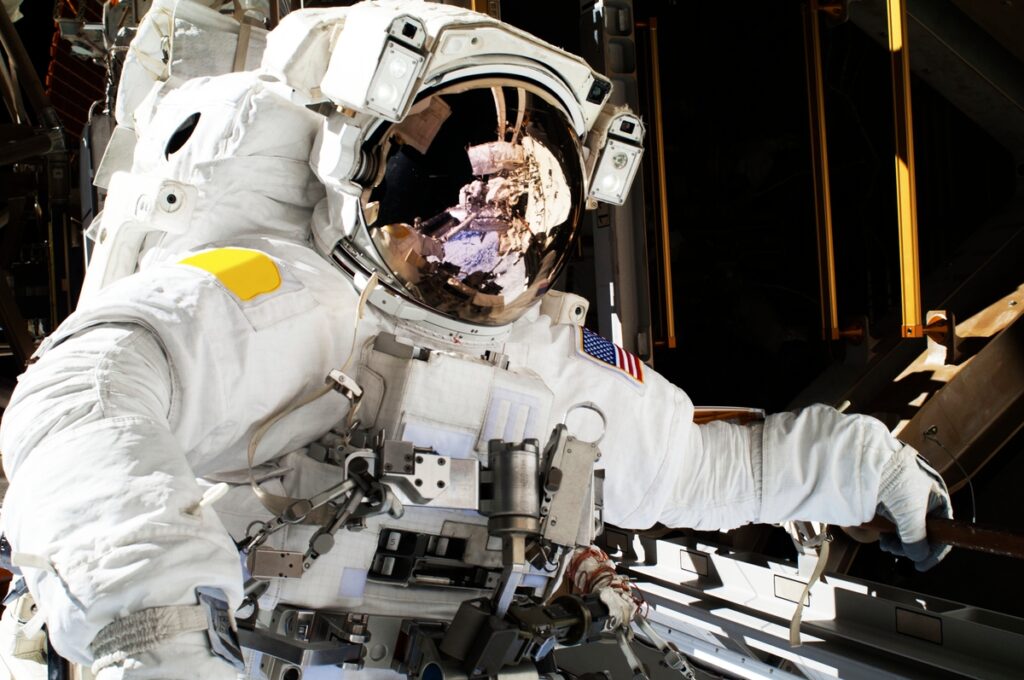
Planned missions to the Moon and Mars involve far longer exposure to microgravity and radiation. These findings raised new urgency.
Researchers are now exploring countermeasures such as artificial gravity, pressure management, and enhanced monitoring. The brain, once assumed resilient, has become a central concern for deep space travel.