
Focus is eroding quietly across everyday routines.

On a normal weekday, attention rarely collapses all at once. It frays in small, almost polite ways. A glance at a phone, a tab left open, a background alert, a mental note that never gets closed. Over time, those moments stack. Researchers across psychology, neuroscience, and workplace studies now agree something measurable is shifting. Attention is becoming harder to hold, not because people are weaker, but because modern environments constantly compete for cognitive priority. The change is subtle, structural, and increasingly hard to ignore.
1. Constant notifications train the brain to stay alert.
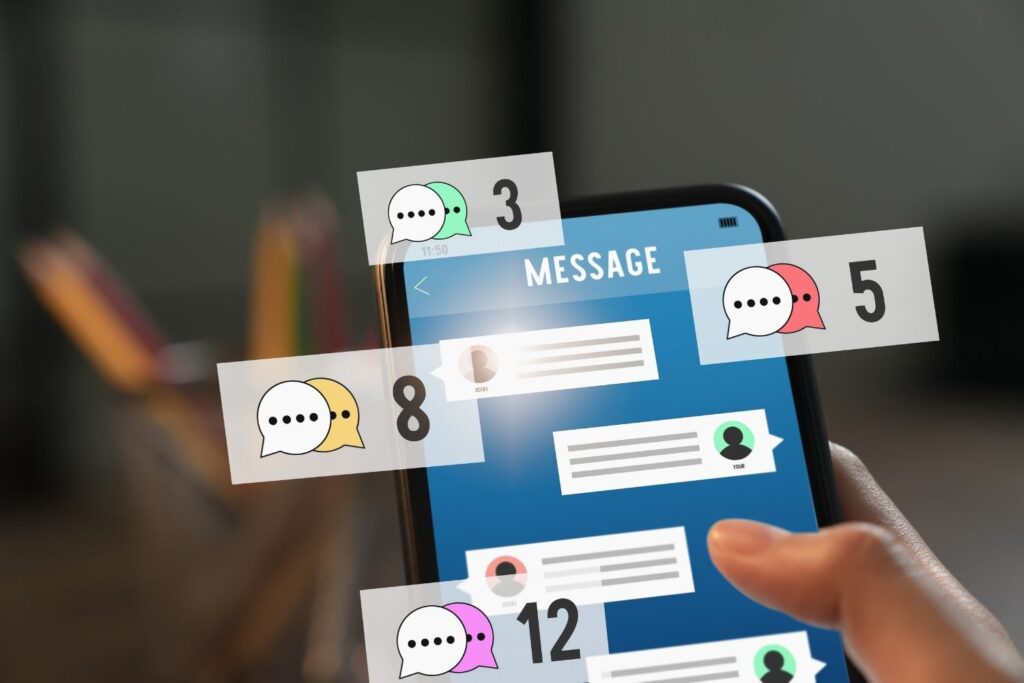
Phones, watches, and desktops now operate like low level alarm systems. Even when alerts are muted, the brain remembers that messages can arrive at any moment. That expectation keeps attention slightly elevated, scanning for interruption instead of settling into a task. Over weeks and months, this state becomes familiar, almost comfortable, even though it prevents sustained focus.
The problem is not the message itself but the anticipation. Each check reinforces the habit of breaking concentration early, before a task naturally concludes. Over time, attention becomes reactive rather than deliberate. Studies tracking digital behavior have shown that frequent notification exposure shortens uninterrupted focus windows and increases task switching, according to research published in Nature Human Behaviour. The brain adapts to the environment it lives in, and this environment rewards constant readiness over depth.
2. Task switching quietly exhausts cognitive resources.

What feels like multitasking is usually rapid switching between tasks. Each switch requires the brain to drop one context and reload another, which consumes mental energy. Individually, these costs are small. Repeated dozens or hundreds of times a day, they add up to noticeable fatigue.
This exhaustion does not always feel dramatic. It shows up as restlessness, impatience, and difficulty reentering a task once interrupted. People often misread this as boredom or lack of motivation, when it is actually depleted executive function. The brain learns that sustained focus is expensive in a fragmented environment, so it avoids it. Over time, shallow engagement becomes the default, not because it is preferred, but because it is metabolically cheaper under constant interruption.
3. Smartphone use alters attention after the screen is gone.

Short sessions on a phone often feel harmless, even refreshing. Yet experimental studies show attention does not instantly rebound once the screen is put away. Fast paced content can temporarily reduce vigilance and inhibitory control, making it harder to resist distraction immediately afterward.
This lingering effect matters because modern life is built on frequent checking. A person may scroll briefly between tasks dozens of times a day, never allowing attention to fully reset. Over time, this pattern trains the brain to expect high stimulation bursts, followed by low tolerance for slower tasks. Laboratory testing has shown declines in sustained attention and increased errors after brief smartphone engagement, as reported by Scientific Reports. The device leaves a footprint on cognition that lasts longer than most people realize.
4. Open environments keep the mind in monitoring mode.

Modern offices and homes increasingly blur boundaries. Open workspaces, shared living areas, and constant digital connectivity create an atmosphere where interruption feels possible at any moment. Even when no one is speaking, attention remains partially outward, monitoring the environment.
This state discourages immersion. Deep focus requires a sense of safety and continuity, conditions that are harder to achieve when privacy is limited. People adapt by breaking tasks into smaller pieces and staying mentally flexible. While this can boost responsiveness, it undermines long form thinking. Over time, the brain associates focus with vulnerability to interruption, making it less willing to invest effort in sustained concentration.
5. Endless options encourage constant mental comparison.

Streaming platforms, social feeds, online shopping, and news cycles all present limitless alternatives. While choice can be empowering, it also keeps attention in evaluation mode. The brain becomes accustomed to scanning for something better, faster, or more rewarding.
This habit spills into other areas of life. Reading feels slower when a video is one tap away. Conversations compete with notifications. Commitment to a single task feels optional. Over time, attention shifts from engagement to optimization. Instead of asking what deserves focus, the brain asks what might be more interesting. That subtle shift erodes patience and makes sustained attention feel inefficient rather than meaningful.
6. Workplace messaging blurs importance and urgency.

Digital work tools promise efficiency but often deliver constant partial attention. Messages arrive without clear signals about priority, forcing workers to check preemptively. The fear of missing something important keeps attention fragmented throughout the day.
This pattern reshapes how time is valued. Responsiveness becomes a visible metric, while deep thinking becomes invisible. People postpone focused work for quieter moments that rarely appear. Over time, the brain learns to prioritize incoming signals over internally chosen goals. Attention becomes externally directed, shaped by alerts rather than intention. Even outside work hours, the habit persists, making true mental downtime harder to achieve.
7. Short form media resets reward expectations.

Brief videos and rapid content cycles deliver immediate emotional payoff. Each clip resolves quickly, rewarding the brain without requiring sustained effort. Over time, this trains the reward system to expect fast gratification.
When faced with slower activities, reading, writing, listening, the brain may register discomfort or boredom sooner than it once did. This is not a loss of intelligence. It is a recalibration of reward timing. Attention struggles not because it is incapable, but because the expected payoff feels delayed. The more often fast rewards dominate leisure time, the more effortful slow focus begins to feel.
8. Chronic stress redirects attention toward threat detection.

Stress narrows focus by design. When the brain senses danger, it prioritizes scanning for problems. Modern stressors, financial pressure, health concerns, constant news exposure, keep this system activated longer than it was built for.
In this state, attention becomes jumpy and reactive. It is harder to stay with a single task because the brain is primed to detect new issues. Even minor interruptions feel urgent. Over time, chronic stress trains attention to stay wide rather than deep. This does not improve productivity. It increases mental noise, making sustained focus feel unnatural even when conditions are otherwise calm.
9. Sleep disruption weakens attentional control.

Sleep is not passive rest. It restores the brain systems that regulate focus, impulse control, and working memory. When sleep is shortened or fragmented, these systems suffer first. Attention becomes harder to direct and easier to hijack.
Modern life often erodes sleep quality through late night screen use, irregular schedules, and stress. The resulting attention problems are subtle but persistent. People may feel awake yet unfocused, present yet scattered. Over time, poor sleep compounds other attentional stressors, making recovery slower. Without consistent restorative sleep, the brain struggles to maintain the sustained attention that complex tasks require.
10. Information overload overwhelms filtering systems.

The human brain evolved to handle limited streams of information. Modern environments deliver far more than those systems were designed to filter. News alerts, social updates, emails, and content recommendations arrive continuously, demanding evaluation.
Filtering takes effort. When too much information competes at once, attention becomes diffuse. The brain skims rather than selects. Important details blur together, and decision fatigue sets in. Over time, people adapt by lowering the threshold for engagement, giving less attention to each input. This protects against overload but reduces depth. Attention becomes broad but shallow, stretched across too many signals at once.
11. Rare boredom removes training for sustained focus.

Boredom once served as a bridge into deeper thought. With constant stimulation available, boredom is quickly avoided. Phones fill gaps instantly, removing moments where attention might wander inward and settle.
Without these pauses, the brain gets fewer chances to practice staying with a single idea. Attention muscles weaken from disuse. This does not mean boredom should be constant, but its absence matters. When every idle moment is filled, attention never fully rests or stretches. Over time, the capacity to remain with a thought without external input diminishes, not suddenly, but quietly, shaped by a world that leaves little space to focus uninterrupted.