
If your yard’s feeling a little too quiet, here’s how to make it the hottest hangout for birds on the block.
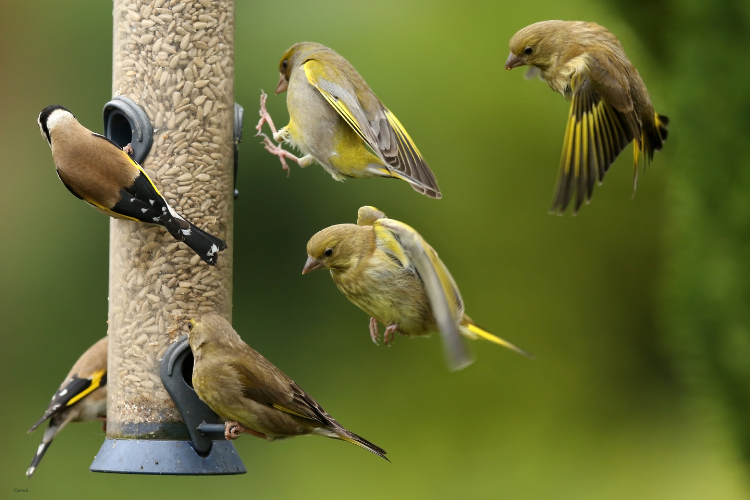
You don’t need a national park to enjoy a birdwatching moment. Your backyard has potential—it just needs the right setup. Most birds aren’t picky, but they know what they’re looking for. Give them a reason to stop by, and they’ll bring the drama, the music, and maybe even a few surprise guests. Here’s how to make your space irresistible, without turning it into an aviary circus.
1. Native plants will pull in birds faster than store-bought feeders.
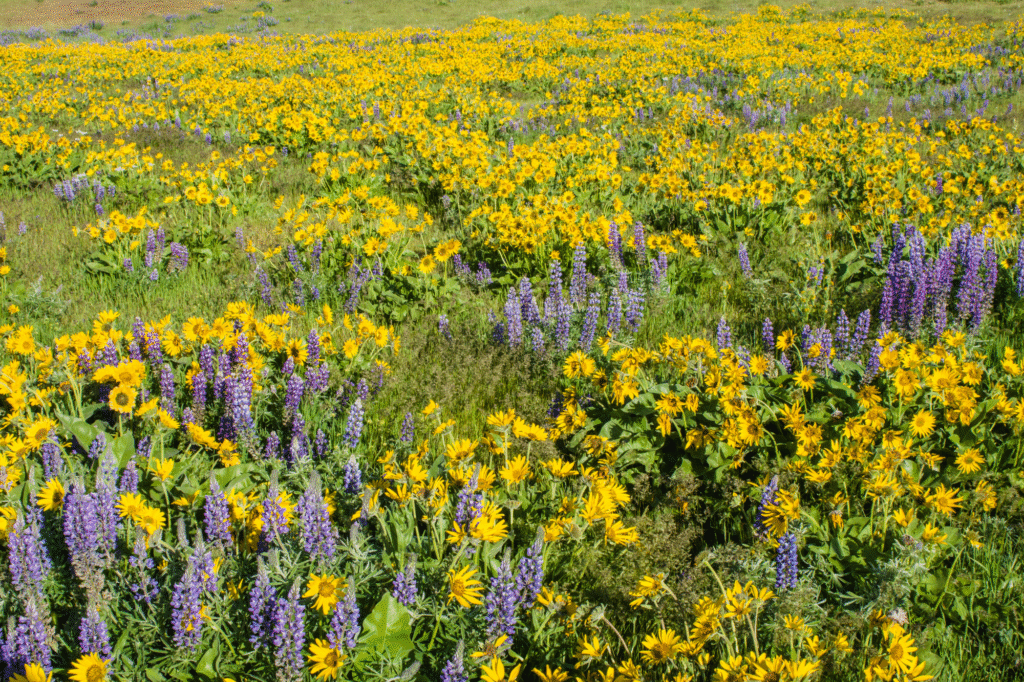
Forget the ornamental stuff from big box stores. Native trees, shrubs, and flowers are what really bring the birds. As discovered by the Cornell Lab of Ornithology, native plants attract the insects and berries that local bird species actually rely on. It’s not about aesthetics. It’s about ecosystem compatibility. Birds follow the food chain, not the mulch. When your yard offers what they’d find in the wild, it becomes a reliable stopover instead of a landscaping dead end.
2. A water source makes your yard a bird destination, not just a flyover.
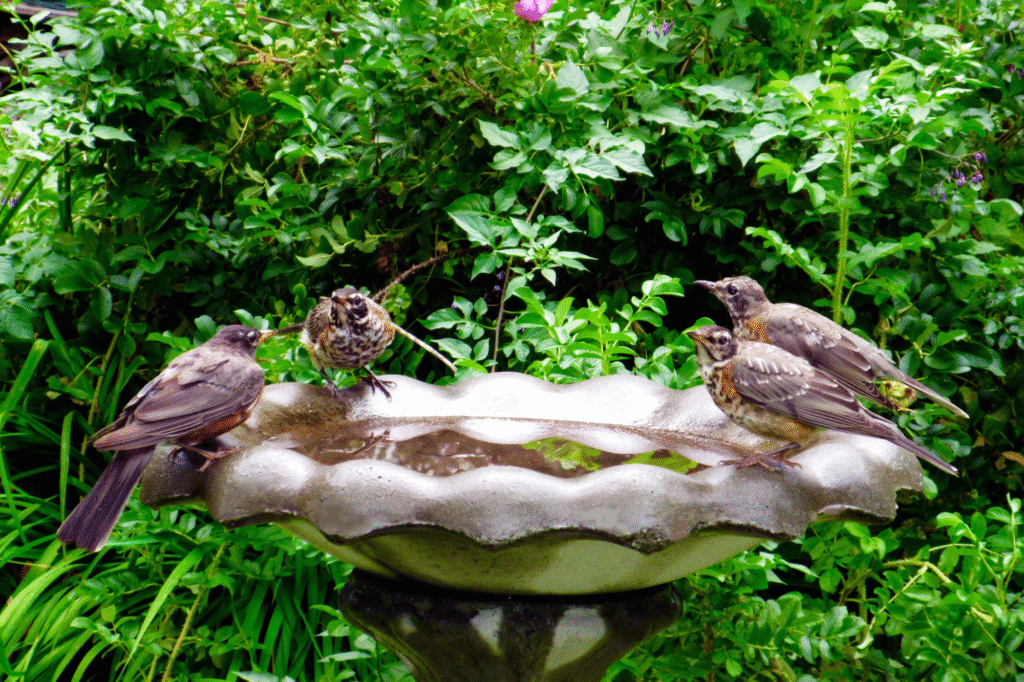
Even if you don’t have food, water will keep birds coming back. As stated by the National Audubon Society, birds are drawn to moving water especially—drippers, misters, or shallow fountains work best. Stagnant bowls don’t cut it. They want to bathe, drink, and cool off all in one stop. And during dry spells or heat waves, water becomes more valuable than seed. It’s one of the easiest upgrades with the biggest impact. Clean it often, and you’ll keep your regulars loyal.
3. Don’t underestimate how picky they are about feeders.
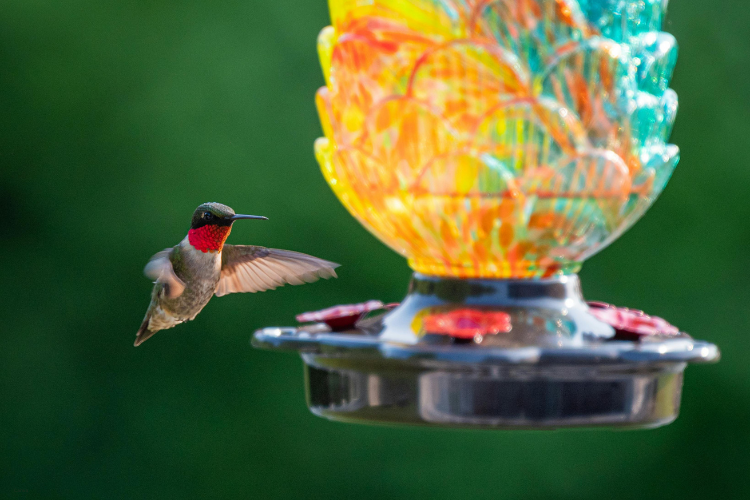
A single plastic tube feeder won’t cut it for attracting more than one or two species. According to the U.S. Fish and Wildlife Service, different birds prefer different setups—platform feeders, suet cages, thistle socks, hopper boxes, and ground trays all attract different crowds. Finches aren’t showing up for suet. Woodpeckers ignore tiny seed tubes. You don’t need a buffet, but you do need variety. Rotate types and seed blends, and suddenly your yard gets way more interesting.
4. Leave a messy corner because birds aren’t neat freaks.
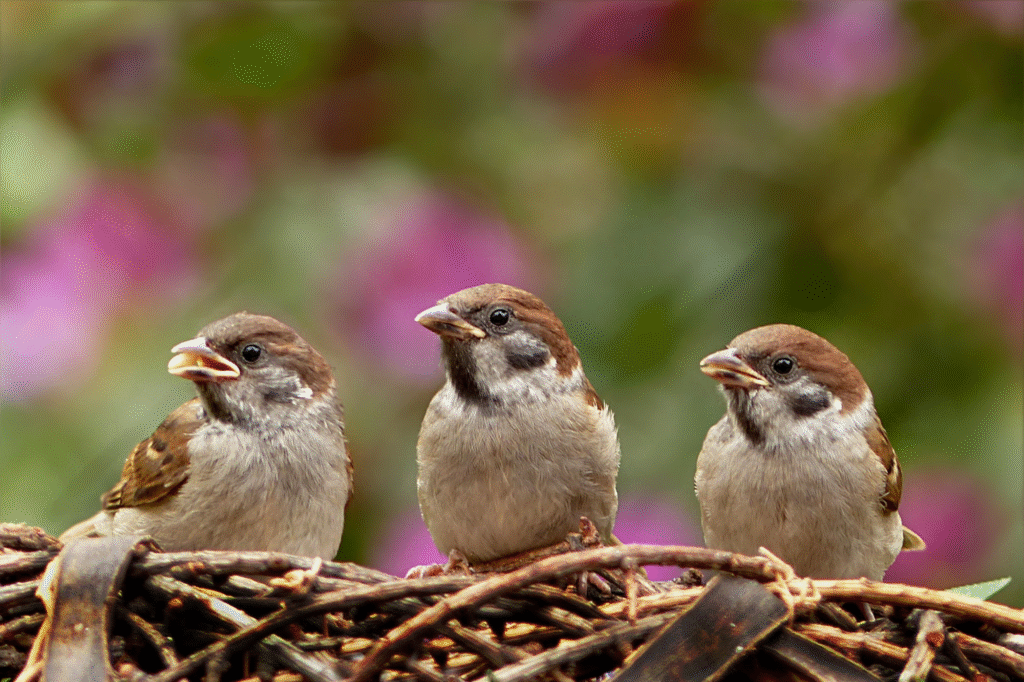
That little pile of leaf litter in the corner? Gold. It’s where bugs breed, seeds drop, and ground-feeders forage. Sparrows, towhees, and wrens love the mess. Birds don’t need your yard to be manicured. In fact, over-cleaning it removes their favorite hiding and feeding zones. Let a patch of grass grow wild or leave brush piles along a fence line. You’ll notice more ground activity, and honestly, it feels less like yard work and more like permission to chill.
5. Offer different seed types instead of just tossing out mix.
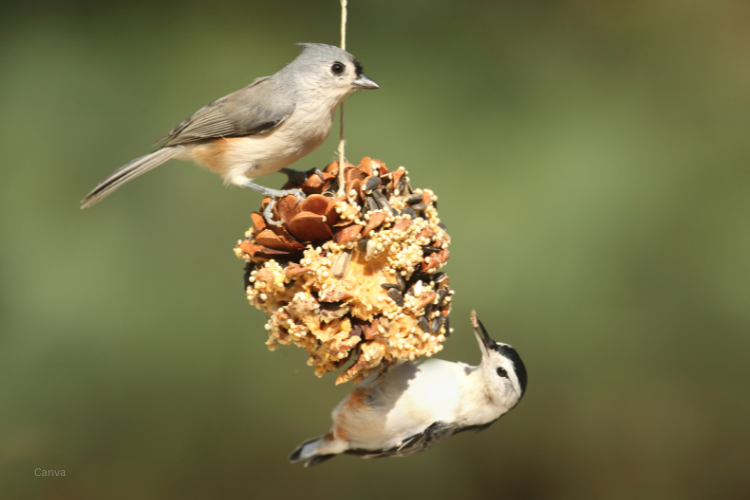
Generic birdseed blends are mostly filler. If you want quality visitors, switch to black-oil sunflower seeds, safflower, nyjer, or even peanuts. Each seed brings in a different crowd. Cardinals go for safflower. Goldfinches hit the nyjer. Jays hoard peanuts like it’s a heist. The more intentional you are with what you offer, the more variety you’ll attract. Seed is like music taste—it shapes the whole vibe. Choose wisely, and you’ll upgrade your bird list fast.
6. Give birds a reason to stay longer than five minutes.
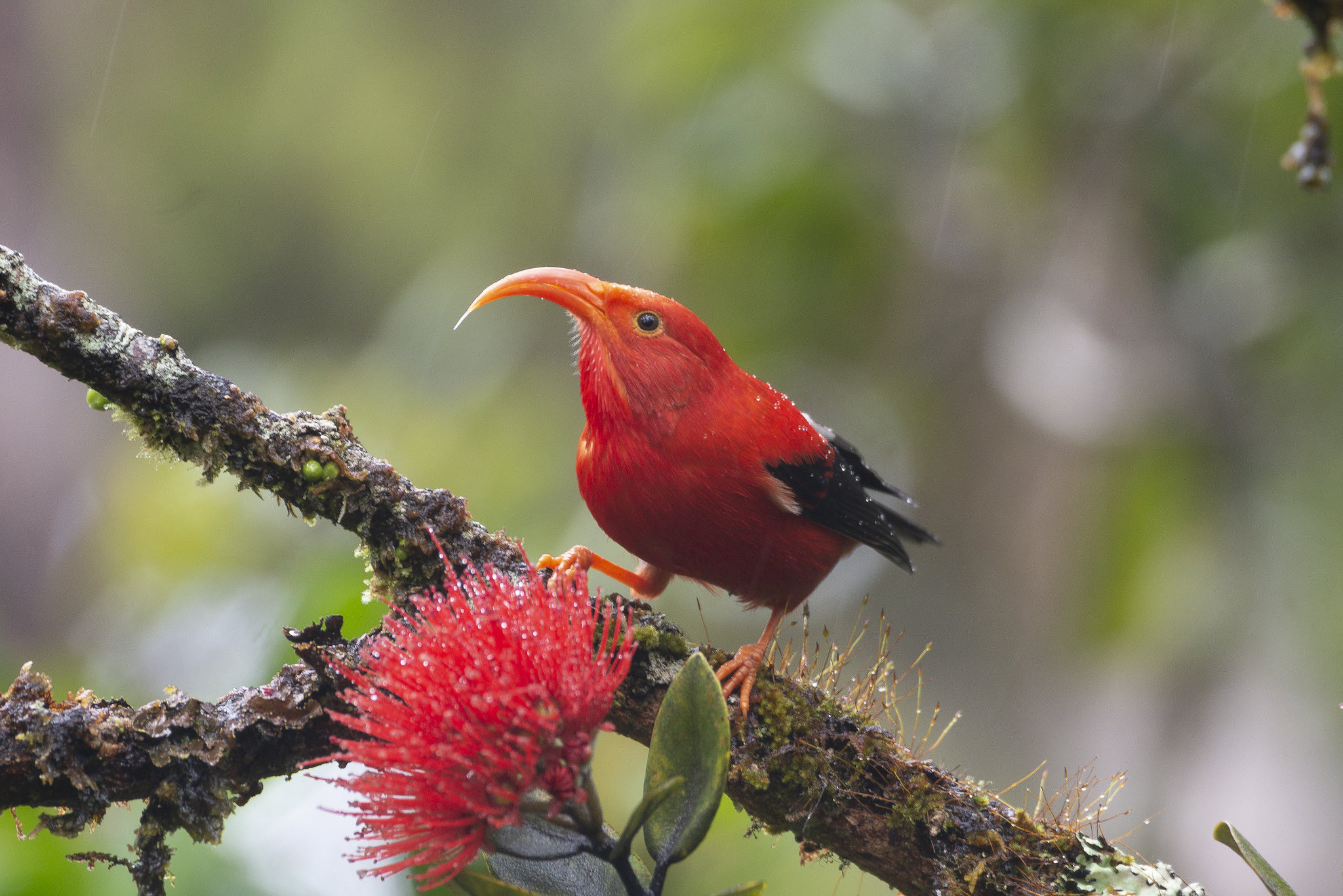
Shelter is what makes a bird decide to hang out instead of just passing through. Evergreens, dense shrubs, and low-hanging branches offer protection from predators and harsh weather. The more layers you build—ground cover, mid-height shrubs, and tall trees—the more appealing your yard becomes. Birds don’t just want snacks. They want safe hangouts. Even a single pine or thicket in the corner can turn a boring lawn into a chill zone they come back to daily.
7. Skip the pesticides because bugs are bird currency.

That perfect, pest-free yard might look great, but it’s basically a dead zone for many birds. Insects are critical, especially for nestlings and migrating songbirds. Kill the bugs, and you cut off the food supply at its most essential level. Birds like warblers and flycatchers won’t bother stopping if the air is empty. A few caterpillars or beetles might annoy your plants, but they’re fueling something way more interesting. Let nature run its course, and the birds will show up hungry and grateful.
8. Install a nesting box, but don’t turn it into a trap.
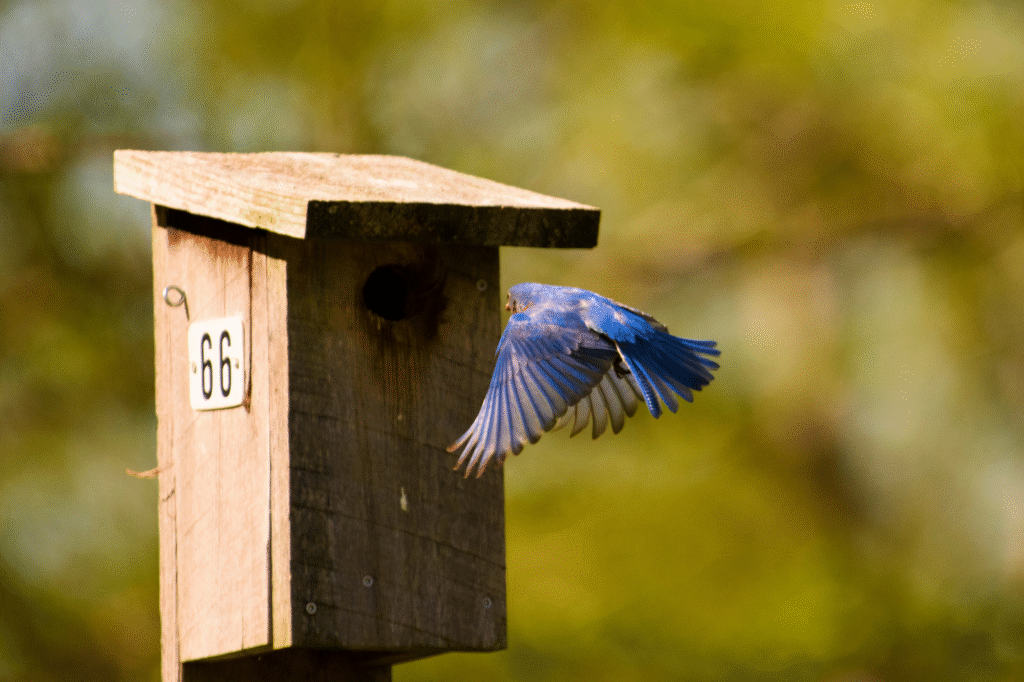
Birdhouses seem cute, but they’re only useful if they’re the right size, shape, and location for the species you want. Chickadees, bluebirds, nuthatches—they’re all super particular. Wrong entrance hole? No deal. Wrong height? Forget it. Add a predator guard, avoid painting it bright colors, and don’t mount it in direct sunlight. Done right, it’s an open invitation to stay. Done wrong, it’s an abandoned Airbnb.
9. Keep some dead branches because birds use them like furniture.
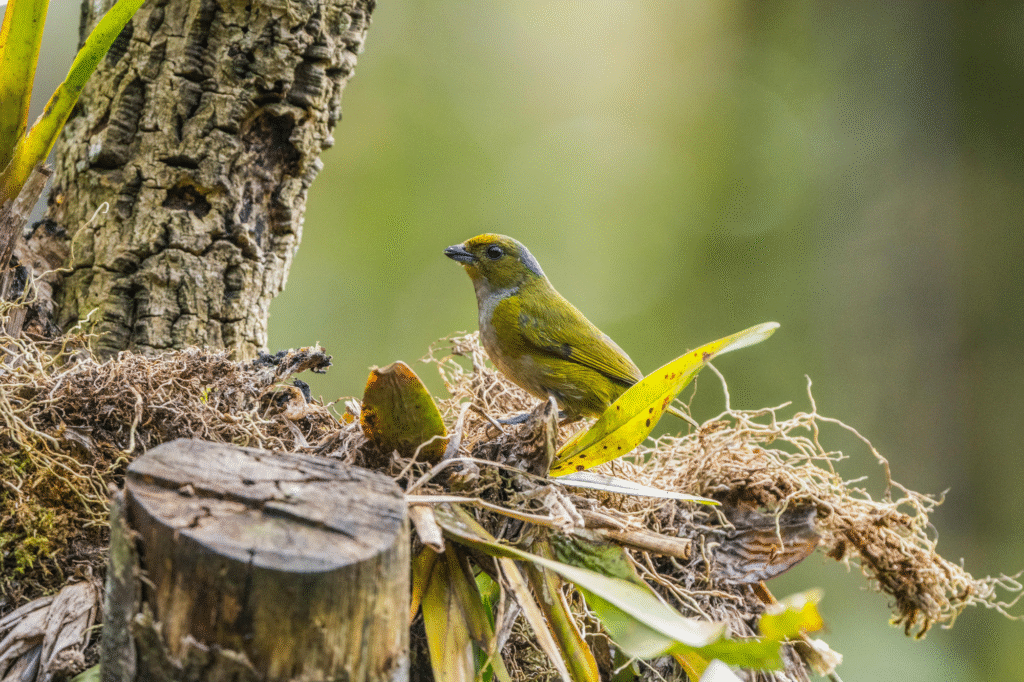
Dead wood might look like an eyesore, but birds use it constantly. Woodpeckers drill, nuthatches forage, and raptors perch to scan the yard. Even smaller songbirds use snags for preening or vocal warmups. A standing dead tree isn’t a safety hazard if it’s small and away from the house. It’s a stage. You’re just giving them a natural lookout post where you get to be the audience.
10. Skip the shiny stuff if you actually want birds to stick around.
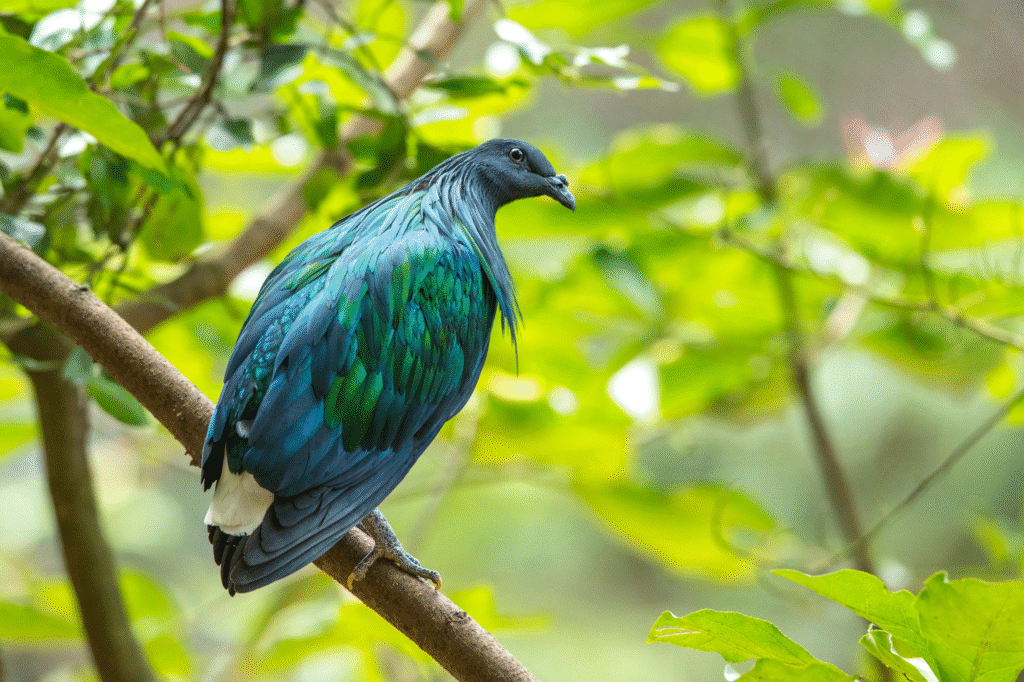
Reflective tape, spinning CDs, and flashy garden decor can keep birds away, not bring them in. Those are deterrents used to scare birds off crops, not invites to a party. If you’ve been hanging bling all over your patio, that might explain why things have been quiet. Keep it natural. Add texture, shade, and calm colors instead. Birds aren’t into rave lights. They’re more into calm forest energy with snacks and safety.
11. Plant something for every season or they’ll ghost you come winter.
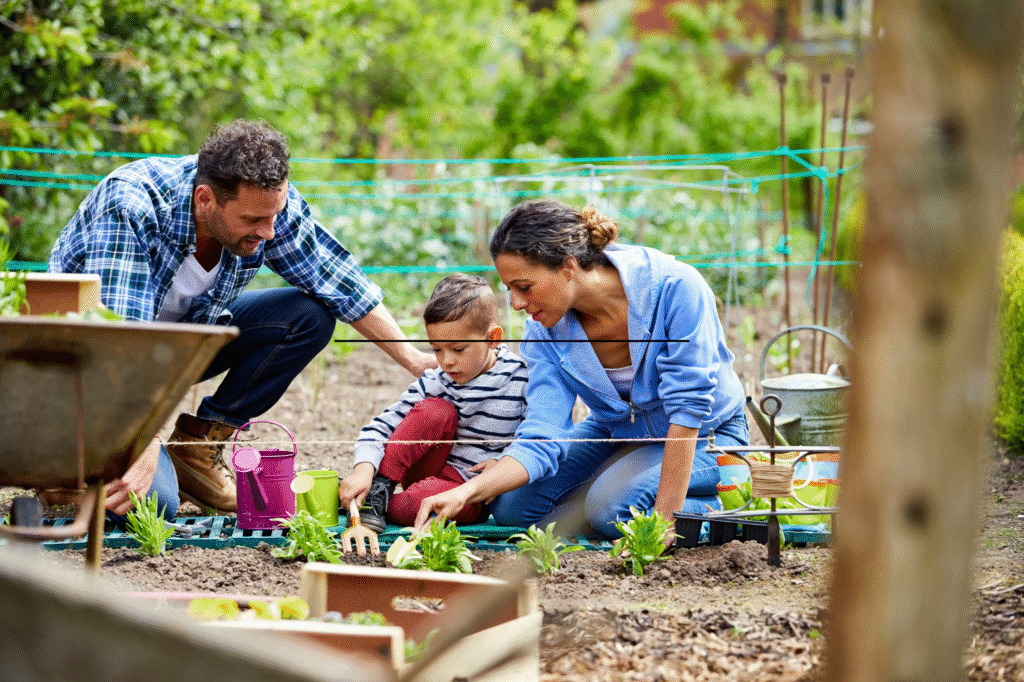
If your yard peaks in spring and flatlines by fall, birds will stop visiting by midsummer. The key is year-round value. Berries in winter, nectar in spring, seeds in summer, shelter in autumn. Native evergreens, late-blooming perennials, and seed-heavy grasses help cover the full calendar. Migration and breeding season get all the attention, but survival in the off-season is what builds loyalty. Keep the buffet open all year, and you won’t just attract birds—you’ll keep them coming back.