10 Dog Breeds That Look Cute But Are Surprisingly Aggressive

Friendly appearances can mask serious behavioral risks.

©Image license via Canva

Small size, fluffy coats, and expressive faces often convince people that certain dogs are harmless. That assumption creates risk. Veterinarians, trainers, and emergency clinics repeatedly report incidents involving breeds widely described as sweet or family friendly. The problem is not evil dogs. It is misunderstanding behavior, genetics, and purpose. Many breeds were developed for guarding, hunting, or control, not cuddling. When expectations clash with instinct, aggression can surface suddenly. These cases tend to surprise owners most, because the warning signs were never expected to exist.
Read more

Vets Urge Owners to Stop Buying These 10 Things for Your Pets

Everyday products vets increasingly warn against.

©Image license via Canva

Pet owners spend billions each year trying to keep their animals happy, healthy, and safe. Many purchases feel responsible, even loving, because they are widely sold and heavily promoted. Yet inside veterinary clinics, a different story unfolds. Doctors repeatedly trace injuries, illnesses, and emergencies back to common products sitting in homes right now. The danger is not exotic or rare. It comes from routine choices made with good intentions. Understanding which items raise concern, and why, can prevent harm long before a clinic visit becomes unavoidable.

Read more

What Changes in a Dog’s Bark Tone Can Signal About Their Emotions

Barking shifts often reveal more than noise.

©Image license via iStock

A dog’s bark can change long before behavior does. Tone rises, drops, stretches, or tightens in ways owners hear daily but rarely question. These shifts often happen at doors, during walks, or late at night, moments when emotion runs high. Because barking feels normal, the warning signs slip past unnoticed. Vets and behaviorists say tone changes can signal emotional strain, fear, or excitement well before physical reactions appear. Misreading them can escalate stress, conflict, or risk faster than most people expect.

Read more

Dogs Left Alone Too Long Show Brain Changes Linked to Trauma, Studies Find

Isolation may reshape canine brains over time.

©Image license via PetsnPals/ChatGPT

More dogs are spending long hours alone inside homes, garages, and apartments while owners work longer days. At first nothing seems wrong. Meals are eaten, toys untouched, furniture intact. But behavior specialists have begun noticing subtle changes that surface later during training, vet visits, or reunions. These shifts raise difficult questions about what prolonged isolation does to a social brain. Emerging studies suggest time alone may alter stress responses in ways that echo traumatic experiences, especially when isolation becomes routine.

Read more

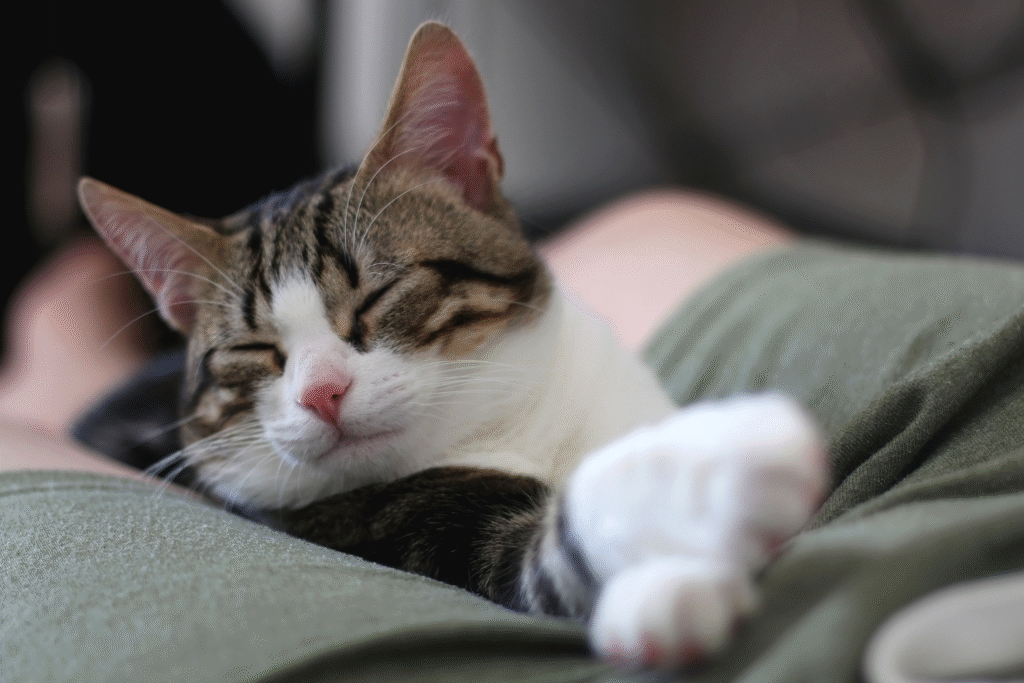
13 Cat Behaviors That Indicate Pain, Vets Warn

Subtle shifts often hide serious physical distress.

©Image license via Canva

Cats rarely advertise pain the way people expect. Instead, discomfort leaks out through small behavioral changes that feel easy to explain away. A cat still eats, still jumps, still sleeps nearby, so concern stays low. Yet pain quietly reshapes instincts, posture, and tolerance long before obvious illness appears. Vets say these early signs often surface days or weeks ahead of diagnosis. Missing them can allow treatable problems to worsen, changing outcomes and recovery windows in ways no owner intends.

Read more