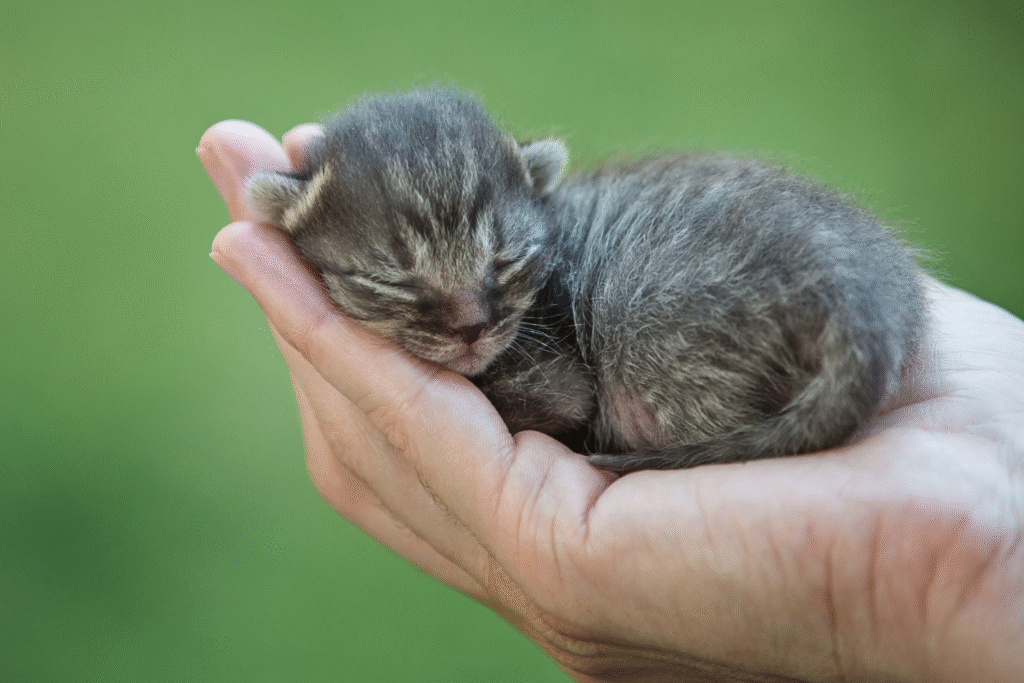
Do at Least One of These 8 Things and Your Cat Will Trust You for Life

Trust forms quietly through repeated, easily missed moments.
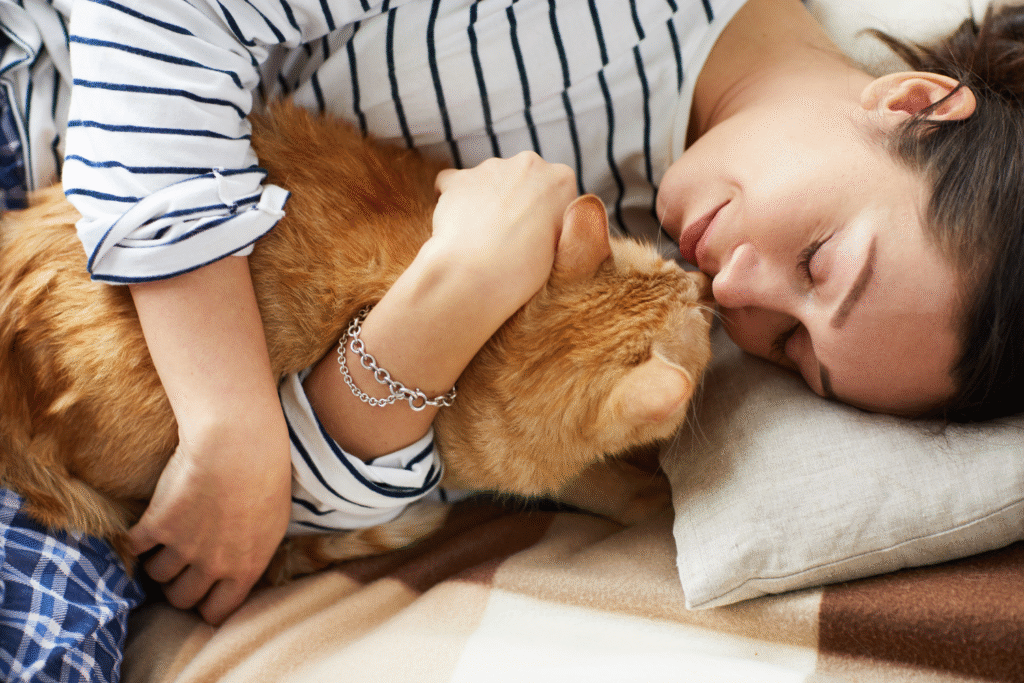
©Image license via Canva

Cats do not give trust all at once. It accumulates through small decisions made daily, often unnoticed until something shifts. A cat choosing to stay instead of leaving, to watch instead of hiding, or to sleep nearby instead of elsewhere signals a change already underway. These moments carry weight because trust, once broken, is difficult to rebuild. What creates it is rarely dramatic. The tension lies in how easy it is to undo progress without realizing it, especially inside shared homes where routines and reactions shape feline judgment constantly.

Read more

How Cats Quietly Choose Their Favorite Person

Affection forms long before anyone notices patterns.

©Image license via Canva

In multi person homes, cats often reveal preferences slowly. A shift in sleeping spots, a longer pause beside one person, or a habit of following someone room to room can feel accidental. Yet these moments accumulate. Unlike dogs, cats rarely announce loyalty. Their choices unfold through routine, proximity, and subtle trust cues. What looks random is usually selective. The tension comes from not knowing when the decision happens, or why one person becomes central. Understanding this process requires watching what cats notice, not what people expect.

Read more

If You See a Fox Coming Toward You in Broad Daylight, Don’t Shrug It Off

Daylight fox encounters can quietly signal rising risk.

©Image via Canva

An adult fox moving toward a person in full daylight breaks an unspoken rule of the wild. These animals are typically cautious, crepuscular, and quick to vanish. When that instinct falters, something has already shifted. Across neighborhoods, parks, and rural roads, daylight fox sightings are increasing, and not always for comforting reasons. Timing, distance, and behavior matter more than species charm. This moment, brief as it seems, can carry layered meaning tied to health, food pressure, and human expansion. The explanation is rarely simple, and the stakes can escalate faster than expected.

Read more

How Early Weaning Changes A Cat’s Adult Behavior

The quiet moment when separation arrives too soon.

©Image license via Canva

The moment a kitten leaves its mother rarely looks dramatic. It happens in living rooms, shelters, barns, and back rooms where timing feels practical rather than consequential. Yet behaviorists have spent decades circling this transition, noticing subtle patterns that surface much later. Something shifts quietly when nursing ends early. The change does not announce itself in kittenhood. It waits. Adult behaviors begin forming before owners know what to watch for, creating a long delayed ripple that often feels personal once it finally appears.

Read more

10 Horse Breeds That Are Shockingly Difficult for Beginners to Handle

Some horses demand more experience than expected.

©Image license via Canva

Buying a first horse often feels like a dream taking shape slowly. Temperament charts promise calm partners, and beauty can blur warning signs. Yet certain breeds carry histories that demand skill before trust forms. Beginners sometimes step into situations they cannot read yet. The mismatch rarely shows immediately. It appears later, during training gaps, spooked reactions, or quiet resistance. These horses are not bad. They are simply shaped by centuries of purpose that do not bend easily to inexperience yet.

Read more