Why Cats Raised Alone Behave Differently Than Litter Raised Cats

Early social gaps quietly reshape adult feline behavior.
©Image via Canva

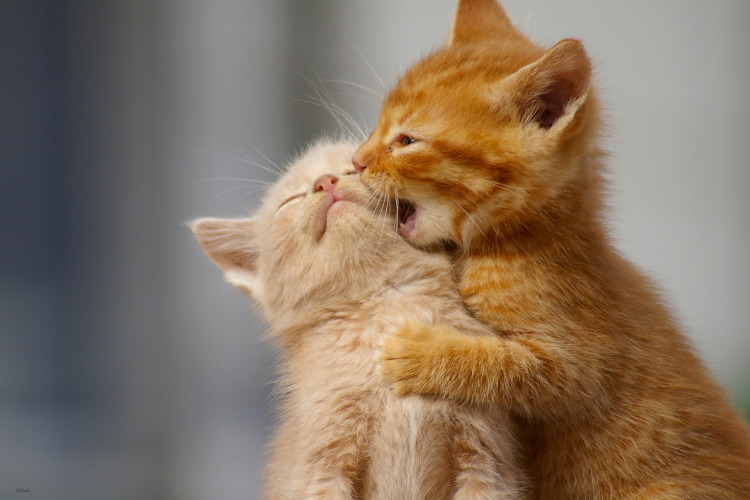
A single kitten raised without siblings rarely looks different at first. Food arrives on time. Hands replace littermates. The environment feels calm, controlled, even ideal. Yet researchers have long flagged these situations as quietly consequential. Social learning normally unfolds through constant friction. When that friction disappears, development does not stop. It simply redirects. The effects stay hidden for months or years. Adult behavior becomes the first real signal, surfacing differences that feel emotional, puzzling, and difficult to trace back to those earliest weeks.


Read more

What It Really Means When A Cat Sleeps In A Different Room Every Night

Nighttime choices reveal instincts few owners question.

©Image license via Canva

A cat that changes sleeping rooms each night can create quiet unease. One evening it chooses the bed, another the sofa, then a hallway chair. The behavior feels deliberate, even pointed. Cats value routine, yet nighttime rewrites priorities shaped by safety, comfort, and instinct. Darkness alters how space is evaluated. What appears restless is often calculated. These nightly decisions are rarely emotional reactions. They are responses to subtle signals humans do not register, unfolding after lights go out and attention fades.

Read more

10 Signs Your Dog Might Be in Pain Without Showing It

Quiet behaviors often hide serious physical strain.

©Image license via Canva

Dogs rarely announce pain clearly. They adapt instead. At home, on walks, and during familiar routines, many dogs continue functioning while their bodies quietly compensate. The real risk is not sudden injury but delayed recognition. Subtle changes in movement, rest, and interaction often appear weeks before obvious symptoms. By the time limping, crying, or refusal becomes clear, pain has usually reshaped behavior for some time. The signs are easy to dismiss, which is exactly why they matter.

Read more

They Look Harmless Until It’s Too Late, 10 Cute but Very Dangerous Wild Animals

Adorable appearances often conceal serious survival level threats.

©Image license via Canva

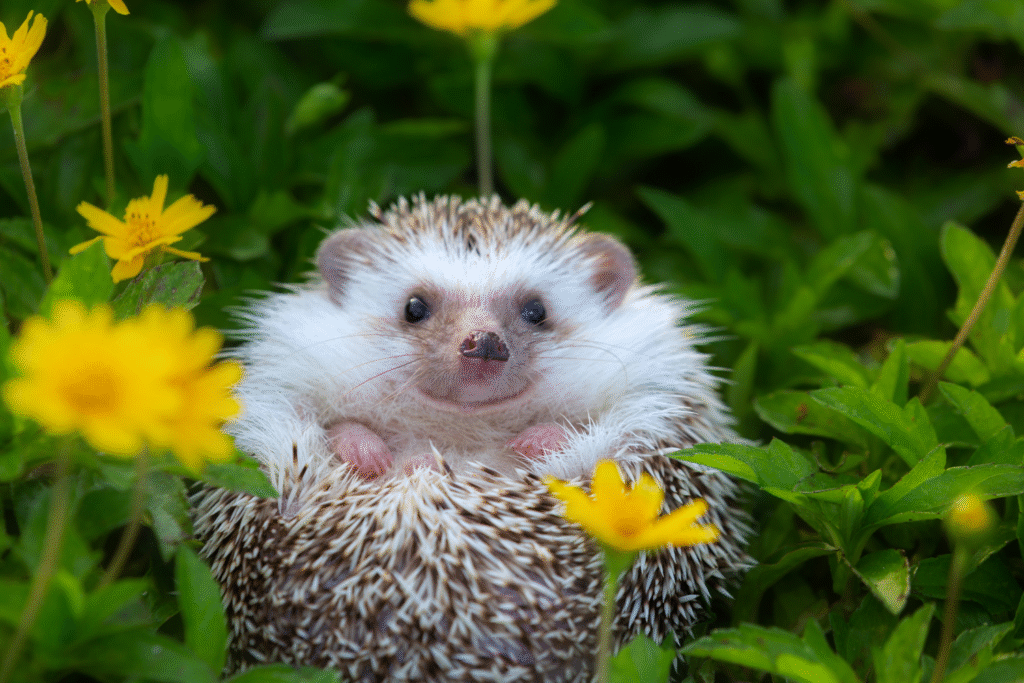
Soft fur, round eyes, and small size trigger trust in the human brain almost instantly. That instinct evolved for babies, not wildlife. Across continents and climates, animals that appear gentle or even charming account for serious injuries and deaths each year. The danger rarely comes from aggression alone. It comes from toxins, disease, defensive reflexes, or sheer strength hidden behind a harmless exterior. These encounters often unfold quietly, without warning, leaving little time to reassess what looked safe only moments before.

Read more

Why Wild Horses Are Disappearing Faster Than Anyone Expected

Vanishing herds reveal pressures hiding in plain sight.

©Image license via Canva

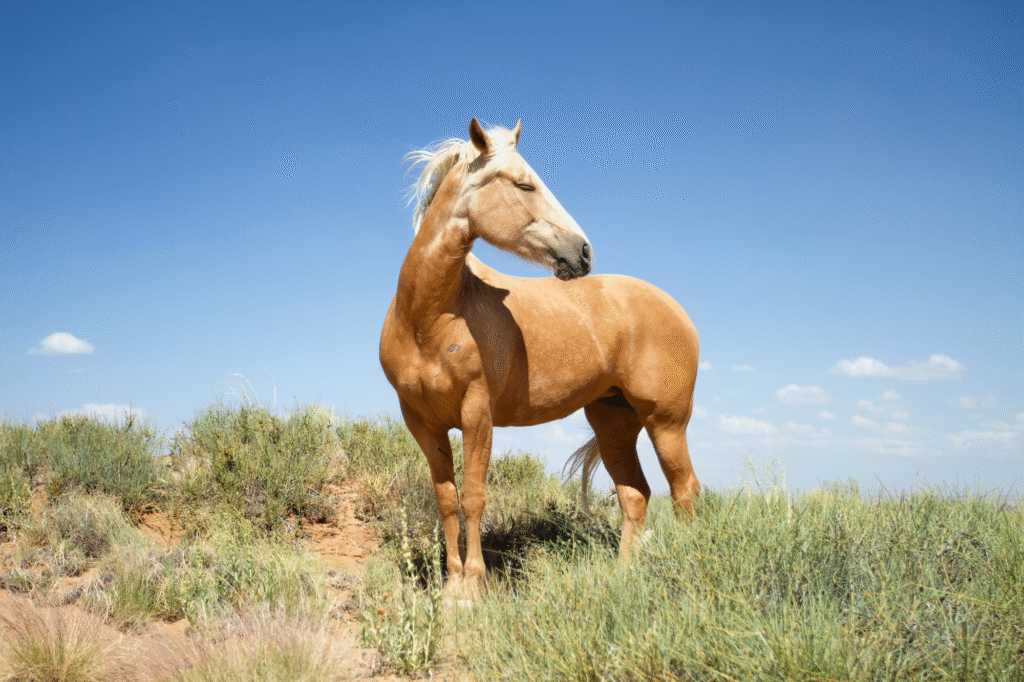
Across the American West, wild horses still appear rooted in open landscapes, moving across valleys that seem unchanged. Yet field surveys, removal records, and climate data suggest something quieter and more urgent. Entire bands disappear between seasons. Foals fail to return. Water sources go unused. The losses rarely happen in one dramatic moment. They build slowly through overlapping pressures. By the time absence becomes obvious to casual observers, the forces driving decline have already reshaped the range for years.

Read more