How Bears Can Smell Food From Over a Mile Away Even Under Snow

A hidden sense guides survival in frozen landscapes.
©Image license via Canva

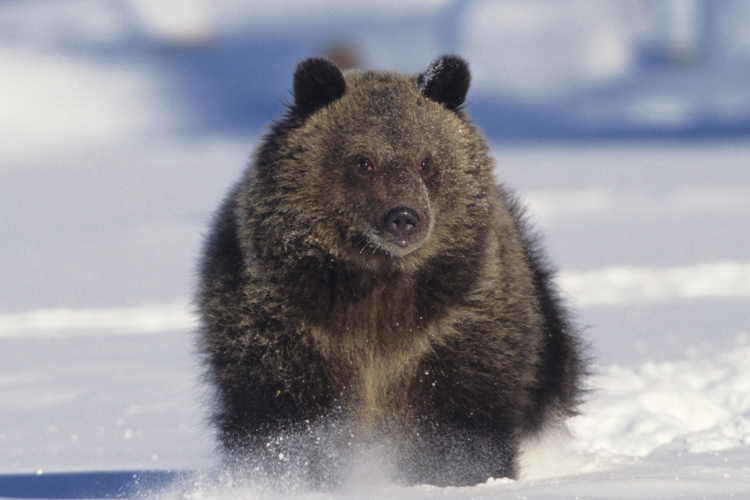
In bear country across North America, this scene repeats itself every year. Food locked in coolers, buried under snow, or sealed inside vehicles is still found overnight. Snowstorms, freezing temperatures, and distance do not stop it. Bears are not guessing. Their sense of smell is so advanced that it functions as their primary survival tool, guiding them toward calories when landscapes look empty to human eyes. This ability is shaped by anatomy, physics, memory, and constant evolutionary pressure to find food efficiently in harsh environments.

Read more

Why Dogs Adjust Their Personality Based on Household Routine

Daily patterns quietly shape canine behavior.

©Image license via iStock

Inside every home, routines form whether people notice them or not. Wake up times, meal schedules, work hours, noise levels, and emotional rhythms repeat day after day. Dogs do not just observe these patterns, they adapt to them. Over time, behavior that looks like personality change is often a flexible response to predictability, stress, or instability in daily life. Dogs evolved to read human patterns closely because survival depended on it. Modern households still shape canine behavior through routine, even when no training is involved.

Read more

The Mystery of America’s Lost Colonial Horse Lines Finally Uncovered

Forgotten bloodlines resurface through genetics and overlooked history.

©Image license via Canva

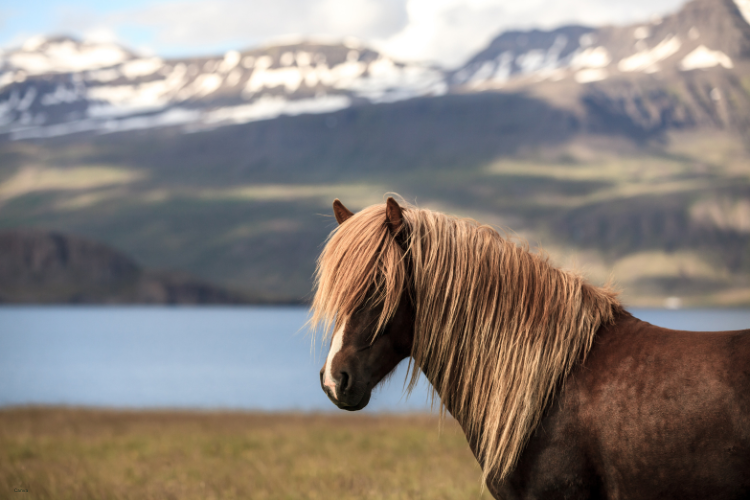
For centuries, historians assumed America’s earliest colonial horses vanished as newer European breeds replaced them. Spanish, English, and Caribbean horses arrived between the 1500s and 1700s, shaping exploration, agriculture, and early warfare. Then the records thinned, and the animals seemed to fade from the story. Recent advances in genetic analysis, paired with archaeological evidence and rural breeding histories, now reveal a different outcome. Many colonial horse lines did not disappear. They persisted quietly, surviving in isolated regions, feral herds, and working stock that escaped formal documentation.

Read more

How Weather Pressure Changes Can Trigger Anxiety in Dogs

Atmospheric shifts affect dogs before storms appear.

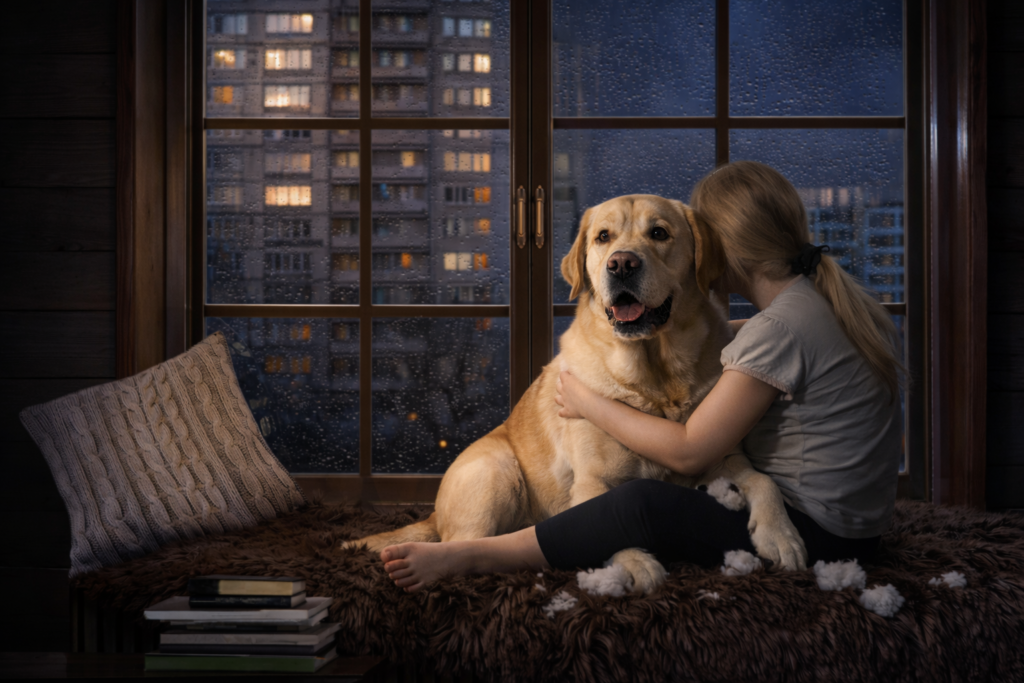
©Image PetsnPals/ChatGPT, Girl comforts anxious dog during storm

Across many regions of the United States, dogs often show anxiety long before weather visibly changes. Owners notice pacing, shaking, clinginess, or hiding hours ahead of storms. These reactions are not random. Barometric pressure shifts occur well before rain, wind, or thunder arrives, and dogs sense those changes internally. Their bodies respond to subtle physical signals that humans barely register. For some dogs, these sensations feel uncomfortable or alarming. Understanding how pressure changes affect the canine nervous system helps explain why anxiety appears suddenly and why it can feel intense and hard to soothe.

Read more

What Happens When Endangered Animals Become Urban Neighbors

Cities are becoming unexpected wildlife refuges.

©Image license via Canva

Across the world, endangered animals are appearing in places built for people rather than wildlife. Suburbs, ports, drainage corridors, rail lines, and city parks now overlap with shrinking natural habitats. For some species, urban areas offer food, warmth, and fewer natural predators. For others, cities introduce vehicles, noise, disease, and conflict. These animals are not moving by choice alone. They are adapting under pressure. When endangered species begin living alongside people, survival improves in some ways and becomes more dangerous in others, reshaping conservation, public safety, and daily urban life.

Read more