Why Families Keep Giving Up on These Loyal Dogs

Devotion collides with modern household realities.

©Image license via Rawpixel

Across shelters in the United States, intake records reveal a painful pattern. Dogs described as deeply loyal and emotionally bonded are surrendered at disproportionate rates. These are not distant or aloof animals. They are dogs that attach hard and stay close. Families adopt believing loyalty guarantees harmony. Instead, devotion amplifies stress when routines shift, housing tightens, or expectations fail. The outcome is rarely cruelty. It is overload. These dogs remain loyal to the end. The question is why that loyalty so often becomes the very reason families feel they cannot keep them.
Read more

Why Indoor Cats Often Develop Stress Behaviors Owners Miss

Subtle signals hide mounting pressure inside quiet homes.

©Image license via Canva

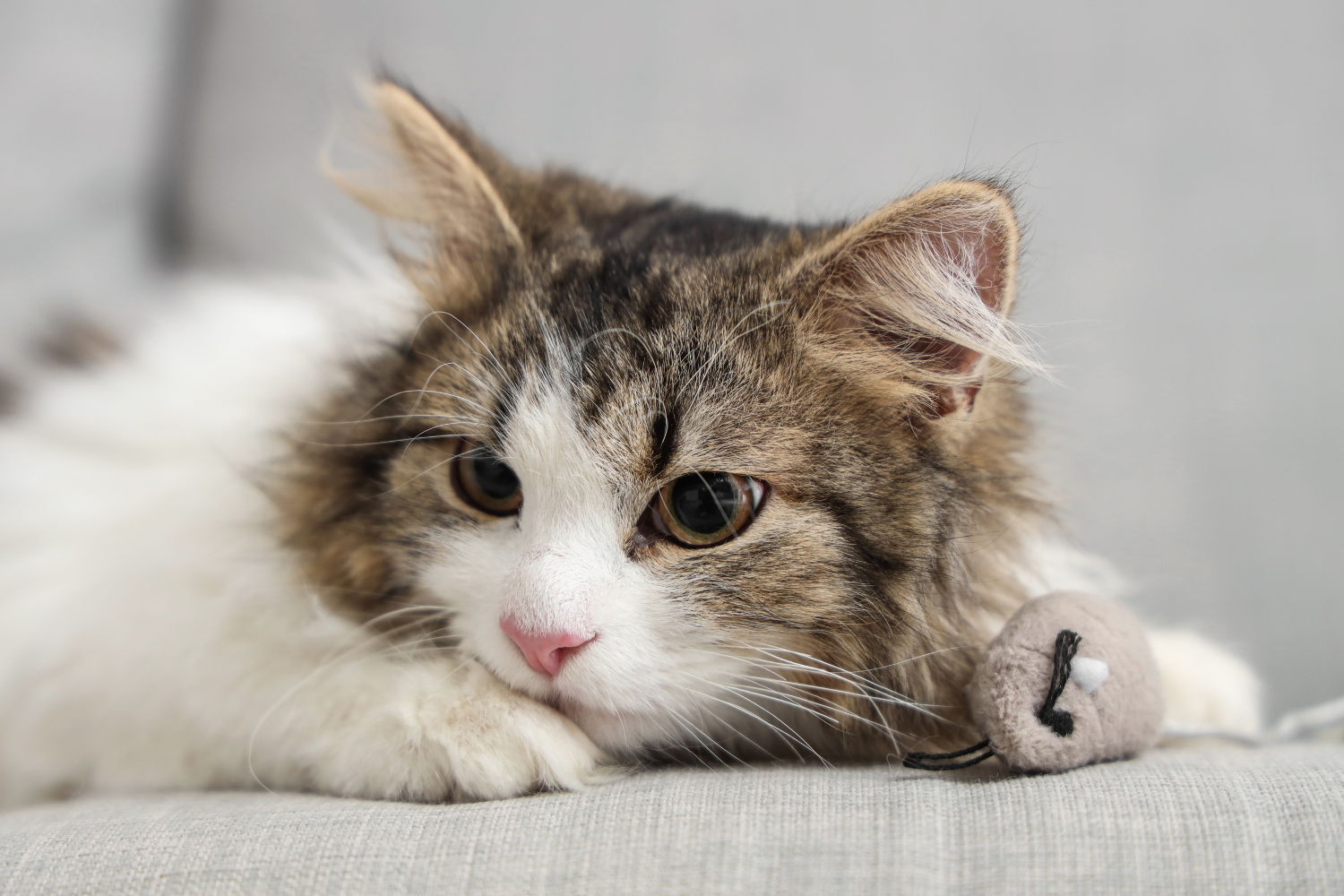
Indoor cats are often described as safe, calm, and protected, yet veterinarians and behaviorists repeatedly see stress related problems in cats that never step outside. These behaviors rarely look dramatic. They blend into daily routines and are easily misread as quirks or personality. Meanwhile, the underlying tension builds. Environmental restriction, lack of control, and unmet instincts quietly reshape behavior over time. By the time stress becomes obvious, it is often entrenched. Understanding how these signals appear, and why they are missed, changes how indoor cat wellbeing is understood.

Read more

14 Dog Breeds That Connect With Humans On The Deepest Levels

Some dogs bond beyond instinct and training.

©Image license via Canva

Not every dog forms the same kind of relationship with people. Some breeds consistently cross a line from companionship into emotional attunement, reading human cues with startling accuracy. These dogs track moods, anticipate needs, and respond in ways that feel intentional rather than trained. That depth of connection did not happen by accident. It was shaped by history, work, and proximity to humans during critical moments. Understanding which breeds form these bonds helps explain why certain dogs seem to understand us before we speak.

Read more

Without These Dogs, History Would Crumble

Specific dogs shaped survival at critical moments.

©Image license via iStock

History often credits human leaders and inventions, but overlooks the dogs whose labor stabilized fragile systems. Certain breeds and working dogs were not symbolic companions. They performed tasks humans could not, at moments when failure meant collapse. Trade routes, food security, warfare, law enforcement, and rescue all depended on canine capability. Remove these dogs and outcomes change fast. Borders weaken, supplies vanish, and communication fails. These animals were not background characters. They were structural supports. Their absence would not create small gaps in history. It would remove entire pillars holding it upright.

Read more

What Happens to Racehorses After the Crowds Disappear

Life after racing is rarely as simple.

©Image license via Canva

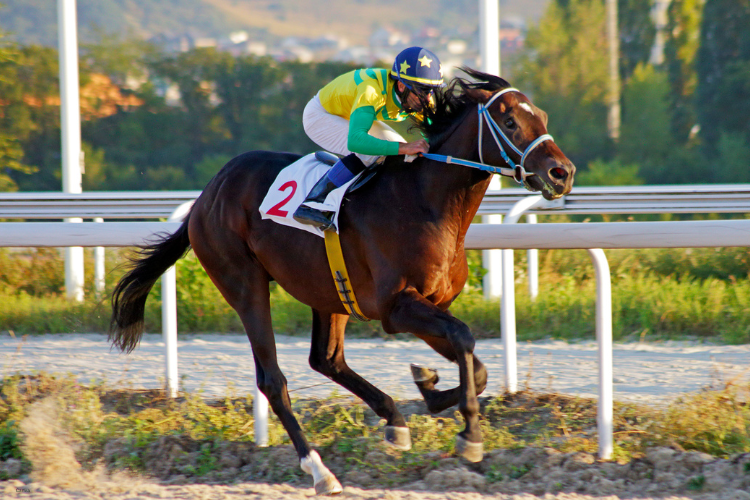
When the gates close and the applause fades, racehorses do not step neatly into retirement narratives. Their lives diverge sharply depending on health, age, ownership, and economics. Some transition into second careers, others disappear into holding patterns far from public view. The racing industry spans continents, regulations, and priorities, making outcomes uneven and often opaque. What happens next is shaped less by sentiment and more by logistics, money, and timing. Behind every celebrated finish line is a quieter question about where these animals go when speed is no longer profitable.

Read more