8 Habits That Make Dogs The Ones No One Wants to Play With at the Park

Subtle behaviors that can spoil social time.

©Image license via Pixabay/mariuszopole

Dog parks can feel like small worlds of energy, movement and unspoken rules. Most dogs settle right in, but others struggle a bit more, often without their owners realizing why. These habits are not signs of a bad dog, only hints that something in their social toolbox needs a tune up. As you watch the dynamics unfold, you start to see how small patterns can create bigger ripples.

Many of these behaviors come from excitement, stress or confusion. When owners understand what is really happening, they can step in early and help their dog feel more at ease. Once those habits shift, the entire energy of the outing changes, and both dog and human begin to enjoy a smoother, happier rhythm at the park.
Read more

10 Weird Things Your Cat Does That Mean They Truly Love You

Small signals that reveal deep feline affection.

©Image license via Canva

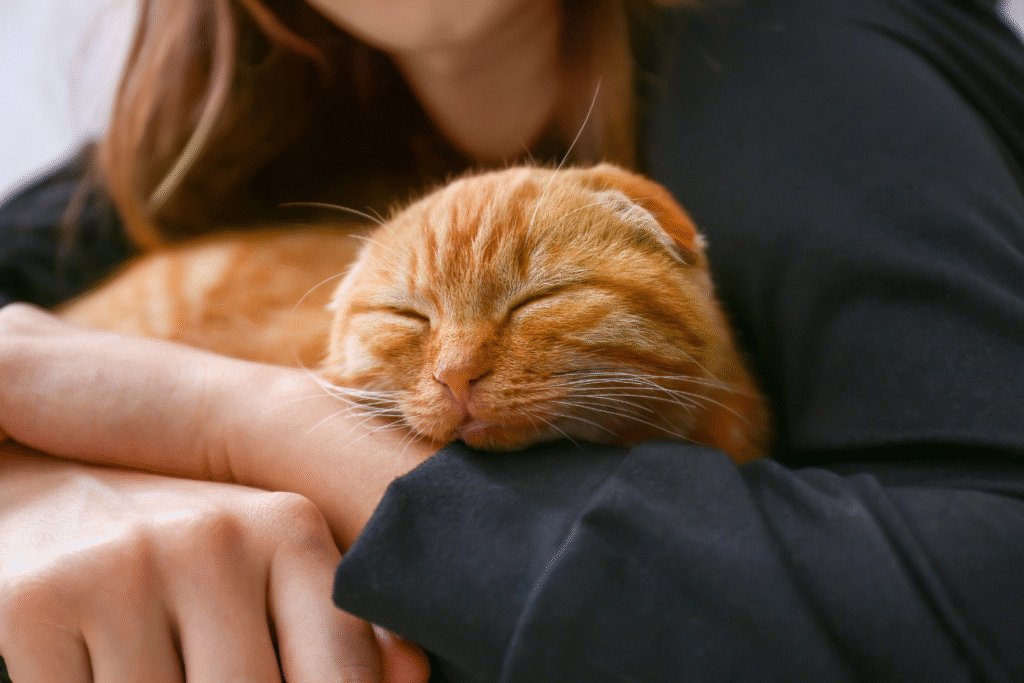
Cats rarely spell out their feelings, yet they have a talent for sending small messages that matter. Their habits can feel strange, sometimes even puzzling, but many of those behaviors are rooted in trust, comfort and a quiet wish to stay close. As their routines unfold around you, each one starts to form a pattern of familiarity that says more than any human phrase ever could.

Once you start noticing these signals, the deeper story becomes clear. Your cat is talking in a language built from motion and mood. This is where the real fun begins, because those odd little quirks often reveal some of the strongest forms of connection.

Read more

Why Dogs Are Getting Injured More in Modern Apartment Living

Exploring the hidden risks of urban dog life.

©Image license via iStock

Modern apartment life may look cozy and convenient, yet many dogs are facing new injury risks that did not exist when pets lived in larger homes with open yards. The shift to smaller indoor spaces, tighter hallways, and busier routines adds pressure to a dog’s body and mind in ways people often miss. As more families choose apartment living in major cities, veterinarians report growing numbers of sprains, fractures, slips, and stress related injuries. This story unpacks eight key reasons behind the trend, and why paying attention to these subtle apartment challenges can make all the difference for our pets.

Read more

Not All Tail Wags Are Good News How You Tell the Difference

Decoding tail signals to understand canine moods.

©Image license via Canva

Dogs speak volumes through their tails, yet many people misread those movements and assume every wag means excitement or friendliness. Modern research shows tail signals are far more nuanced, influenced by body posture, emotional tension, social intention, and environmental context. A wag can be joyful, anxious, conflicted, defensive, or even a warning, and once you start noticing the details the entire language becomes clearer. Understanding these distinctions helps prevent misunderstandings, especially around unfamiliar dogs. With a closer look, the motions we thought were simple begin to reveal deep emotional layers. These ten points explain how to read the differences with confidence.

Read more

Why Some Cats Suddenly Bite After You Pet Them

Understanding unpredictable reactions in affectionate cats.

©Image license via Canva

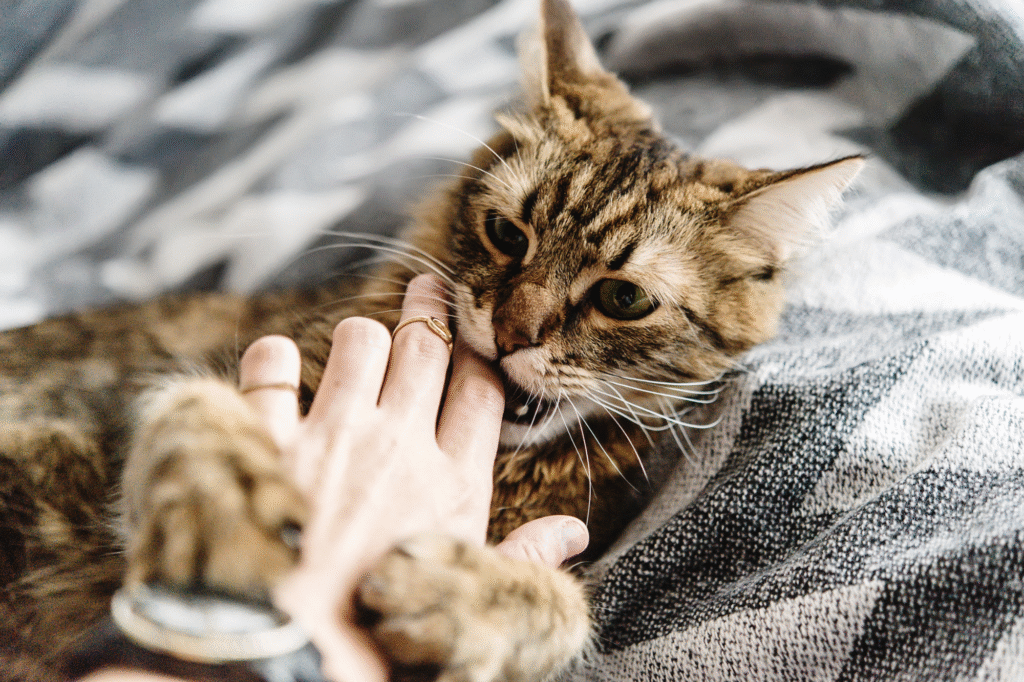
Cats can shift from melting into your hands to sinking their teeth into your skin faster than most people expect, and that sudden switch often feels personal even though it rarely is. These moments happen because cats communicate through signals that can be incredibly subtle, and the petting that feels soothing to us may feel overstimulating to them. Recent research shows that emotional arousal in cats escalates rapidly, especially during close contact, which explains why some bites seem to come out of nowhere. With a little insight these confusing moments start to make sense, and nine key explanations help clarify the pattern.

Read more