10 Mistakes Owners Make That Can Seriously Harm Their Birds

Hidden mistakes quietly damage pet birds in many homes.

©Image via Canva

Living with a bird can feel simple at first. A cage, food, fresh water, and occasional conversation seem enough to keep a feathered companion content. Yet beneath that routine, small everyday choices can quietly shape a bird’s health in ways most owners never notice. Subtle changes in lighting, diet, space, or household habits may influence behavior, lifespan, and emotional well being far more than expected. Many birds adapt in silence until problems finally surface through feather loss, illness, or sudden personality shifts. Veterinarians say these issues rarely begin with obvious neglect. Instead they often grow from ordinary decisions that seemed harmless at the time.


Read more

12 Foods Native American Cultures Ate Long Before Colonists Arrived

Ancient foods reveal deep knowledge of North American landscapes.

©Image PetsnPals/AI generated image

Long before ships from Europe reached North American shores, communities across the continent had already built sophisticated food traditions shaped by observation, patience and deep familiarity with the land. Fields, forests, rivers and coastlines offered ingredients that people understood with remarkable precision. Over generations, knowledge about when to plant, gather, hunt or harvest formed a living system that supported entire societies. Many of those foods still exist today, though their deeper histories often go unnoticed. Looking closer at what filled Indigenous kitchens reveals more than meals. It uncovers a continent of carefully cultivated relationships between people, plants, animals and seasons.

Read more

A Mysterious Web of Underground Tunnels May Span Continents

Ancient tunnel discoveries are raising new global questions.

©Image license via Canva

Across quiet hills, beneath villages, and deep under ancient landscapes, archaeologists keep finding the same unsettling pattern. Narrow tunnels appear where no records say they should exist, carved into rock centuries or even millennia ago. Many are small, hidden, and strangely consistent in design despite being separated by vast distances. At first they seemed like isolated curiosities. Now the growing number of discoveries is forcing researchers to look again. Each excavation adds another fragment to a puzzle stretching across continents. The tunnels hint that people long ago may have turned underground space into something far more organized and widespread than historians once believed possible.

Read more

10 Ordinary Foods That Turn Dangerous for Cats

Common kitchen foods can threaten a cat’s health.

©Image license via Canva

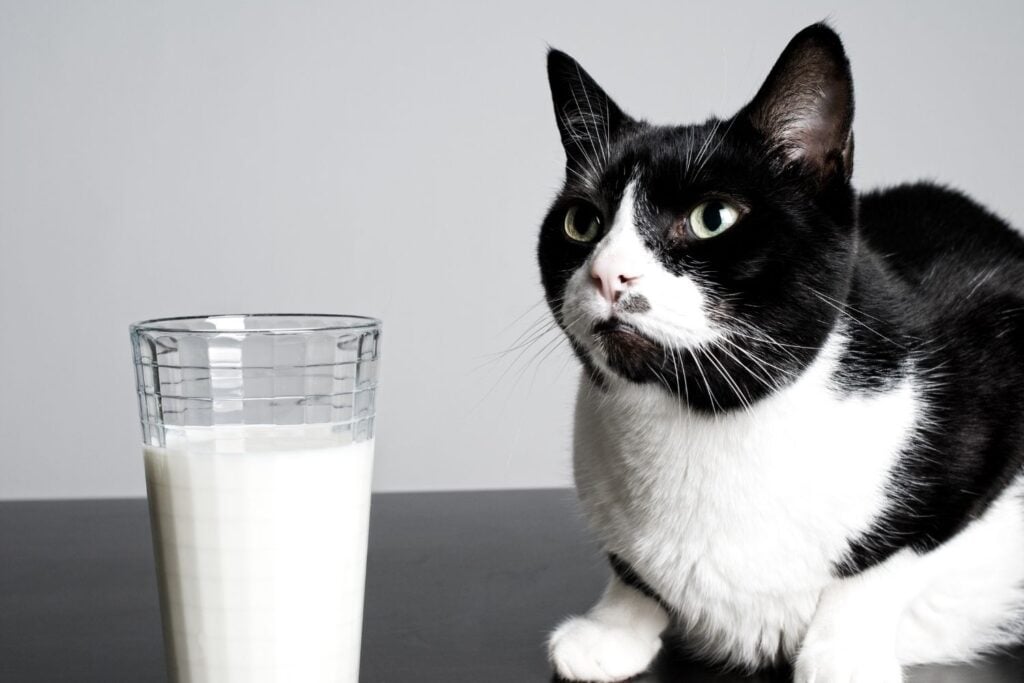
A kitchen can feel harmless to the people who move through it every day. For a cat, though, the same space hides dangers that rarely look threatening at first glance. A dropped crumb, a spilled drink or a forgotten ingredient on the counter can introduce substances their bodies are not built to handle. What makes these hazards unsettling is how ordinary they appear. Most belong to foods families eat without a second thought. Yet inside a cat’s metabolism, those same ingredients can trigger reactions that escalate far faster than anyone expects. The quiet curiosity that leads cats into kitchens sometimes places them far closer to danger than we realize.

Read more

A Hidden History of Fire May Have Shaped North America’s Ecosystems

Ancient fire stewardship quietly shaped North America’s ecosystems.

©Image PetsnPals/AI generated image

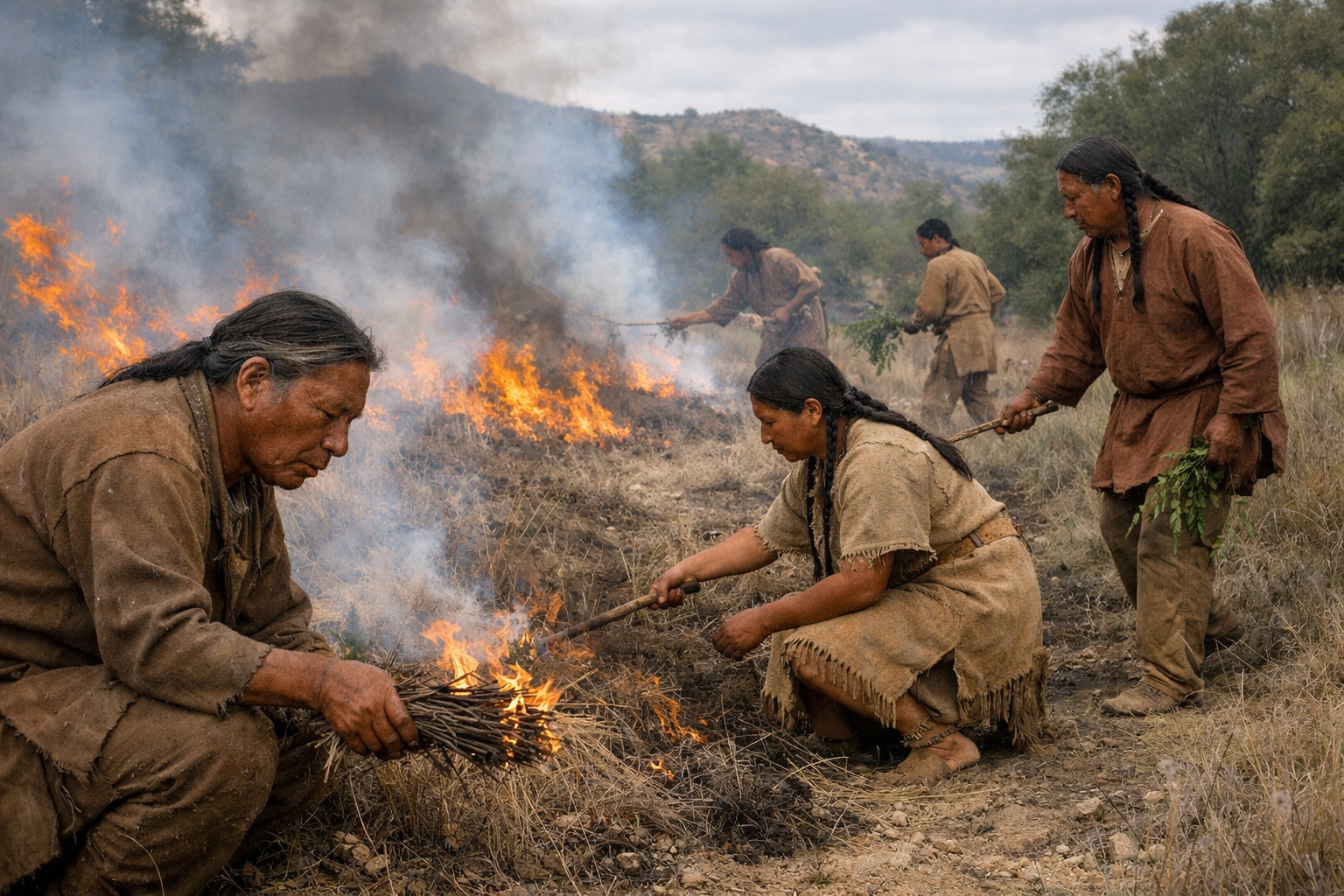
For generations, North America’s vast forests and grasslands were described as landscapes that evolved without human influence. Yet scattered clues in soil, tree rings and oral histories have begun telling a different story. Beneath the surface lies evidence of deliberate fire use practiced long before modern land management existed. These burns followed seasonal rhythms and produced landscapes that behaved in surprisingly stable ways. What researchers are now uncovering suggests that many ecosystems were not simply natural formations but environments carefully guided over centuries. As the evidence expands, an older relationship between people, fire and the land is slowly coming back into focus.

Read more