NASA Just Announced When Astronauts Will Finally Walk on the Moon Again

The countdown to humanity’s return is officially underway.

©Image license via Canva

For the first time in 50 years, NASA has confirmed when humans will once again set foot on the Moon. The mission, known as Artemis III, represents the next step in a new era of exploration—one that blends ambition, technology, and international cooperation. The last time an astronaut left a bootprint on lunar soil was in 1972, during Apollo 17. Now, the long wait is finally ending.

This isn’t just another space launch—it’s a statement about what humanity still dreams of. With new spacecraft, upgraded suits, and advanced landing systems, NASA’s next Moonwalkers will explore regions no human has ever seen before. And this time, they won’t just visit—they’ll prepare for the future of deep space travel.

Read more

Science Unleashed: Breakthrough Drug Promises to Extend Your Dog’s Life

A new hope for canine aging emerges.

©Image license via iStock

Imagine a world in which your aging dog doesn’t just endure symptoms, but actually regains vitality and gains precious months or years of healthy life. Advances in veterinary pharmacology are now pushing that frontier, with a drug in clinical trials that may shift how we think about aging in dogs.

This isn’t fantasy. In recent months, a biotech firm has cleared a key regulatory milestone, and companion animals are enrolled in the largest longevity study ever attempted in dogs. The push is on to show that this drug can slow aging, not just manage illness—and that difference matters.

Read more

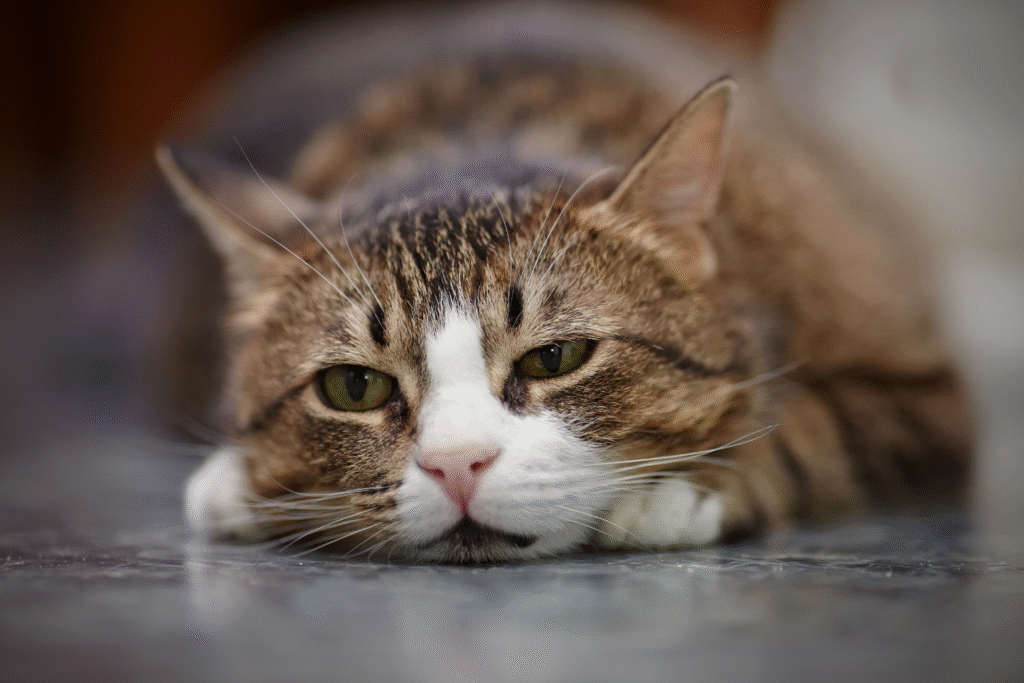
What Happens When a Cat’s Liver Starts to Fail and How to Catch It Early

Small changes can reveal a hidden internal collapse.

©Image license via Canva

The liver is a cat’s silent multitasker, filtering toxins, producing bile, and storing nutrients without ever asking for attention. But when it starts to fail, the signs often whisper before they scream. Catching liver disease early can mean the difference between a full recovery and a sudden crisis that feels like it came out of nowhere.

Because cats are experts at hiding weakness, symptoms can appear misleading—like appetite loss, weight changes, or sudden withdrawal. Recognizing these subtle shifts isn’t about panic; it’s about paying attention to your cat’s quiet language before the illness grows louder.

Read more

The Subtle Clues Your Cat’s Hips or Spine Are Causing Pain

Small changes in movement can signal big discomfort.

©Image license via Canva

Cats are masters of disguise when it comes to pain. Their instincts tell them to hide weakness, which means by the time you notice something’s off, it’s often been building quietly for weeks or even months. Subtle changes in posture, grooming, or where they nap could all be quiet cries for help that most owners overlook.

Understanding how spinal or hip pain shows up in cats is tricky because it rarely looks dramatic. There’s no limping parade or wailing meow. Instead, it’s the tiny shifts—how they walk, how they stretch, how they greet you—that reveal the story.

Read more

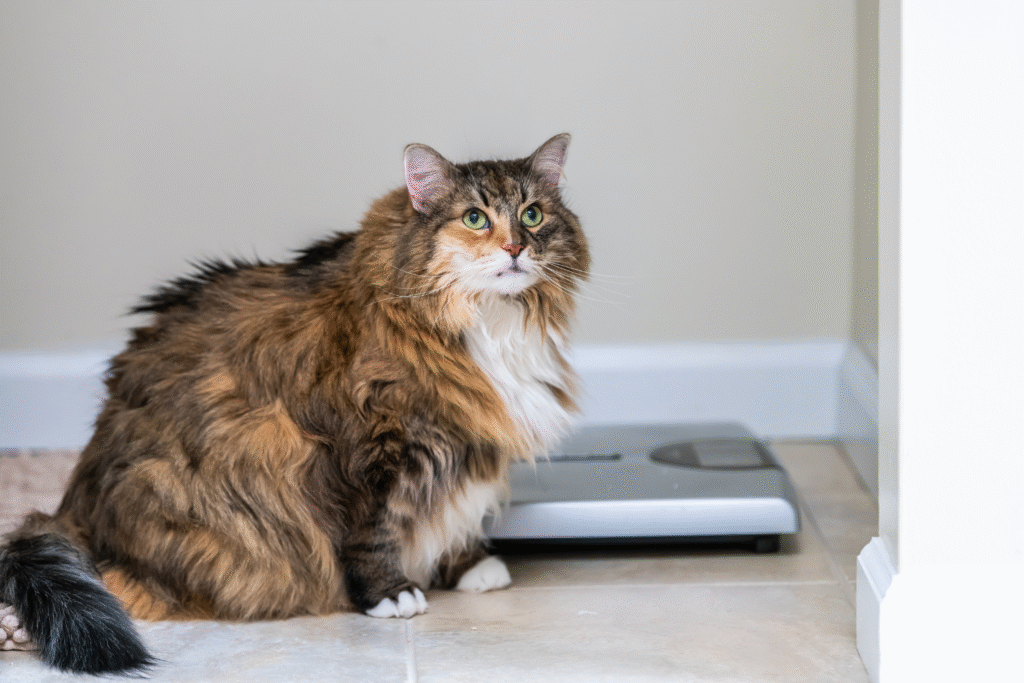
Why Obesity Is Quietly Killing Millions of House Cats Every Year

Small weight gains hide a massive internal problem.

©Image license via Canva

For cats, gaining just a few extra pounds can silently rewrite their biology. Obesity isn’t just about appearance—it’s a cascade of organ strain, metabolic slowdown, and inflammation that often goes unseen until it’s too late. The tragedy is that most owners never realize the danger because the changes happen gradually, masked by fluff, fur, and personality.

Modern indoor life makes it even easier for cats to slide into danger. The calorie-rich treats, limited exercise, and oversized portions meant as “love” can all add up to the slow unraveling of their health. Here’s how it starts—and how to stop it.

Read more