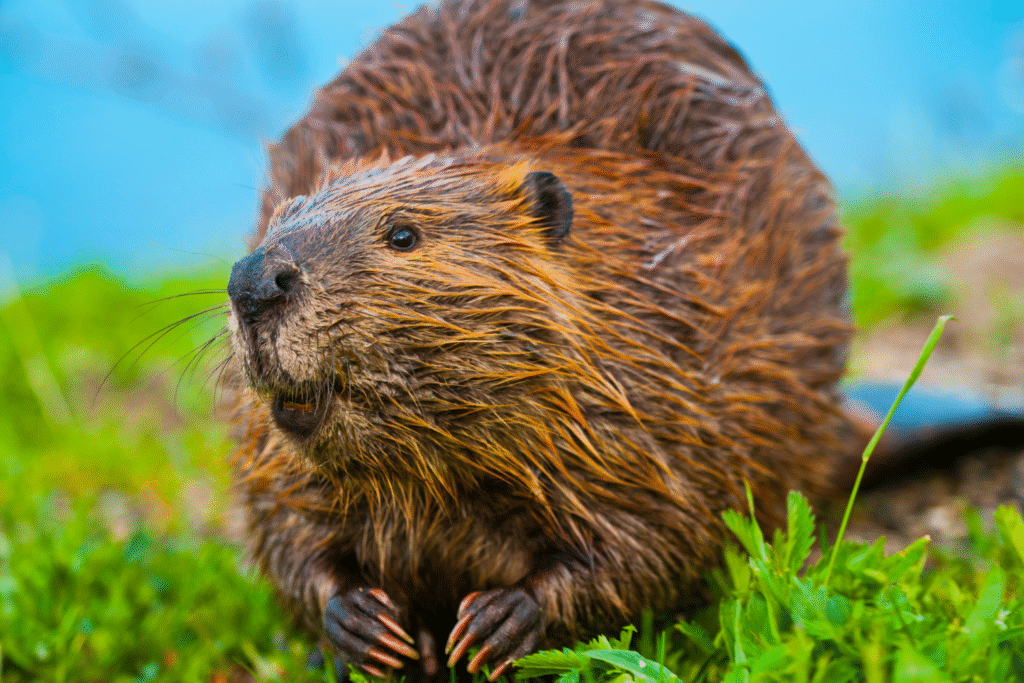
Can Beavers Really Save Us From Climate Change? AI Says They Might

Their dams reshape landscapes in ways humans can’t easily replicate.
©Image license via Canva

For years, beavers were dismissed as pests, gnawing through trees and clogging waterways. Today, they’re being reframed as ecological engineers with the power to buffer against climate chaos. From wildfire prevention to water storage, their work rewrites how ecosystems survive under stress.

Artificial intelligence is now adding an unexpected twist. By analyzing satellite data, AI models reveal that beavers may hold untapped potential in mitigating floods, storing carbon, and cooling overheated landscapes. It’s a strange alliance—one of the oldest builders in nature paired with one of the newest tools in technology, yet together they may offer a survival blueprint.
Read more

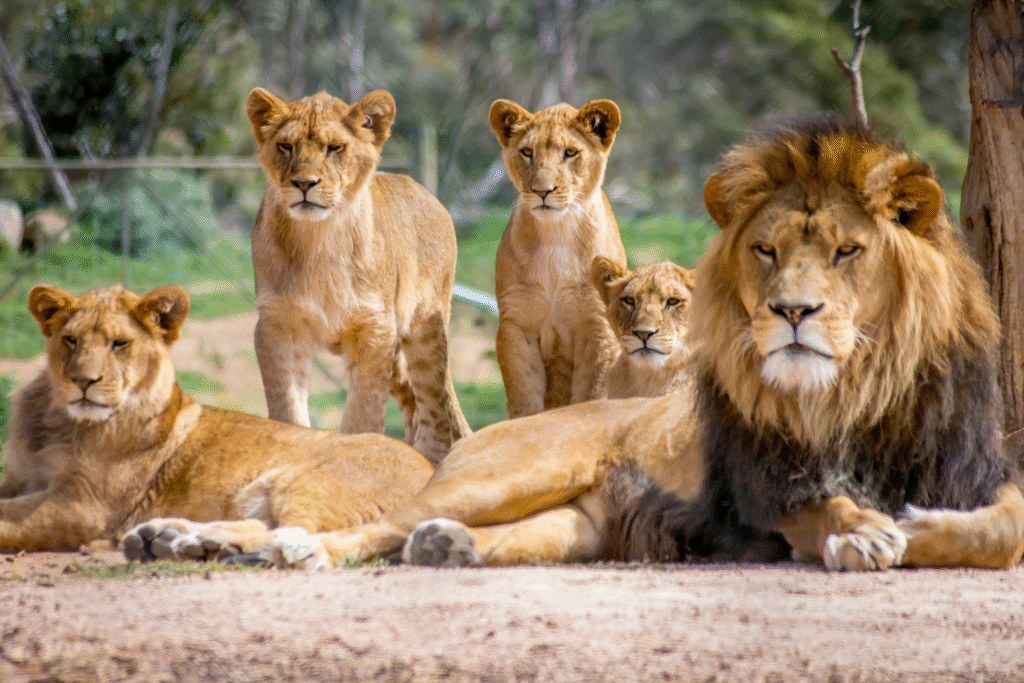
Tourists Watch in Horror as Lions Kill Zookeeper in Thailand

A routine day at the zoo became a nightmare within minutes.

©Image license via Canva

Visitors who came to see lions in a Thailand zoo never expected to witness tragedy unfold in front of them. A zookeeper entered the enclosure for what looked like routine care, and within moments, the atmosphere shifted from calm to chaos as the lions attacked. Screams echoed, and phones that had been raised for photos began recording something entirely different.

Incidents like this bring to light the dangerous balance between humans and wild predators in captivity. Behind the scenes, safety protocols exist to prevent these events, yet when things go wrong, they go wrong fast. What unfolded next shows how fragile control can be when working with powerful animals.

Read more

8 Reasons Raw Food Diets Are Backfiring And ER Vets Have the Data to Prove It

Emergency clinics are seeing the fallout from raw diets in real time.

©Image license via Canva

Raw feeding has surged in popularity, fueled by the belief that it mimics what dogs and cats would eat in the wild. The glossy photos of perfectly portioned raw meals make it look clean, natural, even superior. But inside veterinary ERs, the story is different. Cases tied to raw diets are stacking up, and the risks are becoming difficult to ignore.

The gap between intention and outcome is striking. Owners aim to give their pets the best, but the consequences often prove dangerous. From bacterial infections to fractured teeth, the reality behind raw food diets is far messier than the trend suggests.

Read more

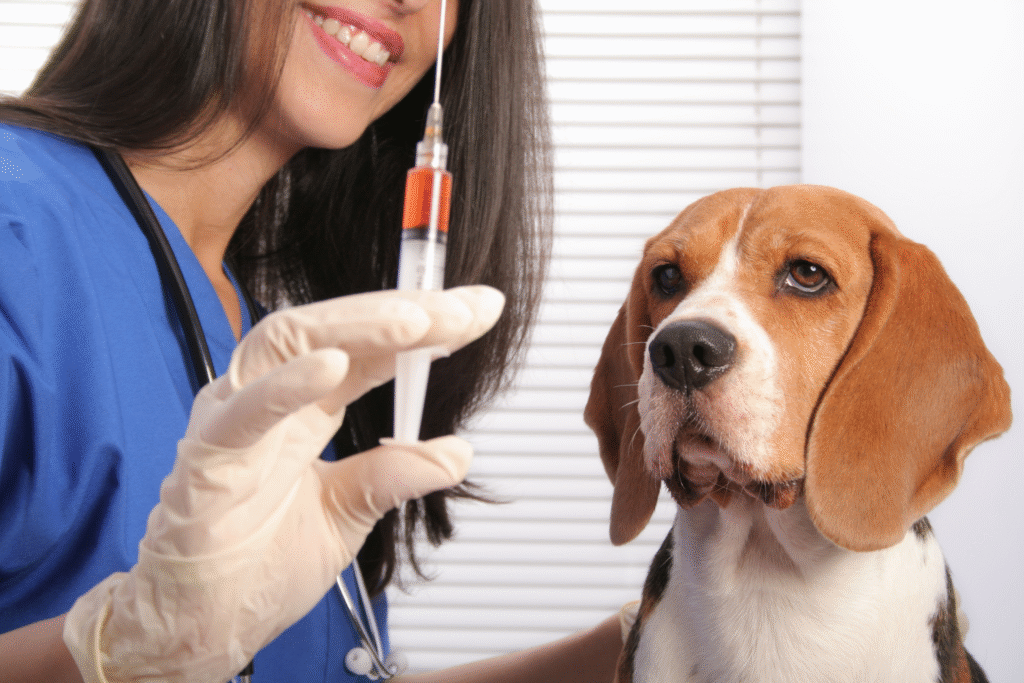
Are DNA Tests the Future of Early Dog Disease Detection?

Genetic testing is reshaping how we catch illnesses before they take hold.

©Image license via Canva

For decades, pet owners relied on visible symptoms and vet visits to uncover disease. By the time the signs appeared, it was often too late for early intervention. Today, DNA testing is shifting that balance, offering a look into a dog’s health long before trouble begins. It’s not science fiction—it’s diagnostics built on decoding genetic markers.

What makes this so compelling is that the technology isn’t limited to breeders or labs. Affordable at-home kits and advanced veterinary panels are already in circulation, quietly changing preventive care. The deeper we peer into canine DNA, the more we uncover about what might lie ahead.

Read more

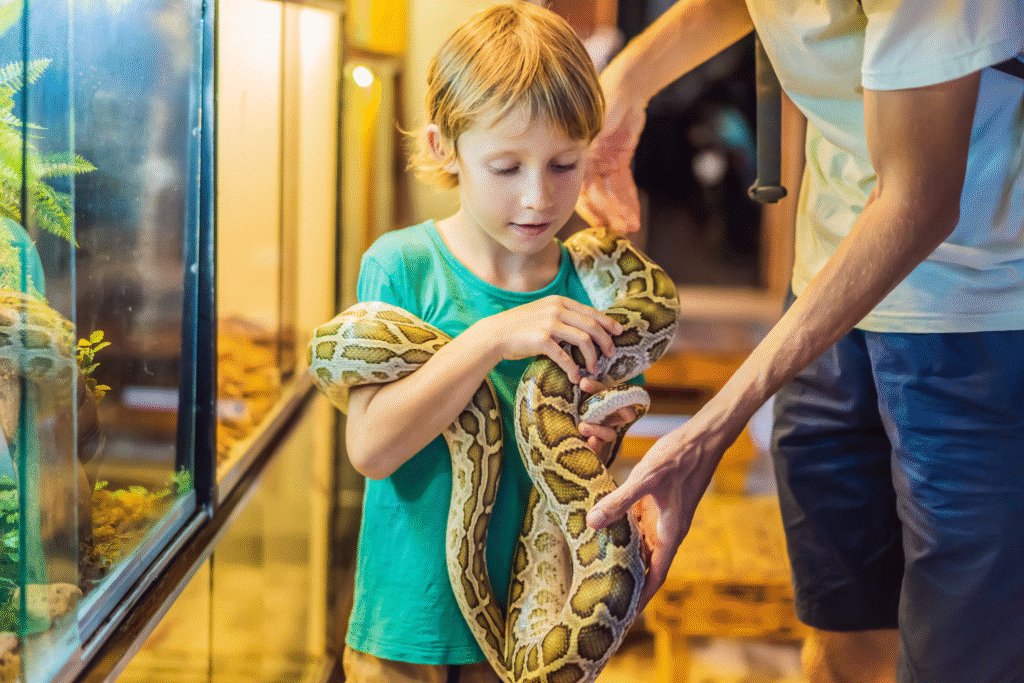
Therapists Are Turning to Snakes for Sensory Care—Here’s Why It Works

The movement and presence of snakes provide unique therapeutic benefits.

©Image license via Canva

The thought of a snake being used in therapy sounds unusual, maybe even unsettling, but therapists in multiple countries are finding real value in it. The practice, called snake-assisted therapy, isn’t a gimmick. It’s rooted in sensory care, where the physical experience of interacting with a snake can help regulate emotions, ease anxiety, and even improve body awareness.

This kind of therapy highlights how unconventional approaches sometimes break through when traditional methods fall short. The gentle pressure, cool skin, and slow movements of a snake create sensations that stimulate both the body and the nervous system in surprising ways.

Read more