Julie is a passionate writer and editor with over seven years of experience in digital marketing. Specializing in SEO, content writing, and social media management, she crafts engaging, informative content for wildlife, science and nature blogs. When not writing, she enjoys time with her furry companions.
The global extinction crisis has reached a breaking point. More than 10,000 species currently sit on the IUCN Red List’s “critically endangered” category, meaning they could vanish within our lifetime. This isn’t just another conservation warning. Some species have populations so small they could disappear within the next few years, not decades. The clock isn’t ticking anymore—it’s nearly stopped entirely.
American families are feeling the sting of a global food crisis that’s hitting wallets harder than expected. Extreme weather events across the world have sent the prices of everything from coffee to cocoa skyrocketing, and those increases are landing directly on grocery store shelves from California to Maine.
The brutal reality is that climate change isn’t just an environmental issue anymore—it’s become an economic nightmare that’s making basic necessities unaffordable for millions of families. Recent studies show that weather disasters between 2022 and 2024 caused food price spikes that were so extreme they exceeded all historical precedent, creating a perfect storm of inflation that’s reshaping how Americans eat.
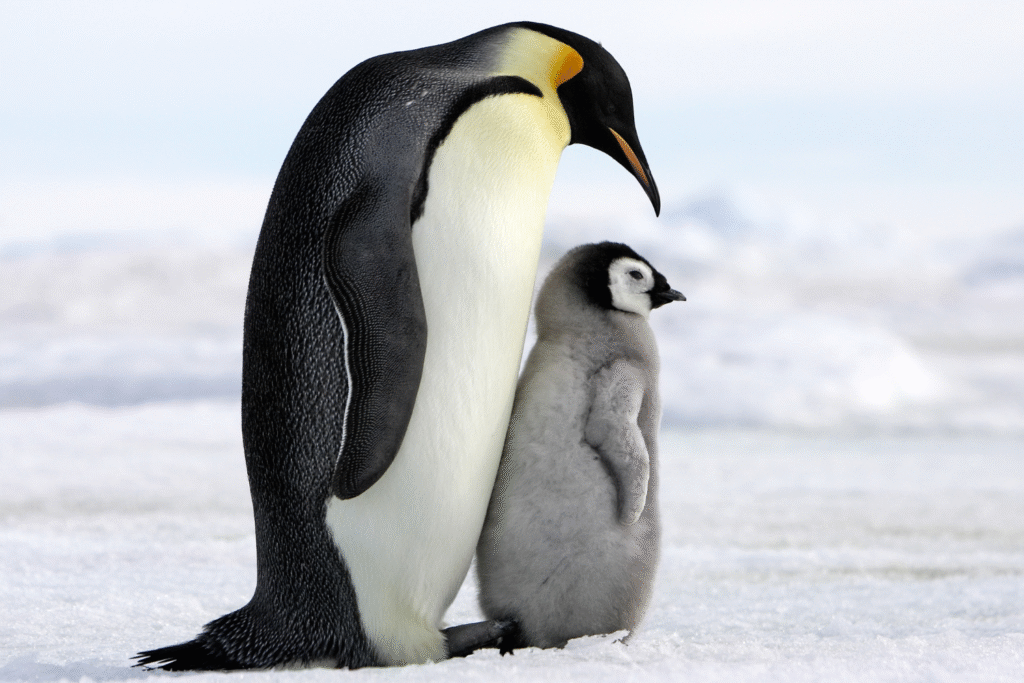
The quiet edges of Antarctica, usually full of life, are turning into scenes of loss. Penguin colonies that once thrived in the predictable rhythm of ice and seasons are collapsing in real time. Entire generations of chicks are not making it past their first weeks.
The culprit is the ice itself. Melting earlier and faster than anyone expected, it’s leaving young penguins stranded. What once looked like a stable cycle has been thrown into chaos. These failures are not rare anymore—they’re becoming a grim new pattern.
That goofy grin spreading across your dog’s face when you walk through the door isn’t just your imagination running wild. Dogs do make facial expressions, and they’re far more sophisticated than we ever realized. Recent breakthroughs in canine behavioral science have revealed that our four-legged companions use their faces to communicate in ways that would make a human diplomat jealous.
For years, scientists dismissed animal facial expressions as purely involuntary emotional displays. Now we know better, and the research is reshaping everything we thought we understood about inter-species communication.
The animals that inspire our deepest fears through their razor-sharp claws, venomous fangs, and crushing strength actually spend most of their lives desperately trying to avoid any contact with humans, whose massive size, loud voices, and erratic behavior patterns trigger every evolutionary alarm system these creatures possess for detecting dangerous threats. Their impressive weaponry evolved for hunting specific prey species and defending against natural enemies, not for confronting the bizarre bipedal giants who create thunderous noises, emit strange chemical scents, and move through environments in ways that violate every natural pattern these animals understand.
While horror movies and sensationalized documentaries portray these creatures as relentless human hunters, the reality reveals itself through countless behavioral studies showing that even apex predators will abandon prime hunting territories, skip meals, and endure significant stress rather than risk encounters with humans whose unpredictable nature makes them appear more dangerous than any natural threat these animals evolved to handle.