If Someone Is Truly a Bad Person, These 11 Behaviors Come Naturally

Patterns surface long before consequences finally arrive.

©Image via Canva

Some people unsettle rooms without raising their voice. Conversations bend, trust thins, and small decisions suddenly feel risky. Friends struggle to explain why something feels off, only that it does. Psychologists note that harmful behavior often announces itself long before consequences appear. Patterns emerge in workplaces, families, and friendships, repeating across years and settings. The danger is not drama but familiarity. When certain behaviors appear effortlessly, they hint at something deeper that experience alone does not teach over time repeatedly.

Read more

What a Hiker Stumbled Upon Turned Out to Be a 1,500 Year Old Device Linked to Tragedy

The object did not belong where it rested.

©Image license via PetsnPals/ChatGPT, Reindeer Pit Trap

In the mountains of central Norway, a hiker noticed a length of worked wood and stone emerging from melting ground during a late summer trek. The area, long used for grazing and migration, rarely reveals human artifacts. At first glance, the object looked broken, useless, and out of time. Still, its placement felt deliberate. The hiker reported the find to local authorities, triggering a careful investigation. What followed revealed a forgotten system built for survival, and consequences that once followed closely behind it.

Read more

Why Playing Dungeons and Dragons May Actually Be Good For Your Brain

The game table hides more than entertainment.

©Image PetsnPals/ChatGPT, Dungeons & Dragons at the café

Across living rooms, game stores, and college dorms, players gather around maps and dice for hours at a time. Outsiders often see escapism or nostalgia. Researchers have started noticing something else entirely. Extended tabletop play appears to engage the brain in ways that resemble structured cognitive training. The effects are subtle, not dramatic, and easy to miss without long term observation. What happens during these sessions may influence memory, emotion, and decision making long after the game ends.

Read more

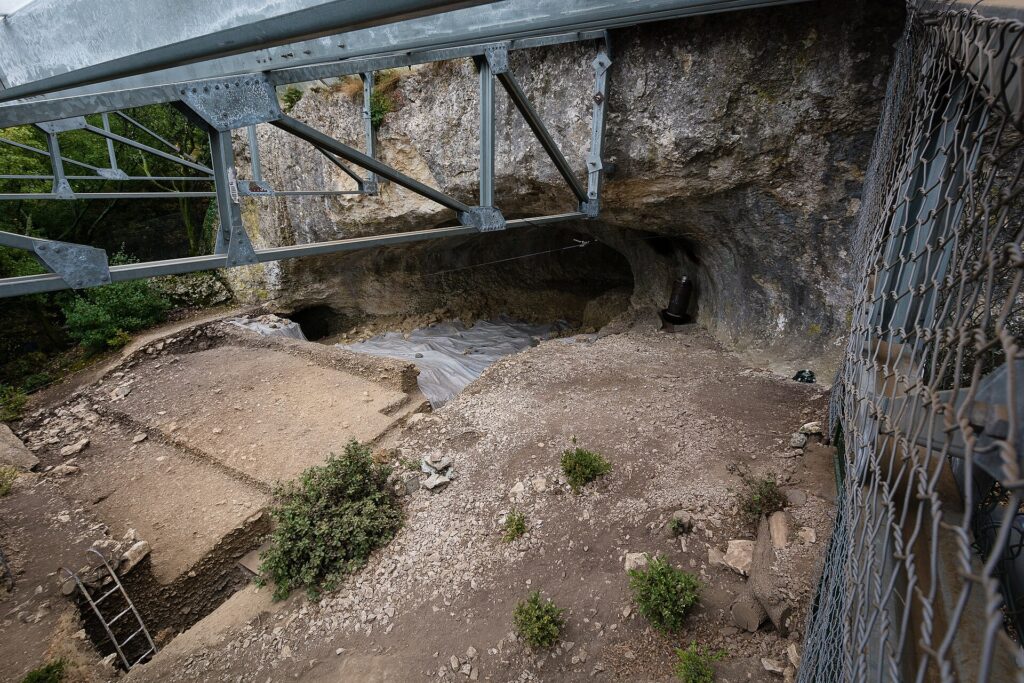
Scientists Just Opened a 40,000 Year Old Sealed Chamber and Discovered New Neanderthal History

The cave was known, but this space was not.

©Image license via Wikimedia Commons/Thilo Parg

In southern France, archaeologists working inside Grotte Mandrin prepared to open a section of the cave sealed since roughly forty thousand years ago. The site had been studied for decades, but this chamber remained untouched, blocked by collapsed stone and compacted sediment. When the barrier was finally breached in 2024, researchers paused. Air samples were taken. Cameras were lowered. The space beyond had not interacted with the outside world since Neanderthals last stood there, raising both scientific promise and risk.

Read more

New Evidence Shows Astronauts Came Home with Scrambled Brains

Something followed them home that doctors could not ignore.

©Image license via Flickr/NASA Johnson

When astronauts returned from extended missions aboard the International Space Station, doctors expected muscle loss and bone thinning. What they did not expect were lingering neurological changes that did not fade with rest. Tests conducted months after landing showed unusual patterns that raised concern. These changes appeared across multiple missions, different crews, and separate years. The effects were subtle at first, easy to dismiss as fatigue. Over time, the pattern became harder to ignore, forcing researchers to ask uncomfortable questions.

Read more