Why progress stalls even when solutions exist.
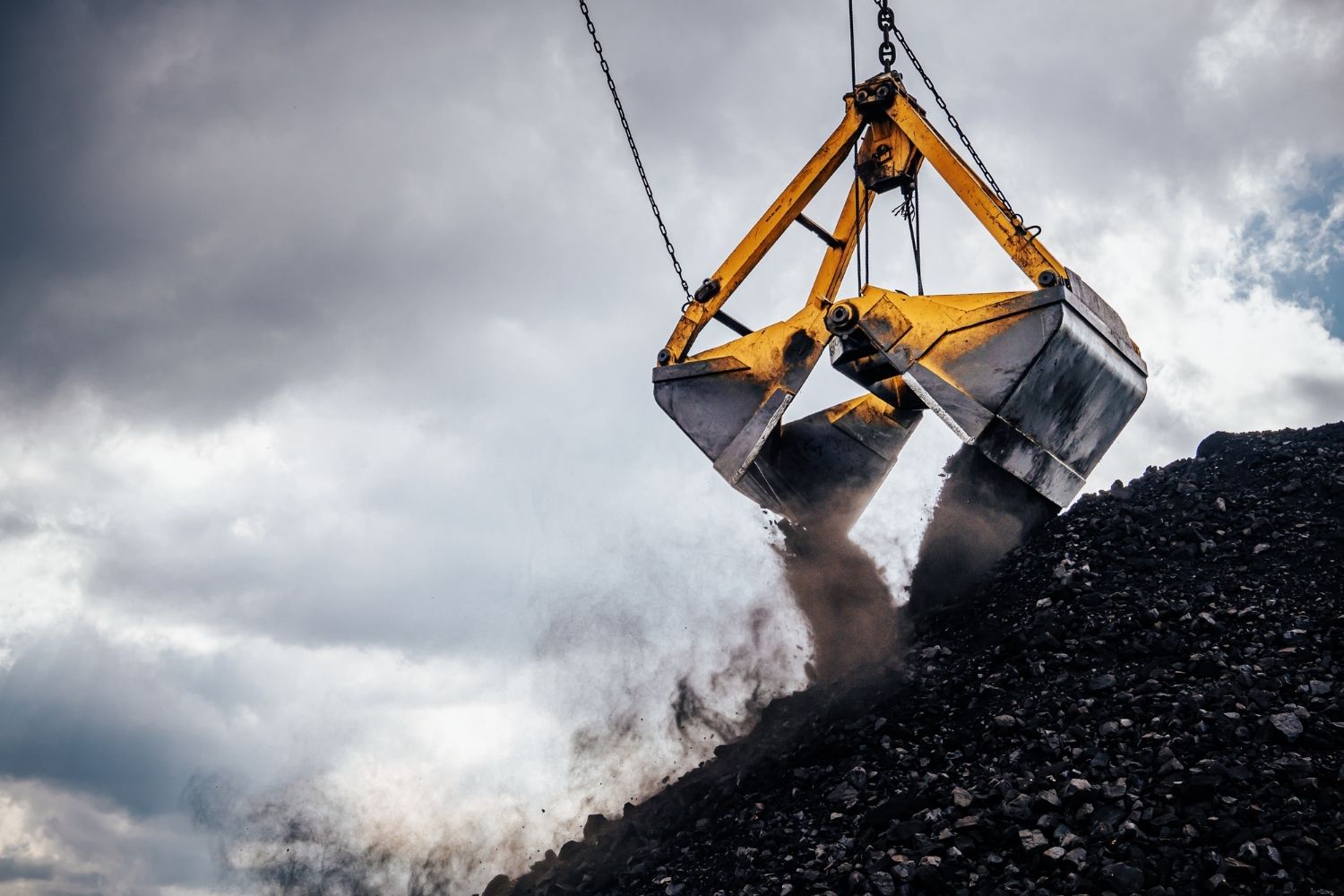
On paper, the energy transition should already be finished. Solar panels keep getting cheaper, wind turbines grow taller every year, and engineers have designed dozens of ways to generate electricity without burning fossil fuels. From geothermal wells deep underground to turbines floating in the ocean, the tools to replace coal are no longer theoretical. Yet the smokestacks are still there. Coal plants keep running across continents, feeding electricity grids that could technically run on cleaner systems. The puzzle is no longer about invention or discovery. It is about something far more complicated. Behind the technology sits a web of economics, infrastructure, politics, and human behavior that makes replacing coal far harder than simply flipping a switch.